Last Updated on November 25, 2025 by
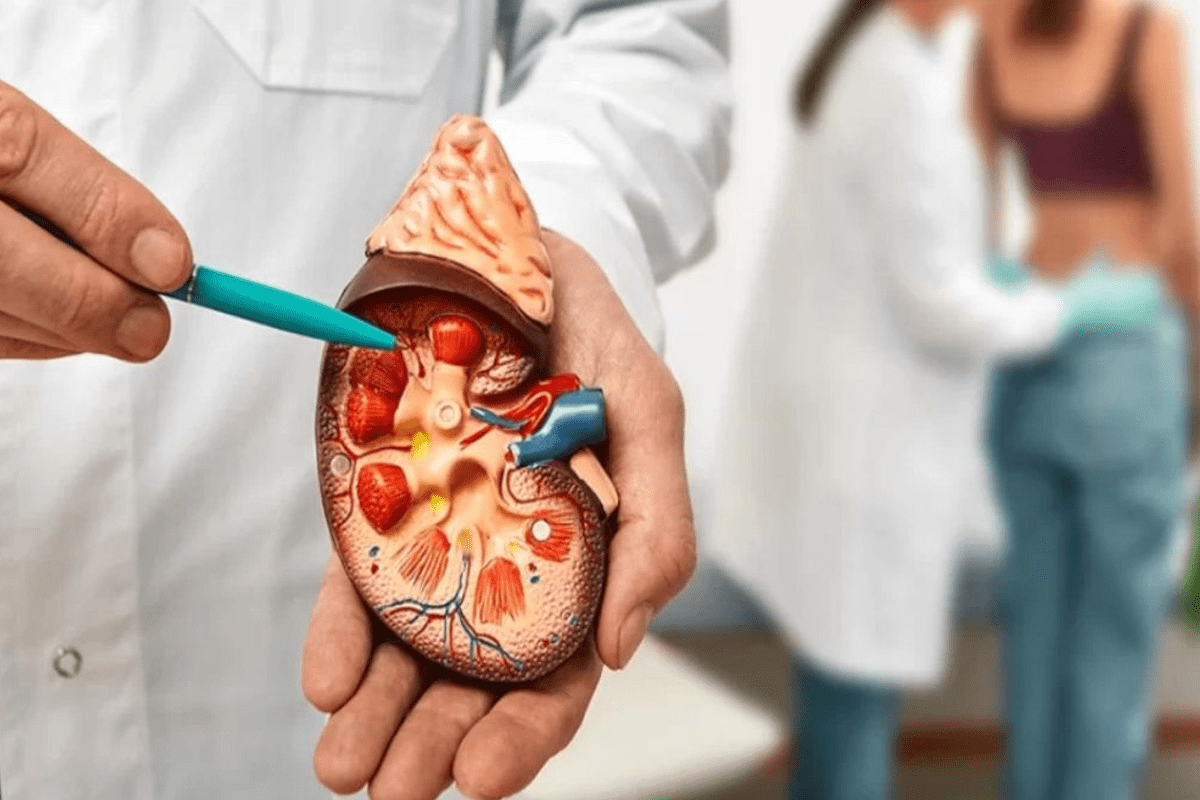
Extracorporeal Shock Wave Lithotripsy (ESWL) is a non-invasive treatment. It uses shockwave therapy to break down kidney stones. These stones are then broken into smaller pieces that can pass through urine.
The success of ESWL depends on the stone size. For stones 10mm or less, ESWL works very well. It has a stone-free rate of up to 99%. But the success rate drops for bigger stones.
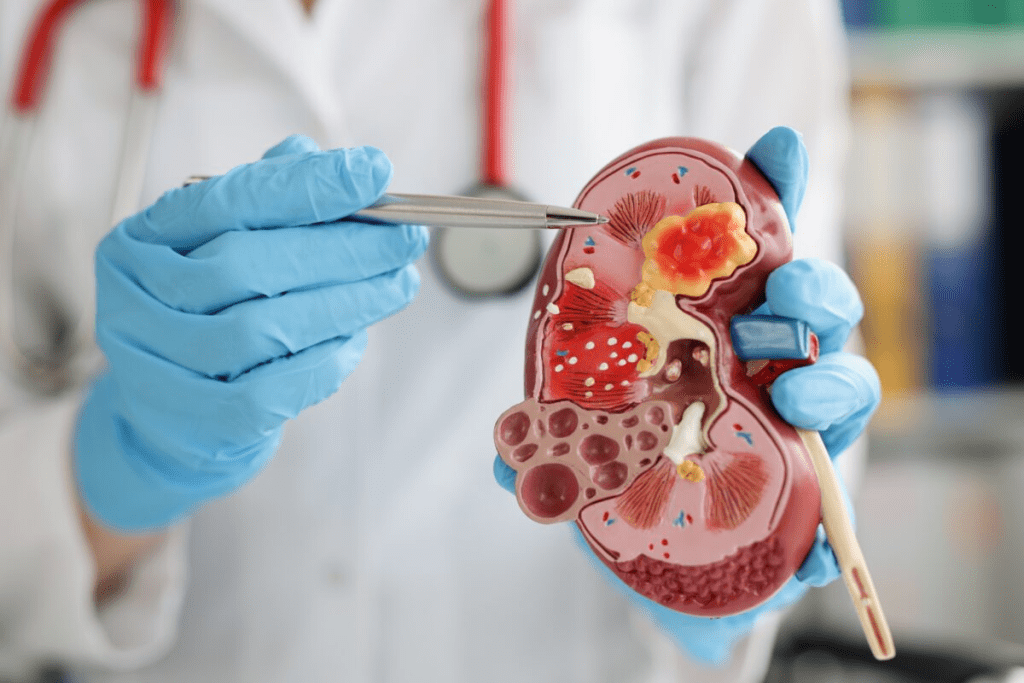
Knowing the best stone size for ESWL is key. It helps doctors choose the best treatment for kidney stone patients.
Key Takeaways
- ESWL is most effective for stones ≤10mm.
- Stone-free rates can reach up to 99% for stones ≤10mm.
- The success rate of ESWL declines for stones larger than 10mm.
- Optimal stone size is critical for the best treatment.
- ESWL is a non-invasive treatment option for kidney stones.
Understanding ESWL for Kidney Stone Treatment
ESWL is a new way to treat kidney stones. It’s a non-invasive method that helps avoid surgery. This is good news for those with kidney stones.
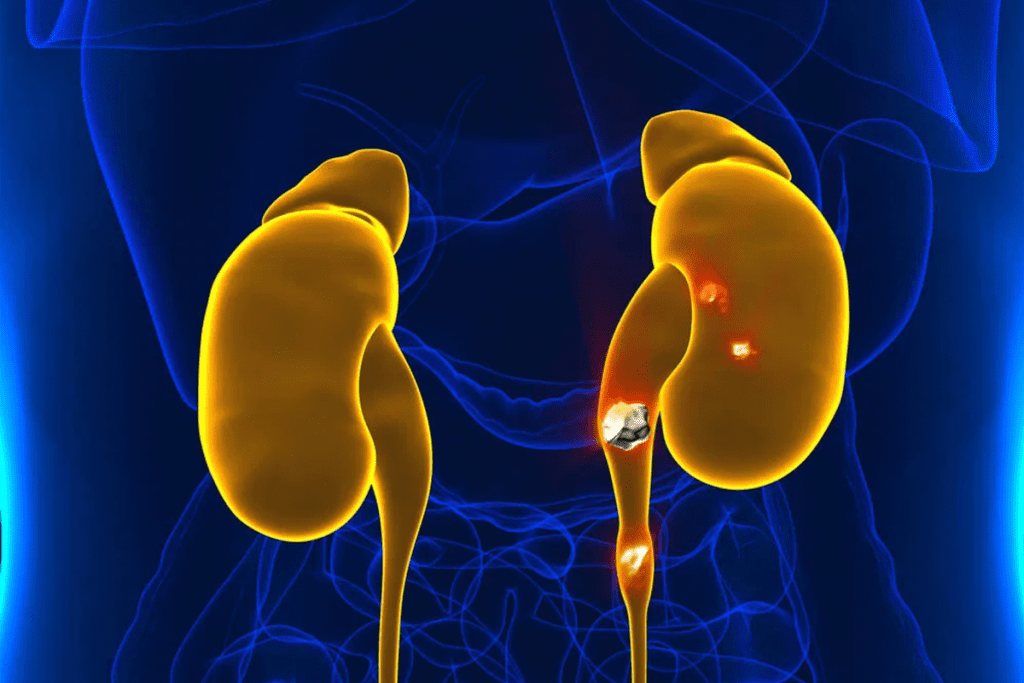
What is Extracorporeal Shock Wave Lithotripsy (ESWL)?
ESWL uses shockwaves to break down kidney stones. It turns them into small pieces that can pass through urine. This method is a big change from the old surgical methods.
“ESWL has been a game-changer in the management of kidney stones,” it says. It means no open surgery, less recovery time, and fewer risks.
How ESWL Works to Break Down Kidney Stones
The ESWL process uses a machine called a lithotripter. It makes shockwaves that hit the stone, breaking it into smaller pieces. This is done while looking at the stone on a screen.
The shockwaves come from outside the body. They hit the stone without harming the body. This works best for stones that are not too big, usually under 2 cm.
The Evolution of ESWL Technology
ESWL technology has gotten better over time. New machines make shockwaves more precise, reducing harm to nearby tissues.
New imaging tools help aim the shockwaves better. This makes ESWL more effective for treating kidney stones.
Studies show ESWL has made fewer people need surgery for kidney stones. This is thanks to the improvement in technology.
Optimal Kidney Stone Sizes for ESWL Success
Kidney stone size is key to ESWL treatment success. The best results come from stones within a certain size range. The success of ESWL also depends on other factors.
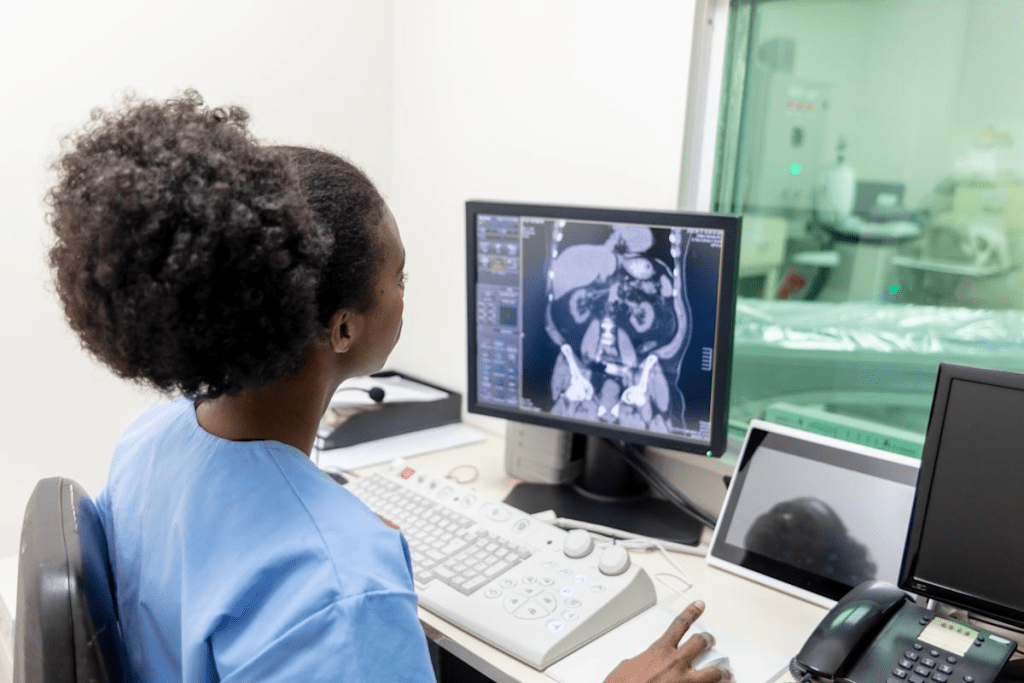
The 10mm Rule: Highest Success Rates
Stones 10mm or less have the best success rates with ESWL. This is because smaller stones are easier to break down. They can then be passed out of the body without trouble.
The stone-free rates for stones under 10mm are much higher. Research shows ESWL can make over 90% of these stones disappear.
Stone-Free Rates for Stones Under 10mm
ESWL works best for stones under 10mm. It can break down these stones into tiny pieces. These pieces are then easily passed out of the body.
- Stones less than 5mm: 95% stone-free rate
- Stones between 5-10mm: 90% stone-free rate
Expected Recovery Time for Small Stones
Recovery time for ESWL on small stones is short. Most people can get back to normal in just a few days after the treatment.
Even though ESWL works well for small stones, other factors can affect the outcome. These include the stone’s composition and where it is located.
The Critical Size Threshold: 10-13mm Stones
The 10-13mm range is a key size for kidney stones treated with ESWL. Stones in this range are considered borderline. The success rates of ESWL start to decline here.
Studies show ESWL works best for stones smaller than 10mm. But, as stones get closer to and pass 10mm, the results are less certain.
The 12.95mm Cut-off Point
A study found a cut-off point around 12.95mm. Beyond this, ESWL success rates drop sharply. This point is key to choosing the right treatment.
For stones under 12.95mm, ESWL is a good option, but success rates vary. Stones over this size might need other treatments or a mix of therapies.
Success Rates for Borderline Stones
Success rates for borderline stones (10-13mm) depend on several factors. These include stone type, location, and patient health. Generally, ESWL success rates are:
- Higher for stones
- Variable for stones between 10-12.95mm
- Lower for stones >12.95mm
Knowing these success rates helps manage patient hopes and make informed treatment choices.
What to Expect with Medium-Sized Stones
For patients with medium-sized stones (10-13mm), talking to a healthcare provider is key. Discuss the possible outcomes of ESWL. Success depends on:
- Stone density and composition
- The stone location in the kidney
- Patient’s health and medical history
Patients should also be told about the chance of needing more ESWL sessions or other treatments. This could include percutaneous nephrolithotomy (PCNL) or ureteroscopy with laser lithotripsy.
In summary, ESWL is a good option for 10-13mm kidney stones. But knowing the critical size and success rates is vital for the best care.
Kidney Stone Composition and Its Impact on ESWL Effectiveness
The type and density of kidney stones play a big role in how well Extracorporeal Shock Wave Lithotripsy (ESWL) works. The makeup of the stones can greatly affect treatment success. Some stones are harder to break down than others.
How Stone Density Affects Treatment Success
Stone density is key to ESWL success. Denser stones are tougher to break down. Studies show that very dense stones might need different treatments, like more intense ESWL or other methods.
A study found that stone density is a big factor in ESWL success. Higher-density stones have lower success rates.
“The density of the stone is a critical factor that influences the outcome of ESWL treatment.”
Calcium Oxalate Monohydrate and Cystine Stones
Calcium oxalate monohydrate and cystine stones are hard to treat with ESWL. They are denser and harder to break down, needing more intense treatments.
Calcium oxalate monohydrate stones are common but hard to break. Cystine stones are less common but also hard to treat with ESWL.
Identifying Stone Composition Before Treatment
Knowing what kind of stones you have before treatment is important. Advanced imaging, like non-contrast CT scans, can help. They give info on stone density and type.
Understanding stone composition helps doctors choose the best treatment. This could be ESWL, percutaneous nephrolithotomy (PCNL), or other options.
Treatment Approaches for Larger Kidney Stones
Treating big kidney stones needs a detailed plan. When stones are over 13mm, ESWL might not work well. So, other treatments are needed.
Multiple ESWL Sessions for Stones >13mm
For big stones, doctors might use ESWL more than once. This method breaks the stone into smaller pieces. These pieces can then pass on their own or be removed easily. It might take more than one session to break down the stone, depending on its size and hardness.
“The success of ESWL for bigger stones depends on the stone’s size, location, and type,” a study says. Dealing with big stones is complex and needs careful planning.
Combination Therapies and Auxiliary Procedures
Doctors might also use other treatments along with ESWL. These can include:
- Ureteral stenting to keep the ureter open
- Pre-ESWL stenting to help pass fragments
- Post-ESWL procedures to remove any leftover pieces
Using these treatments together can make treatment for big stones more effective. It helps patients get better faster.
Potential Complications with Larger Stones
Bigger kidney stones can lead to serious problems. These include:
- Infection
- Blockage
- Damage to the kidney
Quick and effective treatment is key to avoiding these issues. The right treatment depends on the stone, the patient’s health, and the risk of problems.
“Managing big kidney stones needs a deep understanding of treatment options and possible complications.”
” Expert in Urology
In summary, treating big kidney stones needs a custom plan. This might include many ESWL sessions or other treatments. Knowing the risks and picking the best treatment is vital for good results.
Alternative Treatments When Kidney Stones Are Too Large for ESWL
When kidney stones are too big for ESWL, other treatments are needed. For large stones, PCNL and ureteroscopy with laser lithotripsy are good options. Sometimes, open or laparoscopic surgery is needed for complex stones.
Percutaneous Nephrolithotomy (PCNL)
PCNL is a small incision in the back to reach the kidney. It’s great for big stones that ESWL can’t handle. The success rate is high, with stone-free rates from 76% to 90%.
Key benefits of PCNL include:
- High success rate for larger stones
- Minimally invasive with a small incision
- Effective for complex stone configurations
Ureteroscopy with Laser Lithotripsy
Ureteroscopy uses a small scope through the urethra to see the stone. Laser lithotripsy breaks the stone into small pieces. This method works well for stones in the ureter and kidney.
Advantages of ureteroscopy with laser lithotripsy:
- Minimally invasive with no incisions
- High success rate for stones in the ureter and kidney
- Quick recovery time
Open or Laparoscopic Surgery Options
For big or complex stones, open or laparoscopic surgery might be needed. These methods are more invasive but are used for tough cases. They’re for stones causing blockage or infection.
“Surgical intervention is sometimes necessary for the removal of large or complex kidney stones that cannot be managed with less invasive techniques.”
” American Urological Association
These surgeries are more invasive but have better outcomes and quicker recovery times now. The choice between open and laparoscopic surgery depends on the case and patient.
Conclusion: Making Informed Decisions About ESWL Treatment
ESWL treatment is very effective for kidney stones that are 10mm or less. Knowing how stone size and type affect ESWL success is key. This knowledge helps in choosing the right treatment for kidney stones.
For bigger stones, ESWL might not work as well. In such cases, other treatments should be looked into. It’s important for both patients and doctors to understand ESWL’s pros and cons. This helps decide the best treatment plan.
Understanding the factors that influence ESWL success helps in making better choices. This way, patients get the most effective treatment for their needs. It also helps in avoiding complications and improving outcomes.
FAQ
What is Extracorporeal Shock Wave Lithotripsy (ESWL)?
ESWL is a non-invasive treatment. It uses shockwaves to break down kidney stones. These stones then pass out of the body in the urine.
What size kidney stones are suitable for ESWL treatment?
ESWL works best for stones 10mm or less. It has a success rate of up to 99% for these sizes. But, success drops for stones bigger than 10mm.
How does the composition of kidney stones affect ESWL success?
The density and composition of stones matter for ESWL success. Denser or certain types of stones, like calcium oxalate monohydrate or cystine, are harder to break down.
What are the treatment options for larger kidney stones?
For stones over 13mm, treatments may include multiple ESWL sessions or other methods. This can include PCNL, ureteroscopy with laser lithotripsy, or surgery.
How long does it take to recover from ESWL treatment for small kidney stones?
Recovery from small stones is quick. Most people can get back to normal in just a few days.
What are the possible complications with larger kidney stones treated with ESWL?
Bigger stones may lead to more complications. This includes needing more ESWL sessions or other treatments.
What is the critical size threshold for ESWL success?
Stones between 10-13mm are a gray area. Success rates start to drop, with a sharp decline around 12.95mm.
How can I identify the composition of my kidney stones before treatment?
Knowing your stone type before treatment helps plan the best approach. This might involve imaging tests or analyzing previous stone fragments.
What are the alternative treatments for kidney stones that are too large for ESWL?
For large or complex stones, treatments like PCNL, ureteroscopy with laser lithotripsy, or surgery are effective.
Can ESWL be used in combination with other treatments for kidney stones?
Yes, combining ESWL with other treatments can improve stone clearance. This is often needed for larger stones.
What are the signs that I need to seek medical attention for kidney stones?
Seek help if you have severe pain, nausea, vomiting, fever, or trouble passing urine.
How can I prevent kidney stones from forming in the future?
To prevent stones, stay hydrated, eat healthily, and manage any medical conditions that might cause stones.
What medications are available to help manage kidney stones?
Doctors may prescribe pain relievers, alpha-blockers, or medications for conditions like hyperparathyroidism or gout to manage stones.
References
- National Cancer Institute. (2025). SEER cancer stat facts: Bladder cancer. https://seer.cancer.gov/statfacts/html/urinb.html
- American Cancer Society. (2025). Key statistics for bladder cancer. https://www.cancer.org/cancer/types/bladder-cancer/about/key-statistics.html
- Cancer Research UK. (2025). Survival of bladder cancer. https://www.cancerresearchuk.org/about-cancer/bladder-cancer/survival
- National Institute for Health and Care Excellence (NICE). (2023). Bladder cancer: diagnosis and management. https://www.nice.org.uk/guidance/ng234