Last Updated on December 2, 2025 by Bilal Hasdemir
Kidney stones are painful and affect millions of people. Diet plays a big role in preventing kidney stones, with foods high in sodium being a major culprit.
The National Kidney Foundation says 1 in 10 people will get a kidney stone at some point. High sodium can lead to more calcium in urine, which helps stones form. Foods like processed items, canned goods, and cured meats are high in sodium.
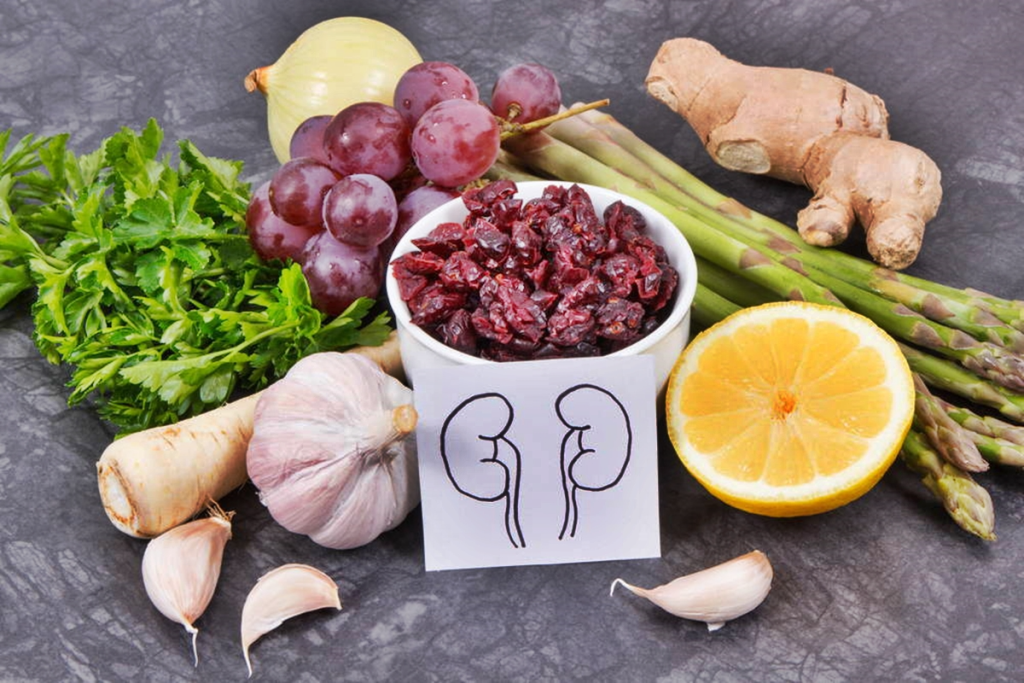
Knowing how sodium affects kidney stone formation is key to avoiding them. By watching what we eat and cutting down on sodium, we can lower our risk of getting these painful stones.
Key Takeaways
- High sodium intake is linked to an increased risk of kidney stone formation.
- Foods high in sodium include processed foods, canned goods, and cured meats.
- Limiting sodium can help prevent kidney stones.
- About 1 in 10 people will experience a kidney stone in their lifetime.
- A balanced diet is key to preventing kidney stones.
The Growing Problem of Kidney Stones in America
America is facing a kidney stone epidemic, with over 3 million cases reported annually. This growing health concern affects a significant portion of the population, causing severe pain and discomfort for those afflicted.
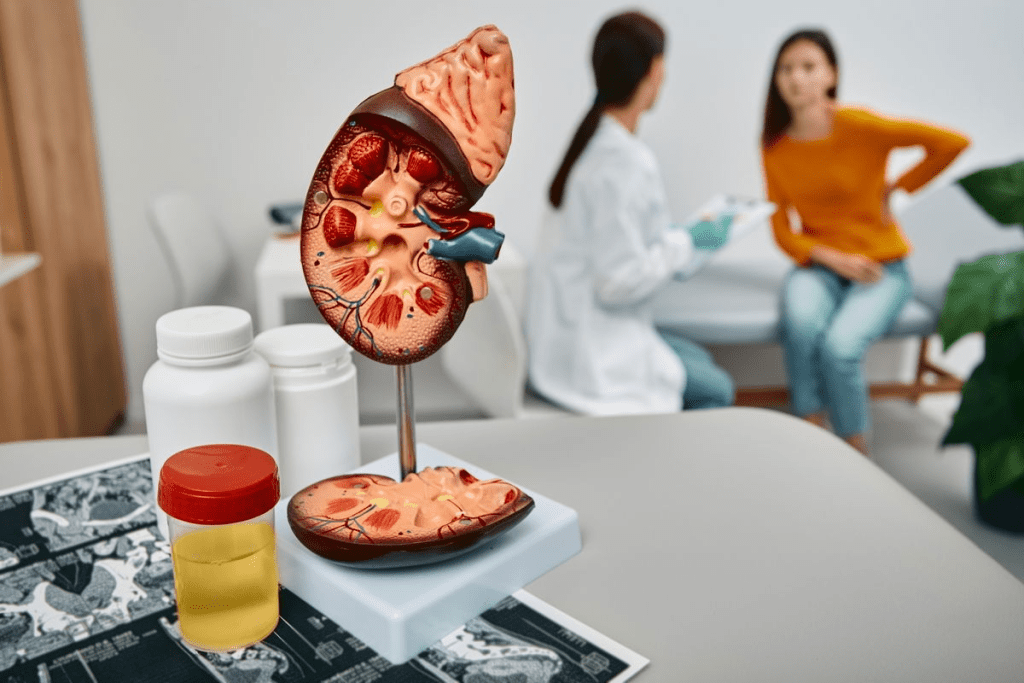
To understand the magnitude of this issue, it’s essential to first comprehend what kidney stones are. Kidney stones are hard objects made of minerals and salts in urine that form inside the kidneys. They can cause severe pain, often accompanied by other kidney stone symptoms such as nausea, vomiting, and difficulty urinating.
What Exactly Are Kidney Stones?
Kidney stones are crystalline deposits that form in the kidneys when there is an imbalance of minerals and salts in the urine. This imbalance can be due to various factors, including dehydration, dietary habits, and genetic predisposition.
The formation of kidney stones can be painful and may lead to complications if not properly managed. Understanding the causes and symptoms of kidney stones is key to prevention and treatment.
Startling Statistics: 1 in 10 Americans Will Develop Kidney Stones
The prevalence of kidney stones is alarming, with statistics indicating that about 1 in 10 Americans will develop kidney stones at some point in their lives. This translates to millions of people seeking medical attention for kidney stones symptoms each year.
As the incidence continues to rise, it’s vital to address the underlying causes and promote preventive measures. By understanding the risks and taking proactive steps, individuals can reduce their likelihood of developing kidney stones.
“The increasing prevalence of kidney stones in the United States is a significant public health concern that requires attention to dietary habits, hydration, and overall lifestyle choices.” “ A Nephrologist
Sodium: The #1 Dietary Culprit Behind Kidney Stone Formation
Too much sodium in our diet is a big reason for kidney stones. These stones are painful and getting more common. We’ll look at how salt affects stone formation and list foods high in sodium to avoid.
How Excessive Salt Consumption Leads to Stone Formation
Too much salt raises calcium levels in urine, a key factor in stones. When we eat too much salt, our kidneys get rid of more calcium in urine. This extra calcium can mix with other stuff to form stones. Lowering sodium intake can cut down the risk of kidney stones.
To grasp this better, let’s see how our body deals with sodium and calcium. Normally, the kidneys filter out waste and keep needed nutrients. But with too much salt, they get rid of more sodium and calcium in urine. This can cause stones, mainly calcium oxalate stones, which are the most common.
Top High-Sodium Foods to Limit or Avoid
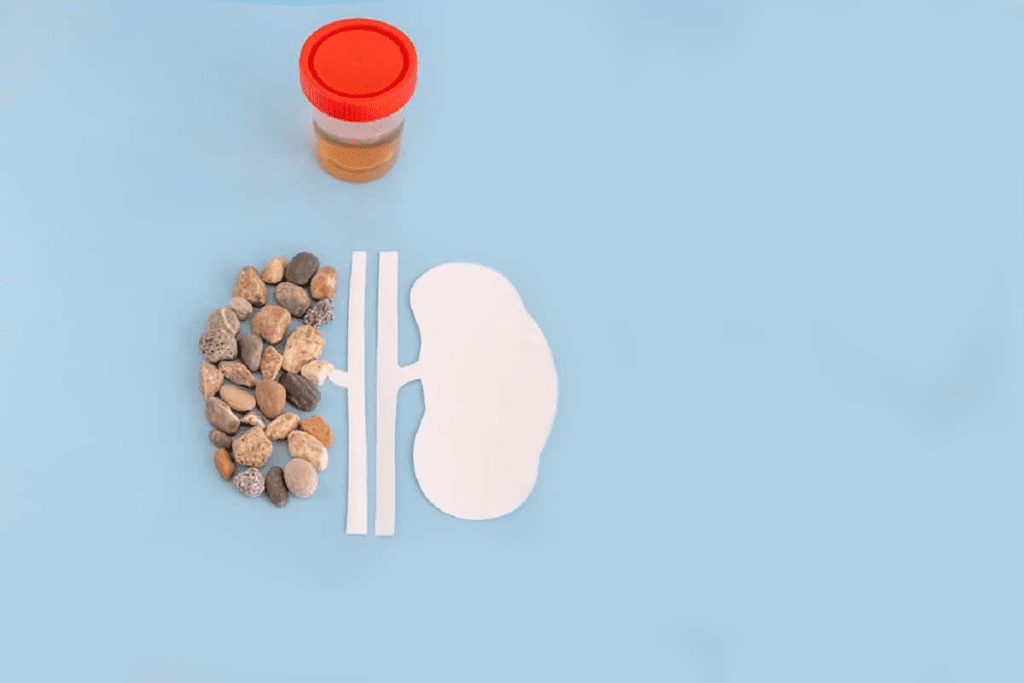
To lower the risk of stones, watch your sodium intake. Here are some high-sodium foods to cut down on:
- Processed meats like bacon, ham, and sausages
- Canned goods, including soups and vegetables
- Restaurant and packaged foods, which often contain hidden salt
- Pickled or salted foods, such as pickles and olives
Knowing these high-sodium foods helps make better food choices. Reading food labels and picking low-sodium options can lower sodium intake.
A senior Doctor said, “A low-sodium diet is not just about cutting salt. It’s about eating healthier for better kidney health.”
“Reducing dietary sodium can help lower the risk of kidney stone formation and contribute to a healthier lifestyle.” notes a Nephrologist.
5 Other Major Food Categories That Increase Kidney Stones Risk
Other foods can also raise the risk of kidney stones, aside from sodium. Knowing these foods is key to making choices that lower this risk.
Animal Proteins: A Significant Contributor
Eating a lot of animal proteins can increase kidney stone risk. This includes meat, poultry, and seafood. These foods can make urine more likely to form stones by raising uric acid and calcium levels.
To lower this risk, balance animal proteins with plant-based options like beans, lentils, and tofu. This can help prevent stones from forming.
High-Oxalate Foods to Monitor
Foods high in oxalate, like spinach and beets, can raise the risk of certain stones. It’s not about cutting them out completely. Just be mindful of how much oxalate you eat.
Also, too much vitamin C can turn into oxalate in your body. So, high vitamin C intake might also up your risk.
Sugar-Sweetened Beverages and Added Sugars
Drinking lots of sugary drinks and eating foods with added sugars can increase stone risk. These can lead to more calcium in your urine, which is bad for stones.
Cutting down on sugary foods and drinks can help manage stone risk. It’s also good for your overall health.
High-Purine Foods and Their Impact
Foods high in purines, like some seafood and organ meats, can raise uric acid levels. This can lead to uric acid stones. Eating less of these foods can help.
It’s important to eat a balanced diet and know the risks of high-purine foods. This can help manage your stone risk.
Dietary Strategies to Prevent Kidney Stones
Eating the right foods can help prevent kidney stones. By choosing the right foods and drinks, you can keep your kidneys healthy.
Hydration: The Most Important Prevention Method
Drinking enough water is key to avoiding kidney stones. Adequate hydration makes urine less concentrated. This lowers the chance of minerals forming stones. We suggest drinking 8-10 glasses of water daily.
The DASH Diet Benefits for Kidney Stone Prevention
The DASH diet (Dietary Approaches to Stop Hypertension) helps with blood pressure and kidney stone prevention. It focuses on fruits, vegetables, whole grains, and lean proteins. These foods help balance nutrients and lower stone risk.
Calcium-Rich Foods: A Surprising Ally
Many think calcium causes kidney stones, but it actually helps prevent them. Calcium-rich foods bind to oxalate in the gut, reducing its absorption. Dairy, leafy greens, and fortified plant-based milk are good sources of calcium.
Citrus Fruits and Their Protective Effects
Citrus fruits like oranges, lemons, and limes are full of citrate. Citrate helps prevent stones by binding to calcium. This makes it less likely to form stones.
Adding these dietary tips to your daily routine can lower your risk of kidney stones. A balanced diet and enough water are essential for kidney health and overall well-being.
Recognizing Kidney Stones Symptoms and Getting Diagnosed
Knowing the signs of kidney stones is key to getting help fast. These stones can cause a lot of pain. It’s important to understand the symptoms to get medical help on time.
Common Warning Signs of Kidney Stones
The symptoms of kidney stones can differ. But, some common signs include:
- Severe pain in the back, side, or lower abdomen
- Nausea and vomiting
- Painful urination
- Blood in the urine
- Fever and chills if an infection is present
These symptoms can be very intense. They may also come and go. It’s important to see a doctor if you notice them.
When Symptoms Require Immediate Medical Attention
Some symptoms can be managed at home. But there are times when you need to see a doctor right away. These include:
- Severe pain that doesn’t subside
- Vomiting that prevents keeping down fluids
- Signs of infection, such as fever and chills
- Blood in the urine or painful urination
If you have any of these symptoms, you should get medical help quickly.
Modern Diagnosis and Treatment Approaches
Doctors use tests like CT scans or ultrasounds to find kidney stones. After finding the stone, treatment depends on its size and where it is.
We use the latest methods to find kidney stones. Treatment can be:
- Hydration and pain management for smaller stones
- Medical expulsion therapy to help pass the stone
- Surgical procedures for larger stones
Conclusion: Building a Kidney-Friendly Diet for Long-Term Health
Adopting a balanced diet can greatly lower the risk of kidney stones. It involves limiting sodium, animal proteins, and foods high in oxalates. This helps keep kidneys healthy for the long term.
A healthy diet is key in preventing kidney stones. The DASH diet, full of fruits, veggies, and whole grains, is very helpful. Drinking plenty of water and eating foods rich in calcium also prevents stones.
It’s not just about avoiding certain foods. A kidney-friendly diet means making choices that support kidney health. Being mindful of what we eat helps prevent kidney stones and keeps us well.
By making these simple diet changes, people can greatly improve their kidney health. This reduces the chance of getting kidney stones again.
FAQ
What causes kidney stones?
Kidney stones can be caused by many things. These include too much sodium, not drinking enough water, and eating a lot of animal proteins, oxalate, and purines. Knowing these causes helps you make better food choices to lower your risk.
How does sodium intake affect kidney stone formation?
Too much sodium can lead to more calcium in your urine. This is a big factor in getting kidney stones. Eating less sodium, like avoiding processed foods and fast food, can help prevent stones.
What are the symptoms of kidney stones?
Signs of kidney stones include sharp pain in your side or back, below your ribs. You might also feel pain in your lower abdomen or groin, nausea, vomiting, and painful urination. Spotting these symptoms early is key to getting help fast.
How can I prevent kidney stones through dietary changes?
To avoid kidney stones, eat a diet that’s good for your kidneys. Drink plenty of water and follow the DASH diet. Also, eat foods rich in calcium and citrus fruits. Avoid foods high in sodium, animal proteins, oxalate, sugar, and purines.
What is the role of hydration in preventing kidney stones?
Drinking enough water is the best way to prevent kidney stones. Water helps dilute your urine, making it less likely for minerals to form stones. Keeping well-hydrated is key to keeping your kidneys healthy and preventing stones.
Are there any specific diets that can help prevent kidney stones?
Yes, the DASH diet is good for preventing kidney stones. It focuses on fruits, vegetables, whole grains, and lean proteins. Also, eating foods rich in calcium and citrus fruits can help protect against stones.
How do animal proteins affect kidney stone risk?
Eating a lot of animal proteins can increase your risk of kidney stones. This is because it raises the levels of uric acid, calcium, and other minerals in your urine. Cutting down on animal proteins can help lower this risk.
What are some high-oxalate foods that I should monitor?
Foods high in oxalate include spinach, beets, rhubarb, and nuts. While they’re good for you, people at risk for kidney stones should watch their intake. This can help prevent stones from forming.
References
- Barghouthy, Y., & Lu, M. C. (2021). Role of citrus fruit juices in prevention of kidney stone disease: A systematic review. Nutrients, 13(11), 4046. https://www.ncbi.nlm.nih.gov/pmc/articles/PMC8625077/