Last Updated on October 31, 2025 by

Severe abdominal pain and swelling can mean you have kidney stones. Many people don’t see the link between kidney stones and stomach pain. Yet, this issue affects millions globally.
Learn why a kidney stones swollen belly (abdominal swelling) can occur and what it indicates about the severity of your stone.
At Liv Hospital, we’re experts in treating kidney stone-related pain. We use the latest methods and care for each patient. Our goal is to help you understand and manage your condition.
Kidney stones are a common problem that can lead to abdominal pain and swelling. It’s important to know how these stones affect your stomach. This knowledge helps in diagnosing and treating the issue.
Key Takeaways
- Kidney stones can cause severe abdominal pain and swelling.
- The condition affects millions worldwide, with men being more prone to it.
- Understanding the connection between kidney stones and abdominal pain is essential for proper diagnosis.
- Liv Hospital offers patient-centered care for diagnosing and treating kidney stone-related abdominal pain.
- Combining cutting-edge protocols with compassionate treatment is our approach to managing the condition.
Understanding Kidney Stones and Their Prevalence
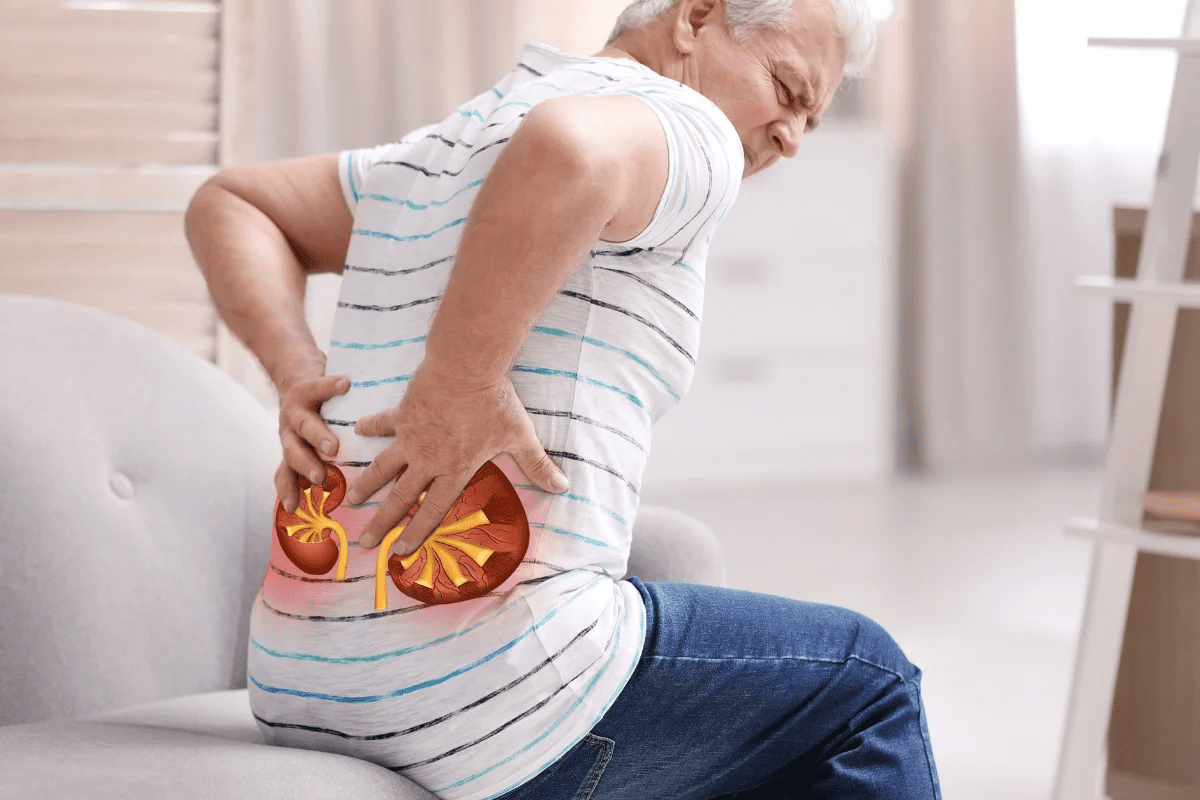
Kidney stones are solid masses that form in the kidneys. They are made from minerals and salts in urine. The most common type is calcium oxalate.
What Are Kidney Stones and How Do They Form?
Kidney stones form when there’s an imbalance in urine substances. This leads to the crystallization of minerals like calcium and oxalate. Dehydration, diet, and genetics play a role in their formation.
Prevalence Rates: Who Gets Kidney Stones?
Kidney stones can affect one or both kidneys. They mostly hit people aged 30 to 60. About seven to eight percent of women and eleven to sixteen percent of men get them. The number of people getting kidney stones is rising.
Risk Factors for Developing Kidney Stones
Several factors increase your chance of getting kidney stones. These include a family history, being overweight, and certain diets. Also, conditions like hyperparathyroidism or urinary tract infections raise the risk. Knowing these factors can help prevent them.
How Kidney Stones Cause Pain in the Abdomen
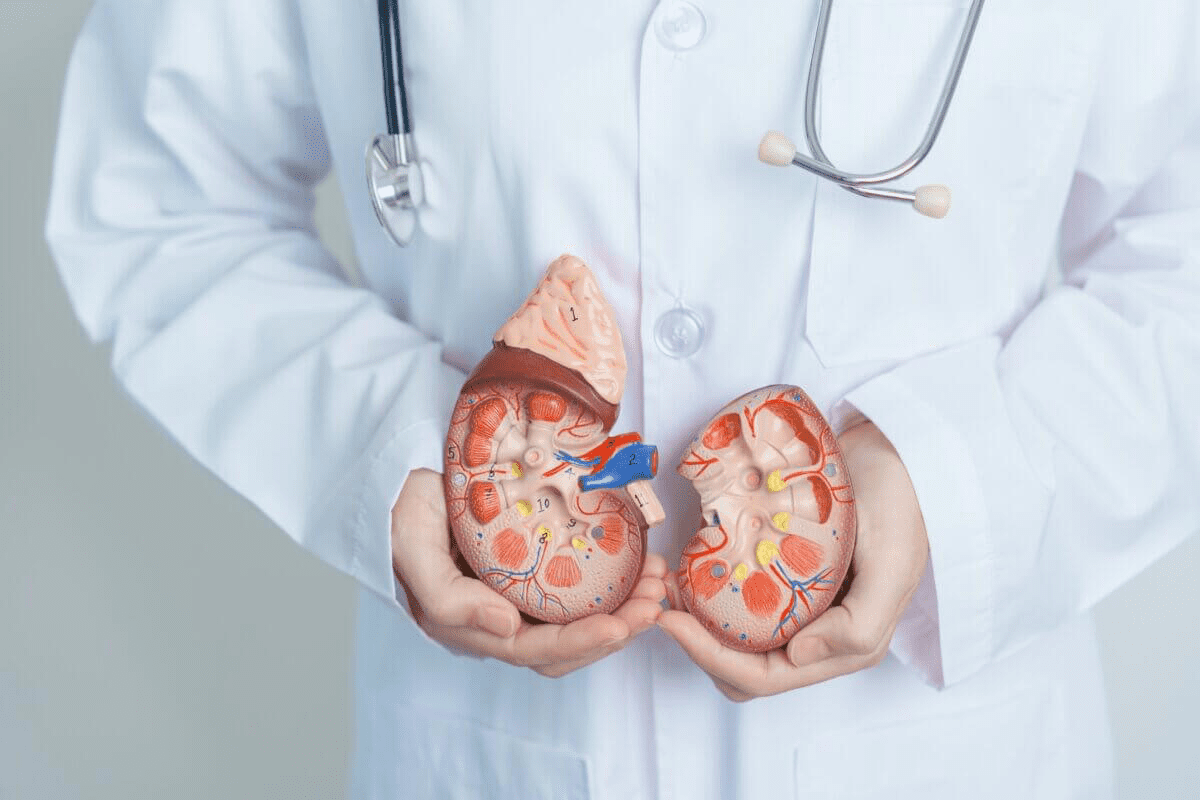
Kidney stones moving through the urinary system cause pain. This pain usually starts in the flank area, between the pelvis and ribs.
When a stone moves into the ureter, it can block urine flow. This blockage can swell the kidney and increase pressure. This can cause discomfort that spreads to the abdomen and groin.
The Journey of a Kidney Stone Through the Urinary Tract
A kidney stone starts in the kidney. As it grows, it moves into the ureter, causing irritation and blockage. This movement can lead to sharp or cramping pain.
“The pain typically begins in the flank area and then radiates around to the abdomen and groin,” explains the complex nature of kidney stone pain.
Blockage of Urine Flow and Its Consequences
When a stone blocks urine flow, it can cause hydronephrosis. This is when the kidney swells with urine. The swelling increases pressure in the kidney, causing pain in the abdomen.
The blockage can also lead to infection if not managed. Obstruction and infection together can make pain worse. It’s important to seek medical attention.
Why Kidney Stones Pain Comes in Waves
Kidney stone pain is often described as coming in waves. This is because the stone’s movement causes intermittent obstruction. This leads to intense pain followed by relief.
“The pain of kidney stones is not constant; it can vary in intensity as the stone moves through the urinary tract.”
This changing pain can make it hard for patients to find relief. It highlights the need for proper diagnosis and treatment.
Kidney Stones Swollen Belly: Mechanisms and Causes
When a kidney stone blocks the urinary tract, it can cause hydronephrosis. This is when the kidney swells. The swelling happens because the kidney can’t stretch, and the pressure irritates the nerves.
Hydronephrosis: When Kidneys Swell Due to Obstruction
A blockage from a kidney stone can cause hydronephrosis. The kidney swells because urine builds up. This can be very uncomfortable and may lead to serious problems if not treated.
The swelling happens because urine flow is blocked. This causes urine to back up into the kidney. The increased pressure makes the kidney swell.
How Kidney Swelling Leads to Abdominal Distension
Kidney swelling from hydronephrosis can make the belly look bigger. As the kidney gets bigger, the belly expands. This can cause discomfort and a feeling of being full.
Abdominal distension is not just about looks. It can be a sign of a serious problem. With kidney stones, the distension is because of the body’s reaction to the blockage.
The Role of Inflammation in Causing Swelling
Inflammation is key in swelling from kidney stones. When a stone blocks the way, it can cause inflammation. This inflammation makes the swelling worse, adding to the pain.
The body’s inflammation response is natural. But with kidney stones, it can cause more problems. Like infections, if not managed right.
It’s important to understand why kidney stones cause swelling. By tackling the root causes like hydronephrosis and inflammation, doctors can help. They can offer treatments to ease symptoms and prevent more issues.
Abdominal Pain from Kidney Stones: Characteristics and Patterns
Knowing how abdominal pain from kidney stones feels is key to getting the right treatment. The pain can be different for everyone. It’s important to understand this to help diagnose and treat the issue.
Location and Radiation of Kidney Stone Pain
The pain from kidney stones can give clues about where the stone is. It usually starts in the back or flank. Then, it moves to the lower abdomen or groin.
This happens because the nerves in the kidneys and ureters connect with those in the belly. This connection helps explain why the pain moves.
Quality of Pain: Sharp, Dull, or Cramping
The pain from kidney stones can feel sharp and severe. This is often when the stone is moving. Some people might feel a dull ache, while others might feel cramping.
The pain can also come in waves. This happens when the ureter tries to push the stone out. It’s like a muscle contraction.
Factors That Worsen or Alleviate the Pain
Many things can make kidney stone pain better or worse. Moving around can make the pain worse. But resting might help a bit.
The size and where the stone is also matter. Knowing this helps manage the pain better.
Factor | Effect on Pain |
Movement | Worsens pain due to increased stone movement |
Rest | May alleviate pain temporarily |
Stone Size | Larger stones tend to cause more severe pain |
Stone Location | Stones in the ureter can cause more pain than those in the kidney |
Understanding the pain from kidney stones helps doctors give better care. If you’re feeling this pain, it’s important to see a doctor. They can find out why and how to help.
Kidney Stones and Stomach Cramps: The Connection
Kidney stones and stomach cramps are linked through shared nerve pathways. This connection can cause pain in the stomach or abdomen, even if the issue is in the kidneys.
Why Kidney Stones Cause Cramping Sensations
Kidney stones cause cramping because they block and irritate the urinary tract. As the stone moves, it can cause severe pain, like cramping. This pain happens when the ureter tries to push the stone out.
The pain can be very strong and might spread to the lower abdomen, groin, or even the genital area. How bad the pain is can depend on the stone’s size and where it is.
Distinguishing Kidney Stone Cramps from Other Abdominal Cramps
Telling kidney stone cramps apart from other abdominal cramps can be hard because they share similar symptoms. But, kidney stone cramps often come with nausea, vomiting, and blood in the urine.
To tell them apart, look at these differences:
Characteristics | Kidney Stone Cramps | Other Abdominal Cramps |
Pain Location | Typically starts in the flank, radiates to the lower abdomen or groin | Varied, often localized to the abdominal area |
Associated Symptoms | Nausea, vomiting, hematuria | May include bloating, gas, or changes in bowel habits |
Pain Intensity | Severe, often described as sharp or cramping | Can range from mild to severe, often cramping or colicky |
The Intermittent Nature of Kidney Stone Pain
Kidney stone pain often comes and goes. This is because the stone moves, causing different levels of blockage and irritation.
Understanding that kidney stone pain can be intermittent is key for diagnosis and treatment. It helps doctors tell it apart from other types of abdominal pain.
Dealing with kidney stones and stomach cramps can be tough. If symptoms don’t get better or get worse, it’s important to see a doctor.
Lower Abdominal Pain: A Common Symptom of Kidney Stones
Lower abdominal pain is a common symptom of kidney stones. It’s important to know why this pain happens and how it affects people differently. We’ll look into why this pain occurs, its different effects on individuals, and what it means for kidney stone movement.
Why Pain Radiates to the Lower Abdomen and Groin
The pain from kidney stones starts in the flank area and spreads to the abdomen and groin. This happens because of nerve connections between the kidneys and these areas. As a stone moves through the urinary tract, it irritates nerves, causing pain in the lower abdomen and groin.
Pain radiation is a complex process involving the nervous system. The nerves that transmit pain signals from the kidneys overlap with those of the lower abdomen and groin. This leads to pain feeling in these areas.
Gender Differences in Lower Abdominal Pain Presentation
Studies have found gender differences in how lower abdominal pain presents in kidney stone cases. Men and women may feel pain differently in terms of pattern and intensity. This can impact how doctors diagnose and treat the condition.
Gender | Common Pain Characteristics |
Male | Radiation to the groin and testicles, often described as severe and sharp |
Female | Radiation to the lower abdomen and pelvis, sometimes accompanied by nausea |
When Lower Abdominal Pain Indicates Stone Movement
Lower abdominal pain can signal kidney stone movement. As a stone moves through the urinary tract, it can cause irritation and blockages, leading to pain. The pain’s characteristics can hint at the stone’s location and size.
It’s key for healthcare providers to understand the link between lower abdominal pain and kidney stone movement. This knowledge helps in diagnosing and managing the condition effectively.
Gastrointestinal Symptoms Associated with Kidney Stones
Kidney stones can cause more than just pain in the urinary tract. They can also affect the stomach and intestines. This makes the symptoms worse and harder to manage.
Nausea and Vomiting: The Neural Connection
Nausea and vomiting are common when you have kidney stones. The pain from the stones can make you feel sick. The nerves in your kidneys and stomach are connected, which can make you feel pain in both places.
The connection between the kidneys and stomach is why some people feel sick even without blockages. This connection is why some people feel stomach pain when they have kidney stones.
Kidney Stones Gas Pain vs. Regular Digestive Gas
Gas pain from kidney stones can feel like regular stomach gas. But the pain from kidney stones is different. It’s because the pain is felt in a different place than where it starts.
Characteristics | Kidney Stones Gas Pain | Regular Digestive Gas |
Location | Often radiates to the lower abdomen and groin | Typically localized to the abdomen |
Intensity | Can be severe and colicky | Usually mild to moderate |
Associated Symptoms | Nausea, vomiting, and urinary symptoms | Bloating, belching, and flatulence |
Impact on Appetite and Digestion
Kidney stones can make it hard to eat and digest food. The pain and discomfort can make you lose your appetite. Nausea and vomiting can also make it hard to get the nutrients you need.
Understanding the gastrointestinal symptoms of kidney stones is key to good care. It helps doctors treat the whole patient, not just the stone.
Diagnosing Kidney Stones When Stomach Pain Is Present
When you have stomach pain, figuring out if it’s from kidney stones is key. Kidney stones can hurt a lot, making it hard to tell if they’re the cause. We’ll look at how doctors diagnose kidney stones, even when stomach pain is a symptom.
Physical Examination and Medical History
The first step is a detailed physical check-up and medical history. Doctors might check for pain in your belly and back. They also look for signs of infection or blockages.
Your medical history is important. It shows if you’re at risk for kidney stones. Things like past stones, family history, and diet are checked.
A thorough medical history is key. It can show why you might get kidney stones. For example, past infections or certain health issues can raise your risk.
Laboratory Tests for Kidney Stone Detection
Lab tests are very important for finding kidney stones. A urine test can spot blood, infection, or crystals that might mean a stone is forming. Blood tests check for health issues that could lead to stones.
A top urologist says, “Knowing what a stone is made of helps doctors treat and prevent future stones.” Knowing the stone’s makeup is key for treatment.
Imaging Studies: CT Scans, Ultrasounds, and X-rays
Imaging tests are vital to find and locate kidney stones. CT scans are the best for spotting stones because they’re very accurate. Ultrasounds are good for seeing stones in the kidneys and are safer because they don’t use radiation.
X-rays can find certain stones but aren’t as good as CT scans. The right test depends on the situation, the patient, and what’s available.
Ruling Out Other Causes of Abdominal Pain
It’s important to make sure the pain isn’t from something else. Like appendicitis or stomach problems. A good check-up, history, and tests help figure out what’s causing the pain.
In short, finding kidney stones when you have stomach pain takes a few steps. It includes a physical check, lab tests, and imaging. Knowing how doctors do this helps them find and treat kidney stones right.
Treatment Options for Kidney Stone Pain and Abdominal Swelling
Dealing with kidney stone pain and swelling is key. We aim to ease your discomfort and fix the problem. Kidney stones can be very painful, and we’re here to help.
Pain Management Medications and Strategies
Managing pain from kidney stones is our top priority. We use various medications and methods to reduce pain. Sometimes, we might need stronger drugs.
Drinking plenty of water is also important. In some cases, we might need to intervene to help you pass the stone.
Medical Interventions for Stone Removal
For many, medical help is needed to remove the stone. Extracorporeal Shock Wave Lithotripsy (ESWL) is a common method. It breaks the stone into smaller pieces for easy passage.
Ureteroscopy is another option. It involves using a small scope to remove the stone through the urethra and bladder.
Surgical Approaches for Larger Stones
For big stones or blockages, surgery might be needed. Percutaneous Nephrolithotomy (PCNL) is a minimally invasive surgery. It involves a small incision in the back to remove the stone from the kidney.
Managing Associated Symptoms Like Nausea and Swelling
Kidney stones can also cause nausea and swelling. We focus on managing these symptoms too. We might suggest anti-nausea drugs and other support to help you feel better.
Preventing Kidney Stones and Related Abdominal Discomfort
To prevent kidney stones, you need to make several changes. These include eating right, drinking plenty of water, taking medicine, and changing your lifestyle. Knowing what kind of stone you might get helps you make the right choices. This way, you can lower your risk of getting kidney stones and feeling bad in your belly.
Dietary Modifications Based on Stone Type
The kind of stone you might get affects what you should eat. If you’re likely to get calcium oxalate stones, eat less spinach, beets, and rhubarb. If you might get uric acid stones, cut down on foods high in purines like organ meats and some seafood.
The Critical Role of Hydration
Drinking enough water is key to stopping kidney stones. Water helps spread out the minerals in your urine, making it harder for stones to form. Aim for eight to ten glasses of water a day. But, how much you need can change based on where you live and how active you are.
Medications for Preventing Stone Formation
At times, doctors might give you medicine to stop stones from forming. Thiazide diuretics can lower calcium in your urine. Potassium citrate helps prevent uric acid stones. Always talk to your doctor about the right medicine and how much to take.
Lifestyle Changes That Reduce Risk
Changing your lifestyle can also help prevent kidney stones. Staying at a healthy weight, eating less salt, and not eating too much animal protein can all help. These changes can make it less likely for stones to form.
Lifestyle Change | Benefit |
Maintaining a healthy weight | Reduces the risk of developing insulin resistance and metabolic syndrome, both of which are associated with an increased risk of kidney stones. |
Limiting sodium intake | Reduces the amount of calcium in the urine, making it less likely for stones to form. |
Avoiding excessive animal protein | Reduces the concentration of uric acid and other substances that can contribute to stone formation. |
When to Seek Emergency Care for Kidney Stone Symptoms
If you’re dealing with kidney stone symptoms, knowing when to get emergency care is key. Kidney stones can cause a lot of pain and other serious issues if not treated right away.
Warning Signs That Require Immediate Medical Attention
Some symptoms mean you need to go to the emergency room right away. These include:
- Severe pain that doesn’t get better with medicine
- Fever over 101.5°F (38.6°C)
- Vomiting or nausea that stops you from drinking fluids
- Blood in your urine or urine that looks cloudy, smells bad, or has pus
- Difficulty urinating or not being able to pee at all
If you’re showing any of these signs, you need to see a doctor fast to avoid bigger problems.
Complications of Untreated Kidney Stones
Not treating kidney stones can lead to serious issues, such as:
Complication | Description |
Infection | Bacteria can infect the urinary tract, potentially leading to sepsis, a life-threatening condition. |
Kidney Damage | Big stones or long blockages can harm the kidney permanently. |
Acute Kidney Injury | Sudden loss of kidney function due to blockage. |
These problems show why it’s so important to get medical help if your symptoms don’t get better or get worse.
What Information to Provide to Healthcare Providers
- When you see a doctor, give them all the details you can. This includes:
- Tell them about your symptoms, when they started, and what makes them better or worse
- Share any past kidney stone or urinary tract problems you’ve had
- Give them a list of the medicines you’re taking
- Tell them about any allergies you have
Sharing this info helps your doctor figure out what’s wrong and how to fix it.
Conclusion
It’s key to understand how kidney stones and abdominal pain are linked. Kidney stones can cause a lot of pain and swelling in the belly. Knowing how to diagnose and treat them is important.
We’ve covered many topics about kidney stones. This includes how common they are, their symptoms, how to diagnose them, and treatment options. Being informed helps people manage their condition better and get the right medical care.
Kidney stones can lead to severe pain in the belly. It’s important to know what causes them to treat them effectively. Taking steps to prevent kidney stones can also help avoid belly pain.
Being aware of the risk factors and taking preventive steps is important. This way, people can lower their chance of getting kidney stones and the pain they cause. If symptoms don’t go away or get worse, it’s important to see a doctor.
FAQ
Does kidney stones cause abdominal pain?
Yes, kidney stones can cause significant abdominal pain. This happens when the stone moves through the urinary tract and blocks urine flow.
Can kidney stones cause stomach cramps?
Yes, kidney stones can cause stomach cramps. This is because of the shared nerve connections between the kidneys and the stomach.
What are the symptoms associated with kidney stones?
Symptoms include abdominal pain, lower abdominal pain, nausea, vomiting, and swelling in the abdomen.
How do kidney stones cause pain in the abdomen?
Kidney stones cause pain as they move through the urinary tract. This movement irritates and obstructs, leading to severe and intermittent pain.
Can kidney stones cause swelling in the abdomen?
Yes, kidney stones can cause swelling in the abdomen. This is due to hydronephrosis, where urine accumulation causes the kidney to swell.
How are kidney stones diagnosed when stomach pain is present?
Diagnosing kidney stones involves a thorough approach. This includes physical exams, medical history, lab tests, and imaging like CT scans or ultrasounds.
What are the treatment options for kidney stone pain and abdominal swelling?
Treatment options include pain medications, medical interventions, and surgery for larger stones.
How can kidney stones be prevented?
Preventing kidney stones requires dietary changes, staying hydrated, and making lifestyle adjustments.
When should I seek emergency care for kidney stone symptoms?
Seek emergency care for severe pain, fever, or difficulty urinating. These are signs of complications.
Can kidney stones cause gastrointestinal symptoms?
Yes, kidney stones can cause nausea, vomiting, and gas pain. This is due to the connection between the kidneys and the stomach.
Why does kidney stone pain radiate to the lower abdomen and groin?
Pain radiates to the lower abdomen and groin due to the stone’s location in the urinary tract and shared nerve connections.
Are there any gender differences in lower abdominal pain presentation due to kidney stones?
Yes, gender differences exist in lower abdominal pain presentation. Pain can manifest differently in men and women.
References
McCullough, A. R. (2005). Sexual dysfunction after radical prostatectomy. International Journal of Impotence Research, 17(S1), S39-S44. https://pmc.ncbi.nlm.nih.gov/articles/PMC1477599/