Last Updated on November 25, 2025 by
Knowing the size of a kidney stone you can pass on your own is key. Stones 4 mm or smaller can usually leave your body naturally in 90% of cases.
Most people can pass stones up to 4“5 mm in size without help. But what if the stone is bigger? New studies show when medical help is needed.
We’ll look at the latest on how often stones pass on their own by size. We’ll also talk about what affects kidney stones. This info helps both patients and doctors choose the right treatment.
Key Takeaways
- The size of a kidney stone that can be passed naturally is typically up to 4“5 mm.
- Stones 4 mm and smaller are expelled naturally in about 90% of cases.
- Larger stones often require medical intervention.
- Understanding the factors that influence stone passage is vital for treatment.
- Recent research provides insights into the tipping point for medical intervention.
Understanding Kidney Stones and Their Formation
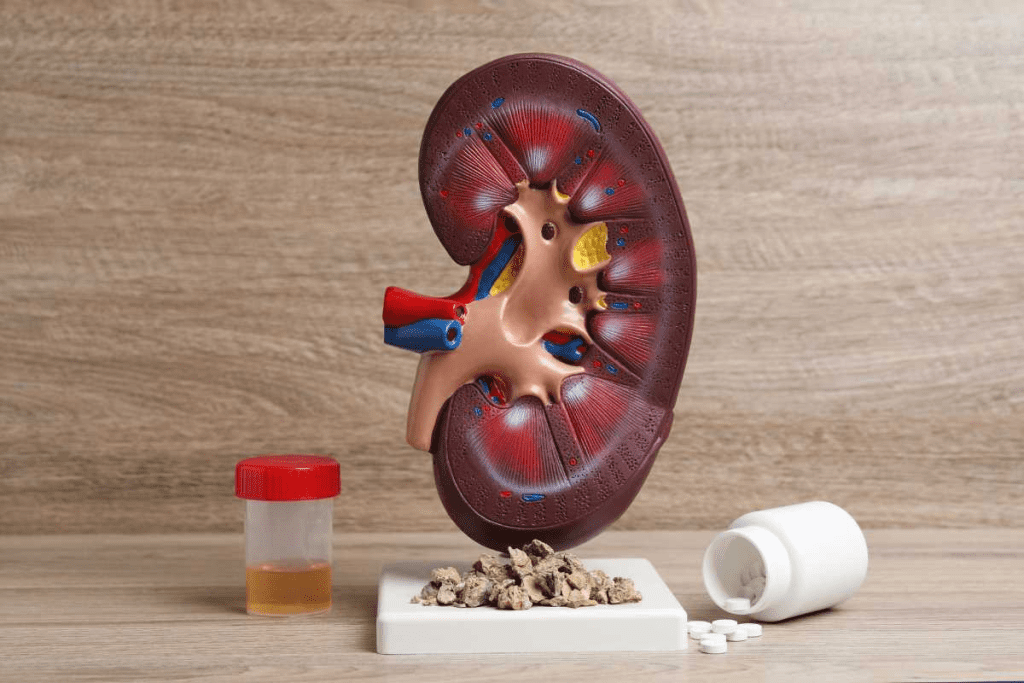
It’s important to know about kidney stones, how they form, and the types that exist. Kidney stones are hard deposits made of minerals and salts. They form inside the kidneys and are influenced by many factors.
What are kidney stones, and how do they form?
Kidney stones form when there’s an imbalance in substances like calcium, oxalate, and uric acid in the urine. This imbalance causes these substances to crystallize and form stones. Dehydration, diet, and certain medical conditions can raise your risk.
The pH level of the urine also plays a role. For example, uric acid stones are more likely in acidic urine. Knowing this helps in preventing and managing kidney stones.
Common types of kidney stones
There are several types of kidney stones, each with its own causes and risk factors. The most common types include:
- Calcium stones: These are the most common type, often caused by excess calcium in the urine.
- Uric acid stones: These form when there is too much uric acid in the urine, often associated with diet and certain medical conditions.
- Struvite stones: These are typically associated with urinary tract infections (UTIs) and can grow quickly.
- Cystine stones: These are rare and usually occur in people with a genetic disorder that causes cystine to leak into the urine.
How kidney stone sizes are measured
The size of a kidney stone is important for treatment. Kidney stone sizes are measured in millimeters (mm). The size determines if a stone can pass naturally or if medical help is needed.
Knowing the size and type of kidney stone helps doctors choose the best treatment. We focus on high-quality, ethical, and advanced care for kidney stone management. We ensure patients get the support and guidance they need during treatment.
The Maximum Size of Kidney Stones That Pass Naturally
We look at how likely it is for kidney stones to pass on their own based on size.
4mm and smaller: High chances of natural passage
Kidney stones under 4mm often pass naturally. Research shows 80% to 90% of these small stones can leave the body without surgery. This is because the body can easily flush out smaller stones.
5-6mm: The borderline cases
Kidney stones between 5-6mm have lower chances of passing naturally. These are borderline cases. About 50% of stones in this range might pass on their own, but the risk of problems grows.
Statistical success rates for different-sized stones
Knowing these success rates is key for both patients and doctors to decide on the best treatment for kidney stones.
When Kidney Stones Require Medical Intervention
Some kidney stones can pass on their own, but others need medical help to avoid problems. The choice to see a doctor depends on the stone’s size and symptoms.
6-7mm Stones: Why Natural Passage Becomes Unlikely
Stones larger than 6mm rarely pass on their own. At this point, medical help is often needed to prevent long-term pain and other issues.
Stones this size can get stuck in the urinary tract. This can cause a lot of pain, infection, or even damage to the kidneys. If you have a stone this size, it’s best to get a medical check-up.
Stones Larger Than 10mm: Why Surgery is Almost Always Necessary
Surgery is often the best option for these stones because of the high risk of serious problems like pain, infection, and kidney damage.
- Severe pain that can’t be controlled with medicine
- Infection or signs of urinary tract blockage
- Kidney damage or risk of kidney failure
Complications of Untreated Large Kidney Stones
These include chronic kidney disease, recurring infections, and severe pain. It’s important to know that untreated kidney stones can be dangerous and may cause long-term health issues.
Some complications of untreated large kidney stones are:
- Kidney damage or loss of kidney function
- Urinary tract infections can spread to other parts of the body
- Blockage of the urinary tract, leading to severe pain and potentially life-threatening complications
Treatment Options for Different-Sized Kidney Stones
Kidney stone treatment changes based on the stone’s size. It can range from simple care to surgery.
Conservative Management Approaches
For small stones, 4mm or less, conservative management is best. This means watching the stone with tests and using pain medicine. Drinking more water helps pass the stone. The National Institute of Diabetes and Digestive and Kidney Diseases says drinking water is key.
Minimally Invasive Procedures
For slightly bigger stones (5-6mm) or if symptoms are bad, minimally invasive procedures are suggested. Shockwave lithotripsy breaks the stone into small pieces. Ureteroscopic lithotripsy uses a small scope and a laser to break the stone.
Advanced Surgical Interventions
For big stones or severe symptoms, advanced surgical interventions are needed. Percutaneous Nephrolithotomy (PCNL) is great for big stones. Sometimes, open or laparoscopic surgery is needed. Our urologists at Liv Hospital use the latest tech for the best results.
Conclusion: Prevention and Management of Kidney Stones
Knowing how to prevent kidney stones is key. If you keep getting kidney stones, see a doctor right away.
At Liv Hospital, we focus on preventing and managing kidney stones. We offer top-notch healthcare and support for international patients.
FAQ
What is the biggest kidney stone that can pass without surgery?
The size of a kidney stone matters. Stones 5mm or smaller often pass on their own. But, stones over 10mm usually need medical help.
What are the common types of kidney stones?
There are four main types of kidney stones. These are calcium oxalate, uric acid, struvite, and cystine stones. Each type has its own causes and risk factors.
How are kidney stone sizes measured?
Doctors use tests like ultrasound or CT scans to measure stone sizes. They measure in millimeters. This helps figure out if the stone can pass on its own.
What are the risk factors for developing kidney stones?
These include not drinking enough water, UTIs, certain health conditions, and a diet rich in animal products and sodium.
What are the symptoms of kidney stones?
Symptoms include sharp pain in the side or back, nausea, vomiting, and trouble urinating. If you have these symptoms, see a doctor right away.
Can kidney stones be prevented?
Drink plenty of water, eat a balanced diet, and manage any health conditions. Your doctor can help you with a prevention plan.
What are the treatment options for kidney stones?
Treatment varies based on the stone’s size and location. Options include watching and waiting, minimally invasive procedures, or surgery. Your doctor will decide the best course of action.
Are kidney stones dangerous?
But big or untreated stones can cause serious problems like infections, kidney damage, or blockages. It’s important to get medical help if you think you have a stone.
What does a kidney stone look like?
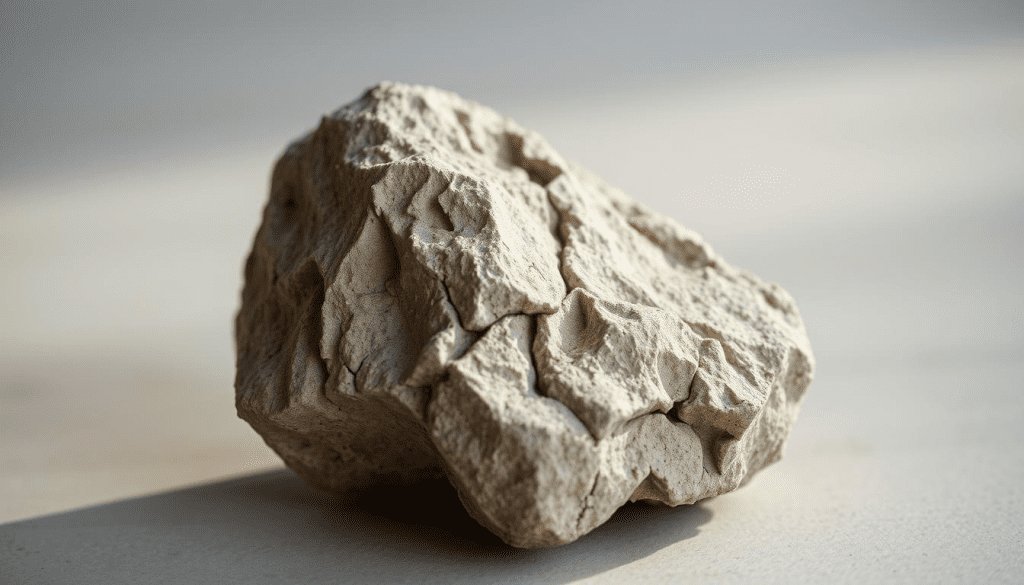
Kidney stones are small, hard mineral deposits. They can be yellow or brown and have a smooth or jagged shape. They often look like tiny crystals.
References
- National Institute of Diabetes and Digestive and Kidney Diseases. (2022). Kidney stones in adults. Retrieved from https://www.niddk.nih.gov/health-information/urologic-diseases/kidney-stones/adults
- Deters, L. A., & Monga, M. (2025). Urolithiasis. In StatPearls. StatPearls Publishing. Retrieved from https://www.ncbi.nlm.nih.gov/books/NBK560887/