Last Updated on December 1, 2025 by Bilal Hasdemir

Millions of people worldwide suffer from chronic knee pain. This is often due to osteoarthritis. Recent studies suggest that stem cell therapy could be a new treatment for this problem.
This new method uses the healing power of stem cells. It aims to fix damaged tissue and lower inflammation. By looking into knee osteoarthritis stem cells, scientists hope to find a better way to handle knee pain.
Key Takeaways
- Stem cell therapy shows promise in treating knee pain caused by osteoarthritis.
- The therapy involves using stem cells to repair damaged tissue and reduce inflammation.
- Research is ongoing to fully understand the benefits and risks.
Understanding Knee Pain and Osteoarthritis
Knee pain can really affect your life, making simple tasks hard. Osteoarthritis is a disease that breaks down cartilage in the knee. This leads to pain and stiffness.
Common Causes of Chronic Knee Pain
Many things can cause chronic knee pain. Osteoarthritis is a big one, breaking down cartilage. Other causes include age, being overweight, past injuries, and genetics.
Over time, the knee joint wears down. This can cause long-term pain and make it hard to move. Finding out why you have knee pain is key to treating it right.
The Progression of Knee Osteoarthritis
Knee osteoarthritis gets worse if not treated. Cartilage wears down, causing pain and stiffness. As it gets worse, bone spurs form and the joint deforms, making pain and stiffness even worse.
Knowing how osteoarthritis progresses helps manage it better. Early treatment can slow it down and improve life quality for those with it.
What Are Stem Cells?
Stem cells play a big role in modern medicine, helping with knee pain and osteoarthritis. They can turn into different cell types, making them useful for treatments.
Stem cells can grow themselves and become specialized cells. This makes them great for fixing damaged tissues, like those in the knee joint with osteoarthritis.
Types of Stem Cells Used in Medical Treatments
There are many types of stem cells used in medicine. These include:
- Embryonic Stem Cells: These come from embryos and can become any cell type.
- Adult Stem Cells: Found in adult bodies, these cells can’t turn into as many types but are useful for treatments.
- Induced Pluripotent Stem Cells (iPSCs): These are adult cells that can be changed to become many cell types.
For knee pain and osteoarthritis, mesenchymal stem cells (MSCs) are key. MSCs can turn into cartilage, bone, and other tissues, making them good for regenerative treatments.
How Stem Cells Function in the Body
Stem cells work by turning into specialized cells to replace or fix damaged tissues. For knee osteoarthritis, they can grow new cartilage and tissues, reducing pain and improving function.
The process involves stem cells going to the damaged area to help repair it. This involves complex interactions with the immune system and other cells.
“The therapeutic power of stem cells comes from their ability to control the immune system, lower inflammation, and help grow new tissues.”
By knowing how stem cells work and the types used in medicine, researchers and doctors can make better treatments for knee pain and osteoarthritis.
Knee Osteoarthritis Stem Cells: The Science Behind Regeneration

Stem cell therapy is a new hope for knee osteoarthritis. It uses the body’s healing powers to fix damaged cartilage. This could mean less pain and better joint movement for those affected.
Cartilage Degeneration in Osteoarthritis
Osteoarthritis makes cartilage in the knee wear down. This causes pain, stiffness, and less mobility. Current treatments mainly help manage symptoms, not fix the cartilage loss.
How Stem Cells Target Knee Joint Damage
Stem cells can turn into different cell types, including cartilage. When in the knee, they might fix damaged cartilage by growing new cells. They do this by releasing factors that help grow new tissue.
Using stem cells for knee osteoarthritis aims to heal by reducing inflammation. It also helps grow new tissue. This makes stem cell therapy a promising option for knee osteoarthritis patients.
Regenerative Potentials for Knee Tissues
Stem cells can help more than just cartilage. They can also heal ligaments and tendons in the knee. This makes stem cell therapy a whole-body approach to treating knee osteoarthritis, aiming for better joint health.
As research grows, the importance of knee osteoarthritis stem cells in regenerative medicine is clear. They have the power to not just ease symptoms but also repair damaged tissues. This is a big step forward in treating knee osteoarthritis.
Types of Stem Cell Therapies for Knee Pain
Stem cell therapies for knee pain are becoming more common. As research grows, different stem cell treatments are being explored for knee osteoarthritis.
Bone Marrow Aspirate Concentrate (BMAC)
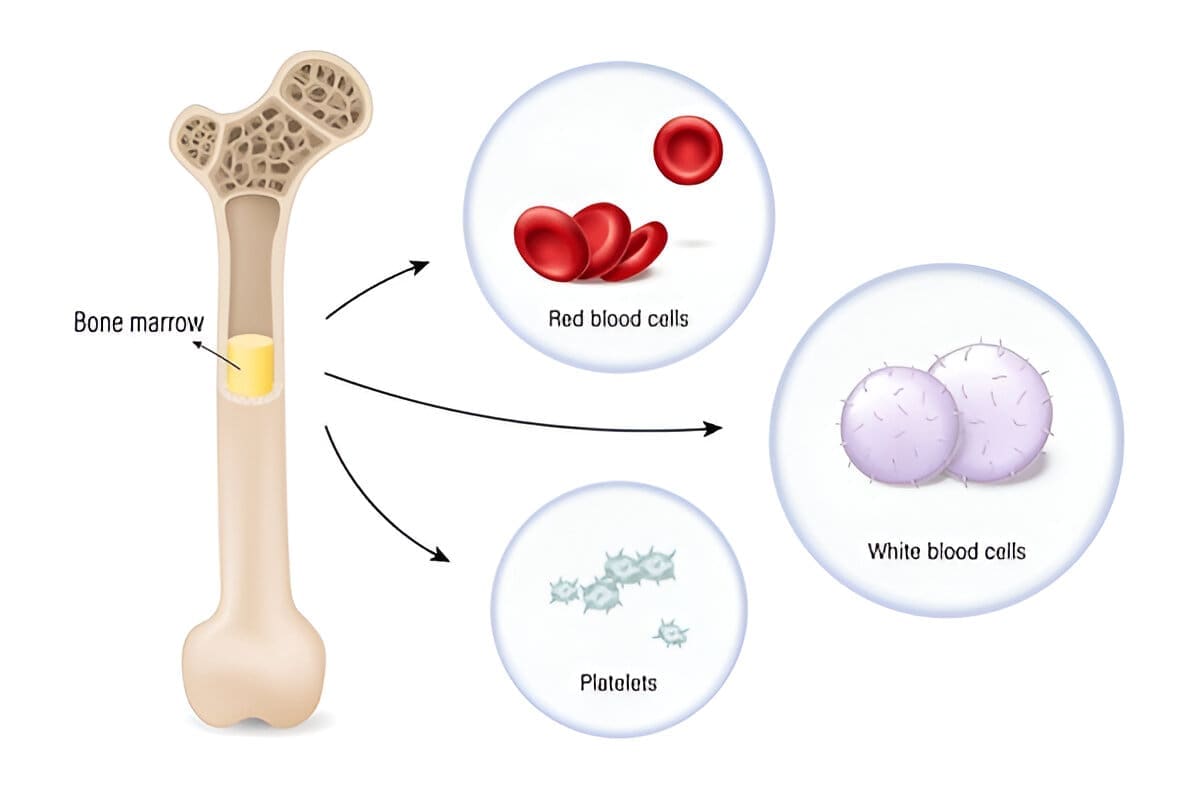
BMAC takes bone marrow from the pelvis. It’s then processed to focus on stem cells. These cells have growth factors and fight inflammation. The solution is injected into the knee to heal and ease pain.
Adipose-Derived Stem Cells
Adipose-derived stem cells come from fat tissue. They can turn into cartilage and bone cells. This therapy is less invasive and may reduce knee joint inflammation and repair tissue.
Umbilical Cord-Derived Stem Cells
These stem cells are from the umbilical cord after birth. They have strong anti-inflammatory and regenerative powers. This therapy is seen as a promising option for knee osteoarthritis, thanks to the availability of stem cells.
Each stem cell therapy has its own benefits and uses. It’s important to talk to a healthcare professional to find the best treatment for knee pain.
The Stem Cell Procedure for Knee Treatment

Thinking about stem cell therapy for your knee? It’s important to know what the procedure involves. This includes preparation, the injection process, and care after the treatment.
Pre-Procedure Preparation
Before starting stem cell therapy, you’ll go through a detailed check-up. This helps doctors see if you’re a good candidate for the treatment. Here’s what you can expect:
- Medical History Review: Your medical history will be reviewed to check for any conditions that might impact the treatment.
- Physical Examination: A physical check of your knee will help doctors understand the damage or wear and tear.
- Imaging Tests: You might have X-rays or MRI scans to get a better look at your knee’s condition.
The Injection Process
The stem cell injection is a key part of the treatment. It includes:
- Harvesting Stem Cells: Stem cells are taken from your bone marrow or fat tissue.
- Processing Stem Cells: The stem cells are then processed to make them ready for injection.
- Injecting Stem Cells: The prepared stem cells are injected into your knee joint, guided by imaging.
Post-Procedure Care
After the injection, you’ll get advice on how to care for yourself. This helps your recovery and treatment success. You might be told to:
- Rest and Rehabilitation: You’ll get tips on rest and exercises to help your knee heal.
- Follow-Up Appointments: You’ll have check-ups to track your progress and answer any questions.
- Activity Modification: You’ll learn how to avoid overusing your treated knee.
Knowing these steps helps you prepare for the stem cell procedure and what to expect during recovery.
Clinical Evidence: Does Stem Cell Therapy Work for Knee Pain?
Clinical trials and studies are giving us insights into stem cell therapy for knee pain. As research grows, more evidence supports its effectiveness.
Recent Research Studies
Recent studies show stem cell therapy might help with knee pain from osteoarthritis. A study in a top medical journal found patients with knee pain got better with stem cell therapy. They felt less pain and could move better than those who didn’t get this treatment.
The focus on mesenchymal stem cells (MSCs) is key. MSCs can turn into different cell types, like those in cartilage and bone. This makes them great for fixing cartilage damage in knee osteoarthritis.
- Improved pain management
- Enhanced functional ability
- Potential for cartilage regeneration
Limitations of Current Evidence
Even though the evidence is promising, there are some big limitations. Many studies have small groups of people. We also need more standard ways to do these trials.
Also, we don’t know much about how well stem cell therapy works over time. It’s also not clear if it’s safe for everyone. So, while the early results look good, we should be careful. Always talk to a doctor before trying this treatment.
MSC Injection for Knee: Comparison with Traditional Treatments
For those with knee osteoarthritis, knowing the treatment options is key. Mesenchymal Stem Cell (MSC) injections are a new hope for knee pain. They might just change how we treat osteoarthritis.
Traditional treatments include corticosteroid and hyaluronic acid injections, and surgery. Each has its own good points and downsides. We’ll look at how MSC injections stack up against these methods.
Stem Cells vs. Corticosteroid Injections
Corticosteroid injections help reduce knee inflammation and pain. But, their benefits don’t last long. MSC injections, on the other hand, aim to heal tissues and offer longer relief.
- Short-term relief: Corticosteroid injections give quick pain relief.
- Long-term benefits: MSC injections might heal tissues for longer.
- Risk of joint damage: Too many corticosteroid injections can harm joints.
Experts say corticosteroid injections give quick relief but don’t fix the problem. MSC injections, though, might regenerate damaged tissues.
Stem Cells vs. Hyaluronic Acid
Hyaluronic acid injections add to the knee’s natural lubricant, aiming to ease pain. But, results vary. MSC injections might offer a more lasting fix by regenerating tissues.
- Hyaluronic acid injections can improve joint lubrication.
- MSC injections might regenerate damaged cartilage.
- Hyaluronic acid’s effectiveness can be hit-or-miss.
A study found MSC therapy might improve knee function more than hyaluronic acid injections alone.
Stem Cells vs. Surgical Interventions
Surgery is often considered when other treatments fail. MSC injections are a less invasive option. They might delay or even prevent surgery in some cases.
- Less invasive: MSC injections are less invasive than surgery.
- Potential to delay surgery: Successful MSC therapy might avoid surgery.
- Variable outcomes: MSC injections’ success varies among people.
An orthopedic expert noted, “MSC injections could be a non-surgical solution for knee osteoarthritis. But, more research is needed to fully grasp their benefits.”
Ideal Candidates for Knee Stem Cell Therapy
Not everyone with knee pain is right for stem cell therapy. It’s important to check if it’s a good fit. The decision depends on the cause of pain, how damaged the joint is, and the patient’s health.
Medical Conditions That Respond Best
Stem cell therapy works well for knee pain from osteoarthritis, when the damage isn’t too bad. People with early to moderate osteoarthritis usually see good results. Those with more severe damage might not get as much benefit.
The therapy is also for those who haven’t gotten better with other treatments. Success depends on the patient’s age, how severe the osteoarthritis is, and any other health issues.
- Patients with mild to moderate knee osteoarthritis
- Individuals who are relatively active and have a healthy lifestyle
- Those who have tried other treatments without significant relief
When Stem Cell Treatment May Not Be Appropriate
Stem cell therapy is not for everyone. It’s not good for severe osteoarthritis, big joint problems, or serious health issues.
- Advanced osteoarthritis with significant joint degeneration
- Presence of infections or inflammatory arthritis
- Significant knee instability or deformity
Before trying stem cell therapy, it’s key to get checked by a doctor. They can see if it’s right for you. This helps find the best treatment for your needs.
The Recovery Process After Stem Cell Knee Treatment
Knowing the recovery timeline is key for those who choose stem cell therapy for knee pain. The recovery phase is vital for treatment success.
Timeline for Improvement
Improvement times vary, but most see changes in a few weeks to months after treatment. The first days might bring some discomfort, swelling, or bruising. These symptoms usually fade with rest and proper care.
- 0-2 weeks: Rest and limited activity to allow the stem cells to begin their regenerative work.
- 2-6 weeks: Gradual improvement in pain and function as the stem cells start to repair damaged tissues.
- 6-12 weeks: Continued improvement with increased mobility and reduced pain.
Recommended Activities and Restrictions
After treatment, rest, rehabilitation, and lifestyle changes are part of the care. Patients should avoid hard work, heavy lifting, or bending for weeks.
Recommended activities include:
- Gentle stretching exercises to maintain flexibility.
- Low-impact aerobic exercises, such as swimming or cycling, to promote circulation without straining the knee.
- Physical therapy to strengthen the muscles around the knee and improve joint stability.
By sticking to these recommendations, patients can improve their recovery and make the stem cell therapy more effective.
Potential Risks and Side Effects of Stem Cell Knee Relief
Stem cell therapy is seen as a hopeful solution for knee pain. Yet, it’s key to know the possible risks. Like any medical treatment, it comes with risks and side effects that patients need to know. This knowledge helps them make better choices about their health.
Common Minor Side Effects
Minor side effects can happen with stem cell knee relief. These include temporary pain or discomfort at the injection site, mild swelling, or redness. These issues usually go away in a few days.
Patients might also see temporary worsening of symptoms before they start to feel better.
Serious Complications and Their Frequency
Though rare, serious complications can include infection, nerve damage, or tumor formation. The chance of these issues depends on the treatment and the doctor’s skill. It’s vital for patients to talk to their healthcare provider about these complications.
This way, they can understand the risks tied to their treatment plan.
Knowing the risks and side effects helps patients decide if stem cell knee relief is right for them.
Cost Considerations for Stem Cell Knee Therapy
When looking into stem cell therapy for knee pain, cost is key. The price can vary a lot, depending on several factors.
The cost for knee osteoarthritis treatment is high. Knowing the average price is important for planning. Several factors contribute to the total cost, including the type of stem cells used, the number of injections required, and the expertise of the healthcare provider.
Average Price Range in the United States
In the United States, stem cell therapy for knee pain costs differ a lot. On average, patients can expect to pay between $2,000 to $5,000 per injection. Some clinics charge more for their expertise and technology. A full treatment plan might need several injections, costing $5,000 to $15,000 or more.
Insurance Coverage Status
Insurance coverage is another big factor. Most insurance providers in the United States do not cover stem cell therapy for knee osteoarthritis. Patients usually have to pay themselves. But, it’s good to check with your insurance, as policies can change.
Knowing the cost and insurance coverage is key for those thinking about stem cell therapy for knee pain. Being informed helps patients make the best choices for their treatment.
Regulatory Status of Stem Cell Treatments in the US
Knowing about the rules for stem cell treatments is key for those thinking about them. These treatments, like for knee pain and osteoarthritis, are getting a lot of attention.
The FDA is in charge of these treatments in the US. They make sure these treatments are safe and work well.
FDA Position on Stem Cell Therapies
The FDA is careful with stem cell treatments. They want to help new ideas but also keep people safe. They have rules for which treatments they watch closely.
Key aspects of FDA regulation include:
- Ensuring that stem cell products are either approved by the FDA or exempt from approval.
- Requiring that stem cell therapies be manufactured in accordance with FDA regulations.
- Monitoring the safety and efficacy of stem cell treatments through clinical trials and post-marketing surveillance.
Approved vs. Investigational Treatments
It’s important to know the difference between approved and investigational treatments. Approved treatments have been tested a lot and are safe and effective.
Investigational stem cell therapies are being studied but not yet approved. Patients should check if the treatment they’re looking at is approved.
Understanding the rules for stem cell treatments helps patients make better choices for their health.
Finding a Qualified Provider for Knee Joint Stem Cells
When you’re looking into stem cell therapy for knee pain, finding a qualified provider is key. The provider’s skills can greatly affect how well the treatment works.
Credentials to Look For
A good provider should have the right credentials and experience with stem cell therapy. They should be board-certified in their field and have a strong background in orthopedic or sports medicine.
Questions to Ask Before Treatment
Before you start stem cell therapy, ask important questions. Find out what kind of stem cells they use, the possible risks and benefits, and how long you’ll need to recover. Knowing this information helps you make a better choice.
The Future of Stem Cells for Osteoarthritis Treatment
Stem cell research is moving forward fast, bringing hope for osteoarthritis treatment. Scientists are excited about the possibilities. The future for treating osteoarthritis looks bright.
Emerging Research Directions
Researchers are working hard to make stem cell therapy better. They’re looking at combining stem cells with platelet-rich plasma (PRP) therapy. This could lead to even better results.
They’re also exploring gene editing technologies. This could help stem cells work better in the body.
Potential Breakthroughs on the Horizon
Big changes could be coming in stem cell therapy for osteoarthritis. We might see off-the-shelf stem cell products soon. This could make treatment easier and more accessible.
Studies are also looking into the safety and effectiveness of repeated injections. This could mean longer-lasting relief for those with osteoarthritis.
Complementary Approaches to Enhance Stem Cell Therapy Outcomes
Complementary methods can greatly improve the results of stem cell therapy for knee osteoarthritis. Adding these strategies to a treatment plan can help patients get the most from stem cell therapy.
Nutritional Considerations
Eating a balanced diet full of important nutrients can help your body heal better and get more from stem cell therapy. Nutrients like omega-3 fatty acids, vitamin D, and antioxidants are key in fighting inflammation and keeping joints healthy. For example, omega-3 fatty acids in fish oil can help lessen knee pain.
It’s also key to avoid foods that can make inflammation worse. Try to eat less processed foods, sugars, and saturated fats to help your body heal and grow stronger.
Physical Therapy and Exercise
Physical therapy and specific exercises are important to make stem cell therapy work better. Doing gentle exercises like yoga, swimming, or cycling can keep your joints moving and your muscles strong without hurting your knee too much.
A physical therapy plan made just for you can help you recover and function better. Physical therapists can teach you how to move right, avoid putting too much stress on your knee, and help it heal.
- Improved joint mobility
- Enhanced muscle strength
- Better overall functional ability
By using stem cell therapy with these other methods, patients can see bigger improvements in their knee health and life quality.
Conclusion: Is Stem Cell Therapy Right for Your Knee Pain?
Stem cell therapy is a new hope for knee pain, mainly for those with osteoarthritis. It uses stem cells to fix damaged knee tissues and reduce pain.
There are different stem cell treatments, like bone marrow and fat cells. The right one depends on your health and how bad the knee damage is.
Stem cell therapy looks promising, but talking to a doctor is key. They can tell if it’s right for you. They’ll check your condition and explain everything you need to know.
Looking into stem cell therapy might mean you don’t need surgery. It’s a gentler way to handle knee pain.
FAQ
What is stem cell therapy for knee pain?
Stem cell therapy for knee pain uses stem cells from bone marrow or fat. These cells help repair damaged tissues in the knee. This can reduce pain and improve how well the knee works.
How do stem cells work to relieve knee osteoarthritis?
Stem cells turn into different types of cells, including cartilage cells. This helps grow new tissue and reduces swelling. This can ease the symptoms of knee osteoarthritis.
What are the different types of stem cell therapies available for knee pain?
There are several types of stem cell therapy for knee pain. These include Bone Marrow Aspirate Concentrate (BMAC), stem cells from fat, and stem cells from umbilical cord. Each type has its own benefits and uses.
Is stem cell therapy for knee pain a surgical procedure?
No, it’s not a surgery. It’s a minimally invasive procedure that involves injections. Some care is needed before and after the treatment.
How long does it take to see results from stem cell knee therapy?
Results can vary, but many see improvements in a few weeks to months. Stem cells continue to support tissue repair over time, gradually improving joint health.
Are there any potentially risks or side effects associated with stem cell knee relief?
Yes, there are risks and side effects, like minor reactions or infection. But serious problems are rare if done by a skilled provider.
How much does stem cell knee therapy cost, and is it covered by insurance?
Costs vary based on location, provider, and treatment. Insurance often doesn’t cover it. Check with your insurance and talk to your doctor about costs.
Can stem cell therapy cure knee osteoarthritis?
It can’t cure knee osteoarthritis, but it can help symptoms and slow the disease. It offers relief and better function for many patients.
What are the benefits of MSC injection for knee compared to traditional treatments?
MSC injection offers a more lasting and regenerative solution. It’s better than traditional treatments like corticosteroids or hyaluronic acid, which may not last long or repair tissue well.
How can I find a qualified provider for knee joint stem cells?
Look for a provider with the right credentials and experience. Check their reputation and ask about their treatment, risks, and expected results.
References
- Anz, A. W., Cucchiarini, M., & Salzmann, G. M. (2021). Stem cell therapy for knee osteoarthritis: A concise review. Journal of Clinical Medicine, 10(11), 2433.