Last Updated on November 4, 2025 by mcelik
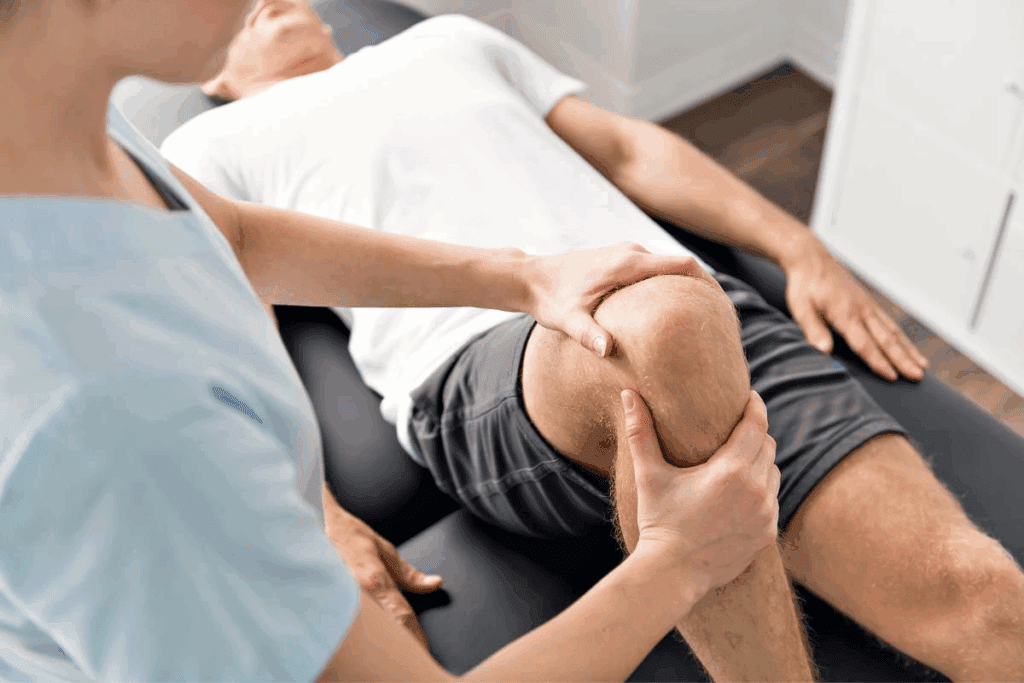
Did you know that chronic knee pain affects millions of people worldwide? It disrupts their sleep and impacts their quality of life. Finding the right sleeping position is key to easing discomfort and improving sleep quality.
We know that managing chronic knee pain needs a full approach. This includes the right sleeping posture. Tools like knee pillows and heating pads can greatly improve comfort.
Exploring the best sleeping positions and techniques can help you reduce knee pain. This can also improve your overall well-being. In this article, we’ll discuss various strategies to manage discomfort during sleep.
Key Takeaways
- Sleeping on your side with a pillow between your knees can help alleviate pressure.
- Using a supportive mattress and pillows can improve sleep quality.
- Avoiding stomach sleeping can reduce strain on your knees.
- Experimenting with different positions can help find the most comfortable sleep posture.
- Utilizing tools like knee pillows and heating pads can enhance comfort.
Understanding Chronic Knee Pain and Sleep

It’s important to understand how chronic knee pain and sleep quality are connected. Chronic knee pain affects many people and can change their lives a lot.
Managing chronic knee pain means looking at how sleep positions affect it. We’ll explore how knee pain impacts sleep and the link between sleep position and pain.
How Knee Pain Affects Sleep Quality
Knee pain can mess up sleep. Persistent knee discomfort makes it hard to find a comfy sleeping spot. This leads to waking up a lot and poor sleep.
Bad sleep because of knee pain can make the pain worse. It starts a cycle of pain and sleep problems. Breaking this cycle is key.
The Relationship Between Sleep Position and Pain
How we sleep can help or hurt knee pain. Some positions put more stress on the knee, while others keep it aligned and comfy.
| Sleep Position | Effect on Knee Pain | Recommendation |
| Back Sleeping | It can be beneficial if proper support is used | Use a pillow under the knees for support |
| Side Sleeping | It can cause strain if not aligned properly | Place a pillow between the knees to maintain alignment |
| Stomach Sleeping | Generally considered to cause strain | Avoid or use a very thin pillow to minimize strain |
Common Causes of Knee Pain at Night
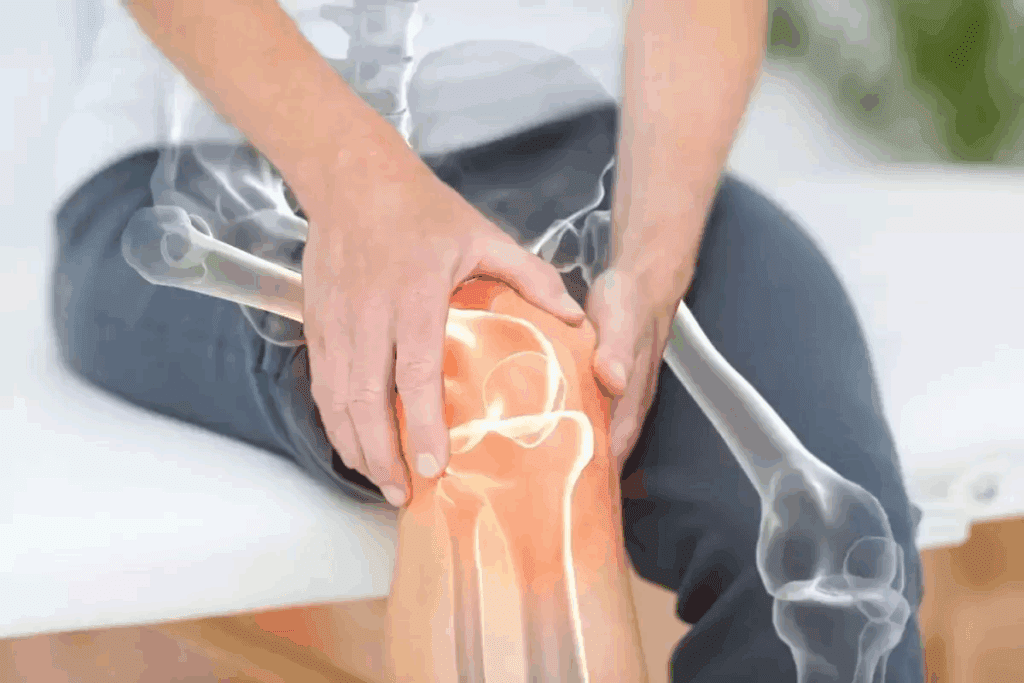
Nighttime knee pain affects millions. Finding out why it happens is crucial for relief. Knee pain can ruin a good night’s sleep. Knowing the causes helps manage them better.
Osteoarthritis and Nighttime Discomfort
Osteoarthritis is a big reason for knee pain at night. It wears down the cartilage, causing bone-on-bone contact. This leads to a lot of discomfort. Treatment for knee bone-on-bone aims to manage symptoms and slow the disease.
Ways to ease osteoarthritis knee pain at night include:
- Maintaining a healthy weight to reduce pressure on the knee joint
- Engaging in gentle exercises to keep the joint mobile
- Using treatment knee pain methods such as heat or cold therapy
Injuries and Structural Issues
Knee injuries, like sprains or tears, can cause pain that gets worse at night. Structural problems, like misalignment or muscle issues, also lead to discomfort.
It is essential for individuals experiencing knee pain due to injuries or structural issues to:
- Get a medical check-up to know the injury’s extent
- Follow a treatment plan, which might include physical therapy or bracing
- Try what to put on the knee for pain relief, like creams or gels
Inflammatory Conditions
Inflammatory conditions, like rheumatoid arthritis or bursitis, can make knee pain worse at night. These conditions cause inflammation in the joint or surrounding tissues. This leads to pain and stiffness.
Managing inflammatory knee pain may involve:
- Medications to reduce inflammation
- Lifestyle changes, such as diet modifications
- Avoiding activities that make the condition worse
The Science Behind Knee Pain Chronic Conditions
Understanding chronic knee pain is key to finding relief. This condition not only affects life quality but also sleep. We’ll look at how chronic inflammation impacts sleep and the cycle of pain and sleeplessness.
How Chronic Inflammation Affects Sleep
Chronic inflammation worsens knee pain, especially at night. It disrupts sleep patterns. Inflammatory cytokines play a big role, causing pain and affecting sleep.
The body responds to inflammation by releasing chemicals that heighten pain sensitivity. This makes it hard to fall or stay asleep. Also, chronic inflammation can cause osteoarthritis, making sleep even harder.
Pain-Sleep Cycle Explained
Pain and sleep are linked in a cycle. Pain can disrupt sleep, and poor sleep can make pain worse. This is tough for those with chronic knee pain, as bad sleep increases pain sensitivity.
- Pain Disrupts Sleep: Chronic knee pain makes it hard to sleep comfortably, leading to many awakenings.
- Sleep Affects Pain Perception: Poor sleep makes pain feel more intense.
- Breaking the Cycle: Knowing this cycle helps break it. By improving both pain and sleep, we can find relief from chronic knee pain.
Understanding chronic knee pain and its effect on sleep helps us cope better. By managing both pain and sleep, we can improve our well-being.
Best Sleeping Position: Back Sleeping for Knee Pain
Sleeping on your back is great for knee pain. It helps ease discomfort and ensures a good night’s sleep.
Benefits of the Supine Position
Sleeping on your back spreads your weight evenly. This reduces pressure on your joints. Keeping your knees bent and supported also helps your knee muscles.
“Sleeping on your back with pillows under the knees opens your lower back joints. It also lessens stress on inflamed tissue,” which is a simple yet effective way to manage knee pain.
To strengthen knee muscles and improve knee health, doing knee exercises to strengthen daily is beneficial. These exercises help stabilize the knee joint and reduce pain.
Proper Pillow Placement for Support
Proper pillow placement is key when sleeping on your back to ease knee pain. A pillow under your knees takes pressure off the joint and keeps your spine aligned. This small change can greatly improve how you feel in the morning.
For more support, consider a contoured knee pillow made for back sleepers. These pillows are designed to support your knees and add comfort at night.
Modifications for Different Knee Conditions
Different knee conditions may need special adjustments to back sleeping. For example, those with osteoarthritis might need extra support under their knees. On the other hand, people with meniscus tears might need to adjust their pillow placement to avoid direct pressure.
It’s important to try different pillow setups and sleeping positions to find what works best for you. Talking to a healthcare professional can give you personalized advice on managing knee pain through sleep.
Side Sleeping Techniques for Knee Pain Relief
Side sleeping can be a good option for those with knee pain. It can help you sleep better and reduce knee discomfort. It also helps keep your spine aligned.
Using Pillows Between Knees
Side sleepers can use pillows between their knees. This keeps the pelvis aligned and reduces stress on the back. It can also lessen pain at the top of the kneecap and make you more comfortable.
Choose a firm pillow that keeps its shape all night. Place it between your knees, not just your ankles. This aligns your hips and pelvis better.
Fetal Position Variations
Some side sleepers like the fetal position. But it might not be best for your knees. To make it better, keep your knees slightly bent and don’t pull them too close to your chest. This can help lessen knee strain.
If you have knee inflammation, a pillow under your knees can help. It slightly raises the area, which can reduce swelling.
Avoiding Common Side Sleeping Mistakes
While side sleeping is good, there are mistakes to avoid. One big one is letting your top leg sag forward. This puts extra stress on your knee. Use a pillow between your knees to keep your legs straight.
Another mistake is bending your knees too much. Try to keep a straight line from hip to knee. This reduces knee strain and helps you sleep better.
Some people also find acupressure for the knee joint helpful. Gently pressing certain points around your knee can ease pain and relax you before sleep.
Is Stomach Sleeping Suitable for Knee Pain Sufferers?
The link between sleep position and knee pain is tricky. Stomach sleeping is a hot topic. Some find it comfy, while others feel more pain.
Potential Risks and Benefits
Stomach sleeping is not usually good for knee pain. It can twist the neck, making the pain worse. Yet, it might help with snoring or sleep apnea. Knowing the pros and cons is key.
Stomach sleeping can mess up the spine’s natural alignment. This can hurt the neck and make knee pain worse. But some people say it makes them feel better or reduces pain.
Modifications to Reduce Strain
If you still want to sleep on your stomach, there are ways to ease the pressure. A thin pillow or no pillow at all can help your neck stay straight.
Also, putting a pillow under your pelvis can ease knee pressure. But you need to try different setups to find what works for you.
To grasp how stomach sleeping affects knee pain, let’s look at some key points:
| Factor | Effect on Knee Pain | Potential Mitigation |
| Spinal Alignment | Can cause unnatural alignment, potentially increasing pain | Use a thin pillow or no pillow |
| Neck Rotation | Can increase neck pain and potentially affect knee pain | Keep your head in a neutral position |
| Knee Pressure | Can put direct pressure on the knees | Place a pillow under the pelvis |
Dealing with chronic knee pain needs a mix of natural remedies and the right sleep position. While stomach sleeping might not be best for knee pain, making smart changes can help ease discomfort.
Optimal Sleeping Positions for Specific Knee Conditions
Different knee conditions need special sleeping positions to ease pain. Knowing the best positions can make sleep better and help treat knee pain.
Positions for Osteoarthritis
Osteoarthritis makes knees hurt more, especially after resting. Sleeping on your back with a pillow under your knees can help. Or, sleeping on your side with a pillow between your knees keeps your joints aligned correctly.
Positions for Meniscus Tears
People with meniscus tears should avoid direct knee pressure. Sleeping on your back with a pillow under your knee is good. If you sleep on your side, a pillow between your knees helps keep your knee stable.
Positions for Post-Surgical Recovery
After knee surgery, keeping your leg up helps reduce swelling. Sleeping on your back with your leg up on a pillow is helpful. Always follow your doctor’s advice on sleeping positions after surgery.
Dealing with knee pain can be tough. Elevating your leg, using pillows, and choosing a comfy sleeping position are key. Always talk to healthcare pros for advice on managing knee pain at night.
Choosing the right sleeping position for your knee issue can greatly improve sleep. Try different positions and use pillows to find what works for you.
Transitioning Between Sleep Positions Safely
People with knee pain face unique challenges when changing sleep positions. They need careful consideration and the right support. It’s crucial to transition safely to avoid worsening the pain and ensure a good night’s sleep.
Using Supportive Aids When Changing Positions
Using supportive aids is a great strategy for managing knee pain. Pillows and cushions can offer the needed support and stability. For example, a pillow between the knees when sleeping on the side helps keep the hips aligned and reduces knee strain.
Also, a contoured knee pillow can provide targeted relief. These pillows are made to support the knee, offering comfort and reducing joint pressure.
Techniques to Minimize Pain During Movement
To lessen pain when changing sleep positions, move slowly and deliberately. Slow movements help the body adjust gradually, lowering the risk of sudden knee strain.
- When turning, try to move the entire body as a unit rather than twisting at the knee.
- Use the arms to help push oneself over when changing positions, thereby reducing the strain on the knee.
- Consider using a sleep wedge or a supportive pillow under the knees to elevate them slightly, which can help reduce pressure.
By using these techniques and supportive aids, people with knee pain can greatly reduce discomfort at night. This leads to better sleep quality and overall well-being.
Supportive Sleep Accessories for Knee Pain
Supportive sleep accessories are key to relief from chronic knee pain. Adding the right accessories to your sleep routine can greatly improve your sleep. It also helps reduce knee pain.
Choosing the Right Knee Pillows
Knee pillows support and align your knees and legs while you sleep. It’s important to pick a pillow that fits your needs. A good pillow can ease knee pain and help you sleep better.
Memory foam knee pillows are great because they mold to your knees. They offer personalized support. Pillows with a contoured shape also help keep your knees aligned, reducing pain.
Mattress Considerations
The mattress is crucial for knee pain relief. A supportive mattress keeps your spine aligned and relieves pressure. Choose a mattress that’s firm enough to support you but soft enough to be comfortable.
A mattress that’s too soft can put too much pressure on your knees. On the other hand, a mattress that’s too firm can be stiff. Medium-firm mattresses are often the best choice because they offer the right balance.
Specialized Knee Braces for Sleep
Specialized knee braces offer extra support and stability for knee pain. These braces are made for sleeping and help keep your knees aligned. When picking a brace, think about how much support you need and the material for comfort.
Knee braces with adjustable straps are very helpful because they fit better. Always talk to a healthcare professional to find the best brace for your needs.
Pre-Sleep Routines to Minimize Knee Pain
A good pre-sleep routine can lessen knee pain and improve sleep. Doing certain activities before bed can cut down on discomfort. This improves how well we sleep.
Gentle Stretches Before Bed
Doing gentle stretches before bed can relax the muscles around the knee. This reduces stiffness and pain. It’s a good idea to do simple knee exercises to strengthen these muscles gently before bed.
- Straight leg raises: Lift your leg straight out in front of you, keeping it straight, and then lower it back down.
- Knee bends: Stand with support and gently bend your knee, straightening it again.
- Hamstring stretches: Sit on the floor with your legs straight out and lean forward to touch your toes.
These stretches can ease tension and get your knee ready for a good night’s sleep.
Heat and Cold Therapy Applications
Heat and cold therapies can both help with knee pain. Heat therapy relaxes muscles and boosts blood flow. Cold therapy cuts down inflammation and dulls pain.
| Therapy Type | Benefits | Application |
| Heat Therapy | Relaxes muscles, increases blood flow | Warm bath, heating pad |
| Cold Therapy | Reduces inflammation, numbs pain | Ice pack, cold compress |
Switching between heat and cold therapy can help manage knee pain. It depends on the cause and how you react.
Relaxation Techniques
Stress and tension can make knee pain worse. Deep breathing, meditation, or guided imagery can lower stress. This helps you sleep better.
Learning how to help stiff knees is not just about physical exercises. It’s also about managing stress and tension. Combining physical and mental relaxation can greatly improve sleep quality.
Adding these pre-sleep routines to our daily lives can reduce knee pain. It also boosts our overall well-being.
Natural Remedies to Complement Proper Sleep Positioning
Natural remedies can help manage knee pain, working well with the right sleep position. Adding these remedies to your daily routine may lessen knee pain and better your sleep.
Anti-Inflammatory Foods and Supplements
Some foods and supplements fight inflammation, which can ease knee pain. Adding these to your diet can offer extra relief when you sleep right.
- Omega-3 fatty acids: Found in fish oil supplements and fatty fish like salmon, these have potent anti-inflammatory effects.
- Turmeric/Curcumin: Known for its anti-inflammatory properties, curcumin can be consumed as a supplement or added to food.
- Ginger: This root has anti-inflammatory compounds called gingerols, which may help reduce pain and inflammation.
- Antioxidant-rich foods: Berries, leafy greens, and other foods high in antioxidants can help reduce overall inflammation in the body.
Always talk to a healthcare professional before starting new supplements. They can check for any risks or interactions with your current medications.
Topical Treatments for Nighttime Relief
Topical treatments can target knee pain, especially at night. Some effective options include:
- Arnica gel or cream: Known for its anti-inflammatory properties, arnica can help reduce pain and swelling.
- CBD topicals: CBD-infused creams or balms may help alleviate pain and inflammation when applied topically.
- Capsaicin cream: Derived from chili peppers, capsaicin can help reduce pain by desensitizing nerve endings.
- Menthol or peppermint-based creams: These can provide a cooling sensation that may help distract from pain and promote relaxation.
When using topical treatments, always follow the product instructions. Start with a small test area to check for any skin sensitivity or allergic reactions.
Strengthening Exercises to Support Better Sleep with Knee Pain
Improving knee stability through targeted exercises is key to better sleep. Strengthening the muscles around the knee can ease pain and improve sleep. We’ll look at exercises that strengthen the knee, focusing on low-impact activities and exercises for the core and hips.
Low-Impact Exercises for Knee Stability
Low-impact exercises are great for those with knee pain as they don’t stress the knee joint much. Some good exercises include:
- Straight leg raises: Lift your leg straight up while lying on your back, keeping it straight.
- Knee extensions: Slowly lift your leg while seated, straightening it out.
- Quad sets: Tighten your quadriceps muscles while seated with your legs straight.
These exercises help strengthen knee muscles without putting too much strain on the knee.
Core and Hip Strengthening for Alignment
Strengthening the core and hip muscles is also key to proper alignment and less knee pain. Exercises such as:
- Planks: Strengthen your core by holding a plank position.
- Bridges: Lift your hips while lying on your back, squeezing your glutes.
- Clamshell exercises: Strengthen your hip muscles by lifting your knees while lying on your side.
These exercises help with better alignment, reducing knee strain, and promoting better sleep.
| Exercise | Benefit | Tips |
| Straight Leg Raises | Strengthens quadriceps | Keep your leg straight and lift slowly |
| Knee Extensions | Improves knee stability | Use slow, controlled movements |
| Planks | Strengthens core | Maintain a straight line from head to heels |
By adding these exercises to your routine, you can significantly improve knee stability and reduce pain. This leads to better sleep. Start slowly and gradually increase the intensity to avoid injury.
Psychological Approaches to Managing Nighttime Knee Pain
Managing nighttime knee pain needs a mix of psychological strategies. Chronic knee pain can really affect your life, especially at night. It can mess with your sleep. We’ll look at how mental techniques can help manage this issue.
Mindfulness and Pain Management
Mindfulness is great for managing chronic knee pain. It helps you stay in the moment and accept pain without judgment. This can lessen your pain. Mindfulness, like meditation and deep breathing, calms your mind and body. It makes it easier to sleep even with pain.
Some key mindfulness strategies include:
- Meditation: Regular meditation can lower how much pain you feel.
- Deep Breathing Exercises: Deep, controlled breathing relaxes your body.
- Body Scan: Lie down or sit comfortably and focus on each body part, starting from your toes and moving up to your head.
Breaking the Pain-Anxiety-Sleeplessness Cycle
The cycle of pain, anxiety, and sleeplessness is tough for those with chronic knee pain. Worrying about pain makes it harder to sleep. It’s important to break this cycle for effective pain management. This involves strategies for chronic knee pain that tackle both physical and mental sides.
Strategies to break this cycle include:
- Relaxation Techniques: Techniques like progressive muscle relaxation can lower anxiety.
- Cognitive Behavioral Therapy (CBT): CBT can change how you see pain and help you cope.
- Establishing a Bedtime Routine: A regular bedtime routine tells your body it’s time to sleep, improving sleep quality.
By adding these psychological methods to your daily life, you can manage nighttime knee pain better. This improves your overall life quality, effectively coping with ongoing knee pain.
When to Seek Medical Help for Nighttime Knee Pain
If you’re dealing with knee pain at night, it’s key to know when to get medical help. Nighttime knee pain can really affect your life. Getting help early can greatly improve your treatment and recovery.
Warning Signs That Require Attention
Some signs mean you should see a doctor for your knee pain. These include:
- Severe pain or swelling
- Sudden inability to move the knee
- Fever or redness around the knee
- Recent trauma or injury to the knee
Treatment Options from Healthcare Providers
Doctors have many treatment options for knee pain. They depend on what’s causing the pain. These options are:
- Medications: Anti-inflammatory drugs or pain relievers.
- Physical Therapy: Exercises to strengthen the muscles around the knee.
- Injections: Corticosteroid injections to reduce inflammation.
- Surgical Options: In some cases, surgery may be necessary to address structural issues.
It’s important to talk to a healthcare provider. They can help find the best treatment for your specific condition.
Conclusion
We know that dealing with knee pain needs a full plan. By using the right sleep position, accessories, and natural fixes, people can ease their knee pain. This also helps them sleep better.
Using the tips we shared, like the best sleep positions and routines before bed, can really help. Things like knee pillows and the right mattress are key in easing knee pain.
Trying out natural remedies, like foods that fight inflammation and creams for the skin, can also help. By using a mix of these methods, people can better handle knee pain and sleep well.
Finally, finding the best mix of sleep tips, accessories, and natural remedies can really help with knee pain. We suggest trying different things to see what works best for you.
FAQ
What is the best sleeping position for knee pain relief?
The best sleeping position for knee pain relief depends on your knee condition. Back sleeping with the right pillow placement is often recommended. Side sleeping with a pillow between your knees is also good.
How can I alleviate knee pain while sleeping on my side?
To ease knee pain on your side, use a pillow between your knees. This keeps your hips aligned and reduces knee pressure. Try different pillows and mattress firmness to find what works best for you.
Is stomach sleeping suitable for individuals with knee pain?
Stomach sleeping can be tough for knee pain, as it bends or twists your knees. If you must sleep on your stomach, use a thin pillow or no pillow. This helps your neck and knees.
What are some natural remedies for knee pain relief at night?
Natural remedies include anti-inflammatory foods and supplements like omega-3 fatty acids and turmeric. Topical treatments like arnica gel or capsaicin cream also help. Gentle stretches and relaxation before bed can ease knee pain.
How can I strengthen my knees to support better sleep?
Strengthen your knees with low-impact exercises like straight leg raises and wall squats. Core and hip exercises also help. They improve alignment and reduce knee pressure.
What are some common causes of chronic knee pain at night?
Chronic knee pain at night often comes from osteoarthritis, injuries, or inflammatory conditions like rheumatoid arthritis. Knowing the cause is key to finding relief.
When should I seek medical help for nighttime knee pain?
Seek medical help for nighttime knee pain if it doesn’t get better or gets worse. Look out for signs like increased redness, swelling, or trouble walking. Your doctor can diagnose and suggest treatments.
What are some supportive sleep accessories that can help alleviate knee pain?
Accessories like knee pillows, specialized knee braces, and adjustable mattresses offer support and comfort. The right ones can greatly improve your sleep.
How can I manage chronic knee pain and improve my sleep quality?
Manage chronic knee pain with proper sleep positioning, supportive accessories, and natural remedies. These strategies, along with medical help when needed, can help you sleep better.
What are some psychological approaches to managing nighttime knee pain?
Psychological methods like mindfulness and pain management can help with knee pain at night. Techniques like deep breathing and cognitive-behavioral therapy can break the pain cycle.
References
- National Institutes of Health, National Center for Complementary and Integrative Health. (2022). Sleep disorders and their impact on health.https://www.nccih.nih.gov/health/sleep-disorders