

Last Updated on October 31, 2025 by

Knee injuries are common in sports, making up nearly 20% of all injuries. Some cases might show a serious problem. It’s important to know the warning signs to avoid lasting harm.
Many people are not sure if their knee pain symptoms need urgent care. A red flag in medical terms means a symptom that could be serious or even life-threatening.
In knee pain, a red flag might be severe knee pain, swelling, or feeling unstable. Spotting these signs is key to getting medical help fast.

Knee pain can come from injuries, too much use, or health issues. It’s a big problem that affects many people, from athletes to the elderly. It can happen from sudden injuries, long-term wear and tear, or health problems. Knowing why knee pain happens is key to finding the right treatment.
Knee pain can be caused by several things. These include:
These reasons can cause pain that’s just annoying or so bad it stops you from doing everyday things.
Not all knee pain is serious. But it’s important to know when it’s a sign of something more. Pain that’s severe, keeps coming back, or gets worse is a red flag. So is swelling, feeling like the knee is going to buckle, or having other symptoms like fever.
Spotting these signs early can help you get help fast. This might stop the problem from getting worse.
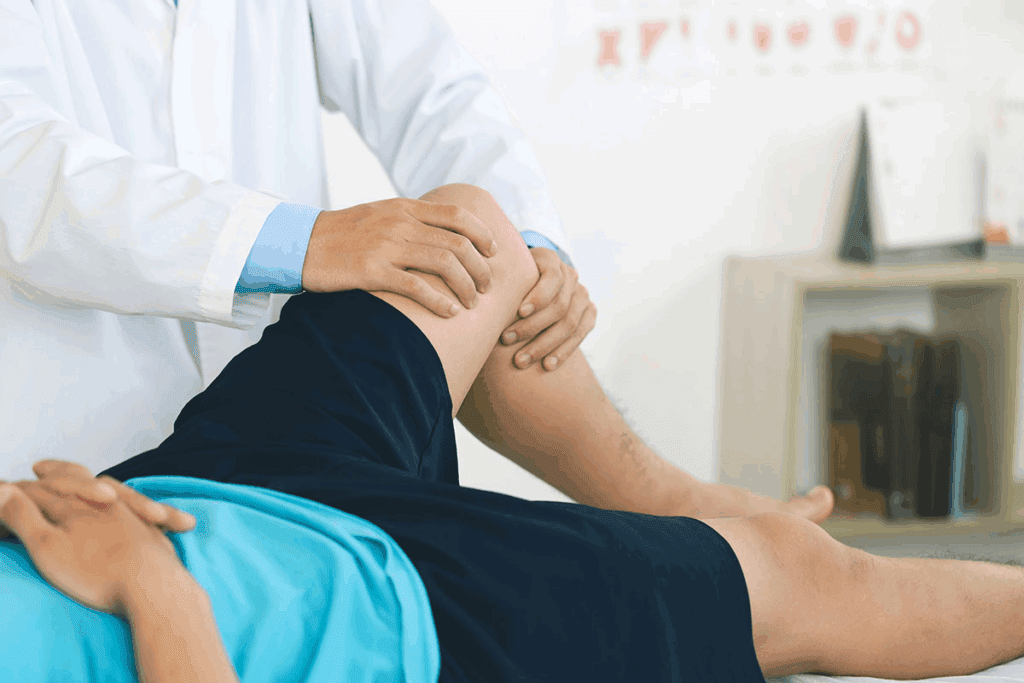
Red flags in knee pain are warning signs of serious conditions. It’s important to spot them early for timely medical help.
Red flag symptoms in knee pain show serious issues that need quick medical attention. These include severe pain, swelling, instability, or fever.
Severe pain that’s sudden, intense, or lasts a long time is a red flag. Also, swelling that grows fast or is warm and red around the knee is a warning sign.
Ignoring red flag symptoms can cause serious harm, like permanent damage or disability. For example, a bad infection or fracture can get worse if not treated right away.
It’s key to get medical help when you see red flag signs. This can lead to early diagnosis and treatment. It helps avoid long-term damage and improves health outcomes.
Knowing what a red flag symptom is and why it matters helps you make smart health choices. It ensures you get the right medical care when you need it.
Severe knee pain is a clear warning that something is wrong and needs quick attention. It can make simple tasks hard. Knowing when pain is a red flag is key.
Severe knee pain is intense and lasts a long time. It’s not just a bad day; it affects your daily life. Pain that is sharp, stabbing, or throbbing and doesn’t go away with rest is a big concern.
The table below shows the difference between normal and severe knee pain:
| Characteristics | Normal Knee Pain | Severe Knee Pain |
| Intensity | Mild to moderate | Severe, sharp, stabbing |
| Duration | Temporary, resolves with rest | Persistent, lasts over time |
| Impact on Daily Life | Minimal impact | Significant impact, interferes with daily activities |
Experiencing pain that wakes you at night is a significant warning sign, indicating that the pain is not solely due to daily activities and may require further medical evaluation.
Knee pain that doesn’t get better with rest or over-the-counter meds is a warning. This suggests a more complex issue that needs a doctor’s check-up. A thorough medical assessment is needed to find the cause and the right treatment.
Knowing these signs can help you know when to seek medical help. If your knee pain is severe and affects your daily life, or doesn’t get better with treatment, see a doctor.
Looking out for swelling and inflammation in knee pain is key. These signs can show how serious the issue is. Swelling and inflammation happen when our body reacts to injury or infection. But some signs can mean there’s a bigger problem.
Swelling that comes on fast after an injury or without reason is a warning sign. It might mean a big injury, like a fracture or severe sprain, or an inflammatory condition. It’s important to see a doctor right away to figure out what’s wrong and how to fix it.
Some swelling is normal after a knee injury. But, if it keeps going or doesn’t get better with rest, it’s a worry. This could mean a chronic disease or infection. We should watch it closely and get medical help if it doesn’t get better.
Warmth and redness around the knee, with swelling, can mean inflammation or infection. These signs might point to serious conditions like septic arthritis. Seeing these signs means you need to get medical help fast to avoid serious problems.
Knowing these warning signs helps us take care of our knee health. By spotting serious issues early, we can get the right treatment sooner.
Knee health is important, and instability and mechanical symptoms are warning signs. These symptoms can make it hard to move and affect your quality. They often point to serious issues that need a doctor’s check-up.
Knee buckling is when the knee suddenly collapses. This can happen due to weak ligaments, a torn meniscus, or other knee problems.
Common causes include:
Seeing your knee buckle often is a sign of a problem. A knee pain specialist should check it out.
Locking or catching in the knee means something is stuck. This can be due to a torn meniscus, loose bodies, or other mechanical problems.
“The presence of mechanical symptoms like locking or catching can indicate a serious condition that may require surgical intervention.”
| Symptom | Possible Causes | Potential Treatment |
| Locking or Catching | Meniscal tears, Loose bodies | Arthroscopic surgery, Physical therapy |
| Giving Way | Ligament injuries, Meniscal damage | Physical therapy, Bracing, Surgery |
| Inability to Bear Weight | Fractures, Severe ligament injuries | Immobilization, Surgery, Rehabilitation |
Not being able to put weight on your knee is a big warning sign. It could mean a fracture, severe ligament injury, or other serious problems. You need to see a doctor right away to figure out what’s wrong and how to fix it.
As shown in the table, different symptoms can mean different things and need different treatments. Always talk to a healthcare provider for the right diagnosis and treatment plan.
Knee pain with visible deformity and structural concerns is a big warning sign. These changes can mean serious issues that need quick attention. They can lead to more problems if not treated right away.
An obvious misalignment of the knee is a serious sign. It might come from injury, infection, or other problems. Seeing a doctor right away if your knee looks off is very important.
Changes in the knee, like swelling or redness, can mean trouble. These signs can come from injury, infection, or inflammation. Watching these signs and getting medical help when needed is key for the right diagnosis and treatment.
Sometimes, you can see bone or joint problems. These might include bumps or irregular shapes. Such issues can be linked to osteoarthritis, fractures, or other bone and joint problems. A healthcare professional should check any visible problems to find the cause and the right treatment.
It’s important to know about visible deformity and structural concerns in knee pain. Being aware of these signs and getting medical help when needed can help. This can lead to better outcomes and less risk of long-term damage.
Knee pain with systemic symptoms can signal serious health issues. These symptoms might not just be about the knee. They could point to a bigger health problem.
Fever and chills with knee pain often mean an infection or inflammation. For example, septic arthritis can cause these symptoms. If you have them, get medical help right away.
Weight loss without a reason and knee pain might mean a serious issue. Some cancers can cause both symptoms. We should take these signs seriously and find out why they’re happening.
Fatigue and feeling unwell with knee pain can point to many conditions. These symptoms can be linked to arthritis, infections, or chronic diseases. It’s important to see these symptoms as part of a bigger health issue.
When knee pain comes with systemic symptoms, we need to look closely at what’s causing it. The table below shows some possible causes and their symptoms:
| Systemic Symptom | Potential Causes | Associated Symptoms |
| Fever and Chills | Septic Arthritis, Infection | Knee pain, swelling, redness |
| Unexplained Weight Loss | Cancer, Chronic Inflammatory Diseases | Knee pain, loss of appetite, fatigue |
| Fatigue and Malaise | Inflammatory Arthritis, Chronic Diseases | Knee pain, stiffness, general feeling of illness |
It’s key to understand the systemic symptoms with knee pain for proper diagnosis and treatment. We must watch for these signs and get medical help when needed.
Knee injuries from trauma can have lasting effects. It’s key to spot warning signs for quick medical help.
After a knee injury, look out for these signs to see a doctor:
“These symptoms mean you might have a serious issue that needs quick treatment.” Not getting help can cause chronic pain or mobility issues.
Big injuries from car crashes or falls can hurt the knee badly. They need fast medical checks because of risks like:
Even if the injury looks minor, there could be hidden damage. A detailed check-up is needed to find out how bad it is and how to fix it.
Knee surgery is usually safe, but problems can happen. These include infections, blood clots, and bad reactions to anesthesia. Spotting these issues early is key to managing them well.
Watch for these signs after knee surgery:
If you notice these signs, call your doctor right away. Quick action can help a lot and prevent lasting harm.
It’s important to know the red flags for knee pain at different ages. Knee pain can happen to anyone, and knowing the age-specific signs is key to the right treatment.
Knee pain in kids is a big worry because their bones and muscles are growing. Look out for severe pain, swelling, or deformity around the knee. Also, if there’s fever with knee pain or a history of injury, it’s a red flag.
These signs might mean serious issues like juvenile idiopathic arthritis or osteosarcoma. They need quick doctor visits.
Adults with knee pain should watch for signs of serious problems. Look out for pain that gets worse, knee instability, or feeling like the knee is locking. Also, significant injuries are red flags.
These symptoms might point to ligament sprains, meniscal tears, or other knee problems.
Knee pain in older adults often comes from osteoarthritis. But some red flags need quick action. Look for sudden severe pain, swelling, fever, or trouble walking.
These could mean acute injuries, infections, or inflammatory diseases that need fast medical help.
| Age Group | Common Red Flags | Potential Conditions |
| Pediatric | Severe pain, swelling, fever, trauma | Juvenile idiopathic arthritis, osteosarcoma |
| Adults | Persistent pain, instability, and locking sensations | Ligament sprains, meniscal tears |
| Elderly | Sudden severe pain, swelling, fever, difficulty walking | Osteoarthritis, acute injuries, and infections |
Knee pain with certain red flags might mean serious conditions need quick medical help. Red flags are warning signs that something serious might be happening. Knowing these signs can save lives.
“The presence of red flags should never be ignored, as they can signal potentially life-threatening or disabling conditions,” emphasizes the importance of prompt medical evaluation.
Fractures and dislocations are serious injuries that cause a lot of knee pain. A fracture is when a bone in the knee breaks. A dislocation is when the bones in the knee are out of place. These injuries often happen from big falls or car accidents.
They can also cause swelling, bruising, and trouble moving the knee. These symptoms are important to watch for.
Septic arthritis is a painful infection in a joint, usually caused by bacteria. It can cause serious damage if not treated quickly. Symptoms include intense pain, swelling, redness, and warmth around the joint, as well as fever.
“Early diagnosis and treatment of septic arthritis are critical to prevent joint destruction and other complications.” – An orthopedic specialist
Osteomyelitis is an infection of the bone, usually caused by bacteria. It can happen from an injury or through the bloodstream. Symptoms include pain, swelling, and redness in the affected area, as well as fever and chills.
Osteomyelitis is hard to diagnose and needs careful medical evaluation and treatment.
Malignancy, or cancer, around the knee is rare but can cause knee pain. Tumors can start in the bone or spread to the bone from other parts of the body. Symptoms include persistent pain, swelling, or a palpable mass.
While rare, it’s important to think about cancer in knee pain if other red flags are present.
Knowing about serious conditions behind red flags in knee pain is key to quick diagnosis and treatment. If you’re experiencing these symptoms, getting medical help right away is vital.
Diagnosing knee pain involves several steps, mainly when red flags are present. We use a detailed strategy to check these symptoms. This ensures we find the cause quickly and accurately.
A detailed physical check is the first step for diagnosing knee pain with red flags. We examine the knee’s movement, stability, and look for swelling or deformity. This helps us find the cause and decide on more tests.
Imaging studies are key in finding the cause of knee pain, with red flags. We use different imaging methods to see the knee’s structure clearly.
Common Imaging Studies Include:
Laboratory tests are vital for diagnosing systemic conditions or infections causing knee pain. We test blood and joint fluid to find underlying issues.
Laboratory tests may include:
By combining physical examination, imaging, and lab tests, we can accurately diagnose knee pain. Then, we create a treatment plan.
It’s important to know when knee pain is serious. Sometimes, knee pain can be a sign of a serious problem. We’ll tell you when to go to the emergency room, the difference between urgent care and emergency services, and what to tell your doctor.
Certain symptoms with knee pain mean you need emergency care right away. These include:
Knowing when to go to urgent care or the emergency room is key. Urgent care is for non-life-threatening issues like minor injuries or infections. Emergency rooms handle serious cases, severe injuries, or life-threatening conditions.
| Condition | Urgent Care | Emergency Room |
| Mild to moderate knee pain | Yes | No |
| Severe knee pain or swelling | No | Yes |
| Inability to bear weight | No | Yes |
| Systemic symptoms (fever, chills) | No | Yes |
When you see a doctor for knee pain, tell them everything. Describe:
Sharing all this info helps your doctor diagnose and treat you right.
Treating serious knee conditions requires a mix of medical care, surgery, and physical therapy. Each patient’s needs are different, so we create a treatment plan just for them.
Medical treatments are key in managing knee problems. These include:
These treatments are often used together to give the best care.
Surgery might be needed for serious knee issues. Options include:
We look at surgery when other treatments don’t work well enough.
Rehab is a big part of getting better from knee problems. A good rehab plan might include:
Rehab helps patients get back to doing things they love and live better.
By mixing medical care, surgery, and rehab, we can make a strong treatment plan for knee issues. It’s important for patients to work with their doctors to find the best treatment.
Experiencing pain that wakes you at night is a significant warning sign, indicating that the pain is not solely due to daily activities and may require further medical evaluation.
Spotting these signs early can really help your treatment. If you notice any of these symptoms, it’s important to get checked out. This way, you can find out what’s causing the pain and how to fix it.
Acting fast can stop serious problems and help you heal faster. We urge everyone to take care of their knee health. If you’re worried about your symptoms, talk to a doctor. They can help you feel better and stay healthy.
Red flags for knee pain include severe pain, swelling, and instability. Also, visible deformity, fever, chills, and traumatic injury are warning signs. If you notice any of these, get medical help right away.
Normal knee pain might be mild and occasional. But concerning pain is severe, swollen, or unstable. It also interferes with your daily life. Look out for red flags like fever, chills, or visible deformity. If you see these, seek medical help.
Knee pain can come from injuries, overuse, or medical conditions. Osteoarthritis and rheumatoid arthritis are common causes. These conditions can lead to pain and discomfort.
Go to the emergency room for severe pain, swelling, or instability. Also, seek help for systemic symptoms like fever and chills. Traumatic injuries or complications after surgery are emergencies, too.
Doctors use physical exams, X-rays, MRIs, and blood tests to check for red flags. These tests help find the cause of your knee pain.
Serious knee conditions need medical care, like pain management and antibiotics. Surgery, like arthroscopy or joint replacement, might be needed. Physical therapy is also important for recovery.
To avoid knee pain, stay healthy and exercise regularly. Use proper techniques when exercising or playing sports. Wearing knee pads or braces can also help.
Red flags vary by age. Kids might have developmental dysplasia or juvenile arthritis. Adults can face osteoarthritis or meniscal tears. Elderly people might have osteoporotic fractures or degenerative joint disease.
Yes, knee pain can signal serious issues like septic arthritis, osteomyelitis, or cancer. Look out for fever, chills, or unexplained weight loss. If you notice these, get medical help fast.
Managing knee pain requires a plan. This includes pain management, lifestyle changes, and medical treatments. Talk to your doctor to create a treatment plan that works for you.
