Last Updated on November 4, 2025 by mcelik
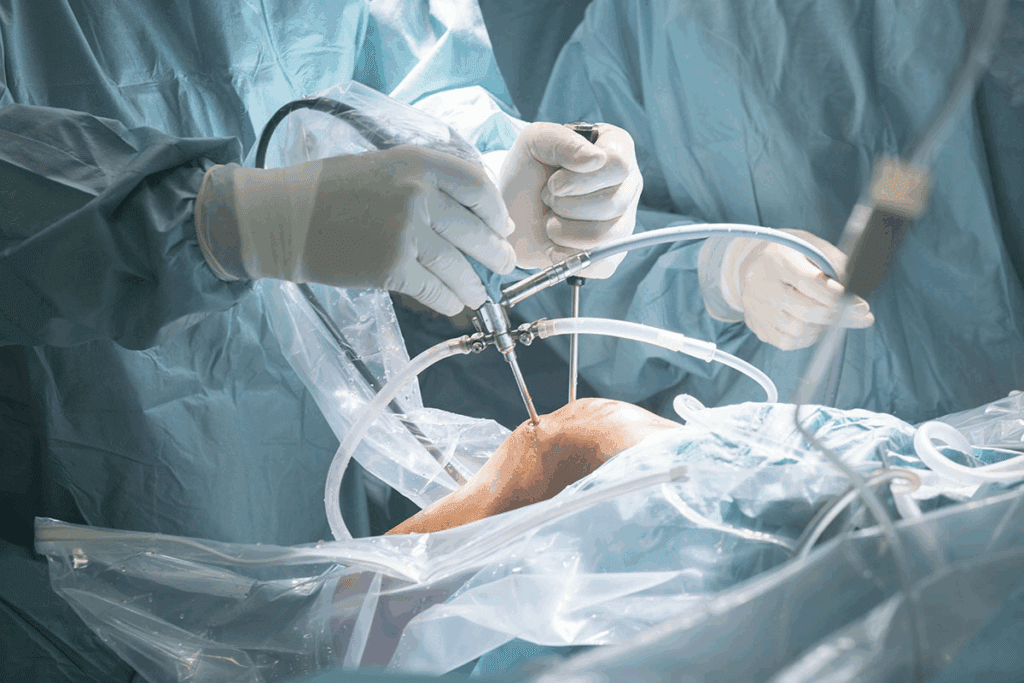
Nearly 1 million Americans have knee replacement surgery each year. This raises a big question: will it hurt? The thought of surgery and a key joint like the kne can be scary.
Learning about post-surgery pain and how to manage it can help ease worries. New surgical methods and pain control plans help patients feel better during recovery.
Key Takeaways
- Understanding the sources of pain after knee replacement surgery.
- Effective strategies for managing post-surgery pain.
- The role of modern surgical techniques in reducing recovery discomfort.
- What to expect during the recovery process.
- Tips for a smoother, less painful recovery.
Understanding Knee Replacement Surgery
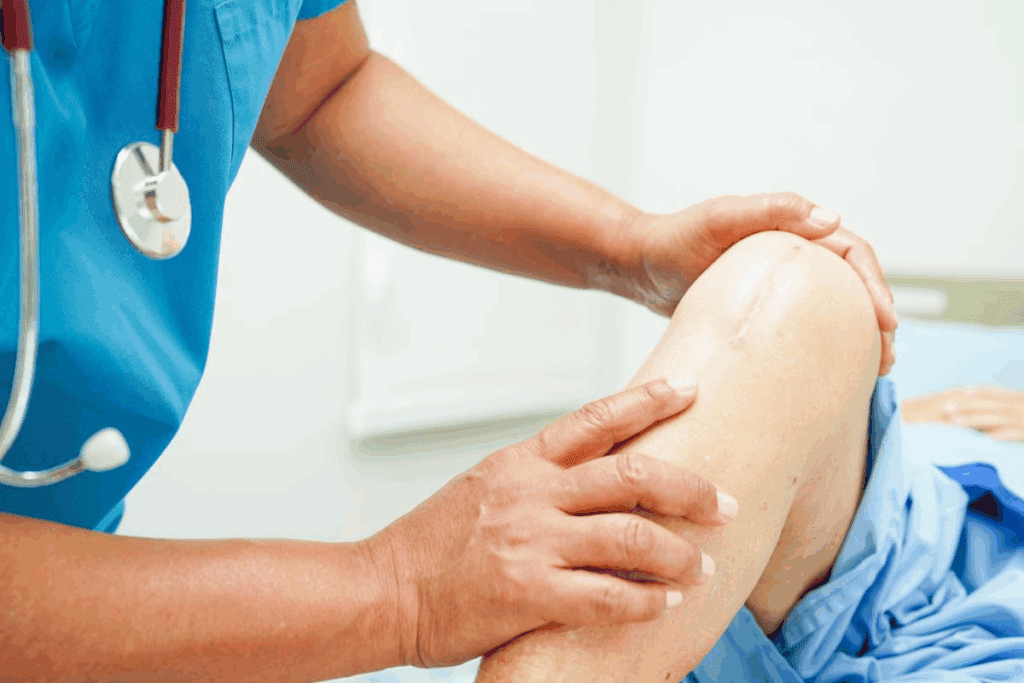
Total knee arthroplasty, or knee replacement surgery, is a way to ease knee pain. It involves swapping out the damaged or arthritic knee joint with artificial parts. This helps restore function and cuts down on pain.
What Is Total Knee Arthroplasty
Total knee arthroplasty is a surgery to fix severe knee pain from damage or arthritis. It replaces the knee joint with a prosthetic implant. This method not only reduces pain but also boosts knee function.
The surgery includes several steps:
- Removing the damaged or arthritic joint surfaces
- Swapping them with artificial parts made of metal and plastic
- In some cases, resurfacing the kneecap (patella)
Common Reasons for Knee Replacement
There are several reasons for knee replacement surgery:
- Osteoarthritis: The top cause, causing joint cartilage to wear down.
- Rheumatoid Arthritis: An autoimmune disease that inflames and damages joints.
- Post-Traumatic Arthritis: Arthritis from a severe knee injury.
- Other Conditions: Like avascular necrosis and certain deformities.
Types of Knee Replacement Procedures
There are various knee replacement procedures:
- Total Knee Replacement: Replacing the whole knee joint.
- Partial Knee Replacement: Fixing only the damaged part of the knee.
- Revision Knee Replacement: Fixing a previous knee replacement surgery.
Knowing about these options helps patients choose the best treatment for them.
Pain Expectations Before Surgery
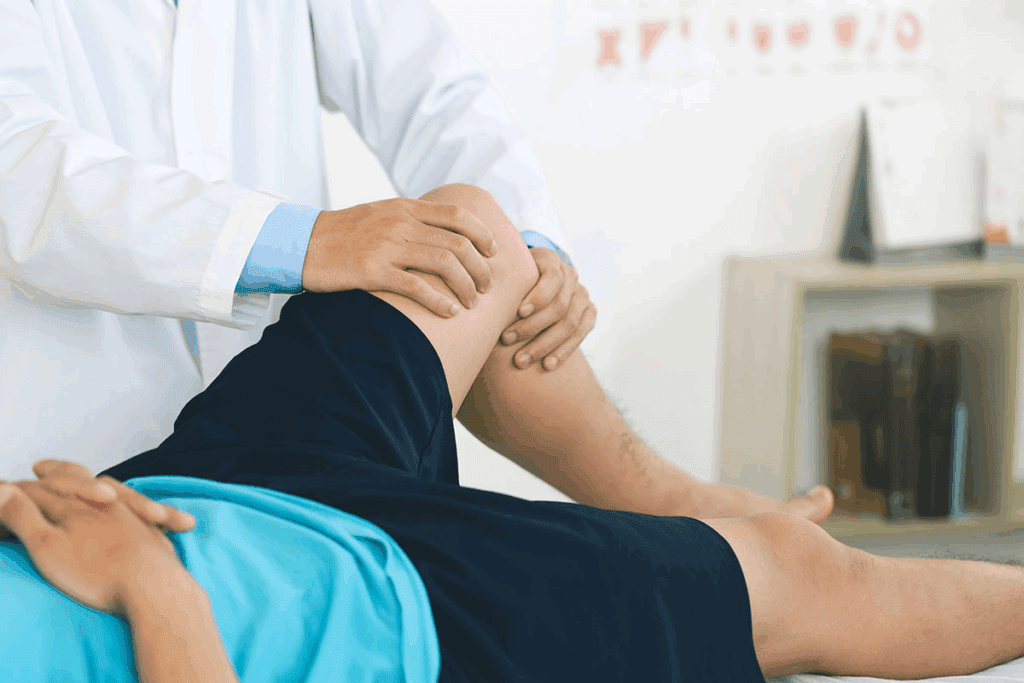
Knee replacement surgery can greatly reduce chronic pain. But, it’s important to know what pain to expect before the surgery. The pain level can vary based on the patient’s condition. Knowing this helps ensure a good outcome from the surgery.
Pre-existing Arthritis Pain
Many patients with knee replacement surgery have long-term arthritis pain. This pain can really affect their daily life and happiness. Symptoms include:
- Pain when moving
- Stiffness, mainly after resting
- Swelling and inflammation around the knee
It’s key to understand this pain to manage expectations and prepare for surgery.
Mental Preparation for Surgery
Mental readiness is a big part of getting ready for surgery. Mentally prepared patients tend to do better and recover faster. Ways to prepare mentally include:
- Counseling or therapy to tackle anxiety or fear
- Education about what to expect during surgery
- Support groups to connect with others who’ve gone through it
By focusing on mental preparation, patients can lower their stress and have a better surgery experience.
Setting Realistic Pain Expectations
It’s important to have realistic pain expectations for a good recovery. Some pain after surgery is normal, but it’s usually well-managed. Key points to remember are:
- The pain after surgery might be different from what you’re used to.
- There are plans to manage pain effectively.
- Rehabilitation is key to recovery and might be a bit uncomfortable.
Understanding these points helps patients set realistic goals and confidently go through their recovery.
Immediate Post-Surgical Knee Replacement Pain
The first 24-48 hours after knee replacement surgery are critical. They are key to managing pain and recovery. Patients feel acute pain from the surgery and tissue manipulation.
Acute Pain in the First 24-48 Hours
Acute pain after knee replacement surgery is normal. It’s most intense in the first 24-48 hours. Effective pain management is vital for comfort and early movement. Early movement is important for a good recovery.
Hospital Pain Management Protocols
Hospitals have set pain management plans. These plans use pharmacological and non-pharmacological interventions. The goal is to reduce pain and lower opioid use.
| Pain Management Method | Description | Benefits |
| Multimodal Analgesia | Using a combination of pain medications (e.g., NSAIDs, acetaminophen, opioids) | Effective pain control with potentially lower opioid doses |
| Regional Anesthesia | Numbing the surgical area with local anesthetics | Reduces pain in the immediate post-surgical period |
| Non-Pharmacological Techniques | Methods such as ice therapy, elevation, and compression | Reduces swelling and discomfort without medication |
Normal vs. Concerning Pain Levels
It’s important to know the difference between normal and concerning pain. Some pain is expected, but severe, uncontrolled pain or pain with fever, redness, or swelling could mean complications.
Patients should watch their pain levels and talk to their healthcare providers if they have concerns. Good communication is key to managing pain and ensuring a smooth recovery.
Types of Knee Replacement Pain You May Experience
Knowing about the different kinds of pain after knee replacement surgery helps set expectations and makes recovery easier. Patients may feel various types of discomfort as their body heals. Each type is linked to specific parts of the surgery and the healing process.
Incision and Surgical Site Pain
Right after surgery, pain from the incision and surgical site is common. This pain comes from the body’s reaction to the surgery. How much pain you feel can vary, based on the incision size and your pain threshold.
Managing incision pain often means using medicine and taking care of the wound. Doctors usually give pain meds to help. It’s important to stick to the treatment plan to keep the pain under control.
Muscle Soreness and Joint Stiffness
Muscle soreness around the knee is another common pain after surgery. This happens because the muscles were moved or stretched during the operation. The knee joint might also feel stiff due to the surgery and the time it spends immobile.
A well-known orthopedic surgeon says, “Gentle exercises and physical therapy are key in the early recovery to reduce muscle soreness and improve joint mobility.”
“The key to minimizing stiffness is early mobilization and adherence to a structured physical therapy program.”
Nerve Pain and Sensations
Some people might feel nerve pain or odd sensations around the knee, like numbness or tingling. These feelings can come from the surgery affecting the nerves near the knee.
Dealing with nerve pain can be tough, but there are treatments like neuromodulating medications or nerve blocks. A healthcare provider can help decide the best option.
Inflammation and Swelling Discomfort
Inflammation and swelling are normal after surgery and can be quite uncomfortable. To reduce swelling and pain, try elevating your leg, using ice, and wearing compression bandages.
| Type of Pain | Causes | Management Strategies |
| Incision and Surgical Site Pain | Surgical trauma | Pain medication, proper wound care |
| Muscle Soreness and Joint Stiffness | Muscle manipulation, immobilization | Gentle exercises, physical therapy |
| Nerve Pain and Sensations | Nerve disturbance during surgery | Neuromodulating medications, nerve blocks |
| Inflammation and Swelling Discomfort | Natural response to surgery | Elevation, ice, compression |
Pain Management Strategies in the Hospital
Managing pain well is key in hospitals after knee surgery. A full plan helps patients get the best care as they heal.
Medication Options
Medicine is a big part of controlling pain after knee surgery. Hospitals use a mix of medicines to help with pain. This mix aims to reduce side effects.
- Opioids: Strong pain relievers used for acute pain management.
- NSAIDs: Nonsteroidal anti-inflammatory drugs that reduce inflammation and pain.
- Acetaminophen: Used to relieve pain and reduce fever.
| Medication Type | Primary Use | Common Examples |
| Opioids | Acute pain relief | Morphine, Hydromorphone |
| NSAIDs | Inflammation and pain reduction | Ibuprofen, Ketorolac |
| Acetaminophen | Pain relief and fever reduction | Tylenol |
Regional Anesthesia Techniques
Regional anesthesia numbs a certain area of the body. It helps with pain without affecting the whole body. Nerve blocks and epidural anesthesia are often used in knee surgery.
Nerve blocks inject local anesthetics around nerves. This blocks pain signals for hours or days.
Non-Pharmaceutical Approaches
There are also non-medical ways to manage pain. These include:
- Cryotherapy: Using cold to lessen pain and swelling.
- Physical Therapy: Gentle exercises to improve movement and reduce stiffness.
- Relaxation Techniques: Deep breathing and meditation to lower stress and aid recovery.
By using these methods together, hospitals can manage pain well. This makes patients more comfortable and helps them recover faster.
The First Week After Surgery: Pain Patterns
Understanding pain patterns in the first week after surgery is key to a smooth recovery. Patients can prepare better for the challenges and milestones that come next.
Day-by-Day Pain Progression
The first week after knee replacement surgery sees a gradual change in pain levels. The most intense pain usually happens in the first 48 to 72 hours. Pain management is vital during this time, often involving medication and other therapies.
As days go by, pain intensity often decreases. By day 3 or 4, many notice a drop in pain. This change can vary greatly among individuals. By the end of the first week, most have made good progress in managing their pain.
Common Sources of Discomfort
Several factors cause discomfort in the first week after surgery. Surgical site pain is a major concern as the body heals from the incision and surgery. Swelling and inflammation around the knee also add to the discomfort.
Muscle stiffness and soreness around the knee are common. This is normal as the body adjusts to the new implant and heals.
Warning Signs of Complications
While some pain is expected, certain signs may indicate complications. Severe pain not managed with medication, increased swelling, redness, or warmth, and fever are warning signs. These need immediate medical attention.
Watch for signs of infection, like drainage from the incision or a foul odor. Any concerns should be discussed with a healthcare provider to ensure a safe recovery.
Managing Knee Replacement Pain at Home
Learning how to manage knee replacement pain at home can make a big difference. It helps reduce discomfort and aids in healing. Effective pain management is key to a smooth recovery and getting back to daily activities.
Prescribed Pain Medication Regimens
Your doctor will give you a pain medication plan to follow at home. It’s important to stick to this plan to control your pain. Following the prescribed medication schedule helps prevent pain from getting worse.
Pain medication is usually strongest in the first few days after surgery. As you heal, your doctor may adjust the dosage and how often you take it. Always talk to your healthcare provider about your pain to make any needed changes.
Ice, Elevation, and Compression Techniques
There are also other ways to manage knee replacement pain at home. Using ice on the affected area can reduce swelling and pain. Elevating your leg above your heart also helps by improving blood flow.
Wearing compression bandages or stockings as your doctor suggests can also help with swelling. Resting, along with these techniques, can greatly improve your comfort during recovery.
When to Contact Your Doctor About Pain
Some pain is normal after knee replacement surgery. But,there are times when you should call your doctor. If your pain isn’t controlled by your medication, or if you notice signs like increased redness or swelling, seek advice.
Also, if you have any signs of infection, like fever, or have concerns about your recovery, contact your healthcare provider. They can offer guidance and take action if needed.
| Pain Management Technique | Description | Benefits |
| Prescribed Pain Medication | Follow the medication regimen as directed by your doctor. | Effective pain control reduced the risk of complications. |
| Ice Application | Apply ice to the affected area as recommended. | Reduces swelling, alleviates pain. |
| Elevation and Compression | Elevate the leg and use compression bandages as advised. | Improves circulation, reduces swelling. |
Physical Therapy and Rehabilitation Discomfort
Physical therapy is key in knee replacement recovery. It’s important to know about the discomfort it may cause. As you start rehab, it’s vital to tell the difference between normal pain and signs of trouble.
Expected Pain During Early Exercises
In the beginning of physical therapy, some pain is normal. This is because your body is getting used to the new knee and building strength.
Common exercises include straightening and bending your knee. You’ll also work on strengthening muscles and improving flexibility. It’s okay to feel some discomfort, but always talk to your physical therapist about it.
Distinguishing Between Therapeutic Pain and Injury
Knowing the difference between normal pain from exercise and pain from injury is important. Therapeutic pain is a dull ache that gets better with exercise and time.
Sharp pain, doesn’t go away, or gets worse is a sign of trouble. Always listen to your body and tell your doctor if you notice any concerning symptoms.
Techniques to Minimize Exercise-Related Pain
There are ways to lessen pain during physical therapy. Here are a few:
- Start with low-intensity exercises and gradually increase them.
- Try pain management techniques like ice or heat therapy.
- Make sure to do exercises correctly to avoid injury.
- Use relaxation techniques, like deep breathing, to help manage pain.
A good rehab plan, made just for you, can also help reduce pain.
| Technique | Description | Benefits |
| Gradual Progression | Increasing exercise intensity gradually | Reduces risk of overexertion |
| Ice/Heat Therapy | Using ice or heat to manage pain and inflammation | Relieves pain and reduces swelling |
| Proper Form | Ensuring correct technique during exercises | Prevents injury and maximizes effectiveness |
Weeks 2-6: The Changing Nature of Recovery Discomfort
After the initial pain from surgery fades, weeks 2-6 bring new challenges. Patients start to feel different kinds of pain. This marks a shift from the sharp pain of the first few days to a dull ache.
Transition from Acute to Subacute Pain
The first weeks after surgery are filled with acute pain. Doctors usually treat this with medicine. As time goes on, the pain starts to change into a subacute phase.
This change is a normal part of healing. The subacute pain feels like a dull ache or stiffness. It happens more after rest or when you’re not moving much. It’s a sign that your body is healing and adapting.
Scar Tissue Formation and Related Pain
Weeks 2-6 also see the growth of scar tissue. Scar tissue forms as the body heals, and it can cause pain or stiffness.
Scar tissue is a natural part of healing. But it can be managed with physical therapy and gentle exercises. These help break down the scar tissue and improve movement, easing pain.
Progress Markers Despite Discomfort
Even with discomfort, weeks 2-6 show signs of progress. Look out for these:
| Progress Marker | Description |
| Increased Range of Motion | Patients notice they can bend or straighten their knee better. |
| Reduced Swelling | The swelling around the knee goes down, showing healing. |
| Improved Strength | Physical therapy makes the muscles around the knee stronger. |
These signs show that, despite the pain, you’re getting better. Knowing this can keep you hopeful and motivated during your recovery.
Months 2-3: Residual Pain and Continued Healing
Months 2-3 after knee replacement, patients often feel residual pain. Their knee is healing, but it’s a slow process. This time is key for recovery, as it’s about lessening pain and getting the knee and muscles stronger.
Normal Pain Patterns During This Phase
At this stage, patients face different pain types. Some common ones are:
- Intermittent pain that shows up with certain activities or at specific times.
- Persistent pain that stays the same, often due to healing or scar tissue.
- Activity-related pain that gets worse with certain actions or exercises.
Activities That May Trigger Discomfort
Certain activities can make discomfort worse during months 2-3. These include:
- Deep knee bends or squatting, which stress the knee joint.
- High-impact activities like running or jumping, which are too hard for the healing knee.
- Prolonged standing or walking, especially on uneven surfaces.
It’s key for patients to know these triggers and adjust their activities to manage pain better.
Adjusting Expectations for Recovery Timeline
Recovery is a slow journey. By months 2-3, many see big improvements in their knee and pain levels. But, it’s vital to be patient and not rush the healing.
Working with healthcare providers to adjust expectations and plans is important. This teamwork helps achieve the best results and avoids frustration with the recovery pace.
Long-Term Outcomes and Chronic Knee Replacement Pain
Knowing what to expect after knee replacement surgery is key. While most surgeries are successful, some patients face chronic pain or complications.
Persistent Pain Beyond 6 Months
Many patients feel some pain or discomfort after surgery. But, pain lasting more than 6 months is a serious issue that needs to be looked into.
Several things can cause ongoing pain, including:
- Infection or implant failure
- Loosening of the implant
- Soft tissue problems
- Nerve damage
Potential Causes of Chronic Knee Pain
Chronic pain after knee surgery can come from many sources. Some possible reasons include:
- Mechanical issues with the implant
- Residual inflammation or scar tissue formation
- Underlying conditions such as arthritis in other joints
- Overuse or repetitive strain on the knee
When to Consider Revision Surgery
Revision surgery is needed when the first surgery fails or causes big problems. You might need it if:
- Persistent pain that doesn’t get better with treatment
- Implant loosening or failure
- Infection that can’t be treated with antibiotics
- Instability or mechanical issues
If you’re dealing with chronic knee pain, talk to your orthopedic surgeon. They can help figure out the best next steps.
Factors That Influence Pain Levels After Knee Replacement
The pain after knee replacement surgery can differ a lot from one person to another. Knowing what affects this pain can help patients prepare better for their recovery.
Pre-existing Conditions
Health issues before surgery can greatly impact pain levels after knee replacement. Conditions like diabetes, arthritis, and obesity can slow healing and increase pain.
Diabetic patients might heal slower because of nerve damage. People with a higher BMI may put more stress on their knee, leading to more pain.
| Pre-existing Condition | Potential Impact on Pain |
| Diabetes | Slower healing, nerve damage |
| Obesity | Increased strain on the knee joint |
| Arthritis | Potential for increased joint pain |
Surgical Technique and Implant Type
The surgery method and implant choice can also affect pain levels. For example, less invasive surgeries might cause less pain because they damage less tissue.
The implant’s type can influence how long it lasts and how well it works. Some implants are made to last longer and cause less irritation, which can help reduce pain.
Patient Age and Overall Health
A patient’s age and health are big factors in pain after surgery. Younger patients usually recover faster and feel less pain because they are healthier.
But older patients or those with health problems might take longer to heal and feel more pain. This is because they have less physical strength and may have other health issues.
Rehabilitation Compliance
Following the rehabilitation plan is key to managing pain and getting good results after surgery. Patients who stick to their physical therapy tend to have less pain and better outcomes.
Rehab helps regain strength, improve movement, and reduce stiffness. All these help lower pain levels.
Conclusion
Managing knee replacement pain is key during recovery. It helps patients deal with less discomfort. This leads to long-term relief.
The recovery path has many stages. It starts with immediate pain after surgery and goes to long-term results. By knowing the types of pain and using the right pain management, patients can improve their recovery.
Many things affect how well you recover. These include your health before surgery, the surgery itself, and how well you follow your rehab plan. Working with your healthcare team is important. It helps avoid problems and gets you the best results.
With the right care, people who have knee replacement surgery can see a big drop in pain. They can also enjoy a better quality of life. This means they can live more actively and feel better for a long time.
FAQ
What is the typical recovery time for knee replacement surgery?
Recovery from knee replacement surgery varies. Most people need 6-12 weeks to get back on their feet. Some may feel pain and stiffness for months.
How is pain managed after knee replacement surgery?
Doctors use several ways to manage pain after surgery. This includes medicines, special anesthetics, and non-medical methods like ice and compression.
What are the common sources of discomfort after knee replacement surgery?
Discomforts after surgery include pain from the incision, muscle soreness, nerve pain, and swelling.
How long does it take to start physical therapy after knee replacement surgery?
Physical therapy starts soon after surgery. It aims to improve movement and reduce pain.
What are the warning signs of complications after knee replacement surgery?
Look out for severe pain, swelling, redness, or warmth around the knee. Also, watch for fever, chills, or trouble moving the knee.
Can I drive after knee replacement surgery?
It’s best not to drive for 4-6 weeks. You need to be able to safely drive and handle emergencies.
How long does it take to regain full mobility after knee replacement surgery?
Getting full mobility back takes months. Most people see big improvements in 3-6 months.
What are the possible causes of chronic knee pain after knee replacement surgery?
Chronic pain can be due to loose implants, wear, infection, or arthritis.
Can I return to my normal activities after knee replacement surgery?
Yes, most people can go back to their usual activities. But, some might need to avoid high-impact activities.
How long does it take to see significant improvement in knee function after surgery?
You’ll see big improvements in 3-6 months. Some people may keep getting better for up to a year.
What are the benefits of total knee arthroplasty?
It relieves chronic pain, improves mobility, and enhances your quality of life.
How does pre-existing arthritis pain affect knee replacement surgery?
Arthritis pain before surgery can impact the surgery’s success. Managing this pain is key for a good outcome.
What is the role of rehabilitation compliance in knee replacement recovery?
Following a rehabilitation program is vital. It helps reduce pain, improves mobility, and leads to better outcomes.
References
- Garrett, W. E., & D’Alessandro, D. M. (2022). Multimodal analgesia for total knee replacement: A systematic review. Journal of Bone and Joint Surgery. American Volume, 104(7), 579–587. https://pubmed.ncbi.nlm.nih.gov/35390772/