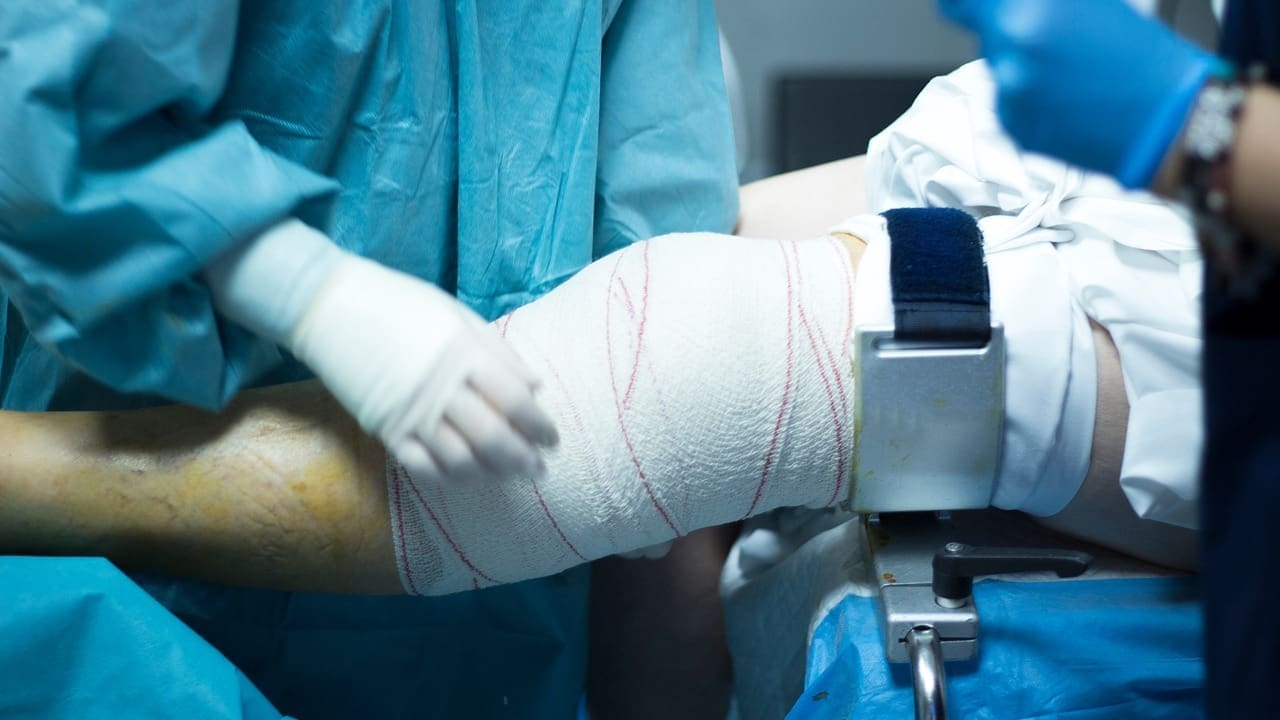
At Liv Hospital, we know how critical it is to diagnose and treat knee problems accurately. Arthroscopic knee surgery has changed how we tackle these issues. It’s a less invasive option compared to traditional surgery.
We use knee arthroscopy to tackle many knee conditions. This method leads to quicker healing and less pain after surgery. Our team is committed to top-notch care. We use the newest arthroscopic surgery techniques to get the best results for our patients.
Key Takeaways
- Arthroscopic knee surgery is a minimally invasive procedure.
- It offers faster recovery times compared to traditional open surgery.
- Reduced post-operative pain is a significant benefit.
- Liv Hospital’s specialists are experienced in performing various types of arthroscopic procedures.
- Our hospital is committed to providing international standards of care.
- Patients can expect complete support throughout their treatment journey.
What is a Knee Scope? The Basics of Arthroscopic Knee Surgery
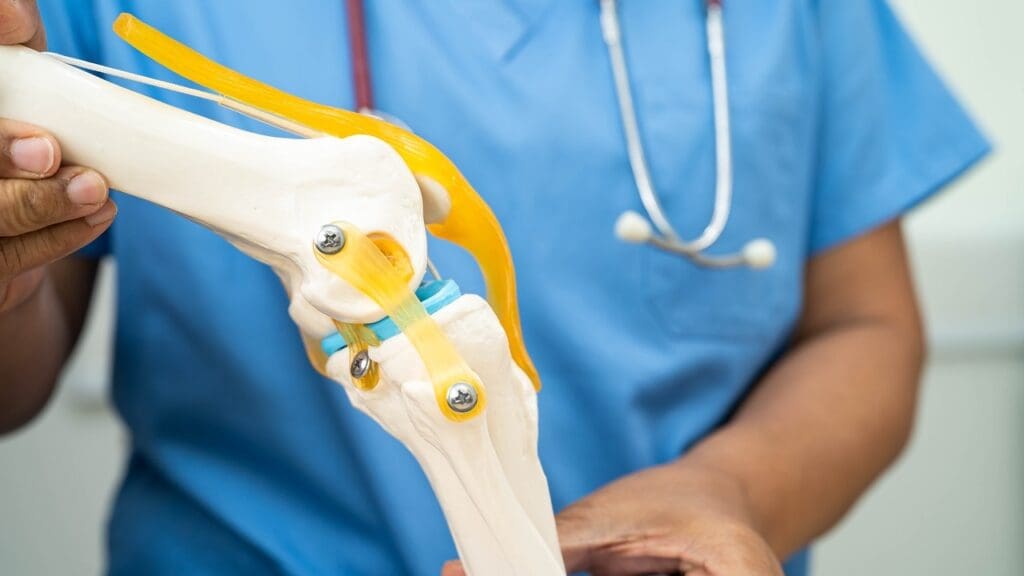
Knee arthroscopy, or a knee scope, is a new way to fix knee problems. It uses a small camera and special tools to see and fix issues inside the knee. This method is a big change in how we treat knee issues.
Definition and Purpose of Knee Arthroscopy
Knee arthroscopy is a small surgery that lets doctors see and fix knee problems. It helps doctors see inside the knee to find and treat issues. This surgery is used for many knee problems, like torn ligaments and cartilage damage.
How the Procedure Works
To do a knee arthroscopy, we make small cuts in the knee. We put a tiny camera and special tools inside. The camera shows what’s inside the knee on a screen.
This lets us see and fix problems. The surgery is done while the patient is numb or asleep. We make sure the patient is comfortable during the surgery.
Diagnostic vs. Therapeutic Knee Scopes
Knee arthroscopy can be used to find out what’s wrong or to fix problems. A diagnostic scope helps find the cause of knee pain. A therapeutic scope fixes problems, like repairing torn ligaments.
Often, we can do both at the same time. This makes knee arthroscopy a quick and effective surgery.
Benefits and Advantages of Knee Scope Procedures
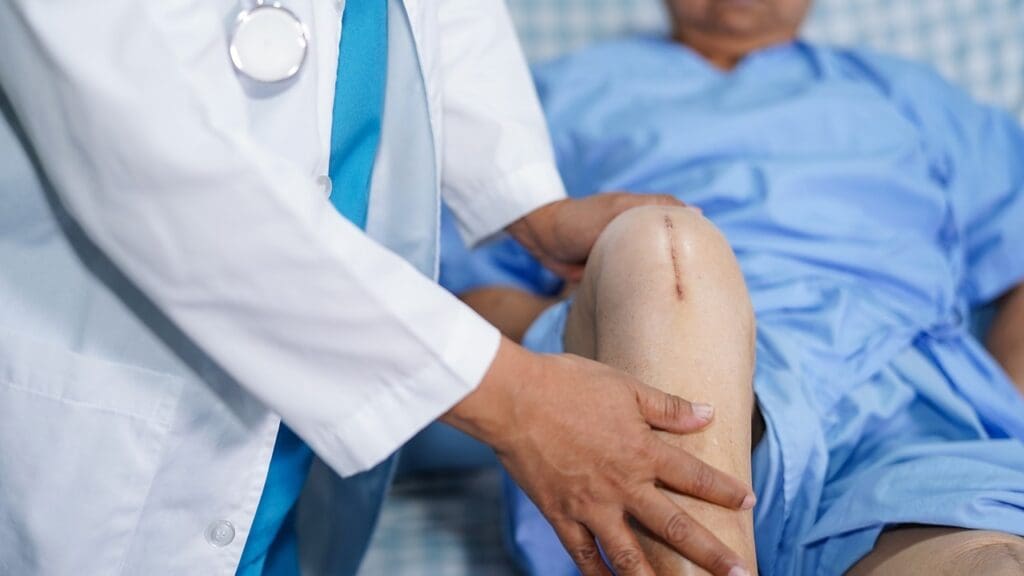
Knee arthroscopy is known for its minimally invasive method. This approach greatly reduces trauma to the knee joint. It’s a big reason why knee scope procedures are so popular among surgeons and patients.
Minimally Invasive Approach
Knee arthroscopy uses small incisions for complex procedures. This is unlike traditional open surgery. It lowers the risk of infection and scarring, making the patient’s recovery look better.
Key benefits of the minimally invasive approach include:
- Smaller incisions, resulting in less tissue damage
- Reduced risk of infection and post-operative complications
- Less post-operative pain due to smaller wounds
- Quicker return to normal activities and sports
Faster Recovery Times
Knee arthroscopy leads to faster recovery times. The procedure’s less invasive nature means less trauma to the knee. This results in shorter hospital stays and quicker rehabilitation.
A study in a leading orthopedic journal found that arthroscopic knee surgery patients recovered faster. They returned to their normal activities quicker than those who had open surgery.
“Arthroscopic knee surgery has revolutionized the treatment of various knee conditions, allowing patients to return to their normal activities faster,” said a renowned orthopedic surgeon.
Reduced Pain and Complications
The pain reduction in knee arthroscopy comes from its minimally invasive nature. Smaller incisions mean less tissue damage and less pain after surgery. Also, the risk of complications is lower than with more invasive surgeries.
| Aspect | Arthroscopic Surgery | Open Surgery |
|---|---|---|
| Incision Size | Small (typically 1-2 mm) | Large (often several cm) |
| Recovery Time | Faster (often weeks) | Slower (often months) |
| Pain Level | Lower | Higher |
Improved Surgical Outcomes
Arthroscopic knee surgery offers precise diagnosis and treatment. High-definition cameras and specialized tools allow surgeons to see the knee joint clearly. They can then perform detailed repairs with high accuracy.
Using knee arthroscopy’s advantages, surgeons can achieve better results. This includes better tissue repair and more effective management of knee conditions. It leads to happier patients and better long-term outcomes.
Type 1: Meniscus Repair and Partial Meniscectomy
The meniscus is a key cartilage in the knee. Tears in it need surgery. These tears can cause a lot of pain and make it hard to move.
Understanding Meniscus Tears
Meniscus tears happen when the cartilage gets damaged. This can be from sports injuries, wear and tear, or sudden twists. The size and where the tear is matter for treatment. Arthroscopic examination helps figure out the best way to fix it.
Repair Techniques and Technology
Fixing meniscus tears involves using arthroscopic methods. New technology has made these surgeries better. There are different ways to repair the tear, like:
- Inside-out repair
- Outside-in repair
- All-inside repair
These methods are more precise and less invasive. They help the knee heal faster and with less pain.
When Partial Meniscectomy is Necessary
When the tear is too big or in a part of the meniscus with bad blood flow, partial meniscectomy is needed. This surgery removes the damaged part. It helps stop more damage and eases symptoms.
Recovery Timeline and Success Rates
How long it takes to recover from these surgeries depends on the surgery and the person. Most people can get back to normal in 6-8 weeks. Many people see a big improvement in pain and how well their knee works.
| Procedure | Recovery Time | Success Rate |
|---|---|---|
| Meniscus Repair | 6-8 weeks | 80-90% |
| Partial Meniscectomy | 4-6 weeks | 85-95% |
Type 2: ACL Reconstruction and Ligament Repair
Many athletes and active people need ACL reconstruction to get their knees working right again. ACL tears are serious and often need surgery. Choosing the right graft and rehab plan is key for a good outcome.
ACL Tear Diagnosis and Assessment
Diagnosing an ACL tear involves a few steps. We do physical exams, ask about the patient’s history, and use imaging like MRI. Getting the diagnosis right is important for a good treatment plan.
Arthroscopic Reconstruction Methods
Arthroscopic ACL reconstruction is a modern, less invasive surgery. It lets us fix the ligament with great precision. We use the latest tech to make sure the surgery goes well.
Arthroscopic surgery has many benefits. It causes less damage, hurts less, and you can recover faster than with open surgery.
Graft Options and Selection
Choosing the right graft is a big deal in ACL reconstruction. We have different grafts, like ones from the patient or donor ones. The choice depends on the patient’s age, how active they are, and what they prefer.
- Autografts are often the best choice because they work well and are less likely to be rejected.
- Allografts are good for those who don’t want to have more surgery to get a graft.
Rehabilitation Protocol After ACL Surgery
Having a good rehab plan is vital after ACL surgery. Our program is made just for each patient. It goes from right after surgery to getting back to full activity.
Our rehab plan includes managing pain, doing exercises to move and strengthen, and training for everyday activities. We team up with physical therapists to help patients recover smoothly.
Type 3: Removal of Loose Bodies in the Knee Joint
Arthroscopic extraction of loose bodies from the knee joint is a quick and effective method. It helps patients recover fast and feel better. Loose bodies in the knee can cause a lot of pain and make it hard to move.
Causes of Loose Bodies Formation
Loose bodies in the knee can come from different reasons. Osteochondritis dissecans is one, where a piece of cartilage and bone breaks off. Other causes include knee injuries, osteoarthritis, and synovial chondromatosis. Knowing why they form is key to treating them right.
Diagnostic Challenges and Solutions
Finding loose bodies in the knee can be hard because symptoms are not always clear. But, MRI and CT scans help a lot. They show exactly where the loose bodies are, helping doctors plan the surgery.
The Extraction Procedure
To remove loose bodies, doctors make small cuts in the knee. They use a special camera and tools to find and take out the loose bodies. This helps fix the knee and makes it work better.
Post-Operative Care and Outcomes
After the surgery, patients need to rest and then start physical therapy. This helps them get their knee strong and mobile again. Most people see big improvements and can do their usual activities in a few weeks. This shows how good arthroscopy is for knee problems.
Understanding why loose bodies form, how to find them, and how to treat them helps patients. Arthroscopic removal is a big step forward in orthopedic surgery. It offers a quick and effective way to help patients.
Type 4: Patella Realignment Procedures
The patella, or kneecap, is key to knee function. Realignment procedures help restore normal mechanics. Patellofemoral disorders can cause knee pain and dysfunction, often needing surgery to correct the patella’s alignment.
Patellofemoral Disorders and Diagnosis
Patellofemoral disorders include conditions like patellofemoral pain syndrome and patellar instability. Accurate diagnosis is vital. It involves clinical evaluation, imaging studies, and sometimes, diagnostic arthroscopy. Key diagnostic factors include:
- Patient history and symptoms
- Physical examination findings, such as patellar tracking and stability
- Imaging studies, including X-rays and MRI
Understanding the cause of the disorder is key to choosing the right treatment.
Lateral Release and Medial Reefing
Lateral release and medial reefing are common surgical techniques. Lateral release loosens tight lateral structures to prevent patellar maltracking. Medial reefing tightens the medial (inner) aspect to improve stability.
These procedures can be done arthroscopically or as open surgery, based on the case’s complexity and the surgeon’s preference.
Complex Realignment Techniques
In complex cases, more advanced techniques are needed. These may include lateral release, medial reefing, and tibial tubercle osteotomy. The choice depends on the patient’s anatomy and condition severity.
Recovery Considerations for Patella Procedures
Recovery from patella realignment surgery requires a structured rehabilitation program. Key considerations include:
- Immediate post-operative pain management and wound care
- Gradual progression of exercises to improve range of motion and strength
- Return to activity guidelines, including sports-specific training
We tailor rehabilitation programs to meet individual needs, aiming for the best outcomes.
Types 5-7: Cartilage Restoration, Synovectomy, and Plica Excision
Arthroscopic knee surgery has grown to include new methods like cartilage restoration, synovectomy, and plica excision. These advancements offer hope for those with complex knee problems. They provide quick, less invasive treatments with faster recovery times.
Cartilage Repair Techniques
Cartilage restoration is key in arthroscopic knee surgery. It aims to fix or grow back damaged cartilage. Methods like microfracture, autologous chondrocyte implantation (ACI), and osteochondral autograft transfer (OATs) are used.
Microfracture creates small bone fractures to encourage cartilage growth. ACI implants cultured cartilage cells into the defect. OATs move healthy cartilage and bone from one knee area to another.
Synovial Tissue Management
Synovectomy removes inflamed synovial tissue. It’s needed for conditions like rheumatoid arthritis. This procedure helps reduce pain and swelling, improving knee function.
Plica Syndrome and Surgical Intervention
Plica syndrome happens when the plicae, synovial tissue folds, get inflamed. Arthroscopic plica excision removes these folds to ease symptoms. It’s considered when other treatments don’t work.
Emerging Techniques in Cartilage Restoration
New methods like matrix-induced autologous chondrocyte implantation (MACI) and stem cell therapy are showing great promise. They aim to improve cartilage repair quality and durability. This could change how we treat cartilage defects.
As arthroscopic surgery improves, combining old and new techniques will lead to better results. These minimally invasive methods help treat complex knee problems more effectively and efficiently.
Recovery and Rehabilitation: Right vs. Left Knee Arthroscopy
Knee arthroscopy, whether on the right or left knee, needs a good recovery plan. This plan includes several steps, from right after surgery to physical therapy. Knowing these steps is key for a good outcome.
Immediate Post-Operative Protocol
Right after knee arthroscopy, patients need to follow a special plan. This plan helps reduce pain and helps the knee heal. It includes resting the knee, using ice to lower swelling, and wearing compression bandages.
Also, patients should elevate their leg to reduce swelling.
Key immediate post-operative steps:
- Rest and ice application
- Compression and elevation
- Pain management through medication
Differences in Recovery Based on Knee Side
Recovery for both right and left knee arthroscopy follows the same basic steps. But, how patients do daily activities and exercises can differ. For example, right-handed people might find it harder to do things with their right knee operated on.
| Aspect | Right Knee Arthroscopy | Left Knee Arthroscopy |
|---|---|---|
| Daily Activity Impact | More challenging for right-handed individuals | More challenging for left-handed individuals |
| Rehabilitation Exercises | May require more effort for right-handed tasks | May require more effort for left-handed tasks |
Physical Therapy Progression
Physical therapy is very important after knee arthroscopy. The exercises in physical therapy are made for each person’s recovery and the surgery done. At first, exercises help regain movement and strengthen muscles.
Sample Physical Therapy Progression:
- Week 1-2: Gentle range of motion exercises
- Week 3-4: Strengthening exercises
- Week 5-6: Advanced strengthening and functional training
Return to Activity Guidelines
Going back to normal activities and sports after knee arthroscopy should be slow and with a doctor’s advice. The time it takes to get back to activities depends on the surgery and how well the knee heals.
By following a structured recovery plan and listening to healthcare professionals, patients can get the best results after knee arthroscopy. This is true whether the surgery was on the right or left knee.
Conclusion: Making Informed Decisions About Knee Scope Surgery
Knee scope surgery, or arthroscopic knee surgery, is a key procedure for many knee problems. It helps diagnose and treat various conditions. Knowing about the different types and their benefits is key to making smart choices about your knee health.
There are many procedures, like fixing the meniscus, rebuilding the ACL, restoring cartilage, and cleaning out the synovium. Each one targets a specific issue. Talking to healthcare experts helps find the best treatment for you.
We urge you to be proactive about your knee health. Get professional advice and look into all your options. With the right knowledge and support, you can make the best choices for your knee surgery.
What is knee arthroscopy?
Knee arthroscopy is a surgery that uses a small camera to look inside the knee. It helps diagnose or treat knee problems.
What are the benefits of knee arthroscopy compared to traditional open surgery?
Knee arthroscopy has many advantages. It uses smaller cuts, causes less damage, and leads to less pain. Recovery is faster, and there’s a lower risk of problems.
What types of knee conditions can be treated with arthroscopic surgery?
Arthroscopic surgery can fix many knee issues. This includes tears in the meniscus, ACL, and cartilage damage. It also treats loose bodies and disorders in the synovial tissue.
How long does it take to recover from knee arthroscopy?
Recovery time varies. It depends on the surgery and the person. But most people can get back to normal in a few weeks to months.
What is the difference between meniscus repair and partial meniscectomy?
Meniscus repair fixes a torn meniscus by sewing it back together. Partial meniscectomy removes the damaged part of the meniscus.
What is ACL reconstruction, and how is it performed arthroscopically?
ACL reconstruction replaces a torn ACL with a graft. It’s done through small cuts and special tools during arthroscopy.
Can knee arthroscopy be performed on both knees at the same time?
It’s possible to do both knees at once. But it’s not usually recommended. It can increase risks and make recovery longer.
What are the risks and complications associated with knee arthroscopy?
Knee arthroscopy has some risks. These include infection, bleeding, nerve damage, and reactions to anesthesia. But these are rare.
How is pain managed after knee arthroscopy?
Pain after surgery is managed with medicines. This includes pain relievers and anti-inflammatory drugs. Physical therapy and rehabilitation also help.
Can I return to sports or strenuous activities after knee arthroscopy?
Yes, many people can get back to sports or hard activities after knee arthroscopy. But it depends on the surgery and how well you recover. A doctor’s okay is needed.
What is the role of physical therapy in knee arthroscopy recovery?
Physical therapy is key in recovery. It helps regain strength, flexibility, and range of motion. It also promotes healing and reduces risks.
Are there any alternative treatments to knee arthroscopy?
Yes, there are other treatments. These include physical therapy, bracing, and pain management. Or, other surgeries like open surgery or other minimally invasive ones.



 Departments
 Related Videos
 Our Doctors
 News
News