Last Updated on November 18, 2025 by Ugurkan Demir
Having arthroscopy can worry many patients. At Liv Hospital, we know how vital it is to offer full care and support during the recovery journey.
Our orthopedic team starts with gentle treatments for knee pain. This includes physical therapy, injections, and medicines. But if surgery is needed, we’re here to help you every step of the way.
After surgery, patients might feel some pain and swelling for 2 to 4 weeks. In this article, we’ll walk you through the six essential post-arthroscopy milestones. This will help you get ready for the recovery process.
Key Takeaways
- Understand the typical recovery time from arthroscopy
- Learn about the six essential milestones for a successful knee scope recovery
- Discover how to manage pain and swelling after surgery
- Find out what to expect during the post-arthroscopy journey
- Get insights into the extensive care offered by Liv Hospital
Understanding Knee Arthroscopy: What to Expect from Your Procedure
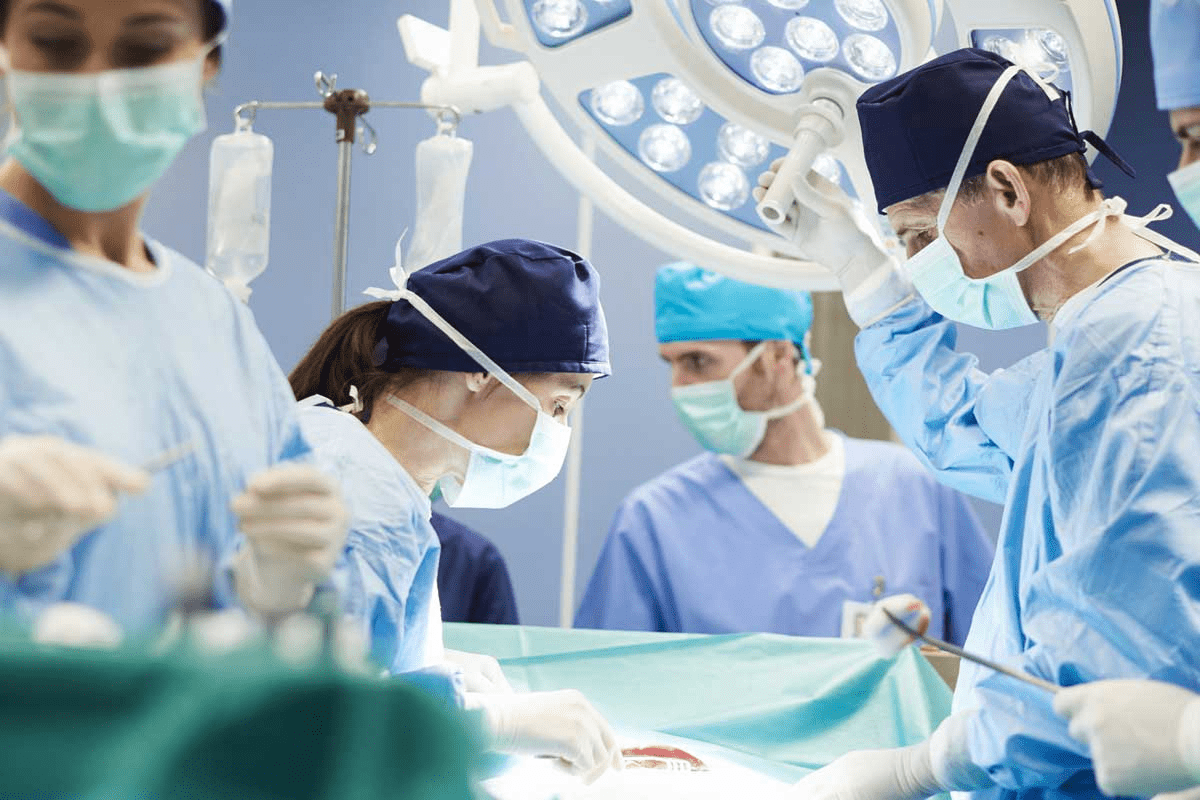
It’s important for patients to know what knee arthroscopy is before the procedure. This surgery uses a small camera and tools to look at and fix knee problems. It’s done through tiny cuts in the skin.
What is Knee Arthroscopy and Why It’s Performed
Knee arthroscopy helps diagnose and treat knee issues. Doctors say it’s changed how we treat knee problems. It’s less invasive and leads to quicker recovery times.
This surgery is for problems that can’t be fixed with other treatments. It’s great for people with certain knee injuries or conditions. It helps them get back to their activities faster.
Common Knee Conditions Treated with Arthroscopy
Arthroscopy treats many knee problems, including:
- Torn meniscus
- Ligament injuries, such as ACL tears
- Cartilage damage
- Synovitis (inflammation of the lining of the joint)
- Loose fragments of bone or cartilage
Knowing what knee arthroscopy treats helps patients understand its purpose. The goal of recovery after arthroscopy is to improve mobility and reduce swelling. Physical therapy helps strengthen the knee.
“A well-planned rehabilitation program is key to a successful recovery,” say doctors. This shows how important a structured arthroscopy recovery plan is.
Preparing for a Successful Knee Scope Recovery
Getting ready is key to a good knee scope recovery. Knowing what to expect and how to prepare can make a big difference. It helps you heal faster and avoid problems.
Pre-Surgery Preparations to Optimize Healing
Before your knee arthroscopy, there are steps to take for better healing. Your healthcare team will tell you all about the surgery. They’ll cover risks, benefits, and what to do before and after. It’s important to listen to them to have a smooth recovery.
Pre-surgery steps might include:
- Changing your medications as your doctor says
- Eating a healthy diet to help your body heal
- Drinking plenty of water to keep your body healthy
Following these pre-surgery tips can help your recovery. It might even make your knee scope recovery time shorter.
Setting Up Your Home for Post-Surgery Comfort
Getting your home ready for after surgery is important for a good post arthroscopic knee surgery recovery. Small changes can make a big difference in your comfort and movement.
Think about these changes:
- Clearing the way to avoid tripping
- Creating a cozy recovery spot with everything you need close
- Getting help with daily tasks when you’re first recovering
By making these adjustments, you can make your home recovery-friendly. This lets you focus on healing and getting back to your usual activities.
The Immediate Post-Op Phase: Days 1-7 After Knee Scope Surgery
Knowing what to expect right after knee scope surgery can really help your recovery. The first week is very important for a good outcome. It’s all about managing pain and swelling and following movement rules.
Managing Pain and Swelling in the First Week
Most people feel some pain and swelling for 2 to 4 weeks after surgery. Managing pain well is key in the first week. Your doctor will tell you what pain meds to take and how to use ice packs. Also, keeping your leg up can help with swelling.
It’s important to watch your pain and change your meds as your doctor says. If your pain doesn’t get better or if you notice anything strange, call your doctor right away.
Initial Movement Restrictions and Care Instructions
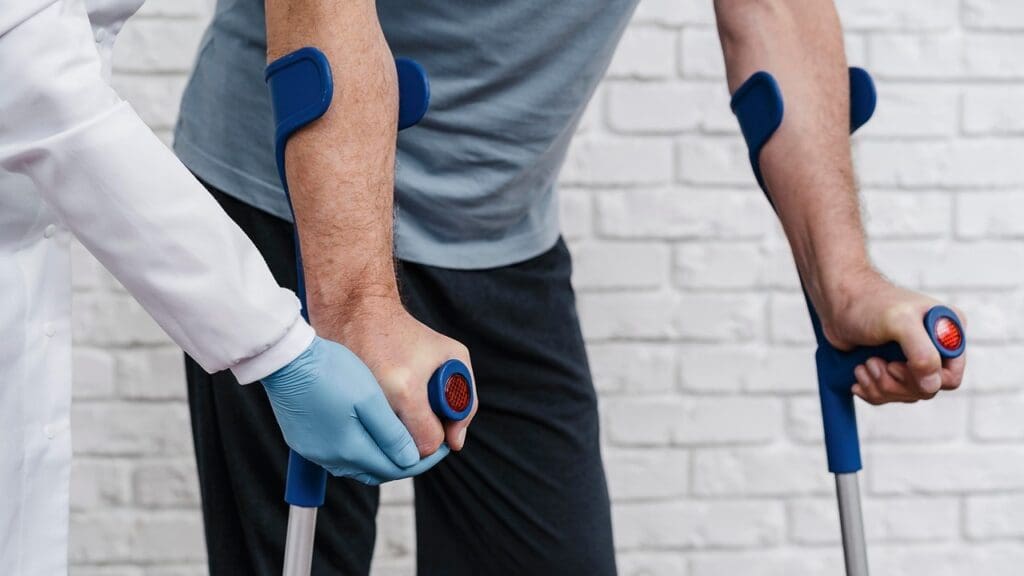
Your doctor will tell you how much to move and when to put weight on your knee. At first, you might need to move less to avoid hurting your knee. Using crutches or a walker can help take some pressure off your knee.
Your recovery will depend on your age, health, and how active you were before surgery. It’s very important to follow your doctor’s care instructions. This means keeping the surgery area clean, going to follow-up visits, and slowly getting back to activities as your doctor says.
By taking good care of yourself in the first week, you can make your knee surgery a success. We’re here to help you every step of the way, giving you the support and care you need for the best recovery.
The 6 Essential Milestones in Knee Scope Recovery Timeline
Recovering from knee scope surgery has several key milestones. Knowing these milestones helps patients understand their recovery better. Your care team, including your surgeon and nurse, will guide you through each step. They will make sure you know what to expect.
Milestone 1: Regaining Basic Mobility (Week 1-2)
The first two weeks focus on getting basic mobility back. You might need crutches or a walker to walk. Physical therapy starts early to improve knee function and reduce stiffness.
Key activities include:
- Gentle exercises to keep the knee moving
- Starting to bear weight
- Managing pain and swelling with medication and rest
Milestone 2: Reducing Dependence on Walking Aids (Week 2-3)
As you get stronger and more confident, you’ll need walking aids less. This shows you’re making progress in your recovery.
Physical therapy is key here, with exercises to boost strength and stability.
Milestone 3: Returning to Light Daily Activities (Week 3-4)
By weeks 3-4, you can do light daily tasks like dressing and cooking without much pain. This phase is marked by:
- More mobility and less pain
- Getting stronger through physical therapy
- Starting to do more strenuous activities
Milestone 4: Achieving Full Range of Motion (Week 4-6)
Getting a full range of motion is a big achievement, usually by weeks 4-6. You should be able to bend and straighten your knee without much pain or stiffness.
Milestone 5: Strengthening the Knee (Week 6-8)
Strengthening the knee muscles is vital for a complete recovery. This phase includes more intense physical therapy, focusing on:
- Resistance training
- Balance and proprioception exercises
- Functional activities to improve daily functioning
Milestone 6: Returning to Full Activity (After Week 8)
The last milestone is returning to full activity, including sports and hard tasks. This depends on your activity level before surgery and the surgery’s complexity.
Throughout your recovery, our team is here to support you. We aim for a smooth and successful recovery.
Week-by-Week Knee Scope Recovery Process
Knowing the recovery process week by week can make a big difference. The journey after knee arthroscopy is slow and has many stages. Each stage has its own goals and challenges.
Weeks 1-2: Focus on Wound Healing and Basic Movement
The first two weeks are all about healing the wound and getting back to basic movements. It’s important to follow your doctor’s advice on wound care and managing pain. You might feel swollen and sore, but ice and elevating your knee can help.
As you get better, you’ll start to move your knee more and walk with help. Start with easy exercises to avoid stiffness and help your knee heal.
Weeks 3-4: Progressive Mobility and Reduced Swelling
By weeks 3-4, you’ll move more easily. The swelling will go down, and you can do more things on your own. Your physical therapist will teach you exercises to make your knee stronger and more flexible.
You’ll also start to walk without aids more often. This is a big step towards getting back to normal.
Weeks 5-8: Strength Building and Increased Activity
From weeks 5-8, you’ll focus on getting stronger and doing more. You’ll do harder exercises to make your knee stable and strong. Keep up with your physical therapy to move your knee fully.
By the end of this time, you’ll be able to do most things without pain. This is a big achievement in your recovery from knee surgery.
Months 3-4: Final Recovery Phase and Return to Full Function
The last part of recovery is getting back to full activity. Most people make a lot of progress by the third month, with more improvement in the fourth.
By this time, you can start sports or heavy activities again. Just make sure you’ve followed your rehab plan carefully.
| Recovery Phase | Key Milestones | Expected Outcomes |
|---|---|---|
| Weeks 1-2 | Wound healing, basic movement | Reduced pain, initial mobility |
| Weeks 3-4 | Progressive mobility, reduced swelling | Increased independence, less pain |
| Weeks 5-8 | Strength building, increased activity | Improved strength, full range of motion |
| Months 3-4 | Return to full function | Resumption of strenuous activities |
Staying true to your rehab plan is key during your recovery from knee surgery. Understanding each week’s goals helps you face the challenges and milestones ahead.
Physical Therapy: The Cornerstone of Successful Arthroscopy Recovery
Recovering from arthroscopic knee surgery involves a lot of physical therapy. It’s key to getting your knee back to normal. A good physical therapy plan is essential for a full recovery.
Physical therapy is more than just a part of recovery. It’s the foundation of the whole process. It helps patients regain mobility, reduce swelling, and strengthen their knee. This way, they can overcome the challenges after surgery and get their knee healthy again.
Essential Exercises for Each Recovery Phase
Patients go through different phases during recovery. Each phase needs specific exercises. We create a personalized plan that changes as patients get better.
In the first phase, simple exercises like straight leg raises and heel slides are used. These help improve mobility and reduce stiffness. As patients get stronger, more challenging exercises like quadriceps strengthening and balance training are added. These help build strength and stability.
| Recovery Phase | Exercise Type | Goals |
|---|---|---|
| Initial Phase (0-2 weeks) | Gentle mobility exercises (e.g., straight leg raises, heel slides) | Improve mobility, reduce stiffness |
| Intermediate Phase (2-6 weeks) | Strengthening exercises (e.g., quadriceps strengthening) | Enhance strength, improve balance |
| Advanced Phase (6+ weeks) | Functional training (e.g., agility drills, sports-specific training) | Return to full function, prepare for sports or high-level activities |
Working Effectively with Your Physical Therapist
To get the most out of physical therapy, it’s important to work well with your physical therapist. Be proactive, ask questions, and share your progress and any challenges or concerns.
By working closely with your physical therapist, you can make sure your rehabilitation plan fits your needs. This helps you achieve the best results and regain full knee function.
Factors That Influence Your Knee Scope Recovery Time
Knowing what affects your knee scope recovery is key to a good outcome. Your recovery from knee arthroscopy depends on personal and procedure-related factors.
Age and Overall Health Considerations
Your age and health greatly affect your knee scope recovery time. Older people or those with health issues might need more time. We look at:
- Pre-existing medical conditions like diabetes or heart disease
- Physical condition before surgery
- Smoking status
Staying healthy, eating well, and exercising can help your recovery.
Type and Complexity of Procedure
The type and complexity of the knee arthroscopy procedure also matter. More complex surgeries, like those needing a lot of tissue repair, take longer to recover from.
Adherence to Rehabilitation Protocol
Following your rehabilitation protocol closely is vital for the best recovery. This means:
- Listening to your physical therapist
- Doing exercises as told
- Going to all follow-up appointments
By sticking to your rehab plan, you can greatly improve your recovery from knee arthroscopy.
In summary, your knee scope recovery time is influenced by many factors. Understanding and tackling these can help you recover better.
Returning to Work and Daily Life After Arthroscopic Knee Surgery
Arthroscopic knee surgery is a big step towards healing. But, the journey doesn’t stop there. Returning to work and daily life needs careful planning. We’ll guide you through this recovery phase, focusing on what affects your return to normal activities.
Timeline for Returning to Office Work vs. Active Jobs
The time to return to work varies a lot. For office jobs, it’s usually 1 to 2 weeks. These jobs are often less physically demanding.
But, for jobs that are more active or require heavy lifting, bending, or hard work, it may take up to 8 weeks. This is because these jobs put more stress on the knee.
| Job Type | Typical Return to Work Timeline |
|---|---|
| Office Work | 1-2 weeks |
| Light Physical Work | 2-4 weeks |
| Heavy Manual Labor | 6-8 weeks |
Adapting Your Environment for a Comfortable Return
To smoothly return to your daily routine, preparing your environment is key. This might mean rearranging your workspace to ease knee strain or using ergonomic tools to lessen discomfort.
Tips for a Comfortable Return:
- Adjust your workstation to promote good posture and reduce strain on your knee.
- Use ergonomic equipment to minimize discomfort.
- Take regular breaks to stretch and move around.
We help you set realistic goals based on your surgery. We also offer ongoing care and support during your recovery. By being prepared and understanding the recovery process, you can ensure a successful return to your normal activities.
Conclusion: Embracing Your Knee Scope Recovery Journey
As we wrap up our talk on knee scope recovery, it’s clear that patience and dedication are key. Your care team is essential in helping you through each step. They guide you from before surgery to after.
Knowing the important steps in your arthroscopy recovery helps you move forward. Stick to your rehab plan, use tools like crutches, and follow your doctor’s advice. This way, you can get the best results.
Being active in your recovery journey means taking care of your health and working towards full knee function. With the right attitude and support, you can get through your knee scope recovery and get back to your usual life.
FAQ
What is the typical recovery time for arthroscopic knee surgery?
Recovery time for arthroscopic knee surgery varies. It depends on the person and the surgery’s complexity. Generally, it can take a few weeks to a few months to fully recover.
How long does it take to regain full range of motion after knee scope surgery?
It usually takes 4-6 weeks to regain full range of motion after knee scope surgery. But, this can vary based on individual progress and following the rehabilitation plan.
What are the common knee conditions treated with arthroscopy?
Arthroscopy is used to treat many knee conditions. These include meniscal tears, ligament injuries, and osteoarthritis.
How can I prepare my home for post-surgery comfort?
To make your home comfortable after surgery, set up a cozy recovery area. Get the necessary supplies and make changes to reduce knee strain.
What are the essential exercises for knee scope recovery?
Key exercises for knee scope recovery include straight leg raises, quad sets, and heel slides. These are usually guided by a physical therapist.
How long does it take to return to work after arthroscopic knee surgery?
Returning to work after arthroscopic knee surgery varies. Office work might start in 1-2 weeks. Jobs that require more physical effort take longer.
What factors influence knee scope recovery time?
Several factors affect knee scope recovery time. These include age, health, surgery type, and following the rehabilitation plan.
How can I manage pain and swelling after knee scope surgery?
To manage pain and swelling, use medication, ice, compression, and elevation. These methods help reduce discomfort and swelling.
What is the role of physical therapy in arthroscopy recovery?
Physical therapy is vital in arthroscopy recovery. It helps patients regain strength, mobility, and function through exercises and rehabilitation plans.
Can I drive after arthroscopic knee surgery?
It’s not recommended to drive after arthroscopic knee surgery until you have enough knee strength and mobility. This is usually within a few days to a week.
How long does it take to achieve full strength after knee scope surgery?
It can take 3-4 months to achieve full strength after knee scope surgery. This depends on individual progress and the rehabilitation plan.