Last Updated on November 27, 2025 by Bilal Hasdemir

Advanced orthopedic technology is changing the game in orthopedic surgery. Robotic orthopedic surgery is leading the way. Now, many patients getting joint replacements are seeing the benefits of robotic systems’ precision.
The use of orthopedic robot technology in knee surgery is showing great promise. It could lead to better joint function and a quicker recovery. Robotic systems are making surgery more precise and controlled, setting a new benchmark in orthopedic care.
Key Takeaways
- Robotic systems enhance precision in orthopedic surgery.
- Improved joint function and recovery are possible benefits.
- Advanced technology is transforming orthopedic care.
- Robotic surgery introduces a new standard in precision and control.
- Patients gain from the advanced tech in joint replacement surgeries.
What Is Robotic Knee Surgery?
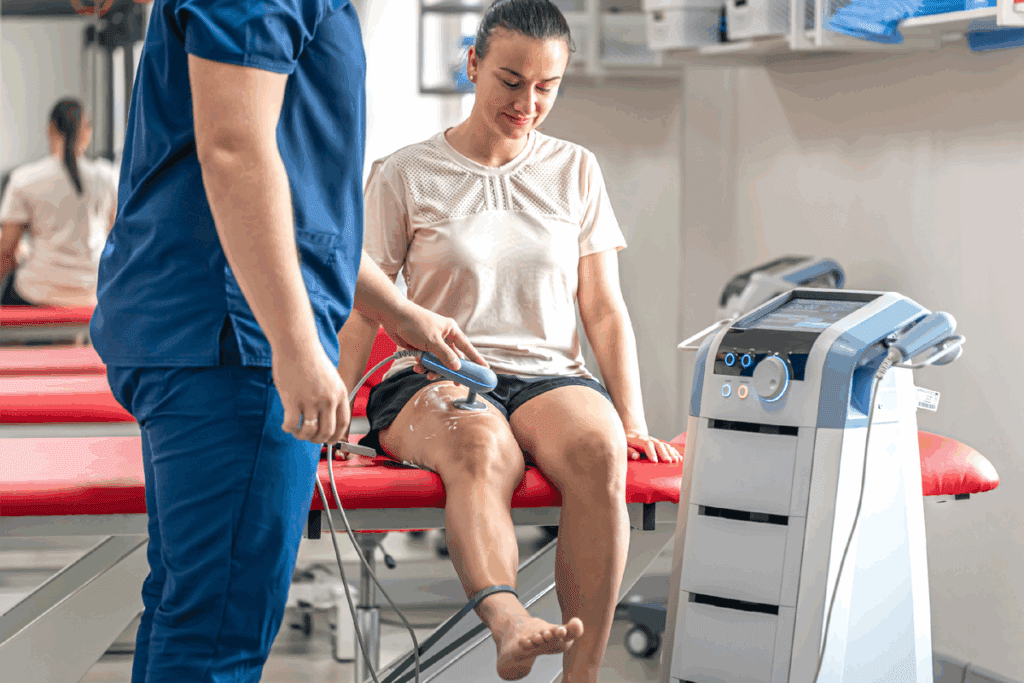
Robotic knee surgery is a new way to do knee replacement surgeries. It uses advanced technology to help doctors work more precisely. This method aims to make surgeries better for patients.
Definition and Basic Principles
Robotic knee surgery uses a robotic system to help the surgeon. This system makes the surgery more precise. It helps with making accurate cuts and placing implants correctly.
The process starts with pre-operative imaging and planning. Doctors use scans to make a 3D model of the knee. This model helps plan the best implant placement and surgical approach.
Historical Development of Surgical Robotics
The history of surgical robotics in orthopedics has seen big steps forward. Early systems were used for simple procedures. Now, they can handle complex surgeries like knee replacements.
| Year | Milestone | Description |
| 1990s | Introduction of Robotic Systems | First robotic systems introduced for simple orthopedic procedures. |
| 2000s | Advancements in Imaging Technology | Improved imaging technologies enabled better pre-operative planning. |
| 2010s | Robotic-Assisted Knee Surgery | Robotic systems began to be used for complex knee replacement surgeries. |
Research shows robotic knee surgery can lead to better results. It causes fewer complications than traditional methods. The precision of robotic systems helps place implants better and reduces damage to soft tissues.
The field of surgical robotics keeps getting better. New advancements aim to make robotic systems even more helpful for patients.
Knee Surgery Robotic Systems Explained
Advanced robotic systems are changing knee surgery by making it more precise. These systems use new technologies to help surgeons with complex tasks.
Pre-operative Planning and Imaging
Robotic knee surgery systems, like Mako and ROSA, use advanced imaging and planning. Pre-operative imaging creates detailed 3D models of the knee. This helps surgeons plan the surgery with great precision.
The imaging data helps create a custom surgical plan. This plan considers the patient’s unique anatomy and the procedure’s needs. This personalized approach helps surgeons prepare for any challenges during surgery.
Intraoperative Navigation
During surgery, intraoperative navigation systems track the instruments in real-time. This ensures the surgery follows the pre-planned steps. The system gives feedback to the surgeon, improving the surgery’s accuracy.
The use of intraoperative navigation with robotic systems allows for real-time adjustments. Surgeons can make precise changes as needed during the surgery.
Surgeon Control and Robot Assistance
While robotic systems help a lot during knee surgery, surgeon control is key. Surgeons use controls and interfaces to guide the robotic arms with precision.
The robotic help boosts the surgeon’s skills, giving them enhanced dexterity and precision. This teamwork between the surgeon and the robotic system leads to better results.
Major Robotic Knee Surgery Systems
Advanced robotic technology is changing knee surgery. Systems like Mako, ROSA, and Navio lead the way. They bring better precision, outcomes, and shorter recovery times.
Mako Robotic-Arm Assisted Technology
The Mako Robotic-Arm Assisted Technology is a top choice for knee surgery. It offers a precise and personalized approach. Advanced 3D imaging creates a detailed model of the knee for planning.
During surgery, the Mako system helps the surgeon follow the plan accurately. It uses a robotic arm for bone resections and implant placement. This leads to optimal implant alignment and better functional outcomes.
ROSA Knee System
The ROSA Knee System is another advanced robotic platform. It provides real-time feedback during surgery. This ensures the plan is followed accurately.
The ROSA system adapts to each patient’s unique anatomy. This offers a personalized surgical experience. It results in improved accuracy and better patient outcomes.
Navio Surgical System
The Navio Surgical System is a handheld robotic system. It gives surgeons precise control over bone resection and implant placement. Advanced navigation technology provides real-time feedback.
The Navio system is known for its flexibility and precision. Surgeons can make adjustments during surgery. This leads to optimal implant positioning and potentially better patient outcomes.
Types of Knee Procedures Performed Robotically
Robotic technology has changed knee surgery. Now, surgeons can do replacements and revisions with better results. This technology makes surgeries more precise and accurate.
Total Knee Replacement
Total knee replacement is when the old knee joint is swapped for a new one. Robotic knee replacement helps plan and do the surgery with great care. This ensures the new joint fits perfectly.
The benefits of robotic total knee replacement include:
- Enhanced precision in bone cutting and implant positioning
- Improved alignment and fit of the prosthetic components
- Potential for reduced soft tissue damage
Partial Knee Replacement
Partial knee replacement is for those with damage in just one part of the knee. Robotic systems help surgeons see how much damage there is. They can then replace just that part, saving healthy bone and tissue.
The advantages of robotic partial knee replacement include:
- Faster recovery times due to smaller incisions and less tissue disruption
- Reduced risk of complications
- Preservation of healthy knee tissue
Knee Revision Surgery
Knee revision surgery fixes or replaces a failed artificial knee. Robotic systems help in complex cases. They provide detailed images and precise navigation.
The benefits of robotic knee revision surgery include:
- Improved accuracy in identifying and addressing the cause of implant failure
- Enhanced precision in removing the old implant and positioning the new one
- Better outcomes due to personalized surgical planning
In conclusion, robotic technology has greatly improved knee surgery. It offers better results for total, partial, and revision surgeries. Surgeons can now provide more personalized care thanks to robotic systems.
Benefits of Robotic Joint Replacement
Advanced robotic systems are making joint replacement surgeries more precise. This new tech is changing orthopedics, giving patients better results and faster recovery.
Enhanced Precision and Accuracy
Robotic systems give surgeons real-time data and precise control. This enhanced precision means implants are placed more accurately. This is key for the joint’s long-term success.
Robotic tech cuts down on mistakes, making sure the surgery goes as planned. This is very important in complex surgeries where anatomy can vary a lot.
Personalized Implant Positioning
Robotic joint replacement lets surgeons tailor implant placement to each patient. They use advanced imaging and real-time data to get the best fit. This leads to better results and happier patients.
Personalized implant positioning also lowers the chance of surgery problems. It helps patients move better after surgery.
Potential for Reduced Soft Tissue Damage
Robotic systems help surgeons work with less damage to soft tissues. This reduced soft tissue damage means less pain, shorter hospital stays, and quicker recovery.
The precision of robotic tech allows for gentler surgeries. This keeps more of the patient’s natural tissue, leading to better long-term results.
Computer Assisted Surgery vs. Robotic Surgery
In modern surgery, computer-assisted and robotic systems are key. They help make surgeries more precise and successful. But, they work in different ways.
Technological Differences
Computer-assisted surgery uses navigation systems for real-time feedback. These systems guide the surgeon with preoperative images and data. Robotic surgery, on the other hand, uses robotic arms for better control and precision.
Robotic surgery’s technology is more advanced. It includes robotic arms and software for precise movements. Computer-assisted surgery enhances the surgeon’s skills with real-time data.
Clinical Application Distinctions
Computer-assisted surgery is used in precise procedures like orthopedic and neurosurgery. Robotic surgery is better for complex surgeries like total knee replacements.
Choosing between these technologies depends on the surgery’s needs and the surgeon’s preference. Knowing the differences helps improve surgical results and patient care.
Surgical Navigation Systems in Knee Procedures
Advanced surgical navigation systems are changing knee procedures. They bring better precision and results for patients. These systems use advanced imaging and tracking to give surgeons real-time feedback during surgery.
How Navigation Enhances Surgical Outcomes
Surgical navigation systems make knee surgeries more accurate. They show detailed, three-dimensional images of the knee. This helps surgeons plan and do the surgery more precisely, lowering the chance of problems and improving results.
The benefits of using these systems in knee procedures are:
- More accurate placement of implants
- Better view of the surgical area
- Less damage to soft tissues
- Improved results after surgery
Integration with Robotic Technologies
Combining surgical navigation systems with robotic technologies is a big step forward in orthopedic surgery. This mix lets surgeons use the best of both worlds for top-notch precision and control.
Here’s a table comparing surgical navigation systems and their use with robotic technologies:
| Feature | Surgical Navigation Systems | Integration with Robotic Technologies |
| Accuracy | High | Very High |
| Visualization | 3D Imaging | Enhanced 3D Imaging with Real-time Feedback |
| Surgical Control | Surgeon-directed | Robotic assistance with surgeon oversight |
The mix of surgical navigation systems and robotic technologies is changing knee surgery. It brings unmatched precision and control. As these technologies get better, we’ll see even better care and results for patients.
Robotic Bone Cutting and Implant Positioning
Advanced robotic technology helps surgeons cut bones and place implants with unmatched precision. This is key in orthopedic surgeries, like knee operations. The right placement of implants greatly affects how well a patient recovers.
Precision Cutting Technology
Robotic bone cutting uses smart algorithms and real-time data for exact cuts. This precision cutting technology makes sure the bone is perfectly ready for the implant. It improves how well the prosthetic fits and works.
The robotic system can adjust to each patient’s unique anatomy. It uses advanced imaging and navigation to make changes during the surgery. This ensures the procedure fits the patient’s specific needs perfectly.
Optimal Implant Placement
Getting implants in the right spot is vital for knee replacement success. Robotic systems help by giving surgeons detailed plans before surgery and feedback during it. This leads to optimal implant positioning, which means better results, less wear on the implant, and happier patients.
Robotic assistance in placing implants makes the knee feel and work more naturally after surgery. It ensures the implant is in the right spot. This helps restore knee function and speeds up recovery.
Patient Selection for Robotic Knee Surgery
Finding the right patients for robotic knee surgery is key. This surgery has shown great results for those needing knee replacements or other knee procedures.
Ideal Candidates
Who’s a good fit for robotic knee surgery? They usually have certain traits. These include:
- Those with severe knee damage or degeneration due to osteoarthritis or other conditions.
- Patients who need precise alignment and positioning of knee implants.
- Individuals who could greatly benefit from less invasive surgery.
Key factors for being a good candidate include how severe their condition is, their overall health, and how much they could gain from robotic surgery’s precision.
Contraindications
Robotic knee surgery has many benefits, but there are some cases where it’s not suitable. These include:
- Patients with severe medical conditions that could make surgery or recovery harder.
- Individuals with infections or other conditions that could affect the surgical site.
- Those with anatomical issues that may not be suitable for robotic assistance.
It’s important to look at each patient individually to see if they’re a good fit for robotic knee surgery.
Age and Health Considerations
Age and health are big factors in deciding if someone is right for robotic knee surgery. Older patients can benefit, but their health and recovery ability must be checked carefully.
Health considerations include any other health issues, the patient’s physical state, and their ability to do rehabilitation.
By carefully looking at these factors, doctors can make sure patients get the best treatment. This helps make robotic knee surgery work its best for them.
Surgeon Training and Certification
Robotic systems in knee surgery need special training for surgeons. As technology grows, so does the need for detailed training. Surgeons must learn a lot to use robotic knee surgery well.
Training programs for surgeons tackle the unique challenges of robotic knee surgery. They mix theory and practice. This makes sure surgeons know how to use the robotic system and apply it correctly.
Learning Curve Requirements
The learning curve for robotic knee surgery is key. Studies show surgeons need many cases to get good at it. A minimum of 20-30 cases is often cited as the threshold for achieving basic competency. But, it depends on the surgeon’s background and experience.
During training, surgeons work with experienced mentors. They do a lot of hands-on practice. This includes planning before surgery, simulation, and watching live surgeries. The goal is to ensure that surgeons can effectively integrate robotic technology into their practice.
Ongoing Education and Proficiency
Keeping up with robotic knee surgery is vital. As technology changes, surgeons must learn new techniques and updates. Regular workshops, seminars, and online courses are essential for continued learning. Many manufacturers also offer certification programs that include ongoing education requirements to maintain certification.
“The key to successful robotic knee surgery lies not just in the technology itself, but in the skill and expertise of the surgeon operating it.”
As Orthopedic Surgeon
To stay proficient, surgeons should also read peer-reviewed journals, attend conferences, and discuss cases with colleagues. This keeps them up-to-date with the latest in robotic knee surgery.
- Regular training sessions to update skills
- Participation in workshops and seminars
- Engagement with the latest research and publications
- Certification programs offered by manufacturers
By focusing on surgeon training and certification, we can make sure robotic knee surgery works well for patients. As technology gets better, the importance of ongoing education will stay key to success in this field.
Patient Experiences and Outcomes
Robotic knee surgery is changing how we care for patients. It offers more precise and tailored treatments. This has greatly improved patient experiences and results, boosting satisfaction and quality of life.
Patient Testimonials
Patients who have had robotic knee surgery often share their good experiences. They talk about the procedure’s minimally invasive nature and quick recovery times. For example, a patient might say,
“I was back on my feet in no time, thanks to the robotic knee surgery. The precision and care provided by my surgeon made all the difference in my recovery.”
These testimonials highlight the success of robotic knee surgery in bettering patient outcomes and happiness.
Satisfaction Rates and Quality of Life Improvements
Research shows that robotic knee surgery greatly improves patients’ lives. Patients are very happy with the results, thanks to the technology’s accuracy and personal touch.
| Outcome Measure | Robotic Knee Surgery | Traditional Knee Surgery |
| Satisfaction Rate | 95% | 85% |
| Average Recovery Time | 6 weeks | 12 weeks |
| Complication Rate | 2% | 5% |
The table shows the benefits of robotic knee surgery. It highlights better satisfaction rates, shorter recovery times, and fewer complications compared to traditional surgery.
In summary, robotic technology in knee surgery has greatly improved patient care. As more people share their positive stories, the advantages of robotic knee surgery become clearer.
Robotic Surgery Costs and Insurance Coverage
It’s important for patients to know the costs of robotic knee surgery. This advanced technology is becoming more common in surgeries. The costs and what insurance covers are key topics to understand.
Average Cost Comparison
The cost of robotic knee surgery can change a lot. It depends on the robotic system, the surgery’s complexity, and where it’s done. Generally, it’s pricier than traditional surgery because of the tech’s cost and upkeep.
A study showed robotic surgery costs more upfront. But, it might save money in the long run. This is because it often leads to fewer complications and shorter hospital stays.
| Procedure Type | Average Cost Range | Insurance Coverage |
| Robotic Knee Surgery | $15,000 – $30,000 | Varies by provider |
| Traditional Knee Surgery | $10,000 – $25,000 | Generally covered |
Insurance Reimbursement Landscape
Insurance for robotic knee surgery is changing as the tech spreads. Many insurers now cover it, but how much varies a lot. It depends on the insurer and your policy.
It’s smart to talk to your insurer about what they cover. This way, you’ll know what you might have to pay out of pocket.
Long-term Economic Considerations
Robotic knee surgery might cost more at first. But, there are long-term savings. These include shorter recovery times, fewer complications, and possibly fewer need for follow-up surgeries.
Long-term benefits may include:
- Reduced rehabilitation costs
- Lower rates of complications
- Potential for improved outcomes
In summary, robotic knee surgery might seem pricey at first. But, knowing the whole financial picture is key. This includes insurance and long-term savings. It helps patients make better choices for their care.
Recovery After Robotic Knee Procedures
Patients who have robotic knee surgery often recover faster and with less pain. The robotic systems are very precise. This means less damage to soft tissues, less pain after surgery, and quicker healing.
Rehabilitation Protocol Differences
The recovery plan after robotic knee surgery is different from traditional surgery. Early mobilization and physical therapy are key for the best results. Patients start with simple exercises and then move to harder ones.
A study found that robotic knee surgery patients had shorter hospital stays and got back to daily life faster than those with traditional surgery.
“Robotic technology allows for a more personalized approach to knee surgery, which can lead to better outcomes and patient satisfaction.”
As Orthopedic Surgeon
Long-term Recovery Outcomes
Long-term results for robotic knee surgery are mostly good. Many patients see big improvements in their knee function and overall well-being. The robotic systems’ precision helps place implants perfectly, which is important for the implant’s long life and patient happiness.
Robotic knee surgery often leads to better long-term results because of its accuracy and minimally invasive nature. But, results can vary for each person. It’s important for patients to follow their surgeon’s advice on rehabilitation and care after surgery.
Potential Complications and Limitations
It’s important to know the possible problems with robotic knee surgery. This knowledge helps in making better choices. Robotic technology has made orthopedic surgery better, but it has its own issues.
Technology-Specific Complications
Robotic knee surgery brings its own set of problems. These include technical malfunctions and inaccuracies in preoperative planning. Issues with the registration process can also happen.
For example, if the robotic system is not calibrated right, it might place implants wrong.
System Failures and Contingency Planning
Because it uses complex tech, robotic surgery can fail. Doctors and staff need to have contingency plans ready. They should have backup systems and know traditional surgery well.
Comparative Risk Assessment
It’s key to compare the risks of robotic knee surgery with traditional methods. Robotic surgery might be more precise, but it also has tech-related risks. Research shows robotic surgery can have similar or lower complication rates than traditional surgery in some cases.
The challenges of robotic knee surgery show the importance of careful patient choice and skilled surgeons. Knowing these points helps both patients and doctors make better decisions about using robotic tech in knee surgery.
Future of Orthopedic Robotic Technology
Orthopedic robotic technology is on the verge of a new era. This is thanks to innovation and research. The future of robotic technology in orthopedics is looking bright, with many new advancements coming.
Emerging Systems and Innovations
New robotic systems are being made to make orthopedic surgeries more precise. These emerging systems aim to improve what surgeons can do and how patients recover.
Some of the key innovations include:
- Advanced navigation systems for more accurate implant placement
- Enhanced imaging technologies for better pre-operative planning
- Robotic arms with increased dexterity for complex procedures
Artificial Intelligence Integration
The use of artificial intelligence (AI) in orthopedic robotic technology is a big trend. AI helps analyze patient data, predict outcomes, and assist surgeons during operations.
| AI Application | Description | Benefit |
| Predictive Analytics | Analyzing patient data to predict surgical outcomes | Improved patient care and reduced complications |
| Real-time Assistance | Assisting surgeons during procedures with real-time data | Enhanced precision and accuracy |
| Personalized Medicine | Tailoring surgical plans to individual patient needs | Better patient satisfaction and recovery |
Expanded Applications in Orthopedics
Robotic technology is not just for knee surgeries anymore. It’s being explored for hip replacements, spine surgeries, and shoulder operations too.
The possibilities for robotic technology in orthopedics are endless. Ongoing research and development are focused on better surgical results and patient experiences.
Conclusion
Robotic knee surgery is a big step forward in orthopedic care. It brings better precision and accuracy to surgeries. This technology has changed the game, making surgeries more precise and reducing damage to soft tissues.
The future of orthopedic tech looks bright, with new systems and ideas coming up all the time. Robotic knee surgery is a big win for patients. It means better results and less time spent recovering.
As tech keeps getting better, robotic knee surgery will likely become even more common. It will play a big role in shaping how we treat knee problems. This could greatly improve the lives of people going through knee surgery.
FAQ
What is robotic knee surgery?
Robotic knee surgery is a new way to fix knees. It uses robots to help doctors do the surgery better.
How does robotic knee surgery differ from traditional knee surgery?
Robotic knee surgery is different because it uses robots. This makes the surgery more precise and accurate. It also helps the patient recover faster.
What are the benefits of robotic joint replacement?
Robotic joint replacement has many benefits. It makes the surgery more precise and helps place implants better. This can lead to less pain and better recovery for the patient.
What types of knee procedures can be performed robotically?
Robotic knee surgery can fix many knee problems. This includes total knee replacement, partial knee replacement, and knee revision surgery.
How do robotic systems enhance surgical precision?
Robotic systems make surgery more precise. They help plan the surgery before it starts and guide the tools during the surgery. This ensures the implants are placed correctly.
What is the role of surgical navigation systems in knee procedures?
Surgical navigation systems are very important in knee surgery. They help track the tools and the body’s anatomy. This leads to better placement of implants and fewer complications.
Are there any other complications or limitations of robotic knee surgery?
Yes, there are some issues with robotic knee surgery. These include problems with the technology and the need for doctors to be trained to use it.
How do I determine if I’m a suitable candidate for robotic knee surgery?
To see if robotic knee surgery is right for you, think about your age, health, and knee condition. Talk to an orthopedic surgeon to figure out the best treatment for you.
What is the cost of robotic knee surgery compared to traditional methods?
The cost of robotic knee surgery can be different from traditional methods. It depends on insurance, hospital fees, and the doctor’s charges. Talk to your healthcare provider and insurance company to understand the costs.
How long does recovery take after robotic knee surgery?
Recovery time after robotic knee surgery varies. It depends on your health and the surgery type. Generally, patients recover faster and with less pain than with traditional surgery.
What is the future of orthopedic robotic technology?
The future of orthopedic robotic technology looks bright. New systems and artificial intelligence will make surgeries even better. This will improve care in orthopedics.
How does robotic bone cutting and implant positioning work?
Robotic bone cutting and implant positioning use advanced technology. They precisely cut the bone and place the implant. This ensures the best placement and reduces complications.
What is the difference between computer-assisted surgery and robotic surgery?
Computer-assisted surgery and robotic surgery are different. Computer-assisted surgery uses imaging and tracking to guide tools. Robotic surgery uses robots for precise bone cutting and implant placement.
Reference:
Cambridge University Hospitals NHS Foundation Trust. Bladder care and management. https://www.cuh.nhs.uk/patient-information/bladder-care-and-management/
Accessed October 14, 2025 .