Last Updated on November 4, 2025 by mcelik
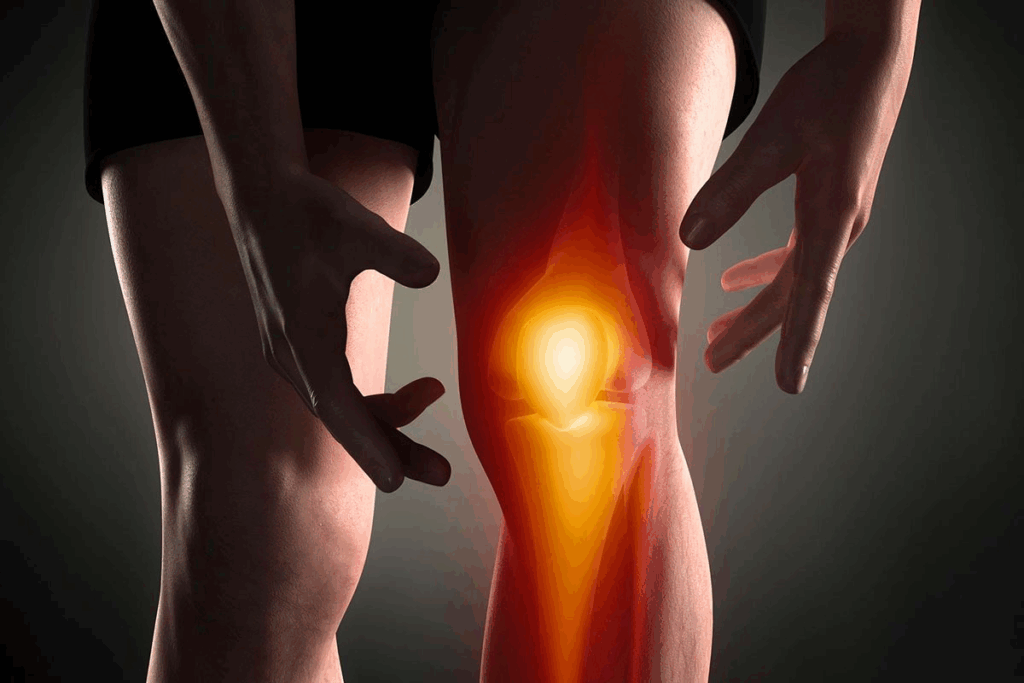
Nearly 30% of adults deal with knee pain at some point. Tendonitis is a big reason for this. It’s an inflammation of the tendons around the knee, affecting daily life and sports.
The healing time for knee tendonitis depends on several things. These include how bad the inflammation is, how well treatment works, and your overall health. Knowing the usual recovery timeline helps set realistic goals and choose the right treatment.
Key Takeaways
- The severity of knee tendonitis affects the overall recovery duration.
- Effective treatment plans can significantly reduce healing time.
- Individual health factors, such as age and overall health, play a critical role in recovery.
- Understanding the typical recovery timeline is essential for managing expectations.
- A well-structured rehabilitation program can improve outcomes.
Understanding Knee Tendonitis
Tendons around the knee can get inflamed, leading to knee tendonitis. This condition makes moving hard and hurts. It’s common in athletes and those who do a lot of physical activities.
Definition and Anatomy
Knee tendonitis is when tendons around the knee get inflamed. Tendons connect muscles to bones and help the knee move and stay stable. When they get inflamed, it hurts and makes moving harder.
The knee has many tendons, but the quadriceps and patellar tendons get tendonitis a lot. The Nu Knee Brace helps by supporting the knee and easing tendon strain.
Common Types of Knee Tendonitis
There are a few types of knee tendonitis, each hitting different tendons:
- Patellar Tendonitis: Known as “jumper’s knee,” it affects the tendon from the kneecap to the shinbone.
- Quadriceps Tendonitis: This is when the tendon from the quadriceps muscle to the kneecap gets inflamed.
- Pes Anserine Tendonitis: This type hits the tendons on the inner lower part of the knee, common in runners and cyclists.
Knowing which type of knee tendonitis you have is key to finding the right treatment and recovery process. How long it takes to heal depends on how bad it is and how well the treatment works.
Acute vs. Chronic Knee Tendonitis
It’s important to know the difference between acute and chronic knee tendonitis. Knee tendonitis is when the tendons around the knee get inflamed or irritated. This can really affect how well you live your life.
Acute knee tendonitis happens suddenly, often from an injury or too much use. The symptoms are strong but don’t last long. With the right care, you can get better.
Characteristics of Acute Tendonitis
Acute tendonitis shows inflammation, pain, and less function. The pain is mainly in the tendon and gets worse when you move. Rest and the right treatment can help a lot.
Here are some key signs of acute tendonitis:
- Sudden pain
- Inflammation and swelling
- Pain that gets worse with activity
- Less function in the knee
A medical expert says,
“Acute tendonitis needs quick attention to avoid more damage and help it heal.”
Progression to Chronic Tendonitis
If acute tendonitis isn’t treated right, it can turn into chronic tendonitis. Chronic tendonitis has long-lasting pain and inflammation. It often comes from too much strain or not healing well.
| Characteristics | Acute Tendonitis | Chronic Tendonitis |
| Onset | Sudden | Gradual |
| Duration | Short-term | Long-term |
| Pain | Severe, activity-related | Persistent, even at rest |
| Inflammation | Present | Variable |
Turning into chronic tendonitis makes recovery harder. It’s key to treat acute tendonitis well and fast. Knowing the tendonitis healing stages helps with treatment plans.
Getting better from chronic knee tendonitis takes a long time. You need a detailed treatment plan. This might include physical therapy, changing your lifestyle, and sometimes medical help. How long it takes to heal depends on how bad it is and how well you’re treated.
Symptoms and Diagnosis
Knowing the symptoms of knee tendonitis is key for quick diagnosis and treatment. This condition, also known as patellar tendonitis or jumper’s knee, mainly affects athletes and those who jump or run a lot.
Common Symptoms
The signs of knee tendonitis can vary. They often include pain and tenderness below the kneecap, swelling, and stiffness or aching in the knee. Pain usually gets worse with activity and gets better with rest. In bad cases, the pain can be constant and make daily tasks hard.
Other common symptoms include:
- Pain when jumping, running, or landing
- Tenderness to the touch
- Mild swelling or redness
Diagnostic Procedures
Diagnosing knee tendonitis involves a physical exam, medical history, and sometimes imaging tests. A healthcare professional will check the knee’s range of motion, pain spots, and may do specific tests to check the tendon.
Imaging tests like X-rays or MRI scans might be used to check for other knee pain causes or to see how bad the tendon damage is. These tests help create a good treatment plan.
Understanding symptoms and getting the right tests are important for managing knee tendonitis. Early diagnosis leads to better treatment and a faster return to normal activities.
Knee Tendonitis Healing Time
Knowing how long it takes for knee tendonitis to heal is key. It helps set realistic goals and guides the recovery. The time it takes can change based on how bad the condition is, how well the treatment works, and the person’s health.
Average Recovery Timeline
Knee tendonitis recovery can take anywhere from a few weeks to several months. For example, mastering deep squats can take four to eight weeks. Downward-facing dog might take three to six weeks, and the hollow body hold can need four to eight weeks.
Key milestones in the average recovery timeline include:
- Initial recovery phase: 2-4 weeks
- Strengthening phase: 4-8 weeks
- Return to full activity: 8-12 weeks
Healing Stages
The healing process for knee tendonitis has several stages. Knowing these stages helps tailor the treatment to each stage’s needs.
The healing stages typically involve:
- Inflammation stage: This first stage has pain, swelling, and inflammation. It lasts a few days to a couple of weeks.
- Repair stage: Here, the body starts fixing the tendon. This stage can last several weeks.
- Remodeling stage: In the last stage, the tendon gets stronger and works better. This stage can last several months.
To manage knee tendonitis recovery well, you need a full plan. This includes knowing the healing stages, sticking to a treatment plan, and doing exercises to strengthen the knee and improve flexibility.
Factors Affecting Recovery Duration
Knowing what affects knee tendonitis recovery is key to treating it well. The healing time can change based on many things. It’s important to know and tackle these factors.
Age and Overall Health
Age and health are big factors in how long it takes to heal from knee tendonitis. Older people might heal slower because their bodies don’t make collagen as well. People with health issues like diabetes or rheumatoid arthritis might also heal slower because their bodies can’t fight off infections as well.
Severity of the Injury

The severity of the injury also plays a big role. Mild cases might heal quickly with treatments like ice therapy for knee tendonitis. But, more serious cases need longer rehab and might even need surgery.
Treatment Adherence
Following the treatment plan is very important for quick recovery. This means sticking to anti-inflammatory treatment and doing physical therapy as told. Not following the plan can make recovery take longer and might lead to more problems.
Lifestyle Factors
How you live affects your recovery too. Eating right, not overdoing it, and using tools like the Nu Knee Brace can help. The Nu Knee Brace helps by applying pressure to reduce swelling and pain.
To fully recover from tendonitis, you need to tackle all these factors. Understanding and managing these can help you heal faster and prevent future problems.
The RICE Protocol for Initial Treatment
The RICE protocol is a common first step for knee tendonitis. It stands for Rest, Ice, Compression, and Elevation. This method helps lessen pain and swelling, aiding in quicker healing.
Rest and Activity Modification
It’s important to rest your knee at the start of knee tendonitis. Rest means avoiding activities that make it worse, like running. You should also change your activities to lower stress on your knee tendon. This could mean doing low-impact exercises like cycling or swimming.
Ice Therapy Benefits
Ice therapy is a simple yet effective way to reduce pain and swelling. Apply ice to the affected area for 15-20 minutes, several times a day. This can greatly reduce inflammation. Make sure to wrap the ice in a cloth to avoid direct skin contact.
Compression Techniques
Using compression can help reduce swelling by limiting blood flow. You can use compression bandages or sleeves. But, they should not be too tight to cut off circulation. The goal is to find a balance that supports without blocking blood flow.
Elevation Methods
Elevation involves raising the affected knee above the heart to reduce swelling. This can be done by propping up the leg on a pillow when sitting or lying down. Elevation helps reduce blood flow to the area, which decreases inflammation.
Following the RICE protocol can help manage knee tendonitis symptoms. It’s a simple, non-invasive approach that can be done at home. This makes it a great first step in treating knee tendonitis.
Medication Options for Pain Management
There are many ways to manage knee tendonitis pain. These methods can help ease discomfort, reduce swelling, and improve movement.
Over-the-Counter Pain Relievers
Over-the-counter (OTC) pain relievers are often the first choice for knee tendonitis. These include:
- Ibuprofen (e.g., Advil, Motrin): Helps reduce pain and inflammation.
- Naproxen (e.g., Aleve): Provides longer-lasting pain relief and anti-inflammatory effects.
- Acetaminophen (e.g., Tylenol): Effective for pain relief but does not reduce inflammation.
It’s important to follow the dosage instructions and talk to a healthcare provider before taking any medication for a long time.
Prescription Medications
In some cases, prescription medications are needed for more severe pain or when OTC options don’t work. These can include:
- Corticosteroids: Powerful anti-inflammatory medications that can be taken orally or injected into the affected area.
- Stronger NSAIDs: Prescription-strength nonsteroidal anti-inflammatory drugs for more severe inflammation.
Here’s a comparison of common pain relief medications:
| Medication Type | Examples | Primary Use |
| OTC NSAIDs | Ibuprofen, Naproxen | Pain relief and anti-inflammatory |
| OTC Analgesic | Acetaminophen | Pain relief |
| Prescription NSAIDs | Celecoxib | Pain relief and anti-inflammatory |
| Corticosteroids | Prednisone | Anti-inflammatory |
Managing knee tendonitis well needs a mix of medication, physical therapy, and lifestyle changes. Always talk to a healthcare professional to find the best treatment for you.
Physical Therapy Approaches
Physical therapy is key for healing knee tendonitis and getting the knee to work right again. A good physical therapy plan can help a lot. It can lessen pain and make the knee function better.
Strengthening Exercises
Building muscle around the knee is very important for recovery. Exercises like squats, lunges, and leg presses strengthen the muscles. A physical therapist will make a plan just for you and help you get stronger little by little.
A study in a Journal showed that strengthening helps a lot. It made patients with patellar tendinopathy feel better and move easier.
“Strengthening exercises are key for knee tendonitis. They help lessen pain and improve how you move.”
An Orthopedic Specialist
Flexibility and Range of Motion
It’s also important to work on flexibility and how well the knee moves. Stretching exercises keep or improve flexibility. Exercises that help the knee move freely are also important.
- Hamstring stretches
- Quad stretches
- Knee flexion and extension exercises
Therapeutic Modalities
Therapeutic modalities are used with exercises to help recovery. These can include:
| Modality | Description | Benefits |
| Ultrasound Therapy | Uses high-frequency sound waves to promote healing | Reduces inflammation, promotes tissue repair |
| Electrical Stimulation | Applies electrical currents to stimulate muscle contractions | Improves muscle strength, reduces pain |
| Heat and Cold Therapy | Applies temperature variations to reduce pain and inflammation | Relieves pain, reduces muscle spasms |
Using these physical therapy methods can really help people with knee tendonitis. It’s important to work with a good physical therapist to make a plan that’s just right for you.
Home Remedies and Self-Care Strategies
Knee tendonitis sufferers can find relief through self-care and home remedies. Medical treatment is key, but home practices can also help a lot.
Proper Rest Techniques
Resting properly is vital for healing. It means avoiding activities that make the pain worse and letting the tendon heal.
- Rest: Avoid activities that cause pain.
- Activity Modification: Modify daily activities to reduce strain on the knee.
Nutrition for Tendon Healing
Eating a balanced diet with certain nutrients can help tendons heal. Important nutrients include:
- Protein: Essential for repair and rebuilding of tissues.
- Vitamin C: Important for collagen synthesis.
- Omega-3 Fatty Acids: Helps reduce inflammation.
Supportive Devices
Supportive devices can offer extra stability and relief. For example, the Nu Knee Brace is good for all ages and activity levels. It supports and protects the knee.
By using these home remedies and self-care strategies, people with knee tendonitis can lessen their recovery time and ease symptoms.
Advanced Medical Interventions
When simple treatments don’t work, doctors may try more advanced methods. These treatments aim to help patients who haven’t gotten better with basic care.
Corticosteroid Injections
Corticosteroid injections are a common advanced treatment for knee tendonitis. They involve injecting steroids into the affected tendon to reduce inflammation and alleviate pain. While effective in the short term, their long-term use is generally avoided due to possible side effects like tendon weakening.
Platelet-Rich Plasma Therapy
Platelet-rich plasma (PRP) therapy is a newer approach. It involves injecting platelet-rich plasma (from the patient’s own blood) into the damaged tendon. PRP contains growth factors that help repair and regenerate the tendon. Studies show promising results, but the effectiveness can vary based on the severity of the tendonitis and individual factors.
Surgical Options
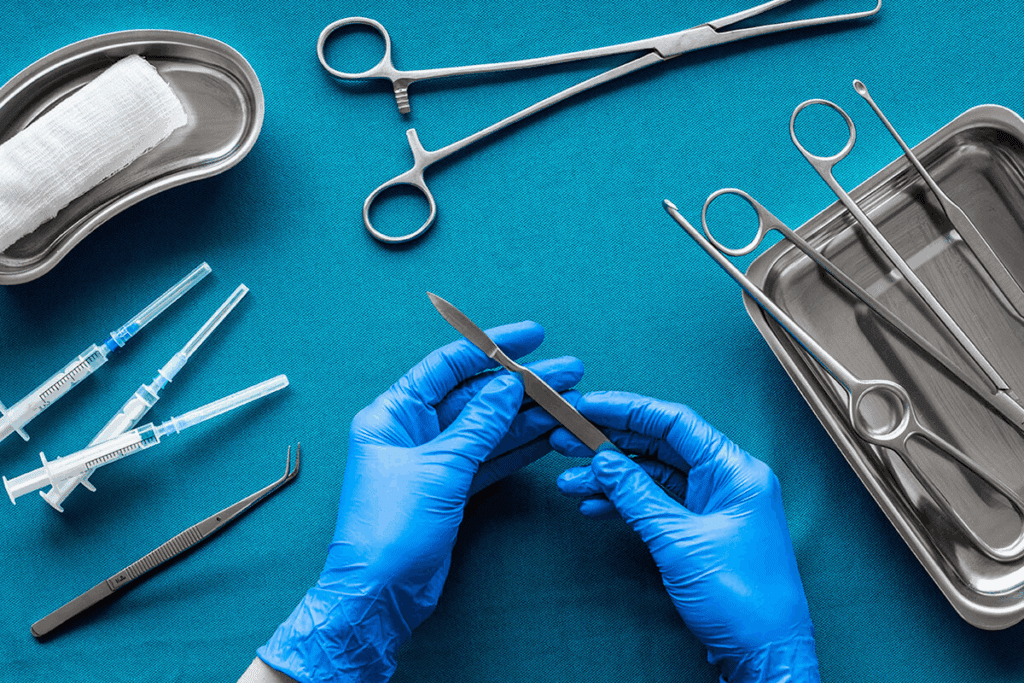
Surgery is usually a last resort for knee tendonitis. It’s considered when other treatments have failed and the condition greatly affects the patient’s life. Surgical procedures may involve removing damaged tendon parts, repairing the tendon, or reattaching it to the bone.
Choosing advanced medical interventions should be a decision made with a healthcare professional. They consider the patient’s overall health, the severity of their condition, and the benefits and risks of each treatment option.
- Corticosteroid injections can provide short-term relief but may have long-term risks.
- PRP therapy stimulates healing using the patient’s own platelets.
- Surgical options are considered when other treatments fail.
Rehabilitation Timeline and Process
The journey to heal from knee tendonitis is long and requires effort. Knowing the steps of recovery helps people get ready and work towards the best results.
Early Phase Rehabilitation
In the early stages, the main goal is to lessen pain and swelling. This is done by resting, using ice, compression, and elevating the knee. Gentle stretching and moving the knee also help.
- Gentle stretching to maintain range of motion
- Strengthening exercises for surrounding muscles
- Gradual progression of activities
Middle Phase Rehabilitation
When pain and swelling go down, the focus shifts. Now, the goal is to make the tendon and muscles stronger.
- Straight leg raises
- Quad sets
- Resistance band exercises
| Exercise | Repetitions | Sets |
| Straight leg raises | 10-15 | 3 |
| Quad sets | 10-15 | 3 |
| Resistance band exercises | 10-15 | 3 |
Return to Activity Phase
The last phase is about getting back to normal activities and sports. It involves slowly adding more exercises and activities. This makes sure the tendon can handle the demands of sports or activities.
Key considerations for return to activity:
- Gradual progression of intensity and volume
- Monitoring for pain and inflammation
- Maintenance of strengthening exercises
Understanding the rehabilitation process helps those with knee tendonitis. It makes their recovery journey smoother and more successful.
Alternative Therapies for Knee Tendonitis
If you’re looking for more relief, try acupuncture and massage therapy. They can work alongside traditional treatments. They offer a complete way to handle knee tendonitis.
Acupuncture
Acupuncture uses thin needles in certain body points to help heal and ease pain. Studies show it can lessen pain and boost function in knee tendonitis patients. It’s thought to improve blood flow and release pain-relievers.
Benefits of Acupuncture:
- Potential reduction in pain and inflammation
- Improved function and mobility
- Minimally invasive with few side effects
Massage Therapy
Massage therapy works on soft tissues to relax, reduce muscle tension, and enhance blood flow. For knee tendonitis, it can ease pain and aid healing by boosting blood flow.
Types of Massage Therapy:
- Deep tissue massage
- Sports massage
- Trigger point therapy
Therapeutic Taping
Therapeutic taping, like Kinesio taping, supports the knee and surrounding tissues without limiting movement. It can help lessen pain and enhance function by providing support and stimulating proprioception.
Advantages of Therapeutic Taping:
- Provides support without limiting mobility
- Can reduce pain and improve function
- Easy to apply and remove
Preventing Recurrence of Knee Tendonitis
To prevent knee tendonitis from coming back, you need a few key steps. These include proper warm-ups, the right gear, and smart training changes. By following these tips, you can lower your chance of getting hurt again and keep your knees healthy.
Proper Warm-up Techniques
Before you start any physical activity, a good warm-up is essential. It gets your muscles and tendons ready for the workout ahead, helping to avoid injuries. A good warm-up should include:
- Light Cardiovascular Exercise: 5-10 minutes of jogging, cycling, or swimming to increase blood flow.
- Dynamic Stretching: Leg swings, lunges, and calf raises to loosen the muscles around the knee.
- Specific Tendon Exercises: Eccentric exercises targeting the knee tendons to strengthen them.
Sports medicine experts say a good warm-up does more than just prevent injuries. It also boosts your performance. This all-around approach to getting ready can greatly improve your knee health.
Equipment and Gear Considerations
The right equipment and gear are important in preventing knee tendonitis from coming back. Consider these:
- Proper Footwear: Shoes that support and cushion your feet well can help reduce knee tendon stress.
- Knee Support: Knee sleeves or straps can add stability and protection.
- Orthotics: Custom orthotics can fix biomechanical issues that might lead to tendonitis.
“The right gear can make a big difference in avoiding overuse injuries,” a study in a leading sports medicine journal found.
Training Modifications
Changing your training routine is key to avoiding knee tendonitis. This can mean:
- Gradual Progression: Steadily increase the intensity or volume of your workouts.
- Cross-Training: Add low-impact activities to reduce knee stress.
- Strengthening Exercises: Focus on exercises that strengthen the muscles around your knee for better support.
By making these changes to your training, you can lower your risk of getting knee tendonitis again. This way, you can stay active and healthy.
When to Seek Medical Attention
Knowing when to see a doctor is key for knee tendonitis patients. Many cases can be treated without a doctor, but some symptoms mean you need a medical check-up.
Warning Signs of Complications
It’s important to watch for signs that could mean a bigger problem. These include:
- Severe pain that doesn’t get better with rest or medicine.
- Swelling or redness around the knee that gets worse.
- Instability or feeling like the knee is unstable.
- Deformity or an unusual shape of the knee.
- Fever or chills, which could mean an infection.
Finding the Right Specialist
For knee tendonitis, you might need a specialist. Here’s how to find the right one:
- Look for an orthopedic specialist or a sports medicine doctor.
- Check their qualifications and experience with knee tendonitis.
- Read reviews or ask for recommendations from others.
Choosing the right specialist means you’ll get the best care for your knee tendonitis.
Conclusion
Understanding how to heal is key to getting better from knee tendonitis. The path to full recovery includes the right treatment, rehab, and lifestyle changes. How long it takes to heal depends on how bad the condition is and the treatment’s success.
A good rehab plan, with physical therapy and home care, is very important. Things like age, health, and sticking to treatment plans also affect healing time. By using a complete treatment approach and making lifestyle changes, people can improve their recovery and lower the chance of getting it again.
Managing knee tendonitis well needs patience, hard work, and a strong commitment to rehab. With the right treatment, people can beat knee tendonitis and get their knees working well again.
FAQ
What is the average healing time for knee tendonitis?
Knee tendonitis healing time varies. It can take weeks to months, depending on the severity.
How long does it take to recover from acute knee tendonitis?
Acute knee tendonitis recovery time is 2-6 weeks. It depends on treatment success and health.
Can chronic knee tendonitis be fully recovered from?
Chronic knee tendonitis recovery is tough. But, with the right treatment and lifestyle changes, symptoms can improve.
What are the stages of healing for knee tendonitis?
Healing stages include inflammation, repair, and remodeling. These phases can last weeks to months.
How does age affect the recovery duration of knee tendonitis?
Age impacts recovery. Older people heal slower due to less collagen and other age factors.
What is the RICE protocol, and how does it help with knee tendonitis?
RICE stands for Rest, Ice, Compression, and Elevation. It reduces pain and inflammation, aiding healing.
Can physical therapy help with knee tendonitis recovery?
Yes, physical therapy is key. It improves strength, flexibility, and range of motion, aiding healing and preventing recurrence.
Are there any alternative therapies that can help with knee tendonitis?
Yes, therapies like acupuncture, massage, and taping can help. They ease symptoms and promote healing.
How can I prevent the recurrence of knee tendonitis?
Prevent recurrence with proper warm-ups, using the right gear, and modifying training. A healthy lifestyle and addressing biomechanics also help.
When should I seek medical attention for knee tendonitis?
Seek medical help for severe pain, swelling, or instability. Also, if symptoms worsen or don’t improve with treatment.
What are the warning signs of complications from knee tendonitis?
Watch for increasing pain, swelling, or instability. Also, signs of infection like redness, warmth, or pus.
References
- Sciencedaily. (2025). This European treatment for joint pain just passed a major scientific test. https://www.sciencedaily.com/releases/2025/10/251015032316.htm
- Khan, K. M., & Scott, A. (2009). Mechanotherapy: How physical therapists’ prescription of exercise promotes tissue repair. British Journal of Sports Medicine, 43(4), 247–252. https://www.ncbi.nlm.nih.gov/pmc/articles/PMC2673866/