Last Updated on November 26, 2025 by Bilal Hasdemir
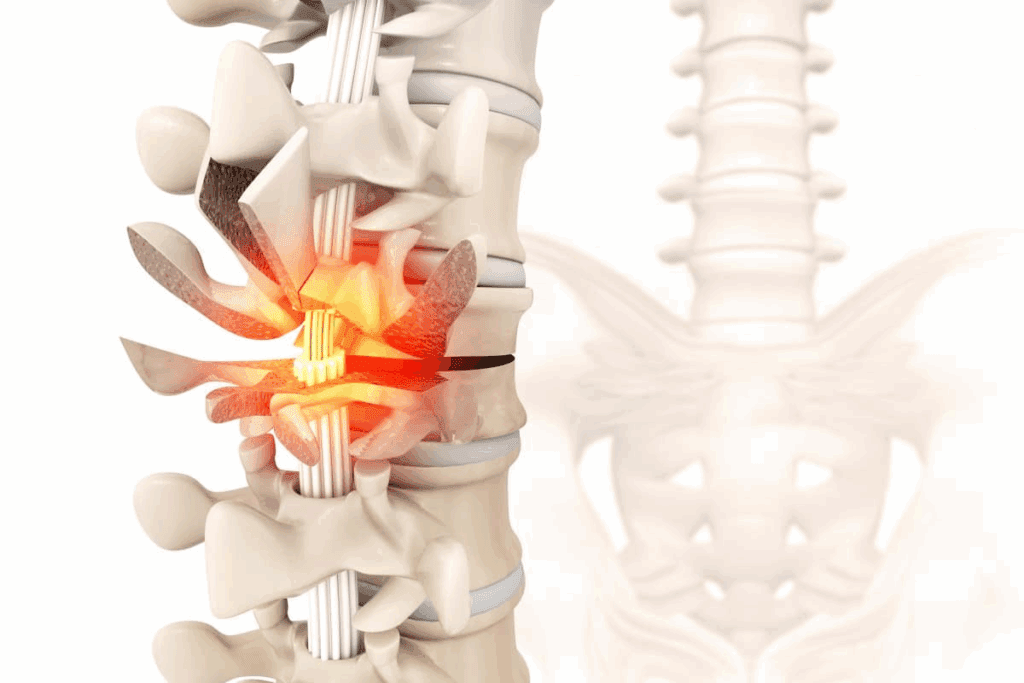
Learning about kyphoplasty surgery is key to making smart choices about your spine. A kyphoplasty procedure video shows you the whole process clearly. See a kyphoplasty procedure video. Our ultimate guide explains the key steps and powerful insights of this spine surgery.
At Liv Hospital, we help patients understand this minimally invasive surgery. It’s for treating spinal compression fractures. Watching a video kyphoplasty procedure helps you see the benefits and what to expect.
Vertebral compression fractures, often from osteoporosis, can hurt a lot and limit your movement. We explain how kyphoplasty can ease the pain and make your spine stable again.
Key Takeaways
- Understand the step-by-step process of a kyphoplasty surgery
- Learn about the benefits of this minimally invasive spinal surgery
- Gain insights into what to expect during the kyphoplasty surgery
- Discover how kyphoplasty can help relieve pain from vertebral compression fractures
- Find out how watching a kyphoplasty procedure video can empower patients to make informed choices
Understanding Kyphoplasty: A Minimally Invasive Spinal Procedure

Kyphoplasty is a key treatment for vertebral compression fractures. It’s a minimally invasive procedure that helps relieve pain. It’s known for its effectiveness in treating spinal fractures.
What Is Kyphoplasty and How to Pronounce Kyphoplasty
Kyphoplasty is a procedure for spinal compression fractures. Say “ky-fo-PLAS-tee” when you say it. It involves putting bone cement into the vertebra to make it stronger.
The whole procedure takes about 30 to 45 minutes.
Common Causes for Spinal Compression Fractures
Spinal compression fractures can happen due to osteoporosis or injuries. Knowing why they happen helps find the right treatment. Osteoporosis is a big risk for older people.
Benefits of Kyphoplasty Over Traditional Treatments
Kyphoplasty has many advantages over old treatments. It’s less invasive, has quicker recovery times, and relieves pain well. The anesthesia used makes the procedure almost painless.
It’s also part of percutaneous vertebral augmentation, a method to stabilize the spine.
| Procedure | Recovery Time | Pain Relief |
| Kyphoplasty | Short-term | Effective |
| Traditional Surgery | Long-term | Variable |
In short, kyphoplasty is a great option for spinal compression fractures. It’s a minimally invasive method with many benefits. Knowing about it helps patients make better choices for their health.
Why Watch Kyphoplasty Procedure Videos?

Kyphoplasty procedure videos are great for patients and medical students. They show how this spinal procedure works. You can learn about its benefits and what happens during treatment.
Educational Benefits for Patients and Medical Students
These videos are very educational. For patients, they clear up what to expect. This can make them feel less anxious. Medical students learn a lot from seeing the procedure up close.
They learn about the steps of kyphoplasty. This includes how special tools are used and the role of precise imaging. It’s very helpful for those new to interventional radiology or orthopedic surgery.
Setting Realistic Expectations Before Treatment
Watching a kyphoplasty video helps set realistic expectations. Patients see the whole process. This includes preparation, the procedure, and what happens right after.
This helps manage what patients think about pain relief and recovery. For example, they learn that kyphoplasty can greatly reduce back pain. It can also help restore the height of the vertebral body.
Seeing videos of kyphoplasty, including IR kyphoplasty, shows different techniques. It highlights the skill needed to perform the treatment.
Finding Quality Kyphoplasty Surgery Videos Online
Looking for kyphoplasty surgery videos online? It’s key to find reliable sources. The internet has lots of medical info, but not all videos are trustworthy.
For top-notch content, check out reputable medical sites and platforms. Look for professional medical societies, educational websites, and well-known healthcare groups.
Reliable Medical Resources and Platforms
Here are some trusted places for kyphoplasty surgery videos:
- Professional medical associations, such as the American Academy of Orthopaedic Surgeons
- Reputable medical education websites, like those affiliated with top-tier medical schools
- Healthcare organizations that specialize in spinal procedures, such as those that offer t12 kyphoplasty or l1 kyphoplasty
These sources give accurate and current info on kyphoplasty. They also compare it with treatments like percutaneous vertebroplasty.
Evaluating Video Credibility and Production Quality
When checking out kyphoplasty surgery videos, we look at a few things:
- Production quality: Is the video clear and well-lit?
- Narration and commentary: Is the explanation clear and concise?
- Credibility of the presenter: Are they a medical professional with relevant expertise?
- Date of production: Is the information current?
Good videos have high production values and are explained by experts.
Patient Privacy Considerations in Surgical Videos
It’s vital to make sure kyphoplasty surgery videos respect patient privacy. Good sources get consent and protect patient info.
By focusing on these points and choosing trusted sources, we can find valuable videos. These videos help us understand kyphoplasty and treatments like percutaneous vertebroplasty.
Essential Medical Terminology in Kyphoplasty Procedure Videos
To fully understand kyphoplasty procedure videos, knowing the medical terms is key. These terms help both patients and medical professionals get the procedure and its benefits.
Vertebral Anatomy Terms You’ll Encounter
Kyphoplasty deals with the spine, so knowing spinal anatomy is important. The spine has parts like the cervical, thoracic, lumbar, sacrum, and coccyx. Kyphoplasty mainly focuses on the thoracic and lumbar areas.
Key Terms:
- Vertebral body: The main weight-bearing part of a vertebra.
- Vertebral compression fracture (VCF): When a vertebra collapses.
- Pedicles: Bony parts that link the vertebral body to the back parts.
Understanding T12 Kyphoplasty and L1 Kyphoplasty References
T12 and L1 are specific vertebrae in the spine. T12 is the twelfth thoracic vertebra, and L1 is the first lumbar vertebra. These are common sites for fractures, making them key for kyphoplasty.
Knowing which vertebrae are involved helps understand the procedure’s focus and results.
Percutaneous Vertebral Augmentation Explained
Percutaneous vertebral augmentation includes procedures like kyphoplasty. These aim to stabilize and strengthen compressed vertebrae by injecting bone cement.
Percutaneous means the procedure is done through the skin, with a small incision. This reduces recovery time and scarring.
| Term | Description |
| Percutaneous Vertebral Augmentation | Minimally invasive procedure to stabilize compressed vertebrae |
| Kyphoplasty | A type of percutaneous vertebral augmentation involving balloon inflation to create space for bone cement |
| T12 Kyphoplasty | Kyphoplasty procedure performed on the twelfth thoracic vertebra |
By grasping these key medical terms, patients can better understand kyphoplasty. This knowledge helps them make informed decisions about their treatment.
Step-by-Step Guide to Watching a Kyphoplasty Procedure Video
Watching a kyphoplasty procedure video is a great way to learn for patients and medical professionals. We’ll show you the main steps of this spinal procedure.
Patient Positioning and Preparation
The first step is getting the patient ready. They lie on a special table that lets doctors see them on a screen. Getting the position right is key to avoid problems.
Kyphoplasty Anesthesia Administration
Then, local anesthesia is given to the area of the procedure. This is often combined with sedation to keep the patient calm. Good anesthesia makes the procedure comfortable and smooth.
Needle Insertion and Balloon Inflation Process
The next step is putting a needle into the vertebra. A balloon is then used to make a space in the vertebra. This helps fix the fracture and restore height.
- The needle is carefully guided into the vertebra.
- A balloon tamp is inserted through the needle.
- The balloon is inflated to create a cavity.
Bone Cement Injection and Curing
After the balloon is deflated, bone cement is put into the space. The cement hardens, which helps support the vertebra. This step is very important for fixing the fracture and easing pain.
- Bone cement is prepared for injection.
- The cement is injected into the cavity.
- The cement is allowed to cure and harden.
By watching a kyphoplasty procedure video, you can understand what happens during the treatment. This can help patients feel more ready for their procedure.
Equipment and Tools Featured in Video Kyphoplasty Procedures
To understand kyphoplasty, we must look at the tools and equipment in surgical videos. Modern kyphoplasty uses advanced technology for precision and safety.
Imaging Technology: Fluoroscopy and X-ray Guidance
Imaging tech is key in kyphoplasty. Fluoroscopy and X-rays give surgeons real-time spine images. This helps place instruments accurately and check the procedure’s progress.
Specialized Instruments for Vertebral Access
Special tools help reach the vertebrae for treatment. These tools are designed to be small and cause less damage. They help surgeons target the right area with great precision.
Balloon Tamps and Cement Delivery Systems
Balloon tamps make space in the vertebra and restore its height. Then, bone cement is injected to fill the space. This combo is vital for stabilizing the vertebra and easing pain.
Knowing about the tools in kyphoplasty, like those in videos, is important. It helps both doctors and patients understand the procedure’s complexity and success factors.
Variations of Kyphoplasty Shown in Surgical Videos
Surgical videos show different kyphoplasty methods for various patient needs. These differences highlight how kyphoplasty can treat spinal compression fractures in many ways.
IR Kyphoplasty: Interventional Radiology Approach
IR kyphoplasty is a big step forward in treating vertebral compression fractures. It uses interventional radiology to stabilize the spine in a precise and minimally invasive way. IR kyphoplasty combines the benefits of kyphoplasty with the accuracy of radiological guidance, improving patient results.
Comparing Kyphoplasty vs. Percutaneous Vertebroplasty Videos
Looking at videos of kyphoplasty and percutaneous vertebroplasty shows their differences. Both aim to stabilize the spine but use different methods. Kyphoplasty uses a balloon tamp to create a space before adding cement, while percutaneous vertebroplasty injects cement directly into the vertebra. Knowing these differences helps choose the best treatment for each patient.
Multilevel Procedures in Complex Cases
In cases with many vertebral fractures, multilevel kyphoplasty is used. This method needs careful planning and execution for the best results. Multilevel kyphoplasty treats multiple fractures at once, cutting down on the need for many surgeries and speeding up recovery.
By studying these variations in surgical videos, doctors and patients can better understand the treatment options and their benefits.
Key Insights from Videos of Kyphoplasty Procedures
Watching kyphoplasty procedure videos helps patients and doctors understand the treatment better. These videos show all the steps, from getting ready for the procedure to aftercare. Knowing these steps is key for a good outcome.
Pre-Procedure Patient Assessment
Before the procedure, doctors carefully check the patient. Videos show how they look at the patient’s history and current health. They also check if the patient is right for the procedure.
Proper Technique and Safety Measures
Videos highlight the right way to do kyphoplasty and keep patients safe. They show how kyphoplasty anesthesia is given, needles are placed, and balloons are inflated. Watching these videos helps doctors get better at their job.
Post-Procedure Care and Monitoring
After the procedure, it’s important to watch the patient closely. Videos show how patients are checked for problems and helped with pain. Good care after the procedure is key to success.
In summary, videos of kyphoplasty procedures are very helpful. They give insights into getting ready, doing the procedure, and aftercare. This improves the quality of care for everyone involved.
Common Questions Answered Through Kyphoplasty Procedure Videos
Watching kyphoplasty surgery videos can help patients understand what to expect during and after the procedure. These videos provide a detailed overview of the kyphoplasty process. They address common questions and concerns that patients may have.
Recovery Time and Post-Operative Expectations
One of the main concerns for patients undergoing kyphoplasty is the recovery time. Kyphoplasty procedure videos show the post-operative care and recovery process. This gives patients a realistic idea of their own recovery. Typically, patients can get back to normal activities within a few days to a week after the procedure.
These videos also highlight the importance of post-operative care. They show the steps needed for a smooth recovery, including pain management and follow-up appointments. By watching these videos, patients can better understand what they need to do to recover well.
Success Rates and Possible Complications
Kyphoplasty surgery videos also talk about the success rates of the procedure and possible complications. For example, they show how t12 kyphoplasty or l1 kyphoplasty can successfully treat vertebral compression fractures.
| Procedure | Success Rate | Potential Complications |
| T12 Kyphoplasty | 85-90% | Cement leakage, infection |
| L1 Kyphoplasty | 80-85% | Vertebral fracture, nerve damage |
Patient Selection Criteria Demonstrated in Videos
Kyphoplasty procedure videos often show the criteria used to select patients. By watching these videos, patients can see if kyphoplasty is right for them.
We see that kyphoplasty videos explain the procedure in detail. They show how imaging technology and specialized instruments are used. This helps patients understand the complexity and nuances of the treatment.
In conclusion, kyphoplasty procedure videos are a valuable resource for patients. They help patients understand the treatment options for spinal compression fractures. By answering common questions and concerns, these videos empower patients to make informed decisions about their care.
Conclusion: Maximizing Learning from Kyphoplasty Surgical Videos
Learning from kyphoplasty surgical videos is key for doctors and patients. Watching a kyphoplasty procedure video helps us understand the process and its benefits. We can learn by seeing the steps, from preparing the patient to injecting bone cement.
A kyphoplasty surgery video shows us the tools and methods used, like imaging and special instruments. Doctors can improve their skills, and patients can know what to expect. This knowledge can lead to better results and happier patients.
To learn the most from kyphoplasty procedure videos, choose high-quality, trusted sources. Look for videos from well-known medical sites. This way, we get accurate and reliable info, helping us understand kyphoplasty better.
FAQ
What is kyphoplasty and how is it pronounced?
Kyphoplasty is a procedure to fix and strengthen broken or compressed vertebrae. It’s done without a big cut. The right way to say it is “ky-foh-PLAS-tee.”
What are the common causes of spinal compression fractures?
Spinal compression fractures can happen due to osteoporosis, injury, or cancer. Osteoporosis is the main reason. It makes bones weak and prone to breaking.
What are the benefits of kyphoplasty over traditional treatments?
Kyphoplasty is less invasive and has a shorter recovery time. It also relieves pain well. Plus, it helps keep the spine stable and can raise the height of the vertebra.
How long is the recovery time after a kyphoplasty procedure?
Recovery times vary, but most people can get back to normal in a few days to a week. Some feel better right away, while others might take longer.
What are the success rates and possible complications of kyphoplasty?
Kyphoplasty works well for most people, easing pain and stabilizing the spine. But, there are rare risks like cement leakage, infection, or nerve damage.
What are the patient selection criteria for kyphoplasty demonstrated in videos?
Doctors choose patients with painful fractures, who haven’t gotten better with other treatments, and have the right spine shape. Videos show how doctors check these things.
What is the difference between kyphoplasty and percutaneous vertebroplasty?
Kyphoplasty uses a balloon to lift the vertebra before adding cement. Percutaneous vertebroplasty just adds cement without the balloon.
What is IR kyphoplasty, and how does it differ from traditional kyphoplasty?
IR kyphoplasty is done by radiologists using imaging. It might be a bit different from the usual way of doing kyphoplasty.
What are the essential medical terminology terms related to kyphoplasty?
Important terms include the shape of the spine, T12 and L1 kyphoplasty, and how the procedure is done. Knowing these helps understand the process better.
How can I find quality kyphoplasty surgery videos online?
Look for trusted medical sites and videos. Check if the videos are well-made and if they respect patient privacy. Good sources include educational medical channels and websites.