Last Updated on December 1, 2025 by Bilal Hasdemir

A big part of the world’s population deals with lumbar disc bulge. Studies show that up to 60% of people have lumbar degenerative disc disease (LDD). Many of these cases are at the L4-L5 level, which really affects people’s lives.
Recent research in the found many disc samples at the L4-L5 and L5-S1 levels. A lot of them were bulged. This problem not only hurts our bodies but also costs a lot of money.
It’s important to know how serious herniated disc problems like L4 L5 disc bulge are. This article will help you understand how bad it can be and what it means for treatment.
Key Takeaways
- The global prevalence of LDD can reach up to 60%.
- L4-L5 is a common level for disc bulge occurrence.
- Lumbar disc bulge significantly affects patients’ physical and mental health.
- The condition has substantial socioeconomic implications.
- Understanding the condition’s severity is key to effective management.
What Is an L4 L5 Disc Bulge?
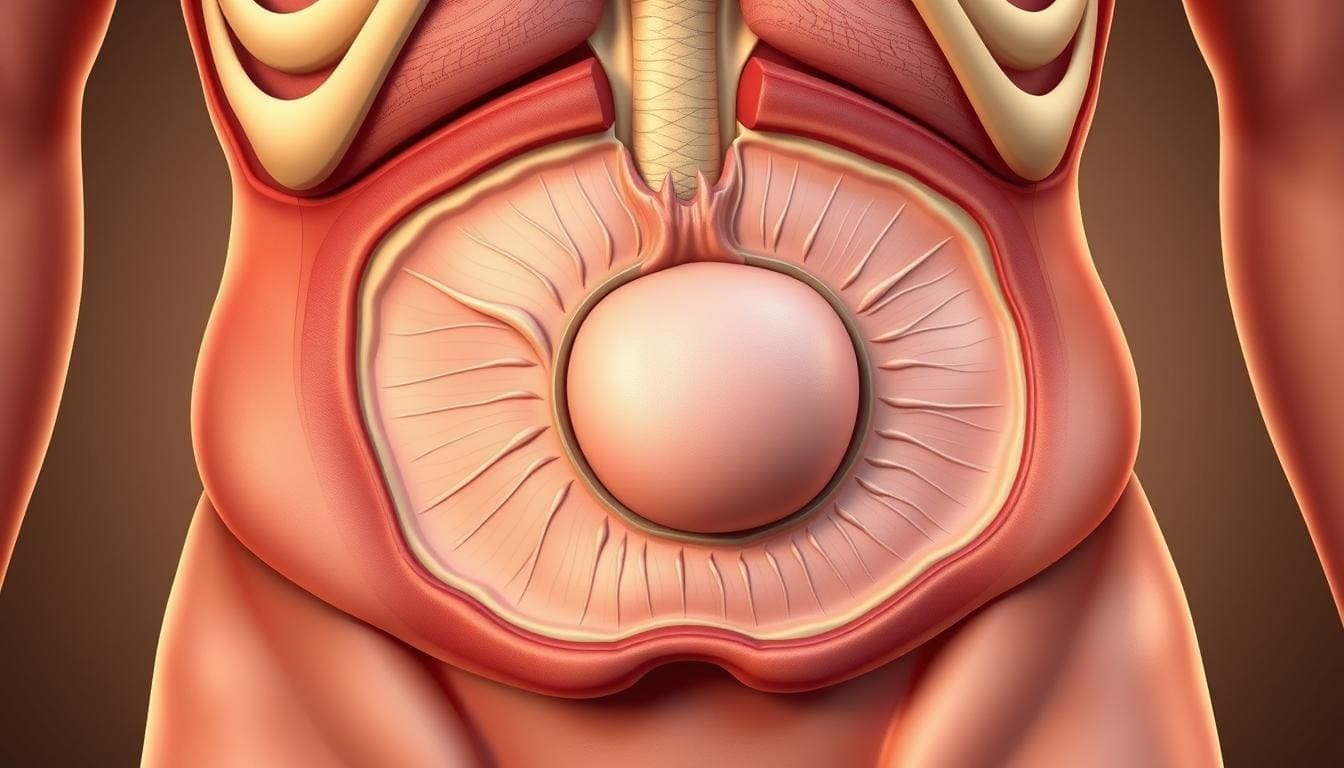
An L4 L5 disc bulge happens when the disc between the fourth and fifth lumbar vertebrae bulges out. This can cause a lot of lower back pain. It can really affect how well someone lives their life.
Definition and Basic Anatomy
The spine has many vertebrae, with discs in between to cushion them. The L4 and L5 vertebrae are in the lower back. The disc between them helps absorb shock and lets the spine move.
A disc bulge occurs when the outer layer of the disc weakens. This lets the softer inner part bulge out.
The spine has vertebrae, discs, nerves, and ligaments. Knowing about these parts helps understand how a disc bulge happens. It also shows how it can affect nerves and the spine.
Difference Between Bulge and Herniation
A disc bulge and a herniated disc are similar but different. A disc bulge is when the disc bulges out. A herniated disc is when the outer layer tears, letting the inner part leak out.
Both can cause pain, but the severity and treatment can differ. Not all bulges turn into herniations. The risk depends on the bulge’s severity and the spine’s health.
Prevalence in the Population
Disc bulges are common, more so in older adults. Research shows many people will get a disc bulge at some point. L4 L5 disc bulges are more common because the lumbar spine wears out easily.
| Age Group | Prevalence of L4 L5 Disc Bulge |
| 20-39 years | 20% |
| 40-59 years | 40% |
| 60+ years | 60% |
The table shows how common L4 L5 disc bulges are with age. It stresses the need for good spinal health at all ages.
Anatomy of the Lumbar Spine

Knowing the anatomy of the lumbar spine is key to understanding spinal issues. The lumbar spine, in the lower back, is complex. It includes vertebrae, discs, nerves, and more.
The Role of L4 and L5 Vertebrae
The L4 and L5 vertebrae are in the lower back. They support the upper body and help with movement. The L4-L5 area is stressed a lot and often has disc bulges.
The L4 vertebra is above the L5 vertebra. Together, they have an intervertebral disc. This disc helps with movement and cushions the spine.
Function of Intervertebral Discs
Intervertebral discs are gel-filled cushions between vertebrae. They absorb shock, help with flexibility, and distribute weight evenly.
The L4-L5 disc is key when talking about bulges. A bulge happens when the disc’s outer layer weakens. This can press on nerves, causing pain and other symptoms.
Surrounding Nerves and Structures
The lumbar spine has a network of nerves, like the sciatic nerve. These nerves run from the back to the legs. A disc bulge at L4-L5 can affect these nerves, causing sciatica and numbness.
Other parts, like muscles, ligaments, and facet joints, are also important. They help the spine function and stay stable. Knowing about these parts is vital for diagnosing and treating L4-L5 disc issues.
Causes and Risk Factors

L4 L5 disc bulge is caused by a mix of age, injury, and lifestyle choices.
Age-Related Degeneration
As we get older, our spinal discs change. They lose water, becoming stiffer and more likely to bulge. Age-related degeneration is a big risk, hitting most over 40.
Trauma and Injury
Events like falls or car crashes can hurt the spine, causing bulges. Trauma speeds up damage, if the spine is already worn down by age.
Lifestyle Factors
Many lifestyle choices raise the risk of L4 L5 disc bulge:
- Sitting too much weakens back muscles and harms discs.
- Smoking cuts oxygen to discs, speeding up wear.
- Bad posture adds stress to the lower back.
- Being overweight puts more pressure on discs.
Genetic Predisposition
Genetics also play a part in disc problems. People with a family history of back issues are more likely to get L4 L5 disc bulge. This is because inherited traits affect disc health.
Knowing the causes and risks helps in finding ways to prevent and treat L4 L5 disc bulge.
Common Symptoms of L4 L5 Disc Bulge
Knowing the symptoms of an L4 L5 disc bulge is key to getting the right treatment. These symptoms can affect how well you do daily tasks.
Lower Back Pain Patterns
Lower back pain is a main symptom of an L4 L5 disc bulge. This pain can feel like a dull ache or a sharp stab. It might stay in the lower back or spread to other spots.
- Dull, aching pain that lasts a long time
- Sharp pains that happen with certain movements
- Pain that gets worse with activities like lifting or bending
Radiating Pain and Sciatica
Sciatica is a symptom of L4 L5 disc bulge. It’s pain that goes from the lower back down to the legs. This pain can also bring discomfort, numbness, or tingling.
Some key aspects of radiating pain and sciatica include:
- Pain that goes from the lower back to the buttocks and legs
- Numbness or tingling in the legs or feet
- Sharp, shooting pains that get worse with certain positions or activities
Numbness and Tingling
Numbness and tingling happen when nerves get compressed by the bulging disc. These feelings can be in the lower back, buttocks, legs, or feet.
Muscle Weakness
Muscle weakness in the legs or feet is a symptom of an L4 L5 disc bulge. This weakness happens because the nerves get compressed, making muscles work poorly.
“Muscle weakness can significantly impact mobility and the ability to perform daily activities.”
It’s important to notice these symptoms early. This way, you can avoid more problems and get the right medical help.
How Serious Is an L4 L5 Disc Bulge?
Understanding how serious an L4 L5 disc bulge is depends on several factors. The impact on a person’s life can change a lot. This depends on how big the bulge is and how it affects nerves and other parts.
Factors Determining Severity
The size of the bulge, where it is, and if it presses on nerves are key. A bigger bulge that presses on nerves is usually more serious. Symptoms like pain, numbness, or weakness in the legs also show it’s serious.
Impact on Daily Activities
An L4 L5 disc bulge can make everyday tasks hard. It depends on how bad the symptoms are and if treatment works. Some people might need to change their lifestyle a lot to handle the pain.
Long-Term Implications
Long-term, an L4 L5 disc bulge can lead to chronic pain and nerve damage. Getting help early and treating it right can lessen these effects. Those with this condition should collaborate with healthcare providers to develop an effective treatment plan.
Quality of Life Considerations
An L4 L5 disc bulge can affect life in many ways. It can limit physical activities, cause emotional stress, and make people withdraw socially. Staying positive and doing things that make you happy can help. Support from loved ones and healthcare teams is also key.
Grading the Severity of Disc Bulges
It’s key for doctors to know how bad disc bulges are to treat them right. They sort bulges by how serious they are. This depends on how much the bulge is and how it affects nerves and the spine.
Mild Bulges
Mild bulges are when the disc goes a bit beyond its usual spot. They don’t usually hurt nerves a lot. Mostly, just simple care works for these.
Moderate Bulges
Moderate bulges are bigger and can press on nerves. People with these might feel pain that spreads and need more help. This could be physical therapy or managing pain.
Severe Bulges and Herniations
Severe bulges, or herniations, are when a lot of disc material comes out. This can really hurt nerves or the spinal cord. These need serious surgery to fix and stop more harm.
Progression Over Time
How fast disc bulges get worse can differ a lot. Things like age, how you live, and genes play a part. It’s important to keep an eye on them with a doctor. This way, you can change treatments as needed.
Potential Complications
It’s important to know the possible problems with an L4 L5 disc bulge. Some people might only have mild symptoms. But others could face serious issues that need quick medical help.
Nerve Compression and Radiculopathy
Nerve compression is a big problem with an L4 L5 disc bulge. It can cause radiculopathy. This happens when the bulging disc presses on nerves, leading to pain, numbness, or weakness in the lower back and legs.
- Pain radiating down the leg
- Numbness or tingling sensations
- Muscle weakness in the affected leg
Cauda Equina Syndrome
In rare but serious cases, an L4 L5 disc bulge can lead to cauda equina syndrome. This is when nerves in the lower spine get severely compressed. It can cause:
- Severe lower back pain
- Loss of bladder or bowel control
- Numbness or weakness in both legs
Cauda equina syndrome is a medical emergency. It needs immediate surgery.
Chronic Pain Development
Another possible problem is chronic pain. Ongoing irritation of nerves and tissues can lead to pain that lasts a long time. This pain can really affect your daily life.
It’s key to manage pain well to deal with chronic pain from an L4 L5 disc bulge.
Mobility Limitations
Mobility limitations can also happen. Pain and stiffness from the condition can make it hard to move. This can make the problem worse, creating a cycle of pain and less function.
Physical therapy and gentle exercises can help keep you moving. They can also lower the chance of more problems.
Diagnosing an L4 L5 Disc Bulge
To find out if you have an L4 L5 disc bulge, doctors use several methods. These help them figure out what’s wrong and rule out other possible causes of your symptoms.
Physical Examination
A physical check-up is the first step in finding out if you have an L4 L5 disc bulge. The doctor will look at how well you can move, check for sore spots, and test your muscle strength and reflexes. They might use the straight leg raise test to see if nerves are irritated.
The doctor will also look at your posture and how you walk. This can show if there’s a problem with your spine. By looking at your medical history and these findings, doctors can understand what might be causing your symptoms.
Imaging Tests (MRI, CT, X-rays)
Imaging tests are key in confirming an L4 L5 disc bulge diagnosis. Magnetic Resonance Imaging (MRI) is best for seeing soft tissues like discs, nerves, and the spinal cord. It shows how bad the bulge is and if nerves are being squished.
Computed Tomography (CT) scans are good for looking at bones and can spot other problems like degenerating facet joints or spinal stenosis. X-rays can show how the spine is lined up and if there are bone spurs or fractures.
A study in the shows how important imaging is for diagnosing spinal issues, including disc bulges.
Neurological Assessment
Checking the nervous system is vital to see how the disc bulge affects it. This includes testing sensation, motor strength, and reflexes in your lower legs. If these tests show problems, it might mean nerves are being compressed or damaged.
The doctor might also check if you can do certain movements, like walking on your toes or heels. This can show if nerves are being squished. By matching what they find with imaging, doctors can figure out how serious the problem is and plan the best treatment.
Differential Diagnosis
Differential diagnosis means ruling out other conditions that could cause similar symptoms. This includes other spinal problems like spinal stenosis, facet joint syndrome, or spondylolisthesis. It also includes non-spinal issues like peripheral neuropathy or vascular disease.
Getting a clear diagnosis of an L4 L5 disc bulge requires a detailed check-up. This includes a full medical history, physical exam, and imaging tests. This helps doctors accurately diagnose and treat the condition.
Conservative Treatment Approaches
Many people with an L4 L5 disc bulge find relief through conservative treatments. These methods aim to ease symptoms, improve function, and avoid surgery. They are often the first step in treatment.
Rest and Activity Modification
Managing an L4 L5 disc bulge starts with avoiding activities that make it worse. This means cutting down on heavy lifting, bending, or twisting. Taking breaks to rest is also important. While bed rest is not always best, some rest is helpful in the early stages.
Physical Therapy and Exercise
Physical therapy is key in treating an L4 L5 disc bulge. A physical therapist creates a plan to strengthen the muscles around the spine. This plan includes exercises to improve flexibility and posture. Activities like core strengthening, stretching, and walking are common.
Pain Management Medications
Managing pain is a big part of conservative treatment. Over-the-counter pain relievers like ibuprofen or acetaminophen can help. Sometimes, doctors prescribe stronger pain meds or muscle relaxants to control symptoms.
Epidural Steroid Injections
Epidural steroid injections offer relief for those with ongoing pain. These injections put corticosteroids near the spinal cord to reduce inflammation and pain. They’re not a permanent fix but can help with pain and physical therapy.
| Treatment Approach | Description | Benefits |
| Rest and Activity Modification | Avoiding activities that exacerbate the condition | Reduces pain and prevents further injury |
| Physical Therapy and Exercise | Strengthening spinal muscles, improving flexibility | Enhances spinal stability and reduces pain |
| Pain Management Medications | Using medications to manage pain and inflammation | Provides symptom relief, improving quality of life |
| Epidural Steroid Injections | Injecting corticosteroids to reduce inflammation | Offers significant pain relief, facilitating physical therapy |
Surgical Options for Severe Cases
When other treatments don’t work, surgical interventions can help. Surgery is an option when the condition really affects your daily life and other treatments haven’t helped.
When Surgery Becomes Necessary
Surgery is needed when the L4 L5 disc bulge causes a lot of pain, numbness, or weakness in the legs. It’s also necessary when it greatly impacts your quality of life. Cauda equina syndrome, a serious condition where nerves in the lower spine are compressed, is a medical emergency that needs immediate surgery.
Types of Surgical Procedures
There are several surgical procedures for treating L4 L5 disc bulge, including:
- Discectomy: Removing the damaged disc or part of it to ease nerve pressure.
- Spinal Fusion: Joining the vertebrae together to stabilize the spine.
- Microdiscectomy: A less invasive version of discectomy, using a microscope.
Recovery After Spine Surgery
Recovery times vary based on the surgery type. Patients usually need to rest for a few weeks after surgery. Then, they start a rehabilitation program to strengthen their back and improve flexibility.
Success Rates and Outcomes
The success rates of surgery for L4 L5 disc bulge are usually high. Most patients see a big improvement in their symptoms. But, results can vary based on the patient’s health, the condition’s severity, and following the rehabilitation plan.
Living with an L4 L5 Disc Bulge
Living with an L4 L5 disc bulge can be tough. It affects daily life and causes chronic pain. People need to find ways to keep their quality of life good.
Adapting Daily Activities
Managing an L4 L5 disc bulge means making daily life easier. Simple steps like better posture, regular breaks, and avoiding heavy lifting can help a lot.
- Modify your workspace to promote good posture.
- Use ergonomic furniture to reduce strain on your back.
- Avoid bending or twisting, which can exacerbate the condition.
Pain Management Strategies
Managing pain is key when you have an L4 L5 disc bulge. You might need medicine, physical therapy, or even acupuncture.
“Pain management is not just about alleviating the physical discomfort but also about improving the overall quality of life.” –
A spine specialist
Here are some strategies:
- Use pain relief medicines as your doctor tells you to.
- Do physical therapy to make your spine muscles stronger.
- Try other pain management methods like chiropractic care or massage.
Psychological Impact
The mental side of an L4 L5 disc bulge is important too. Chronic pain can make you feel frustrated, anxious, and depressed.
Seeking support from mental health experts is helpful. They can use things like cognitive-behavioral therapy (CBT) and counseling to help you deal with your feelings.
Support Resources
Having the right support can really help. This includes doctors, support groups, and online resources.
- Joining a support group can give you a sense of community and understanding.
- Online forums and resources can offer more tips and strategies for managing your condition.
- Seeing your healthcare providers regularly can help adjust your treatment plan as needed.
Related Spinal Conditions
It’s important to know about spinal conditions that happen with an L4 L5 disc bulge. These conditions can affect your spinal health and how well you respond to treatment.
Degenerative Disc Disease
Degenerative disc disease happens when discs in the spine wear out over time. It often goes hand in hand with an L4 L5 disc bulge. This makes symptoms worse and treatment harder.
Worn-out discs can make your spine less flexible. This leads to more pain and a higher chance of other spinal problems.
Spinal Stenosis
Spinal stenosis is when the spinal canal gets narrower. This puts pressure on the spinal cord and nerves. An L4 L5 disc bulge can make this condition worse.
Symptoms include back and leg pain, numbness, and weakness. These can really affect your daily life.
Facet Joint Syndrome
Facet joint syndrome is when the facet joints get inflamed or irritated. These joints help keep the spine stable and flexible. An L4 L5 disc bulge can make this condition worse, leading to pain and stiffness.
Treatment might include physical therapy, medicine, or injections to reduce swelling.
Spondylolisthesis
Spondylolisthesis is when a vertebra slips forward over the one below it. This can happen with an L4 L5 disc bulge, causing nerve pressure and pain.
The severity of spondylolisthesis varies. Treatment can range from non-surgical options to surgery, based on how bad it is and your symptoms.
When to Seek Immediate Medical Attention
Knowing when to get medical help is key for those with an L4 L5 disc bulge. Many cases can be treated without surgery. But, some need quick medical check-ups to avoid serious problems.
Red Flag Symptoms
Some symptoms mean you need to see a doctor right away. These red flag symptoms include:
- Severe pain that gets worse over time
- Sudden numbness or tingling in the legs
- Loss of bladder or bowel control
- Progressive weakness in the legs
- Significant trauma or injury to the back
If you have any of these symptoms, get medical help fast.
Emergency Situations
At times, an L4 L5 disc bulge can turn into an emergency. Cauda equina syndrome is a serious issue. It happens when nerves in the lower spine get compressed. This leads to severe pain, numbness, and loss of bladder or bowel control. If you think you have cauda equina syndrome, go to the emergency room.
Finding the Right Specialist
When you need to see a doctor for an L4 L5 disc bulge, finding the right specialist is important. Start with your primary care doctor. They can send you to a spine specialist or an orthopedic surgeon. You might also want a second opinion from a neurosurgeon or a physical medicine and rehabilitation (PM&R) doctor. Make sure the specialist knows how to treat spinal problems.
By knowing the red flag symptoms and when to get medical help, you can manage your L4 L5 disc bulge well. This helps prevent serious issues.
Conclusion
Understanding an L4 L5 disc bulge is key to keeping your spine healthy. This condition can cause a variety of symptoms, from mild pain to severe discomfort and mobility problems.
To manage an L4 L5 disc bulge, a mix of treatments is needed. This includes non-surgical methods and surgery when necessary. By changing daily habits and using pain relief, people can lessen the effects of this condition.
It’s important to focus on spine health by making smart choices and taking care of it early. By staying informed and getting medical help when needed, you can handle the challenges of an L4 L5 disc bulge. This helps keep your spine in good shape for the long term.
FAQ
What is an L4 L5 disc bulge?
An L4 L5 disc bulge happens when the disc between the fourth and fifth lumbar vertebrae bulges. This can press on nerves, causing pain, numbness, and weakness.
How serious is an L4 L5 disc bulge?
The severity of an L4 L5 disc bulge varies. Mild cases might cause little pain. But severe cases can lead to a lot of pain, numbness, and trouble moving.
What are the common symptoms of an L4 L5 disc bulge?
Symptoms include lower back pain and pain that spreads to the legs. You might also feel numbness, tingling, and muscle weakness. These symptoms can make daily life hard.
How is an L4 L5 disc bulge diagnosed?
Doctors use a physical exam, imaging tests like MRI and CT scans, and a neurological assessment. They also rule out other conditions to make a diagnosis.
What are the treatment options for an L4 L5 disc bulge?
Treatment options include rest, physical therapy, and pain medicines. Epidural steroid injections are also used. For severe cases, surgery might be needed.
When is surgery necessary for an L4 L5 disc bulge?
Surgery is needed if other treatments don’t work. It’s also necessary if there’s severe nerve compression or mobility problems.
Can an L4 L5 disc bulge lead to chronic pain?
Yes, if not treated well, an L4 L5 disc bulge can cause chronic pain. This can really affect your quality of life.
How can I manage pain caused by an L4 L5 disc bulge?
To manage pain, try medications, physical therapy, and lifestyle changes. You can also try acupuncture and chiropractic care.
What lifestyle changes can help alleviate symptoms of an L4 L5 disc bulge?
To help symptoms, keep a healthy weight, exercise regularly, and improve your posture. Avoid heavy lifting too.
Are there any related spinal conditions that can occur alongside an L4 L5 disc bulge?
Yes, conditions like degenerative disc disease and spinal stenosis can happen too. These can make diagnosis and treatment harder.
When should I seek immediate medical attention for an L4 L5 disc bulge?
Get medical help right away if you have sudden severe pain, loss of bladder or bowel control, or worsening numbness and weakness.
Can physical therapy help with an L4 L5 disc bulge?
Yes, physical therapy can help. It improves mobility and strengthens back muscles. This can reduce the risk of further injury.
What is the role of epidural steroid injections in treating an L4 L5 disc bulge?
Epidural steroid injections can reduce inflammation and pain. They deliver corticosteroids directly to the affected area.
References
National Center for Biotechnology Information. L4 L5 disc bulge prevalence research. Retrieved from https://www.ncbi.nlm.nih.gov/pmc/articles/PMC10240608/