Last Updated on December 2, 2025 by Bilal Hasdemir

Recent medical advancements have changed how we treat colorectal conditions. Minimally invasive methods are now key. Learn how laparoscopic colorectal surgery is performed and why it offers faster recovery than open surgery.
Laparoscopic colorectal surgery is a modern surgical method. It’s used for treating cancer, inflammatory bowel disease, and diverticular disease.
This method uses small cuts in the abdomen. It lets doctors use a laparoscope and tools. This means less pain after surgery and faster recovery.
Key Takeaways
- Minimally invasive technique for treating colorectal conditions.
- Less postoperative pain and quicker recovery.
- Used to treat cancer, inflammatory bowel disease, and diverticular disease.
- Small incisions are made to insert a laparoscope and surgical instruments.
- Offers a less invasive alternative to traditional open surgery.
The Fundamentals of Laparoscopic Colorectal Surgery

Laparoscopic colorectal surgery is a minimally invasive method. It uses small incisions in the body for surgery. This approach is preferred over traditional surgery for many reasons.
Definition and Basic Principles
This surgery uses a laparoscope and special tools. These tools go through small cuts, allowing for detailed work without harming much tissue. It aims to cause less damage, leave smaller scars, and help patients heal faster.
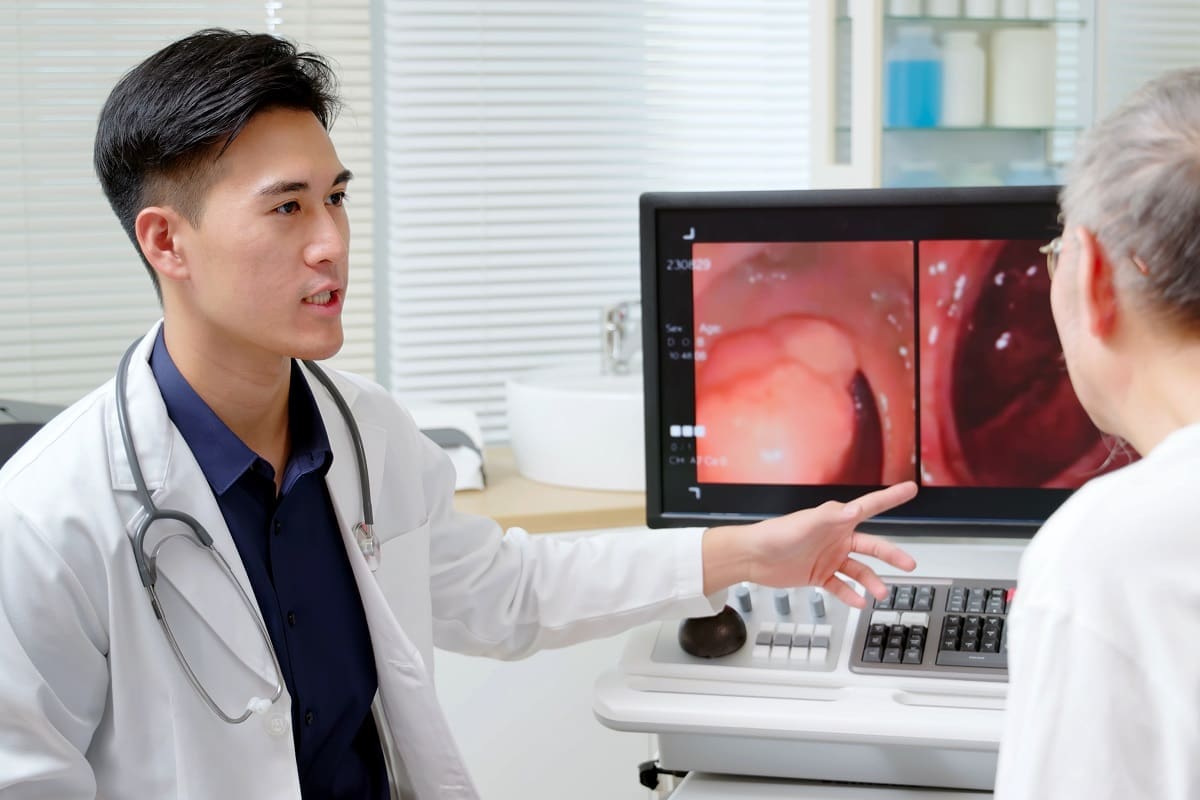
The area is filled with carbon dioxide gas for a clear view. The laparoscope sends images to a screen, guiding the surgeon. The tools are made for the tight spaces inside, making precise work possible.
“The advent of laparoscopic surgery has revolutionized the field of colorectal surgery, providing a less invasive option than traditional surgery.”
Historical Development of the Technique
Laparoscopic colorectal surgery grew from the wider field of laparoscopy. It started with simple surgeries like gallbladder removal. Now, it includes complex surgeries like colorectal resections.
| Year | Milestone | Description |
| 1980s | Introduction of Laparoscopy | Laparoscopic techniques were first used for simple surgeries. |
| 1990s | Advancements in Equipment | Equipment got better, making more complex surgeries possible. |
| 2000s | Adoption for Colorectal Surgery | Laparoscopic methods became common for colorectal surgeries. |
Using laparoscopy for colorectal surgery is a big step forward. It helps treat serious issues like colon cancer and diverticular disease with less harm. Now, laparoscopic bowel resection and laparoscopic colon resection are common. They lead to quicker healing and fewer complications for patients.
How Laparoscopic Colorectal Surgery Differs from Traditional Open Surgery
Laparoscopic colorectal surgery is different from open surgery in many ways. It improves patient results and recovery. This is mainly because of how the surgery accesses the belly and the damage to tissues.
Size and Number of Incisions
Laparoscopic surgery makes small incisions, usually under an inch. Open surgery needs a big incision, often several inches long. This affects how the surgery looks and how fast you can get back to normal.
Laparoscopic surgery causes less damage, less pain, and quicker recovery. The small cuts also lower infection risks and heal faster.
Surgical Technique Comparison
Laparoscopic surgery uses a laparoscope for a clear view on a monitor. This allows for precise work and less tissue handling.
| Aspect | Laparoscopic Surgery | Open Surgery |
| Incision Size | Several small incisions | One large incision |
| Tissue Trauma | Less trauma | More trauma |
| Recovery Time | Faster recovery | Slower recovery |
Visual Advantages for Surgeons
The laparoscopic method gives surgeons a better view. It shows the area in detail, which is key for precise work. The laparoscope lights up the area, making complex surgeries like laparoscopic colectomy easier.
In summary, laparoscopic colorectal surgery is a less invasive method. It has smaller incisions, uses advanced techniques, and offers better views for surgeons. These factors lead to better patient results, including less pain, shorter hospital stays, and quicker recovery.
Conditions Treated with Laparoscopic Colorectal Surgery
Laparoscopic colorectal surgery is now a top choice for treating many colorectal issues. It’s a less invasive method than traditional surgery. This means less time to recover and less scarring for patients.
Colorectal Cancer
Laparoscopic surgery is a key treatment for colorectal cancer. It allows for precise tumor removal, with less harm to nearby tissues. Research shows it’s just as effective as open surgery in long-term results.
Inflammatory Bowel Disease
Inflammatory bowel disease (IBD), like Crohn’s and ulcerative colitis, can be treated laparoscopically. This method removes the sick parts of the colon or rectum. It helps lessen symptoms and boosts life quality.
Diverticular Disease
Diverticular disease causes pouches in the colon wall and can lead to diverticulitis. Laparoscopic surgery is a good fix for severe cases. It removes the bad part of the colon.
Other Colorectal Conditions
Laparoscopic surgery also helps with other colorectal issues. This includes rectal prolapse and severe constipation. It’s less painful and patients recover faster.
| Condition | Description | Treatment Benefits |
| Colorectal Cancer | Removal of tumors | Less damage to surrounding tissues |
| Inflammatory Bowel Disease | Removal of affected colon/rectum portions | Reduced symptoms, improved quality of life |
| Diverticular Disease | Removal of affected colon segment | Effective treatment for complicated cases |
Laparoscopic colorectal surgery is a flexible treatment option. It offers many benefits for patients with different colorectal conditions. Knowing what it can treat helps patients make better choices for their care.
Types of Laparoscopic Colorectal Procedures
Laparoscopic colorectal surgery has grown to include many advanced procedures. Each one is designed to address different issues in the colon and rectum. These options provide patients with less invasive ways to treat various conditions.
Laparoscopic Colectomy
Laparoscopic colectomy removes part of the colon. It’s used for colon cancer, diverticulitis, and some obstructions. This method uses small incisions, leading to less pain and quicker recovery than open surgery.
Laparoscopic Rectal Resection
Laparoscopic rectal resection removes diseased parts of the rectum. It’s mainly for rectal cancer and other rectal diseases. The laparoscopic method is precise, reducing complications and speeding up healing.
Laparoscopic Sigmoid Surgery
Laparoscopic sigmoid surgery focuses on the sigmoid colon. It treats diverticulitis and some colon cancers. By removing the diseased part and reconnecting the colon, it causes less damage and pain, and shortens hospital stays.
Laparoscopic Bowel Resection
Laparoscopic bowel resection removes any diseased bowel part, including the colon and rectum. It’s for cancer, inflammatory bowel disease, and diverticular disease. The laparoscopic method is less invasive, leading to fewer complications and quicker recovery.
In summary, there are many laparoscopic colorectal procedures. Each one is tailored for specific conditions and locations in the colon or rectum. The choice depends on the patient’s health and the disease’s extent.
The Surgical Process and Technology
Laparoscopic colorectal surgery is a big step forward in surgery. It’s less invasive than traditional surgery. This method uses new equipment and techniques for better results.
Equipment Used in Laparoscopic Colorectal Surgery
The success of this surgery relies on advanced tools. High-definition cameras give a clear view of the area. Robotic systems help surgeons do complex tasks with accuracy. The tools include:
- Laparoscopes with high-definition cameras
- Specialized surgical instruments
- Robotic-assisted surgical systems
- Advanced imaging systems
Step-by-Step Procedure Overview
The surgery involves several key steps. Knowing these steps helps understand the surgery’s complexity and benefits.
Anesthesia and Positioning
The surgery starts with general anesthesia for comfort. The patient is then placed on the table for access.
Port Placement
Small cuts are made for ports. These ports let in the laparoscope and tools. Where they’re placed is important for access and view.
Surgical Technique
The surgeon then dissects and removes the bad part of the colon or rectum. They reconnect the good parts. High-definition imaging and robotic-assisted surgery help with precision and results.
| Step | Description | Technology Used |
| Anesthesia and Positioning | Administering anesthesia and positioning the patient | Anesthesia equipment |
| Port Placement | Making small incisions for port insertion | Surgical instruments |
| Surgical Technique | Dissecting, removing, and reconnecting | High-definition imaging, robotic-assisted surgery |
Advanced technology in laparoscopic colorectal surgery has made a big difference. It offers a less invasive option with quicker recovery times. As technology gets better, so will the surgery’s benefits.
Benefits of Laparoscopic Colorectal Surgery
Laparoscopic colorectal surgery offers many benefits. It improves patient outcomes in several key areas. This method has changed the way we do colorectal surgery, making it better for patients.
Reduced Pain and Scarring
This surgery reduces postoperative pain. Smaller cuts mean less damage to tissues. This leads to less postoperative pain and a more comfortable recovery.
Also, the smaller cuts result in less scarring. This is good for looks and also lowers the chance of wound problems.
Shorter Hospital Stay
Patients usually stay in the hospital less after this surgery. This is because the smaller cuts cause less trauma. So, they can get better faster and go home sooner.
Faster Recovery Time
The faster recovery time is a big plus. With less damage and smaller wounds, the body heals quicker. This means patients can get back to their usual activities sooner.
Lower Risk of Infections
This surgery has a lower risk of infections than open surgery. The smaller cuts mean less chance of germs getting inside. This lowers the risk of infections after surgery.
Improved Cosmetic Results
The improved cosmetic results are another benefit. Smaller cuts mean less visible scarring. This is important for patients who care about how they look after surgery.
In summary, laparoscopic colorectal surgery has many benefits. It reduces pain and scarring, shortens hospital stays, speeds up recovery, lowers infection risk, and improves looks. These advantages make the patient experience better and help them get back to normal faster.
- Reduced postoperative pain and scarring
- Shorter hospital stays
- Faster recovery times
- Lower risk of infections
- Improved cosmetic results
Potential Risks and Complications
Laparoscopic colorectal surgery is generally safe. But, it’s important to know the possible risks and complications. This knowledge helps patients make informed decisions about their health.
Common Side Effects
After surgery, you might feel pain, swelling, and bruising at the incision sites. These symptoms are usually short-lived and can be managed with proper care.
Serious Complications
Though rare, serious complications can happen. These include infections, damage to nearby organs, and leaks from the anastomosis. Such issues might need more treatment or even another surgery.
Serious Complications Overview
| Complication | Description | Typical Treatment |
| Infection | Bacterial infection at the surgical site or within the abdominal cavity. | Antibiotics, possible drainage of abscess. |
| Injury to Nearby Organs | Damage to adjacent organs during surgery. | Repair or removal of the damaged organ, additional surgery. |
| Leakage from Anastomosis | Leakage from the connection made between the remaining segments of the colon or rectum. | Additional surgery, possible creation of a stoma. |
Conversion to Open Surgery
Sometimes, the surgeon might switch to open surgery. This choice is made if the initial plan doesn’t seem right or if something unexpected comes up during the operation.
Long-term Considerations
After surgery, you might face long-term issues like adhesions and hernias. It’s key to talk about these risks with your doctor. This way, you can understand what to expect and how to manage any concerns.
Long-term Complications
- Adhesions: Bands of fibrous tissue that can form between organs or between an organ and the abdominal wall.
- Hernias: Protrusion of an organ or tissue through a weakened area in the abdominal wall, potentially at the site of a laparoscopic port.
Patient Selection and Eligibility
Laparoscopic colorectal surgery needs careful patient selection for the best results. The choice to have this surgery depends on many things. These include the patient’s health, their condition, and past surgeries.
Ideal Candidates for the Procedure
The best candidates for laparoscopic colorectal surgery are those with localized disease. They should be in good health and have no major past surgeries. People with colorectal cancer, inflammatory bowel disease, or diverticular disease might benefit from this method.
- Patients with early-stage colorectal cancer
- Individuals with inflammatory bowel disease who require surgical intervention
- Those diagnosed with diverticular disease
These patients can enjoy the benefits of laparoscopic surgery. They might have less pain, shorter hospital stays, and faster recovery times.
Contraindications
Some conditions make laparoscopic colorectal surgery unsafe or not practical. Contraindications include:
- Severe heart or lung disease
- Significant prior abdominal surgery leading to dense adhesions
- Advanced cancer with extensive spread
In these cases, the risks of laparoscopy might be too high. Other options, like open surgery, might be better.
Pre-existing Conditions
Pre-existing conditions, like obesity or past surgeries, are checked to see if they affect laparoscopic surgery. While they can make things harder, they don’t always mean a patient can’t have laparoscopic surgery.
A skilled surgeon must assess each patient’s suitability for laparoscopic colorectal surgery. This evaluation looks at the patient’s medical history, current health, and the details of their condition.
Preparing for Laparoscopic Colorectal Surgery
Getting ready for laparoscopic colorectal surgery can make you feel less anxious and improve your results. It’s key for a good surgery and easy recovery.
Pre-operative Testing
Before surgery, you’ll need to do some tests. These include blood work, imaging studies like CT scans, and more. They check your health and the problem’s size. This helps the surgeon plan the best surgery for you.
Dietary and Medication Guidelines
You’ll get special dietary and medication guidelines before surgery. You might stop some medicines or eat only certain foods. This helps your body get ready for surgery.
Bowel Preparation
Bowel preparation is very important. You’ll use laxatives or other ways to clean your bowel. This makes the surgery area clear and lowers risks.
What to Bring to the Hospital
On surgery day, know what to bring to the hospital. Bring your insurance cards, comfy clothes, and personal items. Being ready can make things less stressful and smoother.
Recovery and Post-operative Care
Recovering from laparoscopic colorectal surgery takes several important steps. Good care after surgery is key to avoid problems and get the best results.
Hospital Recovery Process
Right after surgery, patients go to the recovery room. Here, they watch for any quick issues. The hospital recovery process focuses on pain control, infection checks, and comfort. The team also gives first advice on care at home and answers questions.
Home Recovery Guidelines
At home, patients need to follow certain home recovery guidelines. They should rest a lot, eat well, and slowly start moving more. They also learn how to take care of their wounds and manage pain.
Diet and Activity Recommendations
Eating a balanced diet full of nutrients is key for healing. Patients start with liquids and then move to solid foods. They should avoid heavy work and start with light exercises like walking.
Follow-up Care
Follow-up appointments with the surgeon are important. They check on healing, remove stitches, and talk about any worries. These visits help make sure everything is going well and catch any problems early.
When to Contact Your Doctor
If patients have any bad symptoms like fever, severe pain, or infection signs, they should call their doctor. Knowing when to get help is a big part of post-operative care.
By sticking to the recovery and care guidelines, patients can lower the risk of problems. This helps them get the best results from laparoscopic colorectal surgery.
Finding a Qualified Laparoscopic Colorectal Surgeon
Choosing the right laparoscopic colorectal surgeon is very important. It can greatly affect your surgery’s success. This surgery needs a lot of skill and knowledge. So, it’s key to find a surgeon who is both qualified and experienced in this area.
Credentials to Look For
When looking for a surgeon, there are important credentials to check. Board certification in colorectal surgery is a must. It shows the surgeon has had thorough training and is an expert in the field. Also, training in laparoscopic techniques is vital. It means the surgeon knows the latest in minimally invasive surgery.
Being a member of groups like the American Society of Colon and Rectal Surgeons is also good. It shows the surgeon keeps up with new research and techniques.
Questions to Ask Before Surgery
Before surgery, it’s important to ask your surgeon some questions. This helps you understand their experience and how they approach the surgery. Some key questions include:
- How many laparoscopic colorectal surgeries have you performed?
- What is your success rate with this type of surgery?
- How do you handle any complications during or after surgery?
- What is your policy on follow-up care, and how will you help with my recovery?
These questions give you insight into the surgeon’s experience, patient care, and how they handle complications.
Understanding Surgeon Experience and Success Rates
Knowing a surgeon’s experience and success rates is key. A surgeon with many successful cases is likely skilled. It’s also important to ask about their complication rates and how they handle them.
By looking at a surgeon’s credentials, asking the right questions, and understanding their experience, you can make a good choice. This careful approach can lead to a successful surgery and easier recovery.
Conclusion
Laparoscopic colorectal surgery is a big step forward in treating many colorectal issues. It helps patients understand the benefits of this new method. This way, they can make better choices about their health.
This surgery offers many advantages. It leads to less pain after surgery, shorter hospital stays, and faster recovery. These benefits make it a popular choice for many. But, it’s important to carefully choose the right patient, prepare well, and follow up after surgery for the best results.
In summary, laparoscopic colorectal surgery is a great option for those with colorectal diseases. By picking a skilled surgeon and following the right care steps before and after surgery, patients can enjoy its many benefits.
FAQ
What is laparoscopic colorectal surgery?
Laparoscopic colorectal surgery is a new way to treat many colorectal problems. This includes cancer, inflammatory bowel disease, and diverticular disease. It uses small cuts in the belly to insert tools and a camera for surgery.
What are the benefits of laparoscopic colorectal surgery?
This surgery has many benefits. You’ll feel less pain, stay in the hospital less, and recover faster. It also lowers the chance of infections and leaves less scars than traditional surgery.
What conditions can be treated with laparoscopic colorectal surgery?
It can treat many issues. This includes cancer, inflammatory bowel disease, and diverticular disease. It’s also good for rectal prolapse and severe constipation.
What are the different types of laparoscopic colorectal procedures?
There are several types. These include colectomy, rectal resection, sigmoid surgery, and bowel resection. Each is chosen based on the problem and where it is in the colon or rectum.
How does laparoscopic colorectal surgery differ from traditional open surgery?
Laparoscopic surgery uses small cuts. This means less pain and a quicker recovery. Traditional surgery has bigger cuts, leading to more pain and a longer recovery.
What is the recovery process like after laparoscopic colorectal surgery?
Recovery starts in the hospital and then at home. You’ll follow dietary and activity guidelines. You’ll also need to take care of your wound. Regular check-ups will help monitor your healing.
How do I prepare for laparoscopic colorectal surgery?
Preparation includes tests and following certain diets and medication guidelines. You’ll also need to prepare your bowels and know what to bring to the hospital.
What are the possible risks and complications of laparoscopic colorectal surgery?
Risks include pain, bruising, and serious issues like infections and injuries to nearby organs. There’s also a chance the surgery might need to be changed to open surgery.
How do I find a qualified laparoscopic colorectal surgeon?
Look for a surgeon who is board certified and has training in laparoscopy. Ask about their experience, success rates, and how they handle complications.
What is laparoscopic colectomy?
Laparoscopic colectomy is a procedure to remove part of the colon. It’s often used for colon cancer or diverticulitis.
What is the role of laparoscopy in treating colorectal cancer?
Laparoscopy helps treat colorectal cancer by removing tumors with less invasion. This leads to quicker recovery and less pain.
Are there any contraindications for laparoscopic colorectal surgery?
Some conditions make laparoscopy unsafe. This includes severe heart or lung disease. Certain pre-existing conditions can also complicate the procedure.
References
National Center for Biotechnology Information. Evidence-Based Medical Insight. Retrieved from https://www.ncbi.nlm.nih.gov/pmc/articles/PMC4716070/