Last Updated on November 27, 2025 by Bilal Hasdemir
For women with uterine fibroids, minimally invasive fibroid treatment like laparoscopic myomectomy can change lives. At Liv Hospital, we get the worries and hurdles of fibroid diagnosis and treatment.
We provide laparoscopic myomectomy surgery. It removes fibroids without harming the uterus, keeping fertility options open. This method aims to cut down myomectomy recovery time and lessen scarring. It’s a good choice for women wanting to ease symptoms.
Knowing how to recover is key for a good outcome. In this article, we’ll cover 12 key recovery FAQs and tips from experts. They’ll help you navigate your recovery journey.
Key Takeaways
- Minimally invasive treatment options for uterine fibroids
- Importance of preserving fertility during fibroid treatment
- Understanding the recovery process after laparoscopic myomectomy
- Expert tips for a smooth recovery
- Frequently asked questions about myomectomy recovery
What Is Laparoscopic Myomectomy Surgery?
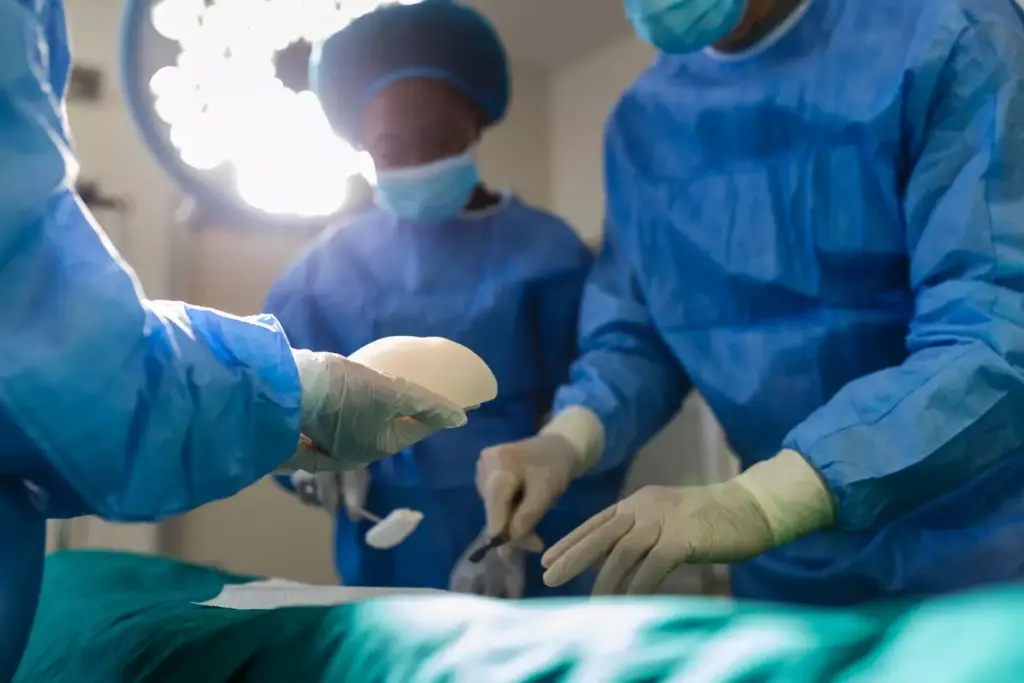
Laparoscopic myomectomy is a way to remove fibroids without harming the uterus. It uses small cuts in the belly to take out fibroids. This method is less invasive and keeps more tissue safe.
Definition and Purpose of Myoma Removal Procedure
A myomectomy is a surgery to remove fibroids while keeping the uterus. It aims to stop heavy bleeding, pelvic pain, and pressure on other organs. This surgery helps improve a woman’s life quality.
“The goal of myomectomy is to provide relief from fibroid-related symptoms while maintaining uterine integrity,” emphasizes the importance of this procedure in gynecological care.
How Minimally Invasive Fibroid Treatment Works
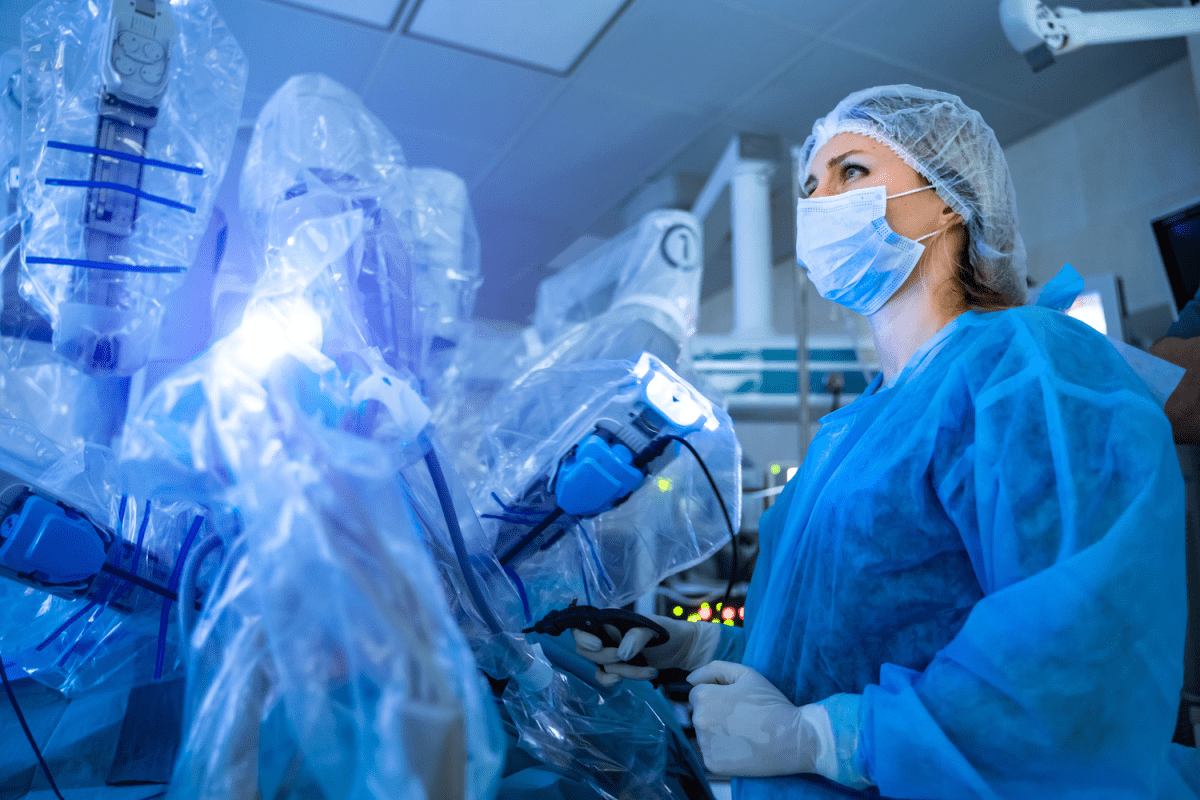
Minimally invasive fibroid treatment, like laparoscopic myomectomy, uses small cuts. Special tools and a camera are put in through these cuts to do the surgery. This method causes less damage and heals faster than open surgery.
Advanced laparoscopic techniques help us find and remove fibroids carefully. This way, we cause less harm to the surrounding tissue. It also means less pain and scarring for the patient.
Differences Between Laparoscopic and Open Myomectomy
Laparoscopic and open myomectomy differ in how they are done. Laparoscopic uses many small cuts, while open surgery needs one big cut. This affects how long it takes to recover, how much pain there is, and how much scarring there is.
Choosing laparoscopic myomectomy means a minimally invasive approach. It lowers the risk of problems and helps patients heal faster.
Why A Myomectomy Is Done to Remove Uterine Fibroids
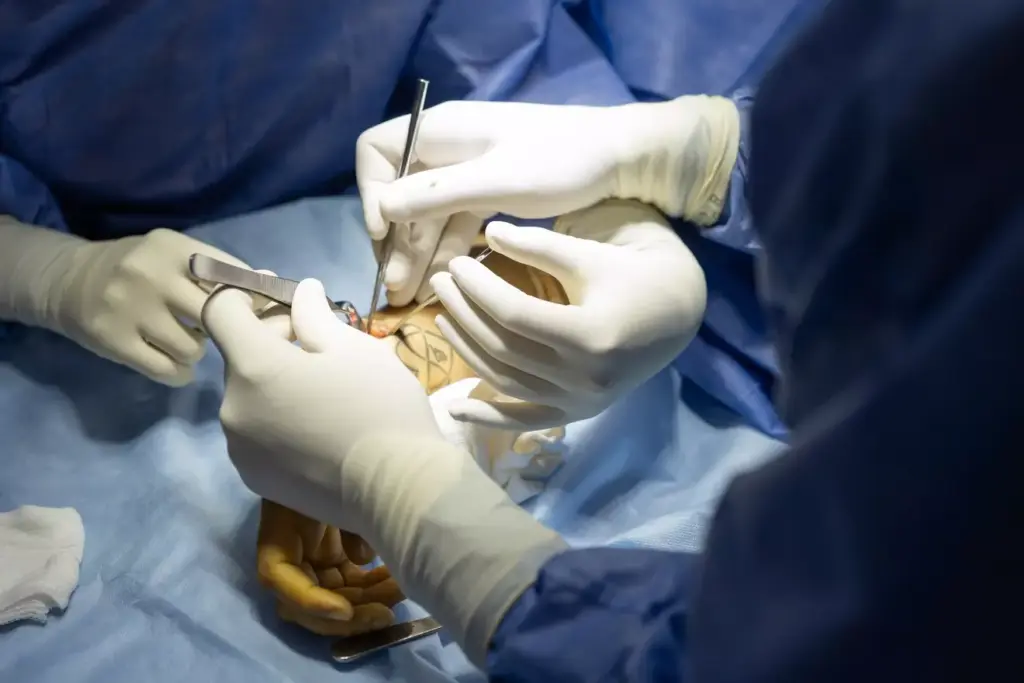
Choosing a myomectomy often helps women feel better from uterine fibroids. These growths, or leiomyomas, are not cancer but can cause a lot of discomfort. They can also lead to health problems for many women.
Common Symptoms Requiring Surgical Intervention
Women with uterine fibroids may experience heavy bleeding, long periods, and pelvic pain. They might also need to urinate more often. In some cases, fibroids can make pregnancy harder or even prevent it. If these symptoms are severe, surgical intervention might be needed.
We look at each patient’s situation to decide if a myomectomy is right. We consider the size, number, and location of the fibroids. We also think about the patient’s health and if they want to have children in the future.
Fertility Preservation Benefits
A big plus of a myomectomy is fertility preservation. Unlike a hysterectomy, which removes the uterus, a myomectomy keeps the uterus. This is good for women who want to have children later.
Research shows that removing fibroids can help women get pregnant. By taking out the fibroids, we might make it easier for a woman to conceive. Our team works with patients to plan a treatment that fits their fertility goals.
Candidates for Laparoscopy Myomectomy
Not every woman with uterine fibroids can have a laparoscopy myomectomy. Whether or not this procedure is right depends on several things. These include the size and location of the fibroids, the patient’s health, and past surgeries.
We check each patient to see if they’re a good fit for this minimally invasive surgery. Laparoscopy myomectomy has many benefits. It means less blood loss, lower risk of infection, and a quicker recovery than open surgery. Our aim is to treat effectively with the least risk and downtime.
The Surgical Process: How Long Does a Myomectomy Take?
The laparoscopic myomectomy procedure is a complex surgery that needs precision and skill. Patients often wonder about the length and details of the surgery.
Typical Duration of Laparoscopic Procedure
The time it takes for a laparoscopic myomectomy varies. Most procedures last 2 to 3 hours. The size, number, and location of the fibroids being removed can affect this time.
Incision for Myomectomy: Size and Placement
Laparoscopic myomectomy uses small incisions. This reduces scarring and helps with faster healing. We choose the size and placement of these incisions carefully. This ensures we can access the fibroids well while causing less damage to the surrounding tissue.
Advanced Techniques in Myomectomy Laparoscopic Approach
Laparoscopic myomectomy and myomectomy laparoscopic procedures need advanced surgical skills. We use the latest techniques and technology for precise fibroid removal and healing. Our surgeons are up-to-date with the newest methods to give our patients the best results.
Using advanced laparoscopic techniques, we offer a minimally invasive way to remove fibroids. This approach is linked to less pain after surgery and a quicker recovery.
Myomectomy Recovery Time: What to Expect
After a laparoscopic myomectomy, patients often ask about recovery time. We know that healing from a myomectomy is different for everyone. Our team watches over patients closely and gives them a detailed recovery plan. This helps them get back to their usual activities.
Hospital Stay Duration
The hospital stay for a laparoscopic myomectomy is usually short, lasting 1 to 2 days. We keep an eye on patients for any immediate problems and manage their pain well. Our aim is to make sure patients are comfortable and safe before they go home.
Week-by-Week Recovery Timeline
The recovery after a myomectomy goes through several stages:
- First Week: Rest and recovery are key in the first week. Patients should avoid hard work and heavy lifting.
- Weeks 2-4: Patients can start doing light activities and slowly get back to their routine.
- Weeks 4-6: Most people can do regular activities, including exercise, but must follow our guidelines.
The myomectomy recovery time can change based on many factors. These include the patient’s health and how complex the surgery was.
Factors Affecting Fibroidectomy Recovery Time
Several things can affect the fibroidectomy recovery time:
- The size and number of fibroids removed.
- The patient’s overall health and any other health issues.
- The surgery method, with laparoscopic being quicker.
By knowing these factors and following our post-op advice, patients can improve their recovery. This helps avoid any extra problems.
We are dedicated to giving full care and support during recovery. By following our advice and going to follow-up visits, patients can have a smooth and successful recovery.
First Week After Surgery: Critical Recovery Period
The first week after laparoscopic myomectomy surgery is key for a good recovery. Your body is healing from the surgery. Taking good care of yourself can greatly affect the outcome.
Managing Post-Operative Pain and Discomfort
Managing pain after surgery is very important for a comfortable recovery. Follow the pain management plan given by your healthcare team. This may include taking certain medicines.
Tips for managing pain:
- Take pain medication before the pain becomes severe.
- Rest in a comfortable position to reduce discomfort.
- Apply heat or cold packs as advised by your healthcare provider.
Activity Restrictions and Rest Requirements
Resting and doing less activity are important in the first week after surgery. Avoid heavy lifting, bending, or hard activities. These can harm the healing process.
Key activity restrictions include:
- Avoiding heavy lifting (more than 10 pounds).
- Limiting strenuous exercise or physical activity.
- Gradually increasing mobility to prevent blood clots.
Wound Care for Laparoscopic Incisions
Good wound care is essential to avoid infection and help healing. Keep the incision sites clean and dry. Follow any specific instructions from your healthcare team.
Wound care tips:
- Gently clean the incision sites with mild soap and water.
- Pat dry the area; avoid rubbing.
- Follow your healthcare provider’s advice on dressing changes.
By managing pain well, following activity limits, and taking care of your wounds, you can help your recovery after laparoscopic myomectomy surgery.
Weeks 2-4: Progressive Healing After Laparoscopic Myomectomy Surgery
After laparoscopic myomectomy surgery, patients see big improvements in weeks 2-4. We help them slowly get back to daily life, increase physical activity, and watch how they heal.
Returning to Daily Activities
Most patients can go back to their usual activities in 2–4 weeks. We suggest starting with easy tasks like cooking, reading, or short walks. “Slowly getting back to normal helps avoid problems and makes recovery smoother,” says a top expert in minimally invasive gynecological surgery.
It’s key to listen to your body and not push too hard. If you feel pain or discomfort, it’s time to rest.
Physical Activity Guidelines
Being active is a big part of getting better. We tell patients to start with simple exercises like stretching or short walks. As you get stronger, you can do more and longer activities.
- Start with short walks (10-15 minutes) and gradually increase the duration.
- Avoid heavy lifting, bending, or strenuous activities.
- Resume driving when you feel comfortable and safe to do so.
Monitoring Your Healing Progress
Regular check-ups with your doctor are very important during this time. We keep an eye on how you’re healing, answer any questions, and guide you on what to do next.
Signs of healing well include: less pain, better movement, and no signs of infection like fever or unusual discharge.
“Watching how your body reacts to more activity is very important. If you notice anything odd, reach out to your doctor right away,” advises a leading laparoscopic surgery expert.
Complete Myomectomy Healing Time: Months 1-3
Recovering from a laparoscopic myomectomy takes time. It’s important to know the healing timeline to get the best results. Patients should follow a careful recovery plan for several months.
Internal Healing Milestones
Follow-up appointments help track the healing process. These visits are key to seeing how well the body is healing. We check the healing of internal tissues and solve any problems that come up.
Key internal healing milestones include:
- The gradual reduction of post-surgical inflammation
- The healing of internal incisions and restoration of tissue integrity
- The return of normal organ function
Resuming Exercise and Intimate Relations
Patients often wonder when they can start exercising and being intimate again. We suggest starting with light exercises when you feel ready. Most can start these in 4-6 weeks, but more intense activities may wait until 6-8 weeks.
Starting intimate relations is also a big part of getting better. We usually say wait until 4-6 weeks after surgery. This helps make sure you’re healing right and keeps risks low.
Follow-up Appointments and Evaluations
Follow-up visits are key to checking on your healing. They usually happen 4-6 weeks after surgery. The exact time may vary based on your needs.
At these visits, we check how you’re doing and look for any problems. We also give advice on what to do next. This care helps you get the best results from your myomectomy.
Nutrition and Lifestyle Tips for Optimal Recovery
Recovering from laparoscopic myomectomy surgery needs more than just rest. A balanced diet full of essential nutrients is key. It helps your body heal faster.
Foods That Promote Healing
Some foods can help you recover by giving your body what it needs. These include:
- Protein-rich foods like lean meats, fish, eggs, and legumes, which are vital for fixing tissues.
- Fruits and vegetables full of antioxidants, such as berries, leafy greens, and citrus fruits, which fight inflammation.
- Whole grains like brown rice, quinoa, and whole wheat bread, which give you energy and fiber.
- Nuts and seeds packed with healthy fats and minerals, such as almonds, walnuts, and chia seeds.
Hydration and Supplement Recommendations
Drinking enough water is critical for healing. We suggest drinking lots of water all day. Also, some supplements can help, but talk to your doctor first.
Good supplements might include:
- Vitamin C to strengthen your immune system and help with collagen.
- Omega-3 fatty acids for their anti-inflammatory effects.
- Probiotics to keep your gut healthy, if you’re on antibiotics.
Sleep and Stress Management
Enough sleep and managing stress are also key for a smooth recovery. Aim for 7-8 hours of sleep per night to help your body fix and refresh itself. Stress-reducing activities like deep breathing, meditation, or gentle yoga can also help lessen pain and improve your overall health.
By following these nutrition and lifestyle tips, patients can make the best environment for healing after laparoscopic myomectomy surgery.
Potential Complications: When to Contact Your Doctor
Laparoscopic myomectomy is usually safe, but complications can happen. We want our patients to know what to watch for. This way, they can handle any issues that come up.
Warning Signs During Early Recovery
Right after surgery, keep an eye on how your body is doing. Look out for these warning signs of trouble:
- Excessive bleeding or clotting
- Severe abdominal pain or cramping
- Fever above 100.4°F (38°C)
- Increasing swelling or redness around the incision site
- Difficulty urinating or severe constipation
If you notice any of these, call your doctor right away. For tips on dealing with post-surgery symptoms. Long-term Complications to Monitor
Some long-term complications are rare but can happen. These might include:
- Adhesions or scar tissue formation
- Bowel or urinary tract injury
- Infection or abscess formation
Going to your follow-up appointments helps catch problems early.
Preventive Measures to Reduce Risks
To lower the chance of problems, do these preventive measures:
- Follow your doctor’s post-op care advice
- Go to all your follow-up visits
- Stay healthy with a good diet and exercise
- Tell your doctor about any odd symptoms or worries
Knowing about possible complications and taking steps to prevent them can help your recovery go smoothly.
Conclusion Long-term Benefits of Choosing Minimally Invasive Fibroid Treatment
Choosing minimally invasive fibroid treatment, like laparoscopic myomectomy, brings many benefits. It leads to less scarring and a quicker recovery. This method also means less pain after surgery and a faster return to daily activities.
Research shows that laparoscopic myomectomy has fewer complications and a shorter hospital stay than open surgery. This makes the recovery process more comfortable and efficient for patients.
At our institution, we focus on the latest medical advancements. We aim to give our patients the best care possible. By choosing laparoscopic myomectomy, patients get a treatment that supports their long-term health and well-being.
FAQ
What is the typical recovery time for a laparoscopic myomectomy?
Recovery from a laparoscopic myomectomy usually takes 2-4 weeks. But, it can take several months to fully heal. We give a week-by-week guide to help you know what to expect.
How long does a myomectomy surgery take?
A laparoscopic myomectomy can last from 1-3 hours. This depends on how complex the surgery is and how many fibroids are being removed.
What are the benefits of choosing a minimally invasive approach like laparoscopic myomectomy?
Laparoscopic myomectomy has many benefits. It causes less scarring, less pain, and you can get back to normal faster. It also helps in healing by causing less damage to the surrounding tissue.
How do I manage post-operative pain and discomfort after a myomectomy?
Managing pain is key after a myomectomy. We prescribe pain meds and advise on rest and activity limits. This helps prevent complications and aids in healing.
When can I resume exercise and intimate relations after a myomectomy?
We guide you on when it’s safe to start exercising and being intimate again. This is usually after a few weeks or months, based on your healing. Regular check-ups are important to track your progress.
What are the possible complications of a myomectomy, and how can they be prevented?
Myomectomy is usually safe, but complications like bleeding, infection, or adhesions can happen. We teach you to watch for warning signs early on. We also advise on preventive steps, like following up with care and following instructions.
How can I promote healing and support my recovery after a myomectomy?
Eating a balanced diet rich in nutrients helps healing. Drinking enough water and taking supplements also supports recovery. Managing sleep and stress with relaxation techniques can also help you heal smoothly.
What is the difference between laparoscopic and open myomectomy?
Laparoscopic myomectomy is a minimally invasive surgery through small incisions. Open myomectomy uses a larger incision. Laparoscopic surgery leads to faster recovery and less pain.
How long does it take for the uterus to heal after a myomectomy?
Healing after a myomectomy can take months. We check on your healing through follow-ups and guide you on when to resume normal activities.
What are the common symptoms that may require a myomectomy?
Symptoms like heavy bleeding, pelvic pain, and pressure on organs can need a myomectomy. This surgery removes fibroids while keeping the uterus.
Can I preserve my fertility after a myomectomy?
Yes, myomectomy is good for women wanting to keep their fertility. We assess each patient to see if they’re a good candidate for laparoscopic myomectomy, based on fibroid size, number, and location.
What is the hospital stay duration after a laparoscopic myomectomy?
You usually stay in the hospital for 1-2 days after a laparoscopic myomectomy. We closely watch over you to ensure a smooth recovery.
References
- Andou M, Yanai S, Shirane A, Kanno K. Laparoscopic Myomectomy. Surg J (N Y). 2020;6(Suppl 1):S35‑S43. doi: 10.1055/s‑0039‑3401027. Available from https://pmc.ncbi.nlm.nih.gov/articles/PMC7214085/ (PMC)
- Fava V. Laparoscopic Myomectomy in 10 Steps. J Minim Invasive Gynecol. 2019. PMID: 30639723. Available from https://pubmed.ncbi.nlm.nih.gov/30639723/ (PubMed)
- Myomectomy. In: GLOWM (Global Library of Women’s Medicine), Section View: Heading “Myomectomy”, Item 40. Available from https://www.glowm.com/section-view/heading/Myomectomy/item/40 (glowm.com)