Last Updated on December 2, 2025 by Bilal Hasdemir

After laparoscopic surgery, patients often wonder about the healing process of laparoscopic scabs. It’s important to know that how long it takes for these scabs to fall off can differ a lot from person to person.
The scab healing time laparoscopic surgery depends on many things. These include the patient’s health, how complex the surgery was, and how well they care for themselves after surgery. Usually, laparoscopic scabs fall off within a certain time. But, this can change based on how well the patient follows the doctor’s instructions after surgery.
Key Takeaways
- Scab healing time varies among individuals after laparoscopic surgery.
- Factors such as overall health and post-operative care influence healing.
- Understanding the healing process can help manage expectations.
- Laparoscopic scabs typically fall off within a specific timeframe.
- Proper post-surgery care is key for the best healing.
Understanding Laparoscopic Surgery and Incision Healing

Laparoscopic surgery uses small cuts and special tools to heal faster. It’s a key part of modern surgery, helping many patients. This method is less invasive than old ways of surgery.
What is Laparoscopic Surgery?
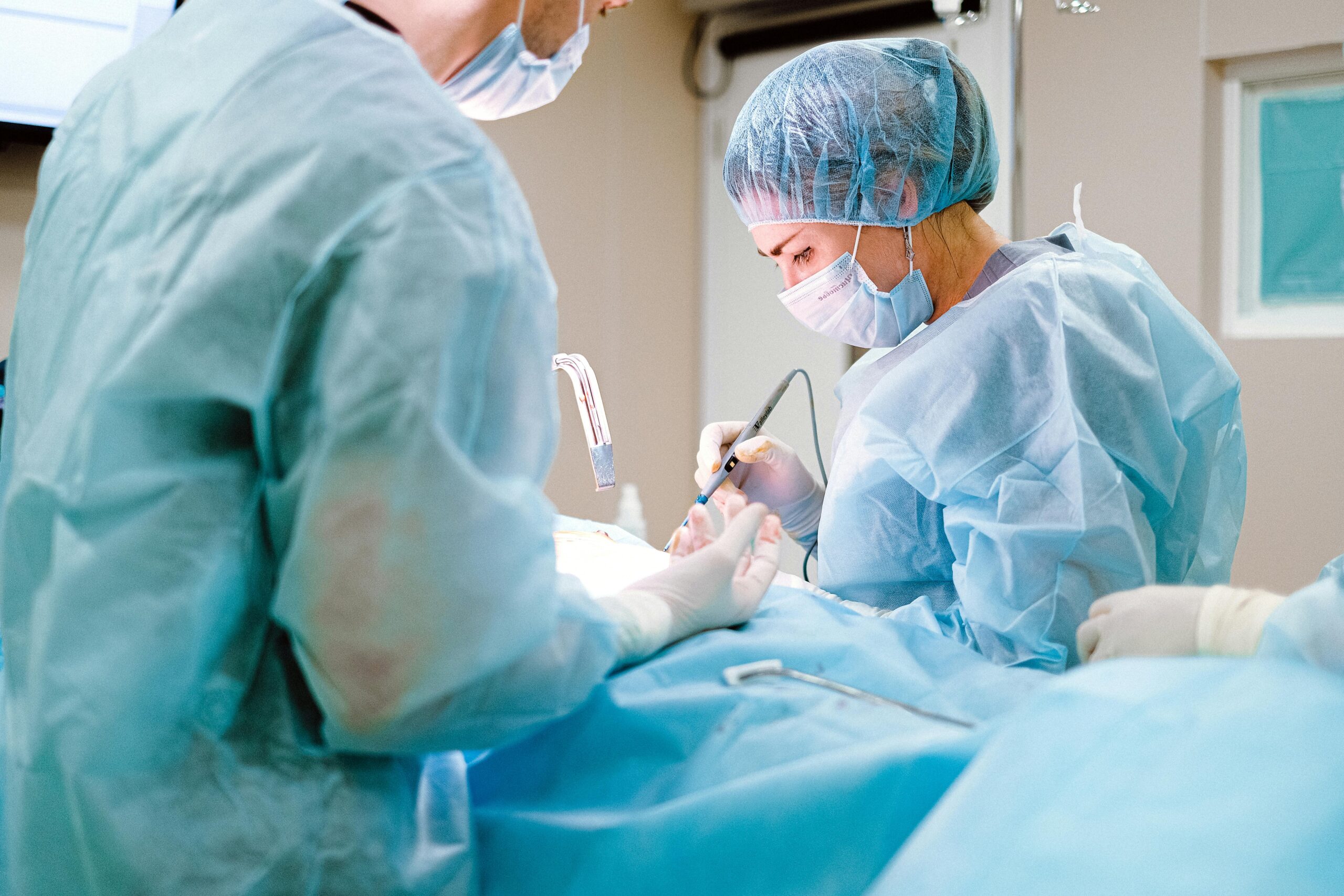
Laparoscopic surgery is a modern technique. It uses small cuts for a camera and tools. This way, surgeons can do big jobs without big cuts.
The steps are:
- Small cuts, 0.5 to 1.5 cm, are made in the belly.
- A thin tube with a camera and light is put in to see inside.
- Special tools are used to do the surgery.
Types of Incisions Made During Laparoscopy
The cuts made can change based on the surgery and the doctor. Here are some common ones:
- Umbilical incisions: Near the belly button, for the camera.
- Lower abdominal incisions: For the lower belly organs.
- Upper abdominal incisions: For the upper belly organs, like the gallbladder.
Initial Wound Closure Methods
How the cuts are closed can affect healing. Here are some ways:
- Sutures: Absorbable or non-absorbable sutures close the skin and fascia.
- Staples: Used for skin closure, mainly for bigger cuts.
- Adhesive strips: Used with sutures or staples to help hold the skin together.
Knowing about laparoscopic surgery helps understand how it heals. It’s important for recovery.
The Formation of Scabs After Laparoscopic Surgery

Scab formation is key in healing after laparoscopic surgery. The body starts natural processes to protect wounds and help them heal.
Why Scabs Form on Surgical Incisions
Scabs form to protect wounds from infection. When the body gets injured, it clots and forms a scab. This is vital for stopping infection and helping wounds heal.
“The scab acts as a protective barrier, allowing the wound to heal underneath without interference from external factors,” as noted in medical literature. The formation of scabs shows the body is healing.
Composition of Laparoscopic Scabs
Laparoscopic scabs are made of dried blood, platelets, and other cells. The scab’s makeup can change based on health and surgery details. The scab’s structure is strong to protect the wound while it heals.
Purpose of Scabs in the Healing Process
Scabs’ main job is to keep wounds safe from infection and injury. By covering the incision, scabs block bacteria and other harmful things. This is key in the early healing stages, helping the body fix the tissue.
As the wound heals, the scab will fall off, showing new tissue. How long this takes depends on the incision size, depth, and the person’s health.
Typical Timeline for Laparoscopic Scabs Healing
After laparoscopic surgery, scabs form as the body heals. Knowing this timeline helps patients understand their recovery better.
Days 1-3: Initial Scab Formation
In the first few days, scabs start to form over the incisions. This is a natural healing step. Scabs protect the wounds and start tissue repair.
Days 4-7: Scab Maturation
As time goes on, scabs get stronger. They might turn darker or more noticeable. It’s important to keep them dry and not pick at them to avoid problems.
Days 15-21: Complete Scab Resolution for Most Patients
Most people see their scabs fall off by the third week. The exact time can vary. It depends on health, incision size, and following care instructions.
The healing process has several stages:
- Initial Healing (Days 1-3): Scab formation starts, protecting the wound.
- Scab Maturation (Days 4-7): Scabs become more noticeable and may change color.
- Scab Resolution (Days 15-21): Scabs usually fall off, showing healed skin underneath.
Understanding these stages helps patients manage their recovery. It also tells them when to get medical help if complications arise.
Factors That Affect How Quickly Scabs Fall Off
Many things can change how fast scabs heal after laparoscopic surgery. These include the patient’s health and the surgery method. Knowing these can help patients manage their recovery better.
Age and Overall Health Status
Age and health are key in healing. Older people might heal slower because of less collagen and weaker immune systems. Chronic health issues, like diabetes, can slow healing by affecting blood flow and infection fighting. “Patients with health problems need to be extra careful during recovery,” says a doctor.
Nutrition and Hydration Levels
Good nutrition and hydration are vital for healing. Protein, vitamin C, and zinc help repair tissues and boost the immune system. Drinking enough water keeps skin flexible and aids in healing. Eating a balanced diet full of these nutrients can speed up scab healing.
Surgical Technique Used
The surgery method also affects healing speed. Less invasive surgeries heal faster because they cause less damage. The surgeon’s skill and the closure method used also play a role in healing.
“Advances in surgical techniques continue to improve patient outcomes by reducing recovery times and minimizing complications.”
Different Types of Laparoscopic Incisions and Their Healing Rates
Different laparoscopic incisions heal at different rates. This is because of skin tension and movement. Laparoscopic surgery makes small incisions for tools and a camera. The healing time depends on where the incision is on the body.
Umbilical (Belly Button) Incisions
Umbilical incisions are often used in laparoscopic surgery. The healing rate of umbilical incisions can be influenced by the natural tension in the abdominal skin. These incisions usually heal quickly, but the navel’s unique anatomy can sometimes make healing take a bit longer.
Lower Abdominal Incisions
Lower abdominal incisions are used for gynecological laparoscopy. The skin in this area is more flexible, leading to faster healing. But, healing can also depend on the patient’s health and post-operative care. It’s important to take good care of the wound to heal well.
Upper Abdominal Incisions
Upper abdominal incisions are used for procedures like gallbladder removal. This area has more mobility and tension on the wound. Patients with upper abdominal incisions need to be careful with their movements to help healing. Eating well and following post-operative instructions can support the healing process.
In conclusion, the type and location of laparoscopic incisions affect their healing rates. Knowing these differences helps patients and healthcare providers plan better for recovery. This leads to better outcomes.
Normal vs. Abnormal Appearance of Healing Laparoscopic Scabs
Knowing the difference between normal and abnormal scab appearance is key for a smooth recovery after laparoscopic surgery. As the body heals, scabs over the incision sites change. These changes show how healing is going or if there are problems.
What healthy healing scabs look like
Healthy scabs are usually dry and may change color as they heal. They might start off red or pink, then get darker before falling off. A scab healing right should not ooze or hurt too much.
Warning signs of infection or poor healing
Watch your scabs for signs of infection. Look for increased redness, swelling, warmth around the incision, or discharge. If you see these signs, call your healthcare provider right away.
Color changes to expect during healing
The scab’s color may change as it heals. It might start red or pink, then get darker before falling off. These color changes are usually normal.
Characteristics | Normal Healing | Potential Infection/Complication |
Color | Dry, may change from red/pink to darker | Increased redness, or presence of pus |
Swelling | Minimal swelling around the scab | Significant swelling or increasing swelling |
Discharge | No discharge or minimal clear discharge | Purulent discharge or significant oozing |
Proper Care for Laparoscopic Incisions and Scabs
To recover quickly, it’s key to follow a good wound care routine after laparoscopic surgery. Taking care of laparoscopic incisions and scabs is important. It helps prevent problems and speeds up healing.
Cleaning Instructions for Incision Sites
It’s vital to keep the incision site clean to avoid infection. Wash the area with mild soap and lukewarm water. Stay away from harsh or abrasive cleansers that can irritate the skin.
Key cleaning tips:
- Gently pat the area dry with a clean towel.
- Avoid submerging the incision site in water until it’s fully healed.
Dressing Changes and Wound Care
Follow your doctor’s advice for changing dressings. Dressings should be changed daily or when they get wet or dirty.
Proper dressing change technique:
- Wash your hands thoroughly before touching the dressing.
- Gently remove the old dressing, taking care not to pull on the scab.
- Clean the incision site as instructed.
- Apply a new dressing as directed by your healthcare provider.
Showering and Bathing Guidelines
Showering is okay 24 to 48 hours after surgery. But, avoid bathing until the incision is fully healed. When showering, let water run over the incision site without spraying it directly.
Tips for safe showering:
- Keep the shower warm, not hot, to avoid discomfort.
- Pat the incision site dry; do not rub.
The Laparoscopic Scabs Healing Process in Detail
It’s important for patients to know how laparoscopic scabs heal. The healing process has several stages, from the start of inflammation to the final scar maturation.
Inflammatory Phase
The body’s first reaction to injury is the inflammatory phase. It starts right after surgery and lasts a few days. The body increases blood flow to fight off infections.
Key characteristics of the inflammatory phase include:
- Redness and swelling around the incision site
- Increased temperature in the affected area
- Presence of white blood cells to combat infection
Proliferative Phase
The proliferative phase comes after the inflammatory phase. It can last from the second day to several weeks. The body starts rebuilding tissue, forming new blood vessels and granulation tissue.
The proliferative phase is marked by:
- The formation of granulation tissue
- The development of new blood vessels (angiogenesis)
- The initial formation of scar tissue
Maturation Phase
The maturation phase is the final healing stage. It can last a year or more after surgery. The scar tissue is remodeled and strengthened.
The maturation phase involves:
Process | Description |
Collagen remodeling | The realignment of collagen fibers to improve the strength of the scar tissue |
Scar tissue strengthening | The gradual increase in the tensile strength of the scar tissue over time |
The healing of laparoscopic scabs is complex and highly regulated. Proper wound care and post-operative follow-up are key for optimal healing.
When to Contact Your Doctor About Scab Healing
Knowing when to see a doctor about scab healing is key after laparoscopic surgery. Scabs are a normal part of healing. But, some signs can mean you need medical help.
Signs of Infection Requiring Medical Attention
Infection is a serious issue after laparoscopic surgery. Watch for these signs that mean you should call your doctor:
- Increased redness or swelling around the incision site
- Pus or discharge from the wound
- A foul odor from the incision
- Fever above 100.4°F (38°C)
- Increased pain or tenderness around the incision
If you see any of these, get medical help right away.
Concerning Changes in the Appearance of Scabs
Some changes in scabs are normal. But, some changes are a worry. Call your doctor if you see:
- Scabs that become significantly larger or more painful
- Scabs that start to open or bleed
- Scabs that change color significantly, such as becoming very dark or developing unusual hues
Pain Levels That Warrant Medical Evaluation
Pain is part of healing, but some pain levels are a sign of trouble. Call your doctor if:
- Your pain increases over time instead of improving
- You experience sudden, severe pain
- Your pain is not managed with prescribed pain medication
It’s always safer to be cautious with your health. If you’re unsure about your scab healing or recovery, contact your healthcare provider.
Common Complications Related to Laparoscopic Incision Healing
It’s important to know about the possible problems with healing after laparoscopic surgery. This type of surgery is usually safe and doesn’t leave big scars. But, the healing process can be affected by different things.
Infection and Its Impact on Scab Healing
Infection is a big problem that can happen when healing from laparoscopic surgery. If an infection occurs, it can slow down healing and cause more issues. Signs of infection include redness, swelling, increased pain, and discharge from the wound site.
It’s key to treat infection quickly to avoid lasting damage. This might mean antibiotics or sometimes more surgery.
Dehiscence (Wound Separation)
Dehiscence is when the wound edges split apart. This can happen for reasons like infection, too much tension on the wound, or bad closure techniques. Wound separation can make healing take longer and might need extra treatment.
To deal with dehiscence, the wound is often dressed and allowed to heal on its own. Sometimes, the wound needs to be stitched again.
Excessive Scarring and Keloid Formation
Some people might get more scarring or keloids than others during healing. Keloids are thick, raised scars that can itch or hurt. Things that can lead to more scarring include your genes, skin type, and where and how big the incision is.
Factors Contributing to Excessive Scarring | Description |
Genetic Predisposition | People with a family history of keloids or hypertrophic scars are more likely to get more scarring. |
Skin Type | Darker skin types are more likely to get keloids. |
Incision Size and Location | Bigger incisions or those in certain body areas might lead to more noticeable scarring. |
Delayed Healing in Specific Populations
Some groups, like older adults, diabetics, or those with weak immune systems, might heal slower. Nutritional deficiencies and smoking can also slow healing.
For these groups, it’s important to watch them closely and tailor their care after surgery. This helps reduce the chance of problems and helps them heal better.
Do’s and Don’ts While Waiting for Scabs to Fall Off
After laparoscopic surgery, it’s key to follow certain rules for healing. The time waiting for scabs to fall off is very important. Some actions can help or hurt the healing process.
Safe Activities During Recovery
Doing safe things can help you heal better. Gentle walking is good because it keeps blood flowing. Also, eating a balanced diet full of nutrients helps your body recover.
It’s important to follow your doctor’s advice on wound care and dressing changes. Keeping the incision areas clean and dry is key to avoid infection. It also helps the scabs to form and fall off right.
Activities to Avoid
While you’re recovering, stay away from things that might strain your body or slow healing. Heavy lifting, bending, or strenuous exercise can harm your abdominal muscles. It might also cause problems.
Don’t smoke or drink alcohol because they can slow healing. Also, don’t let the incision areas get too much direct sunlight or extreme temperatures. This can mess with healing.
Why You Should Never Pick or Remove Scabs
Don’t pick or remove scabs because it can cause infection, scarring, or make healing take longer. Scabs protect the wound. Taking them off too soon can let in germs.
Letting scabs fall off naturally lets your body heal at its own speed. It also lowers the chance of problems. If you’re worried about your scabs or healing, talk to your doctor.
Nutritional Support for Optimal Wound Healing
A well-balanced diet is key for fixing wounds. It gives the body what it needs to heal. Good nutrition helps the body heal naturally.
Protein Requirements for Tissue Repair
Protein is vital for fixing wounds. It has amino acids for repairing tissues. Eating enough protein is important for making collagen, which is in skin and connective tissue.
Patients should eat lots of protein-rich foods like lean meats, fish, eggs, and dairy. The amount of protein needed varies, but more is usually better for healing.
Vitamins and Minerals That Support Healing
Some vitamins and minerals are key for healing wounds. Vitamin C helps make collagen and fight off damage. Vitamin A helps the skin stay healthy and fights inflammation. Zinc is important for making proteins and enzymes.
- Vitamin C: Supports collagen synthesis and antioxidant functions
- Vitamin A: Promotes healthy skin and supports the inflammatory response
- Zinc: Essential for enzyme function and protein synthesis
Hydration and Its Role in Recovery
Drinking enough water is important for healing wounds. Water keeps the wound moist, helping it heal faster. Proper hydration also helps nutrients and oxygen reach the wound.
By eating right, including enough protein, vitamins, minerals, and staying hydrated, patients can heal faster. This helps them recover better overall.
Patient Experiences: Typical Healing Timelines After Laparoscopy
Looking at how patients heal after laparoscopic surgery can help set realistic recovery goals. This surgery is known for being less invasive. It’s used for many issues, like gynecological problems, gallbladder removal, and hernia repair.
Gynecological Laparoscopy Recovery Patterns
Women who have gynecological laparoscopy usually follow a similar recovery path. Most can get back to normal in a few weeks.
- They often feel a bit sore and bloated for the first few days.
- By the end of the first week, they can start doing light things again.
- It usually takes 4-6 weeks to fully recover.
Gallbladder Removal (Laparoscopic Cholecystectomy) Healing
Those who have gallbladder removal surgery tend to heal quickly. Many can get back to their usual life in just a couple of weeks.
Recovery Stage | Typical Timeline | Common Experiences |
Immediate Post-Surgery | 1-3 days | Fatigue, mild pain, and discomfort |
Early Recovery | 4-7 days | Gradual improvement, some soreness |
Full Recovery | 2-4 weeks | Return to normal activities, minimal discomfort |
Appendectomy and Hernia Repair Recovery Experiences
Recovery times for laparoscopic appendectomy or hernia repair can differ. This depends on the surgery’s complexity and the patient’s health.
Common recovery experiences include:
- Mild pain and discomfort at the incision sites.
- Fatigue and weakness during the initial recovery phase.
- Gradual return to normal activities over 2-4 weeks.
Knowing these typical healing times helps patients prepare for their recovery. It sets realistic goals and makes the healing process smoother.
Medical Perspectives on Scab Management After Minimally Invasive Surgery
Medical studies and surgeon advice help us understand scab care after surgery. It’s key for healing well and avoiding problems.
Current Medical Guidelines for Post-Operative Care
Guidelines say to keep the cut area clean and dry for healing. Surgeons suggest gentle cleaning with mild soap and water. Then, dry it with a clean towel. They might also recommend antibiotic ointment to stop infection.
It’s best to avoid getting the cut wet until it’s fully healed. Showering is okay, but bathing, swimming, or hot tubs are a no-go until the doctor says it’s safe.
Surgeon Recommendations for Optimal Healing
Surgeons emphasize following post-op instructions for the best healing. This means watching for signs of infection like more redness, swelling, or discharge. They also recommend eating well, focusing on foods that help wounds heal like vitamin C and zinc.
- Attend follow-up appointments as scheduled
- Report any unusual symptoms or concerns
- Maintain good hygiene practices
Research on Accelerating Wound Healing
Research is exploring ways to speed up wound healing. Advanced wound care products with growth factors are being studied. So is the role of nutritional supplements in healing.
A Journal of Surgical Research study showed nutrition is vital for wound healing. Eating enough proteins, vitamins, and minerals can really help the healing process.
By following medical advice, surgeon tips, and staying up-to-date with wound healing research, patients can improve their recovery after laparoscopic surgery.
What Happens After the Scabs Fall Off?
After scabs from laparoscopic surgery fall off, healing starts anew. The skin gets better and looks more natural over time.
The Appearance of Newly Healed Skin
The skin after healing might look red, pink, or slightly discolored at first. This is normal. It might also feel different, being more sensitive or having a unique texture.
As healing goes on, the skin’s color and feel will get better. It’s important to wait patiently for the skin to fully heal.
Long-term Scar Development
Scars will keep changing and getting better for months after the scabs fall off. At first, they might be raised, red, or inflamed. But they will flatten and fade over time.
The look of scars can change based on many things. These include genetics, skin type, and how well you care for your skin after surgery.
Scar Minimization Techniques
There are ways to make scars less noticeable after laparoscopic surgery. These include:
- Massaging the scar tissue gently
- Using silicone gel or sheeting on the scars
- Avoiding direct sun exposure and using sunscreen to protect the scars
It’s also key to follow your healthcare provider’s or surgeon’s advice on scar care.
Conclusion
The healing of laparoscopic scabs is complex and varies from person to person. It’s important to understand what affects this process for the best recovery.
Scabs from laparoscopic surgery usually appear a few days after the operation. They can take 1-3 weeks to fall off. Things like age, health, diet, and the surgery method can change how long it takes to heal.
Good wound care is key for healing right. This means cleaning gently and changing dressings as needed. It helps avoid problems and promotes healing.
Knowing what to expect and how to support healing can help patients. This way, they can lower the chance of complications and get the best results from their surgery.
Being well-informed helps patients through the recovery. By following the advice in this article, people can make their healing process smoother and more successful.
FAQ
How long does it typically take for laparoscopic scabs to fall off?
Laparoscopic scabs usually fall off in 7 to 21 days. This time can vary based on the incision size, your health, and post-op care.
What are the signs of infection in laparoscopic scabs?
Look out for redness, swelling, warmth, or pus around the incision. Fever or chills are also signs. If you see these, call your doctor.
How should I care for my laparoscopic incisions and scabs?
Clean the incision sites with mild soap and water. Follow your doctor’s dressing change instructions. Avoid water until healed.
Can I pick or remove my laparoscopic scabs?
No, don’t pick or remove scabs. This can cause infection, scarring, or slow healing. Let them fall off naturally.
What nutritional elements support wound healing after laparoscopic surgery?
Protein, vitamins C and A, zinc, and hydration are key for healing. Eating a balanced diet with these nutrients helps recovery.
Are there any activities I should avoid while waiting for my scabs to fall off?
Yes, avoid heavy lifting, bending, or strenuous activities as your surgeon advises. Also, skip soaking in bathtubs, hot tubs, or pools until healed.
How can I minimize the appearance of scars after laparoscopic surgery?
Follow your surgeon’s scar care advice. Keep the area moisturized and avoid direct sun. Use silicone gel or sheeting after healing.
What is the normal appearance of healing laparoscopic scabs?
Healthy scabs are dry, slightly raised, and may be dark red to brown or black. They shouldn’t ooze, bleed, or smell bad.
When should I contact my doctor about scab healing?
Call your doctor if you see signs of infection, if scabs don’t fall off as expected, or if you have increasing pain, redness, or swelling.
How long does it take for the skin to fully recover after laparoscopic scabs have fallen off?
Skin recovery can take weeks to months, with scars improving over time. Proper care helps scars look better.
References
National Center for Biotechnology Information. Evidence-Based Medical Insight. Retrieved from https://pubmed.ncbi.nlm.nih.gov/18279351/