Last Updated on November 27, 2025 by Bilal Hasdemir
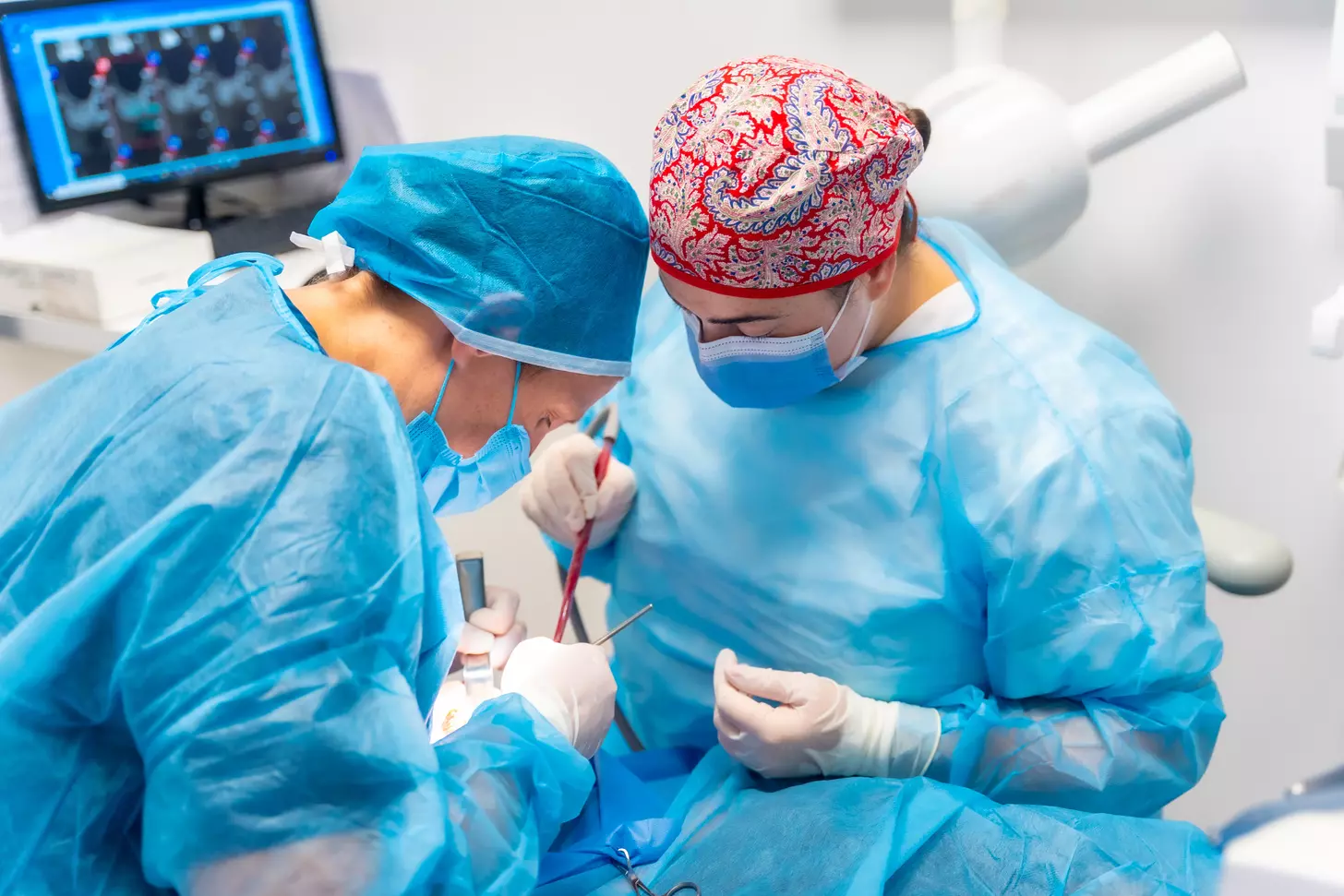
Knowing what to expect before and after a laparoscopic partial hysterectomy is key to a smooth recovery. At Liv Hospital, we focus on patient care and follow international standards. We aim to guide you with clear, evidence-based advice and support you with compassion.
A partial hysterectomy is a big surgery. Knowing what to expect can help a lot. The American College of Obstetricians and Gynecologists says hysterectomy is a common surgery in the U.S. Most people can start light activities in 1-2 weeks and fully recover in 4-6 weeks. We’ll cover important recovery facts like pain management and post-operative care to help you prepare.
Key Takeaways
- Most patients can resume normal activities within 4-6 weeks after surgery.
- Effective pain management is key for a comfortable recovery.
- Post-operative care is vital for a good recovery.
- Laparoscopic surgery usually means less pain than open surgery.
- Understanding the recovery process can help manage expectations and reduce anxiety.
What to Expect from a Laparoscopic Partial Hysterectomy

Choosing a laparoscopic partial hysterectomy is a big decision. It’s important to know what to expect. We’re here to help you understand.
Defining Partial vs. Complete Hysterectomy
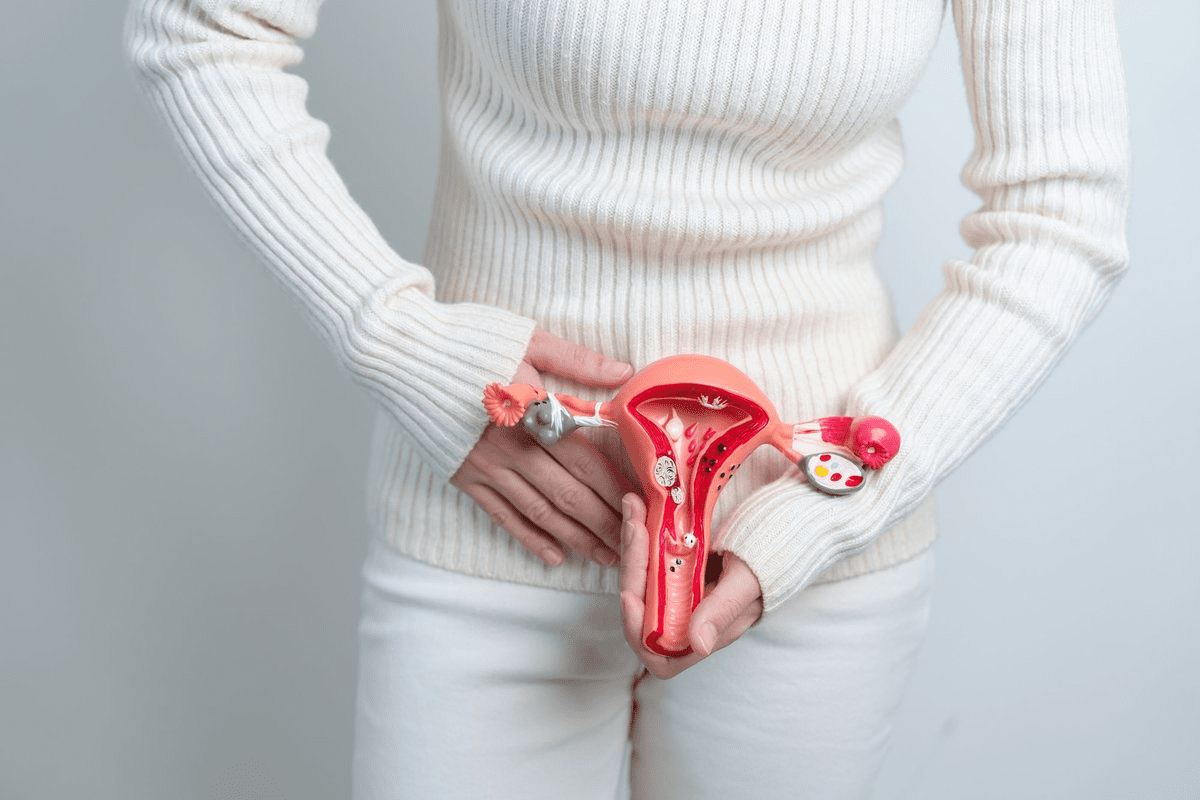
A partial hysterectomy removes the uterus but keeps the cervix. A complete hysterectomy removes both the uterus and cervix. Knowing the difference helps patients make the right choice.
Many factors influence whether you’ll have a partial or complete hysterectomy. These include your medical history, why you need surgery, and your doctor’s advice. Talking to your doctor is key to choosing the best option for you.
Benefits of Minimally Invasive Techniques
Laparoscopic partial hysterectomy is a minimally invasive surgery. It has many benefits. These include less pain, shorter hospital stays, and faster recovery times than open surgery.
Studies show laparoscopic surgery leads to fewer complications and quicker recovery. “Minimally invasive surgery has changed gynecology, making it safer and more efficient.”
| Aspect | Laparoscopic Hysterectomy | Open Hysterectomy |
|---|---|---|
| Recovery Time | 2-4 weeks | 6-8 weeks |
| Post-operative Pain | Less | More |
| Hospital Stay | 1-2 days | 3-5 days |
| Scarring | Minimal | Significant |
The table shows laparoscopic hysterectomy’s benefits. It has less pain and a shorter recovery time than open surgery.
In conclusion, understanding laparoscopic partial hysterectomy is vital. By knowing the benefits and outcomes, patients can make informed choices about their care.
Laparoscopic Stomach Before and After Hysterectomy: Visual Changes

After a laparoscopic hysterectomy, many wonder about changes in their belly. The stomach area can look different before and after surgery. Knowing what to expect can help with recovery.
Typical Incision Patterns
The cuts made during surgery are small, about 0.5 to 1 cm. They are placed to hide scars. These are usually near the belly button, making scars less visible. There are usually 3 to 4 cuts.
Healing these cuts takes weeks. At first, they might be red, swollen, and bruised. It’s normal for them to itch or feel hot as they heal. As time goes by, the redness will go away, and scars will fade.
Expected Abdominal Appearance
The belly might look swollen or bloated after surgery. This swelling goes away in a few weeks. It might also feel sore to the touch, which is normal.
As healing happens, the belly will look more normal again. Following doctor’s orders helps healing and reduces scarring. Eating well and avoiding hard activities early on also helps.
In summary, while changes after surgery can be scary, knowing about incisions and healing helps. It makes recovery feel more manageable and hopeful.
Recovery Fact #1: Hospital Stay Duration
After a laparoscopic hysterectomy, patients often ask how long they’ll stay in the hospital. The answer depends on several things. These include the patient’s health and the details of the surgery.
Same-Day Discharge Possibilities
Many patients can go home the same day. This is because the surgery is minimally invasive. It causes less damage and leads to faster recovery. Same-day discharge is a big plus, letting patients recover at home.
When Overnight Observation May Be Needed
But, some patients might need to stay overnight. This is for their safety and to keep an eye on them. The choice to stay is based on how they’re doing after surgery and their health.
In summary, while many can go home the same day, some might need to stay. Knowing why can help you get ready for your recovery.
Recovery Fact #2: Pain Medication Timeline
After a laparoscopic hysterectomy, many wonder how long they’ll need pain meds. It’s key to manage pain well for a smooth recovery. We’ll help you understand the typical pain medication timeline and what to expect.
How Long Will I Need Pain Meds After Hysterectomy?
Usually, patients need pain meds for 1 to 2 weeks after surgery. The time can change based on the surgery’s extent and your pain tolerance. It’s vital to follow your doctor’s advice on pain meds.
Transitioning from Prescription to Over-the-Counter Options
As you get better, you’ll start with prescription pain meds and then move to OTC ones like acetaminophen or ibuprofen. This switch usually happens in the first couple of weeks. This is a big step towards managing pain with less strong meds.
| Recovery Week | Typical Pain Medication | Notes |
|---|---|---|
| 1-2 weeks | Prescription pain medication | Stronger medication for initial recovery phase |
| 2-4 weeks | Over-the-counter pain medication | Transition to OTC meds like acetaminophen or ibuprofen |
| After 4 weeks | Minimal to no pain medication | Most patients significantly reduce or stop pain meds |
Knowing your pain medication timeline helps you prepare for recovery. Always talk to your healthcare provider for advice on managing pain after your hysterectomy.
Recovery Fact #3: Activity Restrictions and Lifting Limitations
Knowing what activities to avoid after a laparoscopic hysterectomy is key to a smooth recovery. It’s important to stick to specific activity restrictions and lifting limits.
Your body needs time to heal after a laparoscopic hysterectomy. Avoiding heavy lifting, bending, or strenuous activities is a must. The 10-pound lifting limit is often advised to patients.
The 10-Pound Rule: Why It Matters
The 10-pound rule helps prevent complications like bleeding, infection, or damage to the surgical site. Heavy lifting can stress your abdominal muscles and the surgical site, leading to these issues.
For the first two weeks, avoid lifting anything over 10 pounds. This includes groceries, heavy purses, or even children. It might be hard, but following this rule is essential for a smooth recovery.
Gradual Progression of Physical Activities
While avoiding strenuous activities is important, completely avoiding physical activity is not recommended. Gentle exercises like walking are encouraged to prevent blood clots and aid in healing.
As you get better, you can slowly increase your physical activities. Here’s a general guide:
| Timeframe | Recommended Activities | Activities to Avoid |
|---|---|---|
| First 2 weeks | Light walking, stretching | Heavy lifting, bending, strenuous exercise |
| 2-4 weeks | Gradually increase walking distance, light housekeeping | Avoid heavy lifting, high-impact exercises |
| 4-6 weeks | Progress to more strenuous activities, gentle exercises like yoga | Avoid high-impact exercises, contact sports |
Always follow your healthcare provider’s specific instructions on activity restrictions and lifting limits. This ensures a safe and effective recovery after your laparoscopic hysterectomy.
Recovery Fact #4: The 4-Week Recovery Milestone
As we near the four-week mark after a laparoscopic hysterectomy, many women see big changes. This time is key as it marks a healing turning point. Most patients feel a big energy boost and start getting back to their daily lives.
Energy Level Improvements at 4 Weeks
By four weeks after surgery, patients often feel more energetic. This is because their bodies are healing and they’re feeling less pain. With more energy, women can start doing light exercises and going out with friends again.
| Activity | Status at 4 Weeks |
|---|---|
| Light Exercise | Resuming gradually |
| Daily Routines | Improving |
| Returning to Work | Possible, depending on job requirements |
Going back to work or getting back into daily routines is a big step. The time it takes can vary based on many factors. But, by the fourth week, many women can handle their daily tasks better.
Returning to Work and Daily Routines
As patients near the four-week mark, they often feel more alive. This lets them tackle their daily tasks with more energy. But, it’s important to listen to your body and not push too hard too soon. A slow and balanced approach to getting back to normal is best.
Every person’s recovery is different. Things like overall health, the surgery’s complexity, and personal life can affect how fast you recover. So, always follow the advice of your healthcare team for a smooth recovery.
Recovery Fact #5: Complete Healing Timeline
Knowing how long it takes to heal after a laparoscopic hysterectomy is key. The healing process includes both inside and outside changes. These changes can make it hard to see how well you’re really doing.
Internal Healing vs. External Appearance
Even though cuts on the outside heal fast, the inside takes longer. The area where the uterus was removed needs time to fully heal. This can take weeks or even months.
Key aspects of internal healing include:
- The healing of the vaginal cuff, which can take around 6-8 weeks.
- The recovery of pelvic floor muscles, which may require physical therapy.
- The return of normal abdominal organ function.
Recovery Time from Partial Hysterectomy: Full Timeline
The time it takes to fully recover from a partial hysterectomy varies. It depends on your health and how complex the surgery was. Here’s what you can expect:
- Immediate Recovery (1-2 weeks): You’ll likely stay in the hospital for a short time. Rest and avoid heavy lifting.
- Early Recovery (2-4 weeks): Start to do normal things again, but avoid hard work.
- Late Recovery (4-6 weeks): You can drive and do light exercise.
- Full Recovery (6-12 weeks): You’ll be fully healed and strong again.
Always listen to your doctor’s advice. They can give you specific guidance based on your needs.
Recovery Fact #6: Resuming Sexual Activity
Patients often wonder when they can safely resume intimacy after a laparoscopic hysterectomy. We know this is a key part of recovery. It’s important to follow medical advice carefully.
Medical Clearance Guidelines
Waiting for medical clearance is key before starting sex again. This usually means waiting until the wound heals and vaginal discharge stops. This can take four to six weeks. Your doctor will check your progress and tell you when it’s okay to start again.
What to Expect During Intimacy After Surgery
After surgery, intimacy might feel different. It’s important to talk to your doctor about any concerns. This way, you can smoothly get back to normal.
Starting sex again is a big step in recovery. Waiting for the right time and following advice helps patients feel confident.
Recovery Fact #7: The 8-Week Recovery Benchmark
Eight weeks after a laparoscopic hysterectomy, most patients have made big steps in their recovery. At this point, many women want to get back to their usual activities. This includes exercise and other daily routines.
What to Expect 8 Weeks After a Hysterectomy
By the 8-week mark, most patients have seen big improvements in their health and happiness. They often feel less pain and have more energy. This makes it easier to start doing more strenuous activities again.
Some key improvements patients may notice at this stage include:
- Increased stamina and reduced fatigue
- Improved mobility and reduced stiffness
- Enhanced overall physical and emotional well-being
Return to Baseline Activities and Exercise
As patients get close to the 8-week milestone, we suggest a slow return to normal activities and exercise. It’s important to do this with the help of a healthcare provider. This ensures a safe and effective recovery.
Some tips for returning to exercise and baseline activities include:
- Start with low-impact activities, such as walking or swimming
- Gradually increase the intensity and duration of workouts
- Listen to your body and rest when needed
We also advise patients to be aware of their body’s signals and not to push themselves too hard. It’s essential to find a balance between recovery and getting back to normal activities.
Understanding what to expect at the 8-week recovery benchmark helps patients navigate their journey. They can better plan their way back to full recovery and their usual routines.
Recovery Fact #8: Laparoscopic vs. Abdominal Recovery Comparison
The choice between laparoscopic and abdominal hysterectomy greatly affects recovery. We’ll look at why laparoscopic hysterectomy heals faster.
Recovery After Laparoscopic Hysterectomy: The Advantages
Laparoscopic hysterectomy has many benefits. It uses smaller incisions, causes less tissue damage, and results in less blood loss. These factors lead to a smoother recovery. Patients often feel less pain and need less pain medicine than those who have abdominal hysterectomy.
Another big plus is the shorter hospital stay for laparoscopic procedures. Many patients go home the same day or within 24 hours. Abdominal hysterectomy usually means a longer hospital stay.
Why Healing from Laparoscopic Hysterectomy Is Faster
The minimally invasive nature of laparoscopic hysterectomy helps it heal faster. Smaller incisions mean less tissue damage, which helps the body recover quicker. Also, there’s a lower risk of complications like infections and adhesions, making it easier to get back to normal activities.
Studies show that recovery from laparoscopic supracervical hysterectomy (LSH) takes about six days to two weeks. This quick recovery is a big reason why many patients choose this option.
In summary, laparoscopic hysterectomy leads to faster recovery and fewer complications than abdominal hysterectomy. Knowing these differences helps patients make better choices for their care.
Optimizing Your Recovery Through Nutrition and Self-Care
Recovering from a hysterectomy means focusing on your overall wellbeing. Eating well and managing stress can help your body heal faster.
A diet full of nutrients is key. It helps wounds heal, reduces swelling, and boosts energy.
Dietary Recommendations for Optimal Healing
We suggest eating whole, unprocessed foods. These include:
- Fruits and Vegetables: Full of vitamins, minerals, and antioxidants.
- Lean Proteins: Important for fixing and growing tissues.
- Whole Grains: Good for fiber, vitamins, and minerals.
- Healthy Fats: Nuts, seeds, avocados, and olive oil are great sources.
Sleep, Stress Management, and Emotional Wellbeing
Getting enough sleep, managing stress, and feeling emotionally well are also critical. They help you recover better.
- Prioritizing Sleep: Try for 7-8 hours each night.
- Stress Management: Try activities like meditation or yoga to relax.
- Emotional Support: Be around loved ones or join support groups.
By paying attention to these areas, you can improve your recovery. This supports your health and wellbeing.
Conclusion: Embracing Life After Hysterectomy Recovery
Understanding the recovery after a hysterectomy is key. This surgery can change your life for the better. It helps with symptoms like bloating, heavy bleeding, and pain.
Recovering well means eating right, doing gentle exercises, and managing stress. Laparoscopic hysterectomy heals faster than open surgery. Knowing what to expect helps you prepare for your journey.
Recovery is about finding your health and happiness again. With the right support, many women get back to their normal lives. We’re here to help you every step of the way.
FAQ
What is a laparoscopic hysterectomy?
A laparoscopic hysterectomy is a surgery to remove the uterus. It’s done through small cuts in the belly.
How long is the recovery time for a laparoscopic hysterectomy?
Recovery from this surgery is usually quick. Most people get back to normal in 4-6 weeks.
What are the benefits of laparoscopic hysterectomy compared to abdominal hysterectomy?
This surgery has many advantages. It causes less pain, has smaller cuts, and heals faster than the other type.
How long will I need pain medication after a laparoscopic hysterectomy?
Pain meds are needed for 1-3 weeks. Then, you can switch to over-the-counter options.
What are the activity restrictions after a laparoscopic hysterectomy?
Avoid heavy lifting and bending for 4-6 weeks. Start with light activities and gradually increase.
When can I resume sexual activity after a laparoscopic hysterectomy?
Wait for 6-8 weeks before starting again. Always follow safe intimacy guidelines.
How long does it take to recover from a partial hysterectomy?
Recovery from a partial hysterectomy is similar. Most people take 4-6 weeks to heal.
What are the dietary recommendations for optimal healing after a laparoscopic hysterectomy?
Eat a balanced diet with fruits, veggies, whole grains, and lean proteins. This helps with healing and health.
How can I manage stress and emotional wellbeing during the recovery process?
Use relaxation techniques like deep breathing or yoga. Also, talk to loved ones or a mental health expert if you need to.
What can I expect 8 weeks after a laparoscopic hysterectomy?
By 8 weeks, you should be back to normal activities. You’ll likely feel more energetic and healthy.
References
- Spire Healthcare. (2021, November 5). Hysterectomy recovery timeline and tips. https://www.spirehealthcare.com/health-hub/specialties/womens-health/hysterectomy-recovery-timeline-and-tips/