Last Updated on November 25, 2025 by Ugurkan Demir

In June 2023, a medical milestone was reached in Sri Lanka. Doctors removed the world’s largest kidney stone. It was 13.372 centimeters long and weighed 801 grams largest kidney stone passed.
This case shows how far medical tech and surgery have come. The largest kidney stone passed was from a 62-year-old retired soldier. He was treated at the Colombo Army Hospital. It shows the importance of good care and skilled doctors.
Key Takeaways
- A record-breaking kidney stone measuring 13.372 centimeters was successfully removed.
- The surgery took place at the Colombo Army Hospital in Sri Lanka.
- The patient was a 62-year-old retired soldier.
- The stone weighed 801 grams, setting a new world record.
- This case highlights advancements in medical technology and surgical techniques.
The Nature and Formation of Kidney Stones
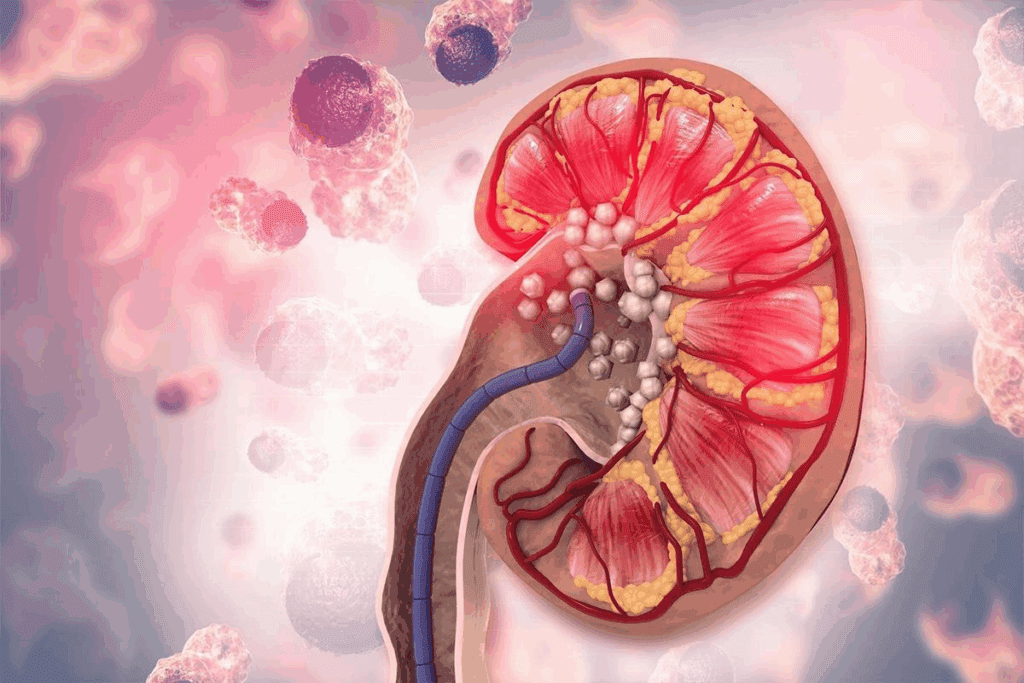
Kidney stones are hard deposits that form inside the kidneys. They happen when there’s an imbalance in urine composition. This imbalance causes minerals and salts to crystallize, forming stones.
About 10 percent of people will get kidney stones at some point. Knowing about the types of kidney stones is key for treatment and prevention.
What Are Kidney Stones?
Kidney stones are solid masses of crystals. They form when urine becomes supersaturated with stone-forming substances. These can include calcium, oxalate, uric acid, and cystine.
The size of kidney stones varies a lot. They can be as small as a grain of sand or as big as a golf ball. In rare cases, they can even be the largest kidney stone ever recorded.
How Minerals Crystallize in the Kidneys
Minerals crystallize in the kidneys when there’s an imbalance. This imbalance happens when there’s too much of substances that form stones and not enough of substances that prevent them.
Dehydration, diet, genetics, and certain medical conditions can cause this imbalance.
Common Types of Kidney Stones
There are several types of kidney stones, each with different compositions and causes.
- Calcium Oxalate Stones: The most common type, often associated with high oxalate intake or low calcium consumption.
- Uric Acid Stones: Typically occur in people who lose too much fluid due to diarrhea, have a diet high in animal protein, or suffer from gout.
- Struvite Stones: Usually associated with urinary tract infections (UTIs) and can grow quickly, becoming quite large.
- Cystine Stones: Rare and often occur in people with a hereditary disorder that causes the kidneys to release too much cystine into the urine.
| Type of Stone | Cause | Characteristics |
| Calcium Oxalate | High oxalate intake, low calcium | Most common type |
| Uric Acid | Dehydration, high animal protein diet | Associated with gout |
| Struvite | Urinary tract infections | Can grow quickly |
| Cystine | Hereditary disorder | Rare, associated with cystinuria |
The Largest Kidney Stone Passed: World Records Examined
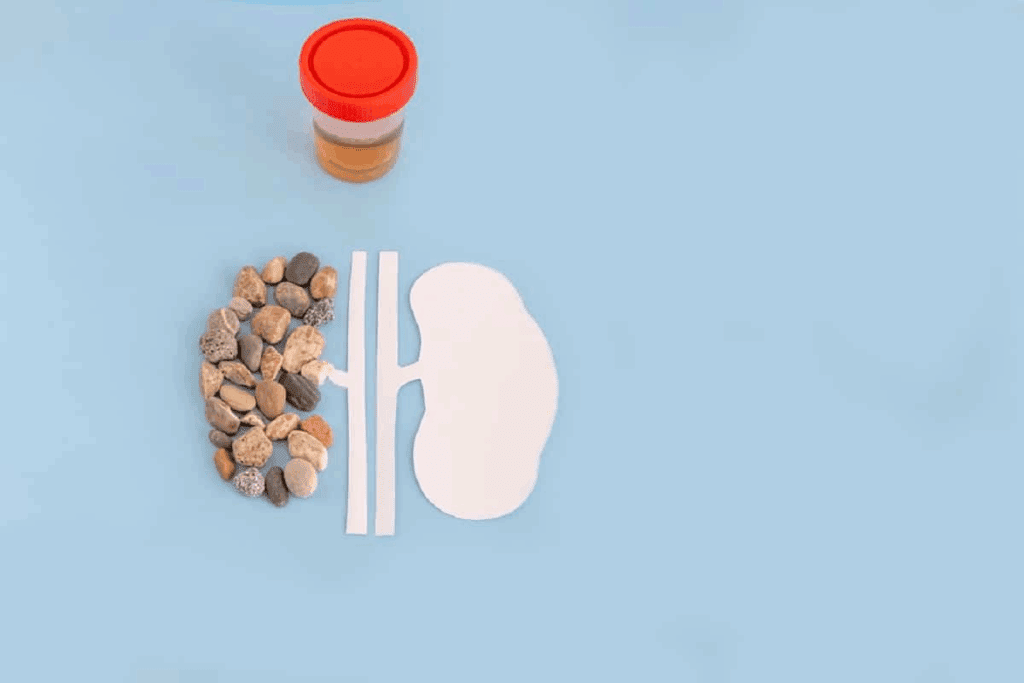
The world of medicine has seen amazing cases, like the largest kidney stone ever passed. These cases amaze doctors and teach us a lot about kidney health and how stones form.
The 2023 Sri Lankan Record (13.372 cm, 801 grams)
In 2023, a huge kidney stone was passed in Sri Lanka. It was 13.372 cm long and weighed 801 grams. This stone broke all previous records and showed the need for better medical care for big stones.
The team that removed this massive stone showed great skill and knowledge. Their success is a big step forward in surgery and patient care.
Key aspects of this record-breaking case include:
- The exceptional size and weight of the kidney stone
- The surgical techniques employed for its removal
- The patient’s recovery process and post-operative care
The Previous 2004 Indian Record (13 cm)
Before the 2023 Sri Lankan record, the biggest stone was in India in 2004. It was 13 cm long. This case showed the big challenges of dealing with large stones and the need for expert medical help.
The 2004 Indian case and the 2023 Sri Lankan case both highlight the need for more research. They show how important it is to find better ways to treat big stones.
Other Notable Record-Breaking Cases
There have been other big cases of kidney stones too. For example, a bladder stone weighing 1.67 kg was removed in India. This shows how varied and extreme urinary stone cases can be.
These rare cases help us understand the limits of kidney stone size. They also show the medical challenges of dealing with them. They stress the importance of good care and new treatments for big stones.
As medicine keeps getting better, studying these big kidney stones is key. It helps improve patient care and outcomes.
Medical Case Study: The Sri Lankan Retired Soldier
A 62-year-old retired soldier from Sri Lanka had a huge kidney stone removed. This was a world record. The team at the Colombo Army Hospital made it happen.
Patient Profile and Medical History
The patient, a 62-year-old retired soldier, had a long history with kidney stones. His symptoms got worse over time, causing him a lot of pain. Despite his age, the patient was in good health, which helped his treatment.
Discovery and Initial Assessment
At the Colombo Army Hospital, the patient got a full check-up. Imaging showed the huge size of the stone. The medical team was amazed by the stone’s size, bigger than any they’d seen before.
Dr. [Last Name] said, “The stone was a big challenge, but we were ready.” This shows the team’s skill in dealing with tough cases.
The Colombo Army Hospital Procedure
The surgery team used a team effort to plan and do the surgery. They used the latest imaging and surgery methods to remove the stone safely.
The removal of the largest kidney stone was a big win for the hospital and the team. The patient recovered well and was sent home after his surgery.
“This case shows how important good medical care and skilled doctors are for amazing results, even in tough cases.”
Scientific Analysis of Giant Kidney Stones
The largest kidney stones have caught the eye of scientists. They are huge and have a complex makeup. We study these stones to learn how they form, what they are made of, and why they get so big.
Composition and Structure
Giant kidney stones are mostly made of minerals like calcium oxalate, uric acid, or struvite. The composition and structure of these stones are key to understanding how they form. Research shows that the biggest stones often have layers of different minerals.
Growth Patterns and Development Timeline
The size of giant kidney stones depends on many things. These include urinary pH, hydration levels, and what we eat. Studies show that these stones can take years to grow, sometimes growing fast because of certain health issues.
Knowing how long it takes for these stones to form is important. It helps us find out who is at risk and how to prevent them.
Unusual Factors Contributing to Massive Size
Many unusual things can make kidney stones huge. These include genetics, chronic urinary tract infections, and certain metabolic disorders. By looking at these factors, we can understand why some stones get so big.
- Genetic predisposition to kidney stone formation
- Chronic urinary tract infections
- Metabolic disorders such as hyperparathyroidism
- Dietary factors and hydration levels
By studying these factors, we can learn how to prevent and manage giant kidney stones.
Epidemiology of Kidney Stones
Kidney stones affect about 10 percent of people worldwide at some point. This makes them a big health problem. Knowing how common they are helps us find better ways to prevent and treat them.
Global Prevalence Statistics
Kidney stones are a big deal everywhere. Men have a 10% chance of getting them, while women have a 5% chance. Some places, like the southern United States and parts of Europe, see more cases.
The number of people getting kidney stones has gone up in recent years. This is due to changes in what we eat and how we live. Eating more salt, sugar, and animal protein makes it easier for stones to form.
Risk Factors and Demographic Patterns
Many things can increase your chance of getting kidney stones. These include your genes, what you eat, how much you drink, and some health conditions. Men are more likely to get them than women, and the risk goes up with age, mainly between 30 and 50.
White people are more likely to get kidney stones than others. Also, if your family has a history of them, you’re more at risk. This shows that genes play a part in the disease.
Increasing Incidence Trends
The number of kidney stone cases is going up everywhere. This is true for both men and women, across all ages. It suggests that something in our environment or lifestyle is changing.
Younger people are getting kidney stones more often now. This means we need to start preventing them earlier. We must find ways to lower the risk of getting these stones.
By studying kidney stones, we can tackle this growing health issue. We can work on public health plans to lower risks. And we should spread the word about how important prevention is.
Clinical Presentation of Massive Kidney Stones
It’s important to know how massive kidney stones present clinically. If not treated, they can cause severe symptoms. This can really affect a person’s quality of life.
Symptom Progression and Severity
Symptoms of massive kidney stones vary from person to person. Common signs include severe pain in the flank and lower abdomen. Some people also experience nausea and vomiting.
The pain’s severity often depends on the stone’s size and location. As the stone moves or grows, symptoms can get worse. This can lead to complications like infection or blockage. It’s key to catch these symptoms early.
Diagnostic Imaging Techniques
Imaging tests are vital for spotting and checking kidney stones. Non-contrast CT scans, ultrasound, and X-rays are often used. Non-contrast CT scans are best for finding stones of all types.
The right imaging test depends on the patient’s health and the stone’s size and location. These tests help doctors plan the best treatment.
Complications of Untreated Large Stones
Big kidney stones can cause serious problems if not treated. These include blockage of the urinary tract, infection, and damage to the kidneys. Blockage can lead to acute kidney injury, and infections can be deadly if not treated fast.
Early diagnosis and treatment are key to avoiding these complications. It’s important to manage large kidney stones properly.
| Complication | Description | Potential Consequences |
| Urinary Tract Obstruction | Blockage of the urinary tract by a stone | Acute kidney injury, severe pain |
| Infection | Bacterial infection associated with the stone | Sepsis, life-threatening conditions |
| Kidney Damage | Long-term damage to kidney function | Chronic kidney disease, possible need for dialysis |
Surgical Approaches for Record-Size Kidney Stones
Kidney stones that are record sizes need new ways to remove them. These surgeries are very hard and need a lot of skill and new technology.
Open Surgery vs. Minimally Invasive Techniques
Doctors have to choose between open surgery and less invasive methods for big stones. Open surgery lets them see the stone clearly but takes longer to heal and can have risks.
Minimally invasive techniques, like PCNL, use small cuts. They lead to shorter stays in the hospital and faster healing. For the biggest stones, doctors might use both methods for the best results.
Multidisciplinary Team Requirements
Removing huge kidney stones needs a team of experts. This team includes urologists, radiologists, anesthesiologists, and nurses. They work together to help the patient get better.
Technological Advancements in Stone Removal
New technology has helped a lot in removing big stones. Better imaging lets doctors plan and do surgeries more accurately. New tools and methods also help remove stones safely and precisely.
Thanks to skilled doctors, advanced tech, and teamwork, removing huge kidney stones is now possible. It’s a big success in medical science.
Recovery and Rehabilitation After Major Stone Removal
Major stone removal surgery starts a vital recovery time. Patients need detailed care and support during this period. The recovery journey includes immediate care and long-term rehabilitation.
Immediate Post-Operative Care
The first recovery phase is key. Patients are watched closely in the hospital for any issues like bleeding or infection. Effective pain management is a top priority, with doctors giving the right pain meds.
Patients are told to stay hydrated and start moving slowly. Healthcare teams keep an eye out for infection or other problems.
“The key to a successful recovery lies in the meticulous care provided immediately after surgery,” says Medical Expert, a leading urologist. “By closely monitoring patients and addressing any complications promptly, we can significantly improve outcomes.”
Long-term Recovery Timeline
The recovery time varies based on health, stone size, and surgery type. Most patients get back to normal in a few weeks.
| Recovery Stage | Timeline | Key Activities |
| Immediate Recovery | 0-2 weeks | Rest, hydration, pain management |
| Intermediate Recovery | 2-6 weeks | Gradual return to physical activities, follow-up appointments |
| Full Recovery | 6-12 weeks | Resumption of normal activities, dietary adjustments |
Patient Experiences and Quality of Life
Recovery from major stone removal surgery can differ a lot. Some people recover fast, while others face a tougher road.
Many factors affect how well a patient does. These include health conditions, post-op care, and following lifestyle advice. Knowing these helps doctors give better support for better outcomes and quality of life.
Removing a big kidney stone is just the start. Full recovery needs ongoing care and support. This is key for the best results.
Prevention Strategies for Kidney Stone Formation
To stop kidney stones, we need a complete plan. This includes changing what we eat, drinking lots of water, and using medicine when needed. We’ll look at each step to help you lower your risk of getting kidney stones.
Dietary Modifications and Hydration
What we eat is key in stopping kidney stones. Drinking more water is a top way to prevent stones. Aim to make at least 2 liters of urine each day. Also, cutting down on sodium helps, as too much sodium can lead to more calcium in your urine.
Eating foods high in calcium can help too. It binds with oxalate in your gut, reducing oxalate in your urine. But, get calcium from food, not supplements, unless a doctor says it’s okay.
Medication Protocols
Some people might need medicine to stop kidney stones from coming back. Thiazide diuretics lower calcium in urine. Potassium citrate helps by binding with calcium in urine. We’ll talk about the right medicine for you based on your needs and stone type.
Lifestyle Changes for High-Risk Individuals
If you’re at high risk, making lifestyle changes can help a lot. Staying at a healthy weight and exercising regularly are good steps. Also, avoid too much animal protein and sweet drinks to lower your risk.
By following these steps, you can lower your chance of getting kidney stones. Even if you’ve had stones before or are at high risk. We stress the need for a detailed prevention plan, made just for you.
Conclusion: Medical Significance of Record-Breaking Kidney Stones
Record-breaking kidney stones show how important advanced medical care is. The removal of these huge stones proves the skill of doctors and the progress in medical tech.
The biggest kidney stone cases remind us of the need for teamwork and new surgical methods. These cases challenge medical limits, leading to new discoveries and better care for patients.
As we face more large kidney stones, we must improve how we prevent, diagnose, and treat them. Learning about what causes these big stones helps us find better ways to manage them. This can greatly improve patients’ lives all over the world.
FAQ
What is the largest kidney stone ever recorded?
The biggest kidney stone was 13.372 centimeters long and weighed 801 grams. It was removed from a 62-year-old retired soldier in Sri Lanka on June 1, 2023.
Where was the world’s largest kidney stone removed?
The world’s largest kidney stone was removed at the Colombo Army Hospital in Sri Lanka.
What are the common types of kidney stones?
Common types include calcium oxalate, uric acid, and struvite stones.
How do kidney stones form?
Kidney stones form when urine’s substances are out of balance, causing crystals to form.
What was the previous record for the largest kidney stone?
The previous record was in India in 2004, with a stone measuring 13 cm.
What are the symptoms of massive kidney stones?
Symptoms include severe pain, nausea, and vomiting. They can lead to serious complications if not treated.
How are large kidney stones diagnosed?
They are diagnosed with CT scans and X-rays.
What are the surgical approaches for record-size kidney stones?
Surgical methods include open surgery and minimally invasive techniques. They require a team and new technology.
How can kidney stone formation be prevented?
Prevention involves dietary changes, staying hydrated, and medication. Lifestyle changes are also key, mainly for those at high risk.
What is the recovery process like after major stone removal surgery?
Recovery includes immediate care and a long recovery time. It affects patients’ quality of life.
What is the significance of record-breaking kidney stones?
They show the need for advanced medical care and skilled healthcare professionals in complex cases.
What is the world’s largest kidney stone weight?
The world’s largest kidney stone weighed 801 grams.
References
World Health Organization. Largest Kidney Stone Passed RecordBreaking Cases Explained In. Retrieved from https://www.who.int/news-room/fact-sheets/detail/urinary-tract-infections