Last Updated on November 27, 2025 by Bilal Hasdemir
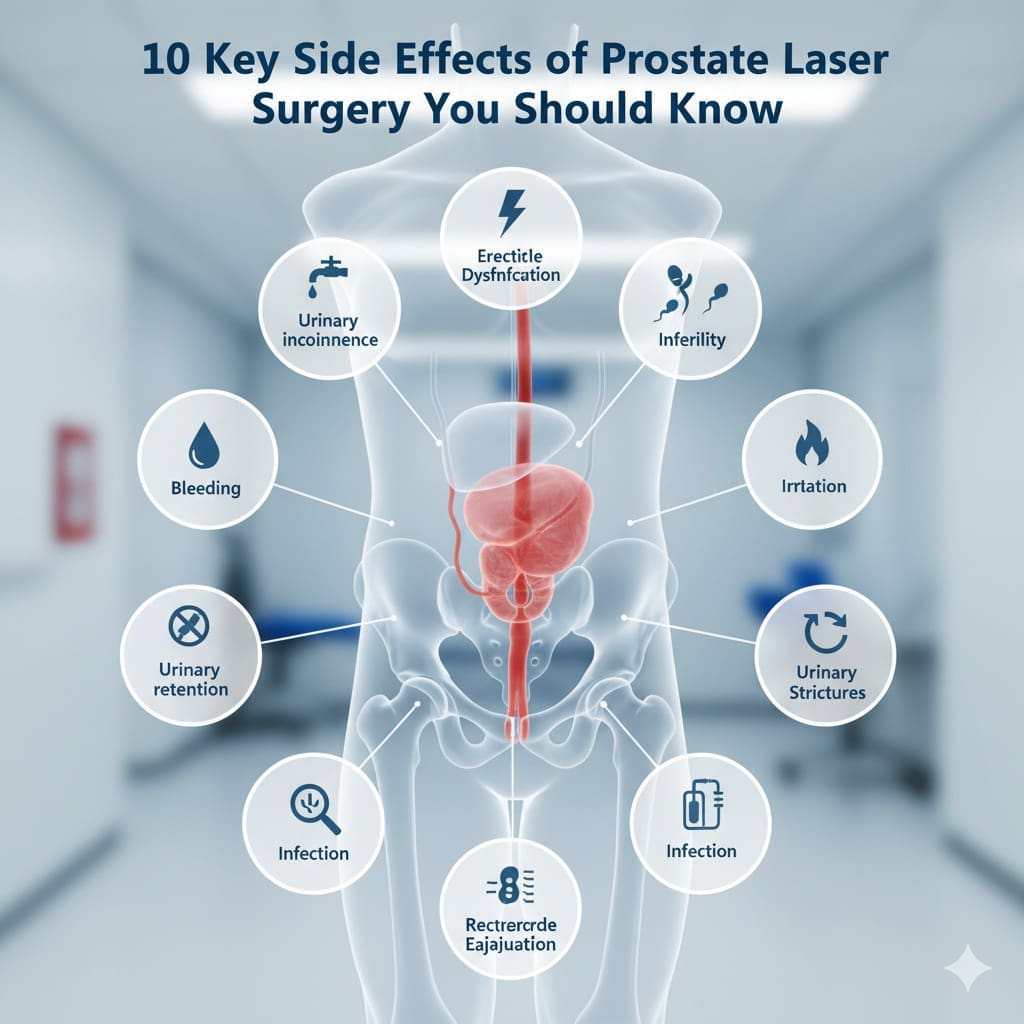
For men with an enlarged prostate, minimally invasive prostate surgery is a top choice. The laser operation of the prostate is favored for its quick recovery and symptom relief.
At Liv Hospital, we know how vital it is to understand the risks and side effects of this treatment. We focus on patient care and support every step of the way.
It’s important to grasp the effects of prostate laser surgery to make smart health choices. This article will cover seven major side effects and risks. This way, you can make decisions about your treatment with confidence.
Key Takeaways
- Laser operation of the prostate is a modern treatment for BPH with benefits like reduced recovery time.
- Understanding the side effects is key for making informed choices.
- Liv Hospital offers patient-centered care and full support.
- Minimally invasive prostate surgery lowers the risk of complications.
- Prostate laser surgery is effective in easing symptoms.
- Knowing the risks helps manage expectations.
- Comprehensive care includes support before and after surgery.
What You Need to Know About Laser Operation of Prostate
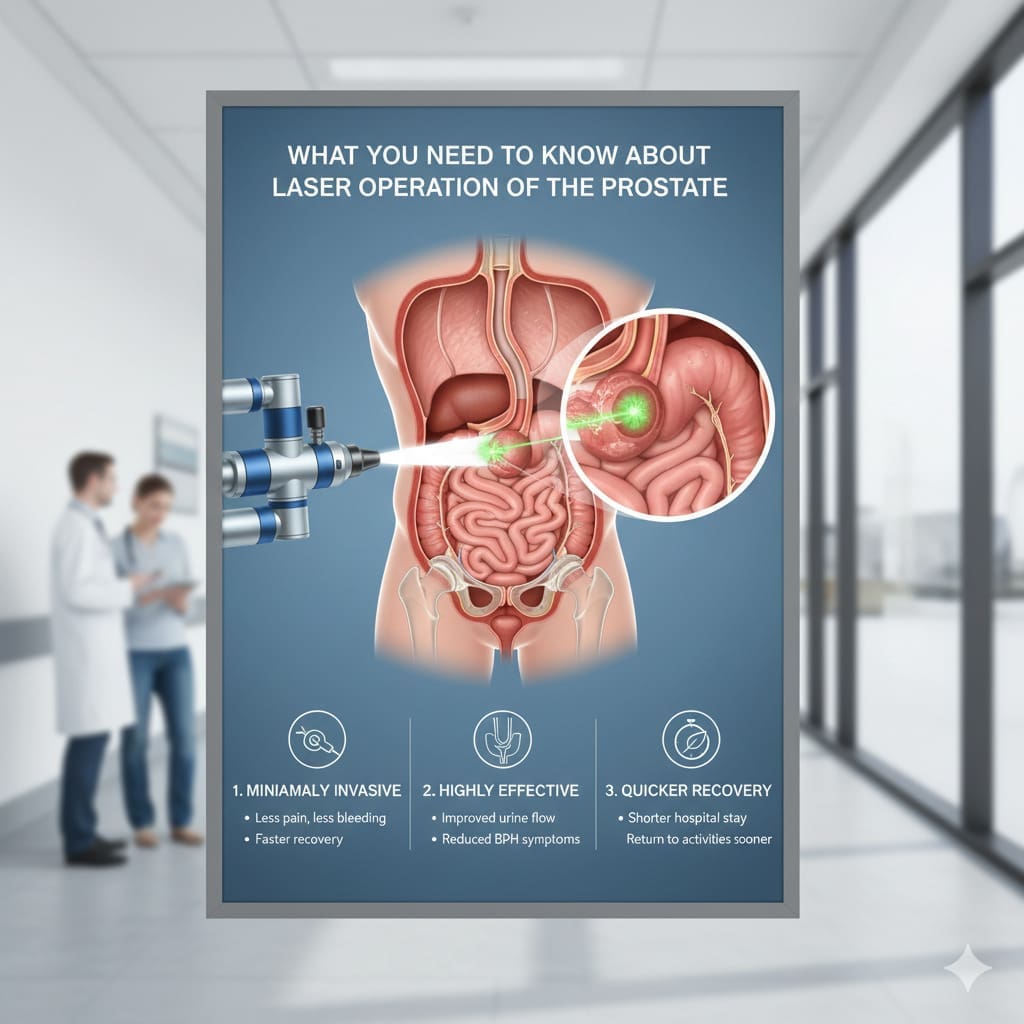
Laser technology has changed prostate surgery a lot. It makes treatments more precise and less invasive. This helps patients recover faster and face fewer complications.
Common Types of Laser Prostate Procedures
There are many laser prostate surgeries, each with its own benefits. The most well-known are:
- HoLEP (Holmium Laser Enucleation of the Prostate): This removes prostate tissue that blocks urine flow.
- GreenLight Laser Surgery: It uses a powerful laser to vaporize extra prostate tissue.
Both methods are effective in treating BPH symptoms and improve life quality.
| Procedure | Description | Benefits |
|---|---|---|
| HoLEP | Removes prostate tissue blocking urine flow | High success rate, minimal bleeding |
| GreenLight Laser Surgery | Vaporizes excess prostate tissue | Quick recovery, reduced risk of complications |
Candidates for Laser Prostate Surgery
Not every man with BPH can have laser surgery. It’s for those who haven’t seen results from other treatments or want a lasting fix. Who can get it depends on symptom severity, health, and past treatments.
It’s key to talk to a healthcare provider to see if laser surgery is right for you.
The Procedure: How Laser Operation of Prostate Works
Laser operation is a top choice for treating prostate enlargement. It’s a minimally invasive method. Knowing what to expect can help ease your worries about surgery.
Pre-Surgical Preparation
Before laser prostatectomy, patients get checked to see if they’re good candidates. They might have blood tests, urine tests, and imaging to look at the prostate. Doctors also tell patients to stop certain medicines that could make bleeding more likely during surgery.
The Surgical Process
The surgery uses a laser fiber inserted through the urethra. The laser cuts away or shrinks the enlarged prostate tissue blocking urine flow. Doctors might use HoLEP or PVP, depending on the patient’s needs and their skill.
Anesthesia Options
Surgery is done under general or spinal anesthesia. General anesthesia makes you unconscious, while spinal anesthesia numbs your lower body. The choice depends on your health, what you prefer, and the anesthesiologist’s advice.
Duration and Hospital Stay
Laser prostate surgery usually takes a few hours. Most patients go home the same day or after a short stay, up to 24 hours. How long you stay depends on how quickly you recover and the doctor’s assessment.
| Procedure Aspect | Description | Typical Duration |
|---|---|---|
| Pre-Surgical Preparation | Evaluations and stopping certain medications | Several days to a week |
| Surgical Process | Laser operation to remove or reduce prostate tissue | A few hours |
| Anesthesia | General or spinal anesthesia | Duration of the surgery |
| Hospital Stay | Recovery period after surgery | Same day or up to 24 hours |
Benefits of Choosing Laser Treatment for Enlarged Prostate
Laser treatment for an enlarged prostate offers many benefits. It’s a fast and safe way to treat the issue. This method helps patients recover quickly and reduces the chance of complications.
Minimally Invasive Approach
Laser treatment is minimally invasive. It uses smaller cuts than traditional surgery. This means less damage to the body and less pain.
Reduced Bleeding Risk
Laser treatment lowers the risk of bleeding during and after the procedure. This is great for people who easily bleed or take blood thinners.
Faster Recovery Compared to Traditional Surgery
Patients who get laser treatment recover faster than those with traditional surgery. The smaller cuts and less invasive method help with this.
Long-term Symptom Relief
Laser treatment helps with symptoms in the short and long term. It improves urine flow and reduces BPH symptoms. Studies show it works well for a long time.
| Benefits | Laser Treatment | Traditional Surgery |
|---|---|---|
| Minimally Invasive | Yes | No |
| Bleeding Risk | Lower | Higher |
| Recovery Time | Faster | Longer |
| Long-term Relief | Yes | Yes |
In summary, laser treatment for enlarged prostate is a good choice. It’s less invasive, reduces bleeding risk, and helps patients recover quickly. It also offers long-term relief from symptoms. These benefits make laser treatment a popular option for effective treatment with fewer side effects.
Side Effect #1: Urinary Discomfort and Burning
Many patients feel urinary discomfort and burning after laser surgery for an enlarged prostate. This is mainly because the laser irritates the urinary tract. We will look into why this happens, how long it lasts, and how to manage it. We will also talk about when to see a doctor.
Why It Happens After Laser Surgery
The laser used in prostate surgery can irritate the urinary tract. This leads to discomfort and a burning feeling when you pee. This irritation is usually temporary and goes away as the body heals. Doctors say, “the laser therapy for BPH is designed to be minimally invasive, but it can cause temporary side effects like urinary discomfort”
Typical Duration and Severity
The time and severity of urinary discomfort and burning vary. Usually, these symptoms are most noticeable in the first few weeks after surgery. As healing progresses, the discomfort usually gets better. It’s important to know that some discomfort is normal, but severe or lasting symptoms need to be told to your doctor.
Management Strategies
Managing urinary discomfort and burning involves lifestyle changes and medical help. Drinking lots of water can help reduce the burning. Also, avoiding irritants like caffeine and spicy foods can help. Sometimes, doctors may suggest medications to help with the discomfort.
- Stay hydrated to dilute urine
- Avoid irritants like caffeine and spicy foods
- Follow healthcare provider recommendations for medication
When to Seek Medical Attention
While urinary discomfort and burning are common after laser prostate surgery, sometimes you need to see a doctor. If symptoms are severe, last longer than expected, or come with other signs like fever or bloody urine, seek medical help quickly. It’s always best to be cautious and talk to a healthcare provider if you have any concerns about your recovery.
Understanding the causes, typical duration, and how to manage urinary discomfort and burning after laser prostate surgery helps patients navigate their recovery. Being informed and prepared is key to a smoother healing process after any surgery.
Side Effect #2: Blood in Urine (Hematuria)
Hematuria, or blood in the urine, is a side effect of laser prostatectomy. It can be scary, but knowing why it happens and how to manage it can ease worries.
Expected Timeline for Post-Surgical Bleeding
Bleeding after laser prostate surgery can differ for everyone. Usually, some bleeding is expected in the first few days.
We tell patients to watch their urine closely during this time. Blood in the urine often gets better over time. But sometimes, it doesn’t go away.
Normal vs. Concerning Bleeding Patterns
It’s key to know the difference between normal and worrying bleeding. Mild hematuria that gets better is usually okay. But heavy or ongoing bleeding needs medical help.
| Bleeding Pattern | Normal or Concerning |
|---|---|
| Mild, gradually improving hematuria | Normal |
| Heavy or persistent bleeding | Concerning |
| Bleeding accompanied by pain or clots | Concerning |
Prevention and Treatment Options
To lower bleeding risk, staying hydrated and avoiding hard work are good tips. Sometimes, medication is given to control bleeding.
We suggest patients follow their post-op instructions well to avoid problems.
Activity Restrictions to Minimize Bleeding
To cut down on bleeding risk, we tell patients to skip heavy lifting, bending, or hard exercise for a few weeks after surgery.
Understanding hematuria’s causes and how to handle it helps patients deal with their recovery after laser prostatectomy.
Side Effect #3: Temporary Urinary Incontinence
One side effect of laser prostate surgery is temporary loss of bladder control. This can happen because the surgery affects the urinary sphincter. It’s important to know about this side effect and how to manage it.
Types of Post-Procedure Incontinence
There are several types of urinary incontinence after laser prostate surgery. These include:
- Stress Incontinence: Leakage of urine when coughing, sneezing, or exerting pressure.
- Urge Incontinence: Involuntary leakage accompanied by a strong desire to urinate.
- Overflow Incontinence: Leakage due to an inability to empty the bladder completely.
Recovery Timeline for Bladder Control
The time it takes to regain bladder control varies. Most people see improvements in a few weeks to months after surgery. It’s important to be patient and follow your doctor’s instructions to help with recovery.
Pelvic Floor Exercises and Management
Pelvic floor exercises, or Kegel exercises, are key in managing incontinence. They help strengthen the muscles that support the bladder and urethra. Start these exercises as your doctor advises.
Long-term Prognosis
The outlook for temporary urinary incontinence after laser prostate surgery is good. Most men regain full control within 6 to 12 months. But, if symptoms last or worsen, talk to your doctor to check for any other issues.
Understanding temporary urinary incontinence and how to manage it helps patients navigate their recovery after laser prostate surgery.
Side Effect #4: Sexual Function Changes
Prostate laser surgery can change how men feel about sex. It’s important to know this before deciding on treatment. These changes can affect a man’s sexual health in many ways.
Retrograde Ejaculation Risk
One possible change is retrograde ejaculation. This happens when semen goes into the bladder instead of coming out during orgasm. We will talk to your doctor about this to understand its effects on your life.
Erectile Function Considerations
Prostate laser surgery can affect how well a man can get an erection. Some men might get better, while others might get worse. Your health, age, and how well you were doing before surgery all matter.
Temporary vs. Permanent Effects
It’s important to know if changes are temporary or permanent. Some issues, like trouble getting an erection, might get better with time. But others, like retrograde ejaculation, might not go away. Knowing this can help you prepare.
Discussion Points for Your Doctor
Talk to your doctor about these important topics:
- The chances of sexual function changes
- How it might affect your ability to get an erection and ejaculate
- Ways to handle or lessen these changes
- How long these changes might last
| Aspect of Sexual Function | Potential Change | Management Strategies |
|---|---|---|
| Erectile Function | Improvement or decline | Medication, lifestyle changes |
| Ejaculation | Retrograde ejaculation | Understanding the condition, fertility planning |
| Libido | Variable | Addressing underlying health issues |
Side Effects #5-7: Additional Risks to Consider
Laser prostate treatment is effective but comes with risks. It’s important for patients to know these risks. This knowledge helps them make informed decisions.
Infection Possibilities
Infections after laser prostate surgery are rare. Antibiotic prophylaxis is used to prevent them. If you have fever, chills, or pain, seek medical help right away.
Damage to Surrounding Tissues
Laser surgery is precise, but it’s not perfect. The surgeon’s skill and technique matter a lot. This helps avoid damage to nearby tissues.
Urethral Stricture Development
Urethral stricture is a possible complication. It makes urination hard. Seeing a doctor regularly can catch this early.
Factors That Increase Complication Risks
Many things can raise the risk of complications. These include your health, other medical conditions, and the surgery method. Knowing these can help everyone make better choices.
| Complication | Description | Risk Factors |
|---|---|---|
| Infection | Bacterial infection post-surgery | Poor wound care, compromised immune system |
| Damage to Surrounding Tissues | Injury to nearby structures during surgery | Inexperienced surgeon, complex anatomy |
| Urethral Stricture | Narrowing of the urethra | Previous urethral injuries, surgical technique |
In summary, laser treatment for enlarged prostate is mostly safe. But knowing the possible complications is key. This knowledge helps patients understand their treatment and recovery better.
Conclusion: Weighing the Benefits Against Possible Risks
Thinking about laser operation of the prostate means looking at both sides. This method is seen as a good option for enlarged prostate. It’s less invasive, has less bleeding risk, and you can recover faster than with old surgery ways.
But, like any surgery, there are downsides. You might face urinary issues, bleeding, incontinence, or changes in how you feel about sex. Knowing these risks is important for making a smart choice.
Talk to a doctor about your own situation and worries. They can help figure out if laser operation is best for you. By looking at the good and bad, you can choose what’s best for your health and what you want.
FAQ
What is laser operation of the prostate?
Laser operation of the prostate is a new way to treat an enlarged prostate. It’s also known as laser prostate surgery. We use a laser to remove or shrink the prostate tissue that blocks urine flow.
What are the benefits of laser treatment for an enlarged prostate?
Laser treatment is less invasive than traditional surgery. It reduces bleeding risk and speeds up recovery. It can also offer long-term relief from BPH symptoms, improving your quality of life.
What are the common types of laser prostate procedures?
Two main laser prostate procedures are Holmium Laser Enucleation of the Prostate (HoLEP) and GreenLight laser surgery. These methods effectively treat BPH symptoms and improve urine flow.
What is the typical recovery time for laser prostate surgery?
Recovery from laser prostate surgery is quick. Most patients can go back to their normal activities in a few days to a week. Following post-operative instructions is key to a smooth recovery.
Will I experience urinary discomfort or burning after laser surgery?
Some patients might feel urinary discomfort or burning after surgery. This is usually temporary and can be managed with medication. If the discomfort is severe or lasts, it’s important to tell your doctor.
Is blood in the urine normal after laser prostate surgery?
Some blood in the urine is normal after surgery. But, it’s important to know the difference between normal and concerning bleeding. If you have heavy or persistent bleeding, seek medical help.
Can laser prostate surgery cause urinary incontinence?
Yes, temporary urinary incontinence is a possible side effect. But, it’s usually short-term. Doing pelvic floor exercises can help manage and recover bladder control.
Will laser prostate surgery affect my sexual function?
Surgery might affect sexual function, including retrograde ejaculation. We discuss the risks and benefits with patients before the procedure to ensure they are informed.
What are the risks of infection after laser prostate surgery?
Infection is a risk with any surgery, including laser prostate surgery. We minimize this risk by giving antibiotics and ensuring proper care after surgery.
Can laser prostate surgery cause damage to surrounding tissues?
Damage to surrounding tissues is rare but possible. We use advanced techniques and technology to reduce this risk and ensure the best outcomes.
What is urethral stricture, and can it occur after laser prostate surgery?
Urethral stricture is a narrowing of the urethra that can happen after surgery. We watch for signs of stricture and treat it if necessary to prevent complications.
How do I know if I’m a suitable candidate for laser prostate surgery?
We evaluate each patient to see if they’re a good fit for laser surgery. We consider the severity of BPH symptoms, overall health, and previous treatments during the evaluation.
References
- PubMed Central (NCBI): Laser Prostatectomy for Benign Prostatic Hyperplasia (Specific PMC ID)
- Boston Scientific (Industry/Manufacturer): GreenLight Laser Therapy Patient Education Brochure