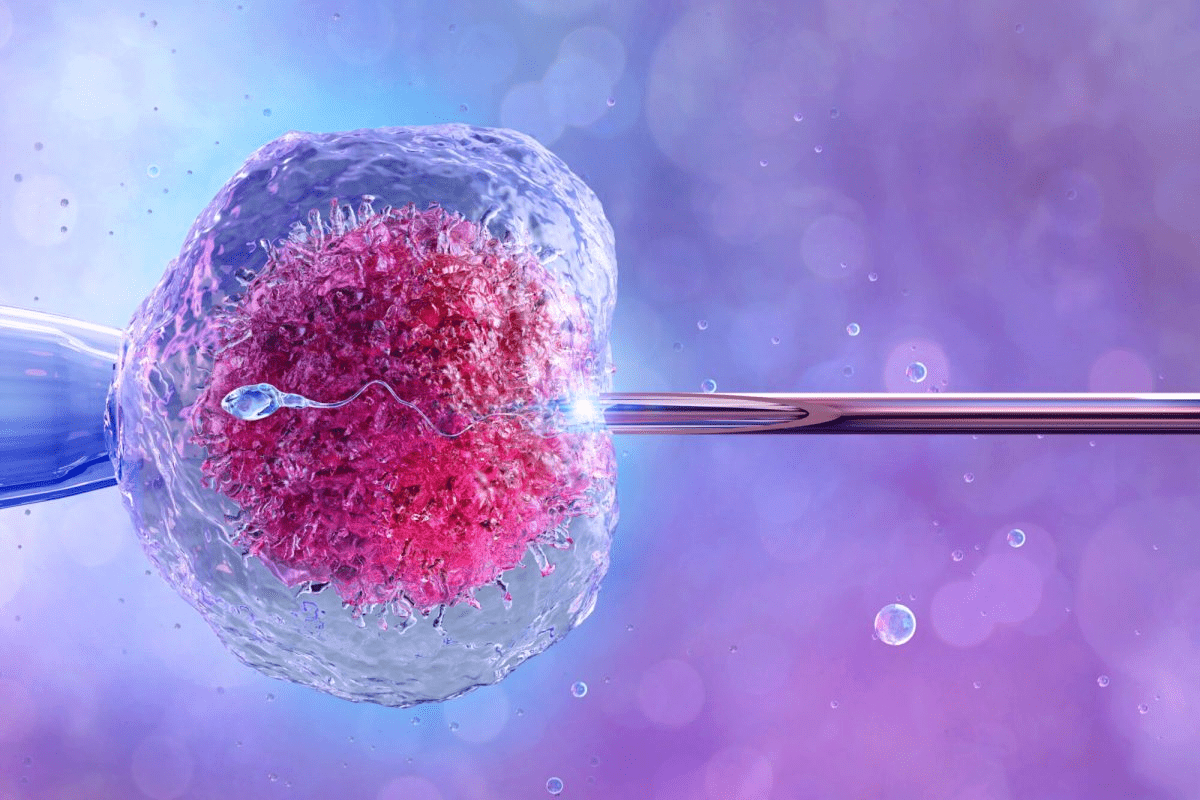
Explaining the definition and potential concerns related to late implantation ivf outcomes. For couples trying IVF, waiting for pregnancy news can be stressful. A big worry is late implantation. This is when pregnancy happens later than expected after the embryo is placed inside the uterus.
Usually, fertilization happens in the fallopian tube. Implantation occurs 6 to 10 days after ovulation. But sometimes, it happens later, making people worry about the success of IVF.
We will look into late implantation, its effects, and what might cause it. This will help us understand this issue better.
Key Takeaways
- Late implantation in IVF refers to pregnancy occurring later than expected after embryo transfer.
- Normal implantation typically happens 6 to 10 days after ovulation.
- Late implantation may occur in a small percentage of IVF cycles.
- Understanding the distinction between normal variation and genuine concern is key.
- Factors influencing late implantation will be explored to provide a full understanding.
The Normal Embryo Implantation Timeline

Knowing when embryo implantation happens is key to IVF success. It’s the moment an embryo sticks to the uterine lining, a vital step for pregnancy.
In natural conception, implantation happens 6 to 10 days after ovulation. It can start as early as 6 days or as late as 12 days. This range comes from the timing of fertilization and the embryo’s journey to the uterus.
Implantation in Natural Conception
In natural conception, the window for implantation is tight. The embryo must be ready, and the uterine lining must be prepared. This timing is key for successful implantation. Most implantations happen around 8 to 9 days after ovulation, showing how precise this process is.
Standard Implantation Timeline in IVF
In IVF, implantation timing is more controlled. After a day 5 blastocyst transfer, it usually happens 1 to 2 days later. This can change a bit based on the IVF method used, like fresh or frozen embryo transfer.
For frozen embryo transfers (FET), the timing depends on how the uterine lining is prepared. The implantation window is set to match the embryo’s growth stage, ensuring the best conditions for it to stick.
Knowing these timelines helps us understand what might be late implantation in IVF. We’ll look into this more in the next sections.
What Is Late Implantation in IVF?

Late implantation in IVF means the embryo attaches to the uterine lining later than usual. This can worry people going through IVF, as it’s not the expected timeline.
Definition and Clinical Criteria
Late implantation in IVF happens when the embryo attaches on or after day 10 after transfer. Doctors use beta-hCG levels and ultrasound to check for it. A rising beta-hCG and a visible gestational sac on ultrasound means implantation, even if it’s late.
It’s important to know that what counts as late implantation can change based on the IVF method. Knowing these differences helps doctors and patients plan better.
Prevalence in Different IVF Protocols
Studies show late implantation happens more in some IVF methods than others. For example, it’s very rare in frozen embryo transfers, happening in just 1.2% of cases. Fresh embryo transfers might see it a bit more often.
The table below shows how often late implantation happens in different IVF methods:
| IVF Protocol | Prevalence of Late Implantation |
|---|---|
| Fresh Embryo Transfer | 2.5% |
| Frozen Embryo Transfer (FET) | 1.2% |
| Natural Cycle IVF | 1.8% |
It’s clear that late implantation is not very common, but it does depend on the IVF method. Knowing this helps tailor treatments and set realistic hopes for patients.
In summary, late implantation in IVF is not common but can happen for several reasons. By understanding its definition, how doctors check for it, and how often it happens, healthcare providers can guide their patients better.
Causes of Late Implantation in IVF Cycles
IVF implantation delay can be caused by many factors. Knowing these causes helps us find ways to manage and prevent late implantation.
Maternal Age Factors
Advanced maternal age is a big reason for late implantation in IVF. As women get older, their egg quality goes down. This can make implantation happen later. Women over 35 years old are more likely to experience delayed implantation because of this.
Hormonal Imbalances
Hormonal imbalances are key in the implantation process. Progesterone levels are very important for getting the uterine lining ready for implantation. If progesterone is off, implantation can be delayed. We watch hormonal levels closely during IVF to fix any problems quickly.
Uterine Structural Abnormalities
The shape of the uterus also affects implantation timing. Uterine issues like fibroids, polyps, or a septate uterus can slow down implantation. We use ultrasound or hysteroscopy to find these problems and treat them.
Embryo-Related Factors
The quality and growth of the embryo also matter. Embryos with genetic problems or growth issues may implant later. We use special culture techniques and genetic tests to check embryo quality and find any issues.
Understanding why implantation is late helps us make IVF treatments better. We can then improve the chances of successful implantation for each person.
Late Implantation IVF Success Rates
Late implantation in IVF can be a worry, but research offers hope. It’s key for patients and doctors to know about these outcomes. This knowledge helps in making better choices for fertility treatments.
Research-Based Outcomes
Studies show late implantation can lead to successful pregnancies. About 42.8% of patients with delayed implantation have a live birth or ongoing pregnancy. This shows that even late implantation can have positive results.
A study in a top fertility journal found IVF success rates with late implantation are similar to early implantation in some cases. It points out that embryo quality and how well the uterus accepts the embryo are key to success.
“The ability to achieve a successful pregnancy despite late implantation is a testament to the advancements in IVF technology and the dedication of fertility specialists.”
Factors Affecting Success Probability
Several things can affect the chance of a successful pregnancy with late implantation. These include:
- Maternal Age: A woman’s age is a big factor in IVF success. Women under 35 usually have better success rates than older women.
- Embryo Quality: The quality of the embryo is very important. Better embryos lead to more successful pregnancies.
- Uterine Health: The health of the uterus, like the thickness of the lining and any issues, also matters for implantation success.
| Factor | Impact on Success Rate |
|---|---|
| Maternal Age | Higher Success Rate |
| High-Quality Embryo | Significantly Higher Success Rate |
| Optimal Uterine Health | Increased Likelihood of Success |
Long-Term Pregnancy Outcomes
Research also shows that pregnancies from late implantation have similar long-term results to those from early implantation. A study on pregnancy outcomes found babies from late implantation IVF have the same health as those from early implantation IVF.
This information gives hope to patients going through IVF with late implantation. While every pregnancy is different, the data shows late implantation doesn’t always mean bad outcomes.
In summary, late implantation in IVF comes with challenges, but success rates and long-term outcomes are encouraging. Understanding what affects success and using new fertility treatments can help patients achieve good results even with delayed implantation.
Is Late Implantation a Bad Sign?
Late implantation in IVF cycles can worry patients. But is it always bad? Looking at it from a medical view helps clear things up.
Medical Perspective on Delayed Implantation
Late implantation isn’t rare and can happen for many reasons. A study in the Journal of Assisted Reproduction and Genetics found it linked to some IVF methods and patient traits.
“The timing of implantation can vary significantly among individuals undergoing IVF treatment. While early implantation is often seen as a positive sign, late implantation doesn’t necessarily indicate a poor outcome.”
Every patient is different. What worries one might not worry another. Things like age, hormones, and uterine health affect implantation success.
Risk Assessment Framework
Figuring out the risks of late implantation needs a detailed look. A framework includes:
- Checking hormonal levels, like progesterone, to make sure they’re right.
- Looking at the uterus for any problems that might stop implantation.
- Checking the embryo’s quality and health.
| Risk Factor | Description | Impact on Late Implantation |
|---|---|---|
| Hormonal Imbalance | Progesterone levels not within optimal range. | May affect implantation success. |
| Uterine Abnormalities | Presence of fibroids, polyps, or other uterine issues. | Can complicate implantation process. |
| Embryo Quality | Viability and health of the embryo. | Critical for successful implantation. |
Predictive Value for Pregnancy Viability
How late implantation affects pregnancy is complex. Research shows it might be linked to some issues, but it’s not a clear sign of success or failure. A study in Fertility and Sterility found late implantation patients did as well as those with early implantation with the right support.
Personalized care and monitoring are key for late implantation patients. Understanding the factors and using the right support can improve chances of a successful pregnancy.
In summary, late implantation in IVF is a concern but not always a bad sign. A detailed medical check-up and tailored support can greatly improve outcomes.
Diagnosing Late Implantation
Diagnosing late implantation is key in managing IVF treatments. We use different tools to check if implantation has happened. This helps us decide the next steps.
Beta-hCG Testing Protocols
Beta-hCG testing is vital for diagnosing late implantation. We test for human chorionic gonadotropin in the blood. This shows how pregnancy is progressing.
How we test for beta-hCG can change based on the IVF plan and the patient’s health.
Some important points about beta-hCG testing include:
- First tests are around 9-10 days after embryo transfer
- We take more tests to see how beta-hCG levels are rising
- If beta-hCG levels rise slowly, it might mean late implantation
Ultrasound Timeline Adjustments
Ultrasound is also key in diagnosing late implantation. We adjust the ultrasound schedule to catch early signs of growth.
Important adjustments include:
- We wait a bit longer for the first ultrasound
- We do more ultrasounds to watch the embryo grow
- We use transvaginal ultrasounds for better early checks
Differentiating Late Implantation from Other Issues
It’s important to tell late implantation from other problems. We look at hormonal issues, uterine problems, and embryo quality. This helps us find the cause of delayed implantation.
Key factors to consider:
- Hormonal support and its effect on implantation
- How well the uterus is ready and any issues
- How good the embryo is and its impact on timing
By looking at these factors and using different tests, we can accurately find late implantation. Then, we can plan the best treatment.
Medical Management of Late Implantation Pregnancies
Managing late implantation pregnancies involves several steps. These include giving hormonal support and closely watching the pregnancy. A detailed plan is needed to tackle the special challenges of delayed implantation.
Hormonal Support Strategies
Hormonal support is key in managing late implantation pregnancies, like those from IVF. Progesterone supplementation helps support the luteal phase and keeps the pregnancy going. Adjustments in timing and dosage of progesterone might be needed for late implantation.
“Using progesterone in IVF cycles can boost pregnancy success,” studies show. It helps with embryonic growth and implantation. The exact approach depends on the person’s needs and the clinic’s rules.
Monitoring Protocols
Keeping a close eye on late implantation pregnancies is vital. It ensures the health of both the mother and the baby. This includes regular beta-hCG testing and ultrasound checks to watch the embryo’s growth.
- Serial beta-hCG tests check if the pregnancy is viable and growing.
- Ultrasound scans confirm the baby’s heartbeat and track its growth.
When Intervention May Be Necessary
At times, extra help is needed for a late implantation pregnancy. This could mean changing hormonal therapy or other treatments to keep the pregnancy going.
“When late implantation is linked to hormonal issues or other problems, acting quickly can greatly help,” Medical Expert, a fertility expert, says.
Deciding to intervene depends on a full review of the person’s situation and the pregnancy’s status.
Patient Experiences with Late Implantation
Late implantation in IVF can be tough emotionally, but many patients succeed. It happens when the embryo attaches to the uterine lining later than expected.
Emotional Aspects of Delayed Results
The wait for implantation results is hard for IVF patients. The uncertainty makes them anxious and stressed. Feelings of doubt and frustration are common as they worry about success.
Support from doctors, family, and friends is key. Many find comfort in sharing their stories with others who’ve gone through the same.
Success Stories After Late Implantation
Many patients have had successful pregnancies and births despite late implantation. These success stories offer hope to those facing similar challenges.
For example, a patient might talk about their second IVF cycle’s late implantation. Despite worries, they had a healthy baby. These stories show the value of perseverance and the unique nature of IVF outcomes.
Practical Advice from Patients and Doctors
Patients and doctors share important advice for late implantation. Keeping open communication with your healthcare provider is essential for guidance and support.
Advice includes staying positive, managing stress, and following the treatment plan. Patients also suggest staying informed and understanding that each journey is unique.
Conclusion
Late implantation in IVF is a complex issue with many causes and effects. We’ve looked at factors like age, hormonal issues, and embryo problems. These can all lead to delayed implantation.
Knowing about late implantation and how to manage it is key for better IVF results. Studies show that even with challenges, many women can have successful pregnancies. This is thanks to good medical care and support.
The question of whether late implantation is bad is complex. While it can pose risks, many women have healthy babies despite the delay. In fact, the success rates for pregnancies after late implantation are encouraging, giving hope to those trying IVF.
In summary, late implantation in IVF needs careful watching and specific treatment plans. By understanding its causes and effects, doctors can help patients more. This can improve their chances of a successful pregnancy.
FAQ
What is considered late implantation in IVF?
In IVF, late implantation is when the embryo implants more than 10 days after egg retrieval or transfer.
What causes late implantation in IVF cycles?
Several things can cause late implantation in IVF. These include the mother’s age, hormonal issues, and problems with the uterus. Also, issues with the embryo itself can play a role.
Is late implantation a bad sign?
Late implantation isn’t always a bad sign. It might mean you need closer monitoring and different treatment plans to help you get pregnant.
How is late implantation diagnosed?
Doctors use beta-hCG tests and ultrasound to spot late implantation. These tools help them keep an eye on the pregnancy’s progress.
What are the success rates of IVF pregnancies involving late implantation?
Research shows that many pregnancies with late implantation can succeed. With the right care, these pregnancies can lead to healthy babies.
How does late implantation affect pregnancy outcomes?
Studies show that with the right medical care, late implantation pregnancies can do just as well as others. They can have similar outcomes.
Can late implantation be predicted or prevented?
It’s hard to predict or prevent late implantation. But knowing the causes can help doctors manage it better.
What is the latest implantation can happen?
The latest implantation can happen varies. But generally, implantation after 12 days is very late. It might need special care.
How does delayed implantation affect IVF success rates?
Delayed implantation can affect IVF success rates. But how much it impacts success depends on the individual and the reasons for the delay.
What are the emotional aspects of experiencing late implantation?
Late implantation can be tough emotionally. But many patients feel more hopeful and positive with support from their healthcare team.
Are there any specific hormonal support strategies for late implantation pregnancies?
Yes, there are hormonal support strategies. These include progesterone supplements. They help support late implantation pregnancies and ensure they can continue.
When does implantation typically occur after frozen embryo transfer (FET)?
Implantation after FET usually happens within a similar timeframe as fresh transfers. But timing can vary based on individual factors and the FET protocol.
References
National Center for Biotechnology Information. Evidence-Based Medical Guidance. Retrieved from https://www.ncbi.nlm.nih.gov/books/NBK11753/