Last Updated on November 26, 2025 by Bilal Hasdemir

Spigelian hernias are a rare type of hernia in the abdominal wall. They happen through a defect in the spigelian fascia or aponeurosis. What is a lateral hernia (Spigelian)? Explore 7 surprising facts about symptoms, causes, and the most effective surgical repair techniques.
At Liv Hospital, we focus on patient trust and care. We use advanced methods to diagnose and treat these challenging conditions with great skill.
These hernias make up 0.12-2% of all abdominal wall hernias. They are significant but often overlooked because they are not always easy to spot.
It’s important to understand Spigelian hernias because they can lead to serious problems. This article will give you a detailed look at their symptoms, how to diagnose them, and treatment options.
Key Takeaways
- Spigelian hernias are a rare type of abdominal wall hernia.
- They occur through a defect in the spigelian fascia or aponeurosis.
- Diagnosis and treatment require thorough care and advanced medical expertise.
- Spigelian hernias can lead to significant complications if not properly managed.
- Understanding the symptoms and treatment options is key to effective management.
What Is a Lateral Hernia? Understanding Spigelian Hernias
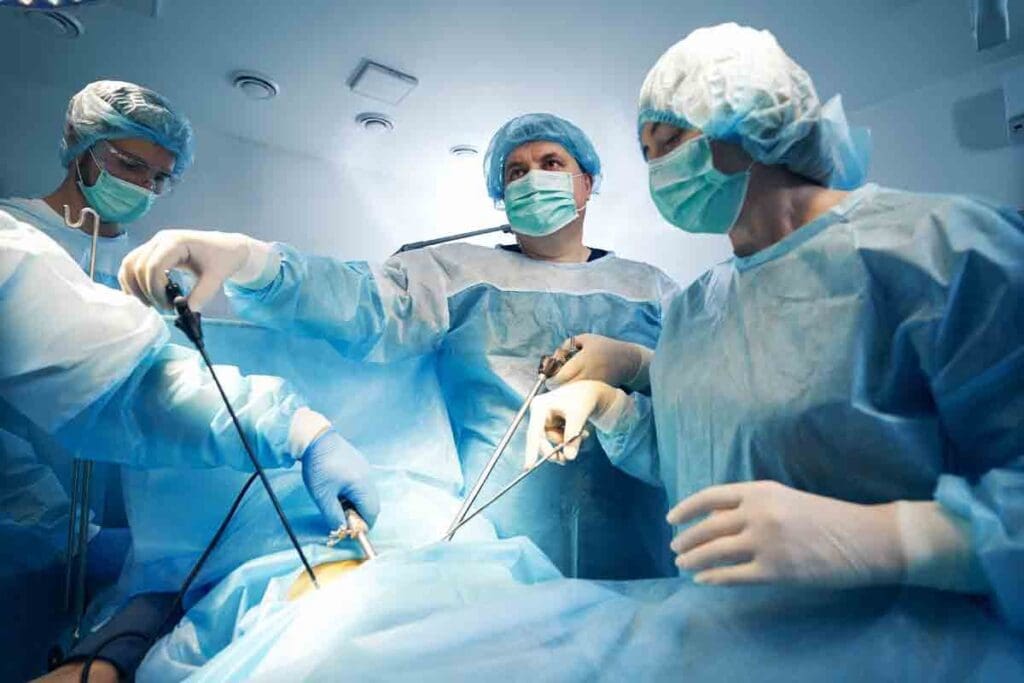
A Spigelian hernia, also known as a semilunar hernia, is a rare hernia type. It happens when the abdominal contents bulge through a weak spot in the abdominal wall. This weak spot is between the rectus abdominis muscle and the semilunar line.
Definition and Unique Characteristics
Spigelian hernias occur through the spigelian fascia. This fascia is between the rectus abdominis muscle and the semilunar line. The semilunar line is the lateral border of the rectus sheath. This makes Spigelian hernias different from other hernias because of their specific location.
Historical Context of Hernia de Spiegel
Spigelian hernias have been known for centuries, with the first descriptions in the 17th century. The term “Spigelian” comes from Adriaan van den Spiegel, a Flemish anatomist. Over the years, our understanding of Spigelian hernias has grown. This is thanks to better surgical techniques and diagnostic tools.
| Characteristics | Description |
| Location | Through the spigelian fascia, between the rectus abdominis muscle and the semilunar line |
| Type | Rare type of abdominal hernia |
| Historical Context | First described in the 17th century by Adriaan van den Spiegel |
Understanding Spigelian hernias helps both healthcare professionals and patients. It shows the complexity of this rare condition.
The Anatomy Behind Spigelian Hernias
It’s important to know the anatomy of Spigelian hernias to diagnose and treat them. These hernias happen because of specific parts of the abdominal wall.
Structure of the Spigelian Fascia and Aponeurosis
The spigelian fascia is a key layer between the rectus abdominis muscle and the semilunar line. It’s part of the aponeurotic layer that supports the abdominal wall. The spigelian fascia is made of the aponeuroses of the external and internal oblique and transversus abdominis muscles.
The spigelian aponeurosis is a big part of this fascia. It’s vital for the abdominal wall’s structure. Weak spots in this area can cause Spigelian hernias.
The Semilunar Line: Gateway to Hernia Formation
The semilunar line, or linea semilunaris, is a key landmark. It’s the lateral border of the rectus sheath and a weak spot in the abdominal wall. The semilunar line is where Spigelian hernias often form.
| Anatomical Structure | Role in Spigelian Hernia Formation |
| Spigelian Fascia | Provides a pathway for hernia due to its layered structure. |
| Semilunar Line | Acts as a weak point in the abdominal wall, prone to hernia formation. |
| Aponeurosis of Muscles | Contributes to the abdominal wall’s strength; defects can lead to hernias. |
The anatomy of the spigelian fascia and the semilunar line is key to Spigelian hernias. Knowing these structures is vital for diagnosis and treatment.
Prevalence and Epidemiology: Why Spigelian Hernias Are Rare
It’s important to know about Spigelian hernias to spot risks and get better at diagnosing them. These hernias are rare and hard to find and treat because they don’t happen often.
Statistical Insights
Spigelian hernias make up 0.12-2% of all abdominal wall hernias. This makes them quite rare. Because they’re so rare, doctors often struggle to diagnose them correctly.
Research shows that Spigelian hernias are more common in older people. This is because the abdominal wall gets weaker with age, making hernias more likely.
Who Is Most at Risk
It’s key to know who might get Spigelian hernias to catch them early. Older adults are at high risk because their abdominal walls weaken with age. Other risks include previous abdominal surgery, obesity, and chronic conditions that increase abdominal pressure.
Knowing these risks helps doctors watch for Spigelian hernias, mainly in those who’ve had surgery or have other conditions.
Key Causes and Risk Factors for Lateral Hernias
Spigelian hernias can develop due to several reasons. These include both genetic and lifestyle-related factors. Knowing what causes them is key to preventing and managing them.
Congenital Predispositions
Being born with weak spots in the abdominal wall increases the risk of Spigelian hernias. The Spigelian fascia and aponeurosis can be naturally weak. This makes some people more likely to get hernias.
Genetic factors also play a role. If your family has a history of hernias, you might be more at risk. This is because inherited traits can affect the strength of your abdominal wall.
Acquired Risk Factors
Acquired risk factors also contribute to Spigelian hernias. High intra-abdominal pressure is a big factor.
- Chronic cough
- Obesity
- Previous abdominal surgery
- Heavy lifting or strenuous physical activity
These factors can put strain on the abdominal wall. This strain can lead to hernias, including through the Spigelian fascia.
| Risk Factor | Description | Impact on Hernia Development |
| Chronic Cough | Persistent coughing increases abdominal pressure | High |
| Obesity | Excess body weight strains abdominal muscles | High |
| Previous Abdominal Surgery | Scarring and weakened areas from past surgeries | Moderate to High |
| Heavy Lifting | Strenuous activity increases intra-abdominal pressure | Moderate |
Knowing about these risk factors helps in preventing and catching Spigelian hernias early. By managing these factors, you can lower your risk of getting this condition.
Recognizing Spigelian Hernia Symptoms and Warning Signs
It’s important to know the signs of Spigelian hernias to get help quickly. These hernias can show different symptoms, some of which might be hard to spot.
Common Presentations: Pain and Bulging
Spigelian hernias often cause pain and a bulge in the belly. The pain can be mild or very bad. It might get worse when you move or strain.
Key symptoms to watch for:
- Pain in the abdominal region, often localized to one area
- A visible or palpable bulge, which may be tender to the touch
- Discomfort or pain during activities that increase abdominal pressure
Subtle Symptoms Often Overlooked
Some people with Spigelian hernias have mild symptoms that are easy to miss. These can be vague belly pain or pain that comes and goes.
It’s important to notice these small symptoms, as they can lead to bigger problems.
When Symptoms Indicate an Emergency
Spigelian hernias can sometimes cause serious issues like bowel blockage or strangulation. Look out for these emergency signs:
| Symptom | Description |
| Severe abdominal pain | Sudden onset of intense pain, often accompanied by nausea and vomiting |
| Vomiting | Repeated vomiting, which may indicate bowel obstruction |
| Abdominal tenderness | The abdomen becomes tender to the touch, indicating possible strangulation |
Spotting these emergency signs is key to getting help fast and avoiding serious issues.
Diagnostic Challenges: Why Spigelian Hernias Are Often Missed
Spigelian hernias are tricky to diagnose because of their unique spot and traits. They pop up along the semilunar line, which makes them hard to spot by touch alone.
Limitations of Physical Examination
Checking for Spigelian hernias by touch is not always enough. They hide deep in the belly, making them tough to feel. So, doctors might miss them during a simple check-up.
A study in the Journal of Surgery showed that just feeling for them isn’t enough (1). It points out the need for more tools to find these hernias correctly.
Advanced Imaging Techniques
Tools like CT scans and ultrasound are key for spotting Spigelian hernias. They give clear pictures of the belly, helping doctors see the hernia.
Here’s a table comparing how to find these hernias:
| Diagnostic Method | Accuracy | Advantages |
| Physical Examination | Low | Non-invasive, quick |
| Ultrasound | Moderate | Non-invasive, real-time imaging |
| CT Scan | High | Highly accurate, detailed images |
The Critical Role of Spigelian Hernia Images in Diagnosis
Images of Spigelian hernias are super helpful for doctors. They come from CT scans or ultrasound and show the hernia’s details.
Using these images has made it easier to spot Spigelian hernias. They help doctors plan the best treatment.
Spigelian Hernia Locations and Their Clinical Importance
Knowing where Spigelian hernias usually happen is key to correct diagnosis and treatment. These hernias often pop up in the spigelian belt, a part of the abdominal wall.
The Spigelian Belt: Primary Location
The spigelian belt, or spigelian fascia, lies between the rectus abdominis muscle and the semilunar line. This is where Spigelian hernias mostly show up. The spigelian fascia is weak, making it prone to hernias.
Atypical Presentations and Variant Locations
Even though the spigelian belt is the main spot for Spigelian hernias, they can also appear in other parts of the abdominal wall. This can make diagnosis harder. Hernias in unusual spots can add to the challenge.
How Location Affects Symptoms and Treatment
The spot where a Spigelian hernia is located affects its symptoms and treatment. Hernias in the spigelian belt usually cause pain and bulging. But hernias in other spots might not show symptoms as clearly, needing a more detailed check.
Treatment plans change based on where the hernia is. Hernias in the spigelian belt might get fixed with common surgery. But those in unusual spots might need a special surgery plan.
Knowing exactly where a Spigelian hernia is is very important for diagnosis and treatment. Doctors need to watch out for unusual cases to treat them right and fast.
Complications of Untreated Spigelian Hernias
Untreated Spigelian hernias can cause serious problems. They can lead to health issues that affect your quality. In some cases, they can even be life-threatening.
Incarceration Risk
Spigelian hernias have a high risk of incarceration. This happens in 10-27% of cases. When a hernia gets trapped, it can cut off the blood supply. This causes severe pain and may require emergency surgery.
Incarceration is a serious complication that needs quick medical help. If a hernia gets trapped, it can block the intestine or cut off the blood supply.
Bowel Obstruction and Strangulation Dangers
Bowel obstruction happens when the intestine gets blocked by a hernia. This causes severe pain, vomiting, and constipation. If not treated quickly, it can lead to strangulation, where the intestine’s blood supply is cut off.
Strangulation is a medical emergency. “Strangulation of a Spigelian hernia is a surgical emergency that requires immediate attention to prevent bowel necrosis and peritonitis.” The death rate for strangulated hernias is much higher than for non-strangulated ones. This shows how important early diagnosis and treatment are.
Long-term Health Implications
Untreated Spigelian hernias can have long-term health effects. Repeated blockages or strangulations can cause chronic pain. They can also lead to serious conditions like bowel necrosis or peritonitis.
Patients with Spigelian hernias need to get medical help. Early treatment can prevent long-term health problems and improve outcomes.
Differential Diagnosis: Distinguishing Spigelian Hernias from Other Conditions
To spot Spigelian hernias, it’s key to rule out other belly wall issues. Spigelian hernias can look like other hernias or belly problems. So, a detailed check is vital.
Similar-Presenting Abdominal Wall Conditions
Some belly wall issues can look like Spigelian hernias, making diagnosis tough. These include:
- Rectus sheath hematoma: Blood in the rectus sheath can look like a Spigelian hernia.
- Abdominal wall abscess: An abscess can cause pain and swelling, like a Spigelian hernia.
- Desmoid tumors: These rare, non-cancerous tumors can look like hernias.
Diagnostic Tests for Accurate Identification
Several tests can help diagnose Spigelian hernias:
- Ultrasound: Good for spotting hernias and what’s inside them.
- Computed Tomography (CT) scan: Shows detailed images of the belly wall, confirming Spigelian hernias.
- Magnetic Resonance Imaging (MRI): Helps see the hernia and the tissues around it.
Why Misdiagnosis Is Common
Spigelian hernias are often misdiagnosed. They’re rare, and symptoms can be vague. Also, their location below the arcuate line makes them hard to find by touch alone.
Knowing about different diagnoses and using high-tech imaging is key. It helps spot Spigelian hernias and tell them apart from other belly issues.
Surgical Repair Options: Herniorrhaphy and Hernioplastia de Spiegel
Surgical repair is the best way to fix Spigelian hernias. There are different methods for each patient. The choice depends on the hernia’s size, location, the patient’s health, and the surgeon’s skills.
Open Surgical Techniques
Open repair means cutting to reach the hernia. This method lets the surgeon see and fix the problem directly. Herniorrhaphy uses stitches to close the hernia. Hernioplasty adds mesh for extra support, which might lower the chance of it coming back.
Laparoscopic Approaches
Laparoscopic surgery is less invasive, with small cuts for tools and a camera. It’s known for less pain and faster healing. Whether or not to use mesh depends on the surgeon and the patient’s situation.
Mesh vs. Non-Mesh Repair: Evidence-Based Comparisons
Mesh in hernia repair is a topic of discussion. Studies show mesh might lower the chance of the hernia coming back. But the decision should consider the patient and the surgeon’s experience. Mesh can sometimes cause problems like moving or sticking to other tissues.
Selecting the Optimal Surgical Approach
Choosing the right surgery for Spigelian hernias involves many factors. These include the hernia’s size, the patient’s health, and the surgeon’s experience. A personalized approach aims for the best results. Surgeons must carefully consider each option’s benefits and risks.
Recovery and Post-Operative Care Following Spigelian Hernia Repair
Understanding the recovery process after Spigelian hernia repair is key. It helps ensure a smooth healing journey. The post-operative care period is critical for avoiding complications and achieving the best results.
Expected Recovery Timeline
The recovery time for Spigelian hernia repair varies. It depends on the surgical method and the patient’s health. Generally, people can get back to normal activities in a few weeks.
- Immediate Post-Surgery (0-2 weeks): Rest and limited activity are recommended to allow the body to heal.
- Early Recovery (2-6 weeks): Gradually increase activity levels, avoiding heavy lifting or strenuous exercises.
- Late Recovery (6-12 weeks): Most patients can return to their normal activities, including exercise and heavy lifting, under the guidance of their healthcare provider.
Managing Post-Surgical Complications
Complications after Spigelian hernia repair are rare but can happen. Knowing about them helps manage them well.
| Complication | Symptoms | Management |
| Infection | Redness, swelling, increased pain, fever | Antibiotics, pand ossible drainage of the infection site |
| Hematoma | Swelling, bruising,and pain at the surgical site | Observation, possible aspiration |
| Recurrence | Bulge or pain at the hernia site | Further surgery may be required |
Long-term Outcomes and Recurrence Prevention
Success after Spigelian hernia repair depends on several factors. These include the surgical method and the following post-operative instructions.
Recurrence prevention is important for long-term care. Patients should keep a healthy weight, avoid heavy lifting, and eat a balanced diet. This helps lower the risk of recurrence.
By understanding the recovery process and following post-operative care, patients can improve their outcomes. They can also reduce the risk of complications.
Conclusion: Essential Takeaways About Lateral Hernias
Spigelian hernias are rare and can be tricky to diagnose. They are a type of lateral hernia. Knowing about them is key to quick diagnosis and treatment.
These hernias are rare, happening in 0.12-2% of cases. If not treated, they can lead to serious problems. Advanced imaging is vital for spotting them.
Diagnosing and treating Spigelian hernias requires a thorough approach. Often, surgery is needed quickly to avoid serious issues like bowel blockage.
In summary, Spigelian hernias need careful attention because of their serious risks. Healthcare providers can help patients by knowing the risks, symptoms, and how to diagnose them.
FAQ
What is a Spigelian hernia?
A Spigelian hernia, also known as a lateral hernia, is a rare hernia. It happens through a defect in the spigelian fascia or aponeurosis. This usually occurs along the semilunar line.
How common are Spigelian hernias?
Spigelian hernias are quite rare. They make up only 0.12-2% of all hernias.
What are the risk factors for developing a Spigelian hernia?
Risk factors include congenital predispositions and increased intra-abdominal pressure. This can be due to a chronic cough or obesity. Other factors that weaken the abdominal wall also play a role.
What are the symptoms of a Spigelian hernia?
Common symptoms include pain and bulging. Some cases may have subtle symptoms that can be overlooked.
How is a Spigelian hernia diagnosed?
Diagnosing a Spigelian hernia can be challenging. Advanced imaging techniques like CT scans are key. They help achieve an accurate diagnosis.
What are the complications of untreated Spigelian hernias?
Untreated Spigelian hernias can lead to serious complications. These include incarceration, bowel obstruction, and strangulation. These complications can have serious long-term health implications.
What are the treatment options for Spigelian hernias?
Treatment usually involves surgical repair. Options include herniorrhaphy and hernioplastia de Spiegel. These can be done using open or laparoscopic techniques, with or without mesh.
What is the recovery like after Spigelian hernia repair?
The recovery timeline varies. Patients can manage post-surgical complications and prevent long-term recurrence with proper post-operative care.
Can Spigelian hernias be prevented?
While some risk factors cannot be avoided, there are preventive measures. Maintaining a healthy weight and managing conditions that increase intra-abdominal pressure can help reduce the risk.
How do Spigelian hernias differ from other types of hernias?
Spigelian hernias are distinct due to their location. They occur through the spigelian fascia or aponeurosis. Their diagnosis and treatment require a nuanced understanding of their unique characteristics.
References
- Huttinger, R. (2023). Spigelian hernia. In StatPearls. National Library of Medicine. Retrieved from https://www.ncbi.nlm.nih.gov/books/NBK538290/