

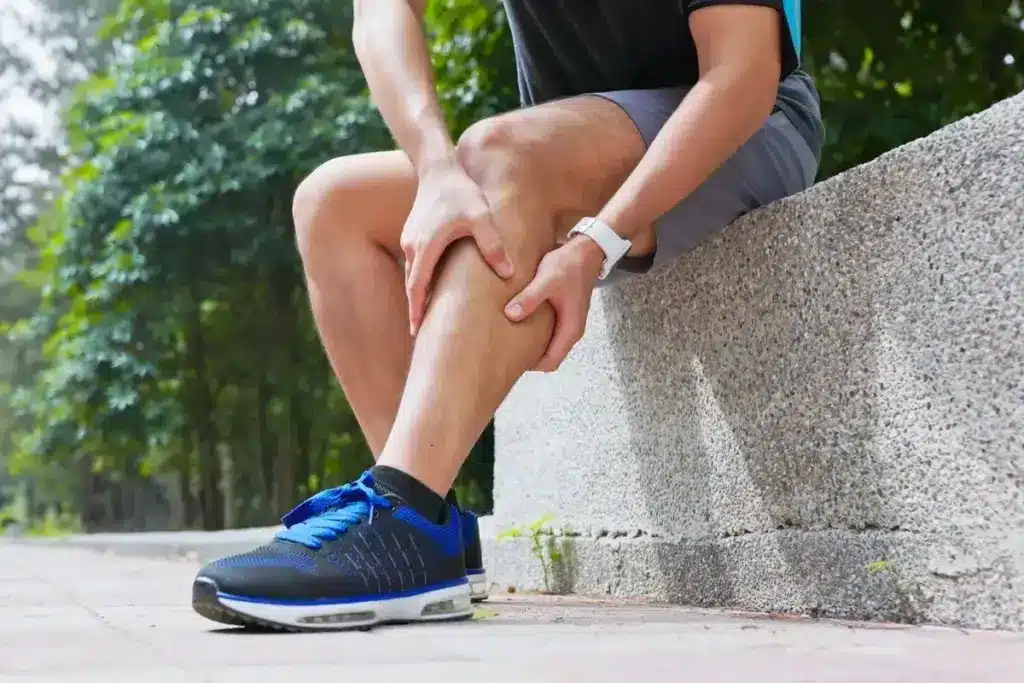
Is your Leg Pain Vascular Muscular? Learn to spot the differences between muscle strain and artery issues to get the right treatment immediately.
Did you know millions of Americans have leg pain from different causes? Knowing if your pain is from vascular or muscular issues is key to getting better.
Telling vascular pain from muscular pain can be hard because they share symptoms. But, knowing the difference is vital for the right treatment.
This article will help you understand vein pain and vascular injury. It will guide you to find out what’s causing your pain.

Leg pain is a symptom, not a condition. It can come from many sources, like vascular and muscular problems. It affects people of all ages and activity levels. Knowing the cause is key to managing and treating it.
Many things can cause leg pain. Vascular issues like Peripheral Artery Disease (PAD) and Deep Vein Thrombosis (DVT) can lead to pain. This is because of less blood flow or clots. Muscular problems, like strains and tears, are also common.
Lifestyle, physical activity, and health conditions also play a role. It’s important to look at all these factors when figuring out why someone has leg pain.
|
Cause |
Description |
Common Symptoms |
|---|---|---|
|
Muscular Strains |
Overstretching or tearing of muscle fibers |
Pain, swelling, bruising |
|
PAD |
Narrowing of arteries reducing blood flow |
Intermittent claudication, pain at rest |
|
DVT |
Formation of a blood clot in deep veins |
Swelling, pain, warmth, redness |
With so many possible causes, getting a correct diagnosis is critical. A doctor will look at your medical history, do a physical check, and run tests. This helps find out why you have leg pain.
“Accurate diagnosis is the cornerstone of effective treatment for leg pain. It guides the healthcare provider in selecting the most appropriate interventions, whether they be conservative management strategies or more invasive procedures.”
Medical Expert
Getting the right diagnosis is not just for treatment. It also helps avoid serious problems that can come from untreated leg pain.
To understand leg pain, we must look at the anatomy. The leg is made up of many systems, with the vascular and muscular being key. These systems are important for leg health and can cause pain.
The leg’s anatomy includes two main systems: the vascular and the muscular. Each system has a unique role in the leg’s function. They can also be sources of pain if they’re not working right.
The vascular system in the legs has arteries, veins, and capillaries. Arteries carry oxygen-rich blood from the heart. Veins take deoxygenated blood back to the heart. Capillaries help exchange oxygen, nutrients, and waste.
Any problem in this system can cause pain. This pain is often called vascular leg pain.
The muscular system includes muscles, tendons, and ligaments. These parts help the leg move and stay strong. The main muscles are the quadriceps, hamstrings, calf muscles, and anterior tibialis.
These muscles help us walk, run, and climb stairs. Muscle strains or overuse injuries can lead to pain. This pain is called muscular leg pain.
Knowing about the vascular and muscular systems is key to figuring out leg pain. By understanding their roles, we can better identify our symptoms. This helps us find the right medical care.
It’s important to know the signs of vascular leg pain to find out why it happens and how to treat it. The symptoms can differ based on whether it’s from arteries or veins. Each type has its own set of symptoms that can vary in how bad they are and when they happen.
Arterial pain in the legs is caused by less blood getting to the muscles. This pain, called claudication, happens when you’re active and goes away when you rest. It feels like cramping or aching and can be quite severe.
Common symptoms of arterial pain include:
Venous pain is linked to problems like varicose veins or deep vein thrombosis. This pain feels like throbbing or aching and gets worse at the end of the day or after standing for a long time.
Characteristics of venous pain include:
The way and when vascular leg pain happens can help figure out what’s causing it. Pain that happens when you exercise and goes away when you rest usually means it’s from arteries. But, pain that gets worse as the day goes on might be from veins.
|
Pain Characteristic |
Arterial Pain |
Venous Pain |
|---|---|---|
|
Timing |
Occurs during exercise, relieved by rest |
Worsens throughout the day, specially after standing |
|
Description |
Cramping, aching |
Throbbing, aching |
|
Associated Symptoms |
Weakness, fatigue |
Swelling, warmth, redness |
It’s important to know the signs of muscular leg pain to get the right treatment. This pain can be either acute or chronic, each with its own causes and triggers.
Acute pain in the leg comes on suddenly. It’s often due to injury, strain, or too much use. This pain is sharp and can make it hard to move.
For example, a muscle strain in the calf can cause sharp pain that gets worse with activity.
Chronic pain lasts longer and can be caused by many things. It’s a dull ache that can really hurt and last a long time.
The way pain shows up and what triggers it can help figure out what’s causing it. For instance, pain that gets worse with certain activities or at specific times can point to the problem. Knowing these patterns is key to treating the pain.
To manage muscular leg pain, rest, physical therapy, and lifestyle changes are helpful. The first step is to understand the pain’s characteristics.
Vascular and muscular leg pain show different signs. Knowing these differences helps in getting the right treatment. It’s important for diagnosing and treating leg pain.
Vascular leg pain follows the path of blood vessels. For example, peripheral artery disease (PAD) causes pain in the calf or buttock when walking. Muscular pain, on the other hand, is more focused on the specific muscle that’s hurt.
The type of pain can tell you where it’s coming from. Vascular pain feels like a cramping or aching sensation, often when you’re active. Muscular pain can be a dull ache or a sharp, stabbing feeling, usually when you move the affected muscle.
How pain reacts to activity is another clue. Vascular pain, like PAD, happens when you walk or exercise and goes away with rest. Muscular pain gets worse with certain movements or activities that use the hurt muscle.
Understanding these differences helps people figure out where their leg pain comes from. They can then get the right medical help.
It’s important to know why leg pain happens due to blood vessel issues. These problems can cause a lot of discomfort and serious health issues if not treated.
PAD is when blood vessels outside the heart get narrow or blocked. This reduces blood flow to the legs. Symptoms include pain in the legs when walking, feeling cold, and weak legs. Smoking, diabetes, high blood pressure, and high cholesterol increase the risk of PAD.
DVT is when a blood clot forms in a deep vein, usually in the legs. Symptoms include swelling, pain, and redness in the affected limb. If the clot breaks loose and goes to the lungs, it can be deadly.
CVI is when veins can’t return blood to the heart because of faulty valves. It causes swelling, pain, and skin changes in the legs. Treatment often involves wearing compression stockings and making lifestyle changes.
Varicose veins are enlarged, twisted veins due to faulty valves. Symptoms include visible, bulging veins, aching, and feeling heavy in the legs. They can be treated with lifestyle changes, compression therapy, or medical procedures.
|
Condition |
Primary Symptoms |
Risk Factors |
|---|---|---|
|
PAD |
Leg pain when walking, coldness, weakness |
Smoking, diabetes, high blood pressure |
|
DVT |
Swelling, pain, redness |
Immobility, surgery, cancer |
|
CVI |
Swelling, pain, skin changes |
Age, obesity, family history |
|
Varicose Veins |
Visible, bulging veins, aching, heaviness |
Age, genetics, pregnancy |
It’s important to know what muscular conditions cause leg pain. Strains, compartment syndrome, and Delayed Onset Muscle Soreness (DOMS) are common. They can really affect your daily life and quality of life.
Muscle strains and tears are common injuries that cause leg pain. A muscle strain happens when the muscle fibers stretch or tear. This can be due to overstretching or sudden muscle contraction.
The severity of a muscle strain can vary. It can be mild or severe, with the severe case being a complete muscle tear. Symptoms include pain, swelling, and limited movement in the affected area.
To manage mild to moderate strains, the RICE method is often used. This stands for Rest, Ice, Compression, and Elevation. For severe cases, medical help like physical therapy or surgery might be needed.
Compartment syndrome is a condition with high pressure in the muscle compartments. It causes pain, swelling, and can lead to serious problems if not treated quickly. It can be acute or chronic, with acute being a medical emergency.
Acute compartment syndrome often happens after trauma or intense exercise. It causes severe pain that’s out of proportion to the injury. Chronic compartment syndrome, or exertional compartment syndrome, happens during exercise and goes away with rest.
Delayed Onset Muscle Soreness (DOMS) is muscle stiffness and pain after new or hard exercise. It usually peaks 48 to 72 hours after the exercise.
The exact reason for DOMS is not known, but it’s thought to be due to muscle fiber damage. To manage it, gentle stretching, foam rolling, and slow return to activity are recommended.
Knowing about these muscular conditions helps you figure out why your leg hurts. You can then find the right treatment, whether it’s self-care or professional help.
Knowing the risk factors for vascular leg pain can help manage and lower its chances. This pain often shows signs of deeper vascular issues. Many factors can influence it.
Age is a big risk factor for vascular leg pain. As people get older, the chance of getting vascular conditions like Peripheral Artery Disease (PAD) goes up. Gender also matters, with men often facing higher risks than women. But, women’s risk goes up after menopause.
“The risk of PAD increases with age, affecting about 8.5% of people aged 60-69. It jumps to 23.5% in those over 85,” a study found.
Lifestyle choices greatly affect the risk of vascular leg pain. Smoking harms the arteries and cuts blood flow. Being inactive and eating too much saturated fat also hurt vascular health.
These habits can lead to high blood pressure and diabetes. Both increase the risk of vascular leg pain.
Some medical conditions raise the risk of vascular leg pain. These include diabetes, high blood pressure, and high cholesterol. Keeping these conditions under control is key to avoiding vascular problems.
By understanding and tackling these risk factors, people can lower their chance of vascular leg pain.
It’s important to know what causes muscular leg pain. This pain can come from how much and how often you exercise, mistakes in training, and how your body moves.
How much you exercise can lead to leg pain. Working out too hard or too often can strain your muscles. For example, if you start running longer or harder, you might feel pain in your legs.
Mistakes in training can also cause leg pain. Bad training methods and not resting enough can make your muscles tired and sore. Runners who don’t rest between hard workouts are more likely to get pain.
How your body moves can also cause leg pain. Problems like overpronation or supination can put uneven stress on your muscles. This can lead to pain and discomfort.
Fixing these movement problems with the right shoes, orthotics, or exercises can help prevent leg pain.
Diagnosing vascular leg pain needs a detailed approach. It involves several methods. Conditions like peripheral artery disease and deep vein thrombosis can cause it. Finding the exact cause is key to treating it right.
A detailed physical check is the first step. Doctors look for swelling, discoloration, or ulcers in the legs. They also check pulses and take a detailed medical history.
These steps help doctors spot vascular problems. They then decide on more tests.
Imaging is vital for diagnosing vascular leg pain. Doctors use:
These studies help doctors see the blood vessels. They can then diagnose vascular problems.
Blood tests are also used. They include:
These tests give important health information. They help doctors diagnose vascular leg pain.
By using physical checks, imaging, and blood tests, doctors can accurately diagnose vascular leg pain. They then create a treatment plan.
Healthcare experts use different methods to find the cause of muscular leg pain. They do physical checks and imaging studies. This helps them figure out what’s causing the pain and how to treat it.
Checking the body is key in diagnosing leg pain. Doctors use several ways to look at the affected area. These include:
These methods give important info about the pain. They help doctors decide what to do next.
At times, pictures are needed to understand the pain better. Common pictures include:
These images help doctors confirm what’s wrong and rule out other possible causes of pain.
|
Diagnostic Method |
Description |
Primary Use |
|---|---|---|
|
Palpation |
Manual examination to identify tender areas |
Assessing muscle tenderness |
|
Range of Motion Tests |
Evaluating flexibility and mobility |
Identifying limitations in movement |
|
Ultrasound |
Imaging soft tissue injuries |
Diagnosing muscle tears or tendonitis |
|
MRI |
Detailed visualization of soft tissues |
Assessing complex soft tissue injuries |
By using physical checks and the right images, doctors can find the cause of leg pain. Then, they can make a plan to fix it.
Figuring out if your leg pain is from blood vessels or muscles needs careful thought. You need to know what your pain feels like and how it affects you. This helps you understand if it’s related to your health or daily activities.
Start by asking yourself these questions:
Home tests can help figure out your leg pain. If you think it’s from blood vessels, check your leg’s temperature and color. Coldness or paleness could mean poor blood flow, a sign of vascular problems.
For muscle pain, test your leg’s strength and flexibility. Weakness or stiffness in certain muscles might point to muscle issues.
Tracking your symptoms over time is key. Note how often, how long, and how bad your pain is. Also, watch for things that make it better or worse.
A pain diary is a great tool. It helps you spot patterns and what might cause your pain. Write down when you feel pain, what you’re doing, and any other symptoms. This info is useful when talking to doctors.
By following these steps, you can learn a lot about your leg pain. This knowledge can help you understand its cause. It might also guide you on what to do next, like seeing a doctor or getting treatment.
If leg pain is not treated, it can cause many problems. These issues can be divided into vascular and muscular problems. Both types can seriously harm your health.
Vascular problems from untreated leg pain can be serious. Peripheral Artery Disease (PAD) can worsen, causing less blood flow to your limbs. This might lead to critical limb ischemia.
This condition can cause severe pain, even when you’re not moving. It can also cause gangrene if not treated.
Another issue is Deep Vein Thrombosis (DVT). It can cause pulmonary embolism if the clot goes to your lungs. This is a very dangerous condition that needs quick medical help.
Muscular problems can also happen from untreated leg pain. Long-term issues can cause muscle atrophy and less mobility. This makes everyday tasks hard to do.
Ignoring muscle pain can also lead to chronic pain syndromes. These are hard to manage and might need many treatments.
Untreated leg pain can greatly affect your life. Chronic pain and less mobility can make you less independent. This affects both your physical and mental health.
Simple tasks become hard, and your overall well-being suffers. The mental effects of chronic leg pain are also important. It can cause depression and anxiety, making life even harder.
So, it’s very important to see a doctor if your leg pain doesn’t go away or gets worse.
Knowing when to get medical help for leg pain is key. Some signs point to serious issues that need quick action.
Vascular emergencies are serious and can be deadly. Look out for these warning signs:
If you see these signs, get medical help fast. Issues like Deep Vein Thrombosis (DVT) or Peripheral Artery Disease (PAD) can get worse if not treated right away.
Muscular emergencies are serious but not as deadly as vascular ones. Yet, they need quick medical check-ups. Watch for these signs:
Issues like Compartment Syndrome can cause lasting harm if not treated fast. If you’re feeling these symptoms, getting medical help is vital.
Knowing these warning signs helps you take care of your health. It ensures you get the right medical care on time.
It’s important to know the difference between vascular and muscular leg pain. This knowledge helps in finding the right treatment. Leg pain can come from many causes, and knowing the source is key to getting better.
Vascular leg pain is linked to serious issues like Peripheral Artery Disease (PAD) and Deep Vein Thrombosis (DVT). It needs quick medical help to avoid serious problems. Muscular leg pain, caused by muscle strains or compartment syndrome, can be treated with rest, physical therapy, and changes in lifestyle.
Finding out what’s causing your leg pain is the first step to feeling better. By understanding vascular and muscular pain, you can get the right care. This helps in managing symptoms and improving your health.
Leg pain can come from vascular or muscular issues. Vascular problems include Peripheral Artery Disease (PAD) and Deep Vein Thrombosis (DVT). Muscular issues include muscle strains and tears.
Vascular pain feels like cramping or aching, often worse at night or with activity. Muscular pain is sharp or dull, linked to exercise, and might have swelling or bruising. Knowing these signs helps figure out the cause.
Age, gender, smoking, and health issues like diabetes increase vascular pain risk. Knowing these factors helps spot who’s at risk.
Muscular pain risks include how you exercise and your body’s mechanics. Repetitive or intense activities can lead to pain.
Doctors use physical exams, imaging like ultrasound, and blood tests to diagnose vascular pain.
Doctors check muscle strength and tenderness, and might use MRI to see muscle damage.
Untreated pain can worsen, reduce mobility, and harm your quality of life.
Seek help for severe pain, swelling, or discoloration, and if you have trouble walking or cramping.
Yes, you can by asking about your pain, doing home tests, and keeping a pain diary.
Correct diagnosis is key for choosing the right treatment. Wrong or late diagnosis can make things worse.
Vascular pain is like cramping, aching, or feeling heavy in the legs, often when active or in certain positions.
Muscular pain is sharp or dull, linked to exercise, and might include swelling or bruising.
Yes, changes like exercise, healthy weight, and not smoking can help by improving blood flow and muscle health.
Exercises that boost circulation and strengthen muscles can help. But, always check with a doctor first to find the right ones for you.
Prevent pain by managing risks like a healthy lifestyle, avoiding long standing or sitting, and regular exercise that fits your health.
https://www.stridecare.com/blog/is-my-leg-pain-is-muscular-or-vascular
