

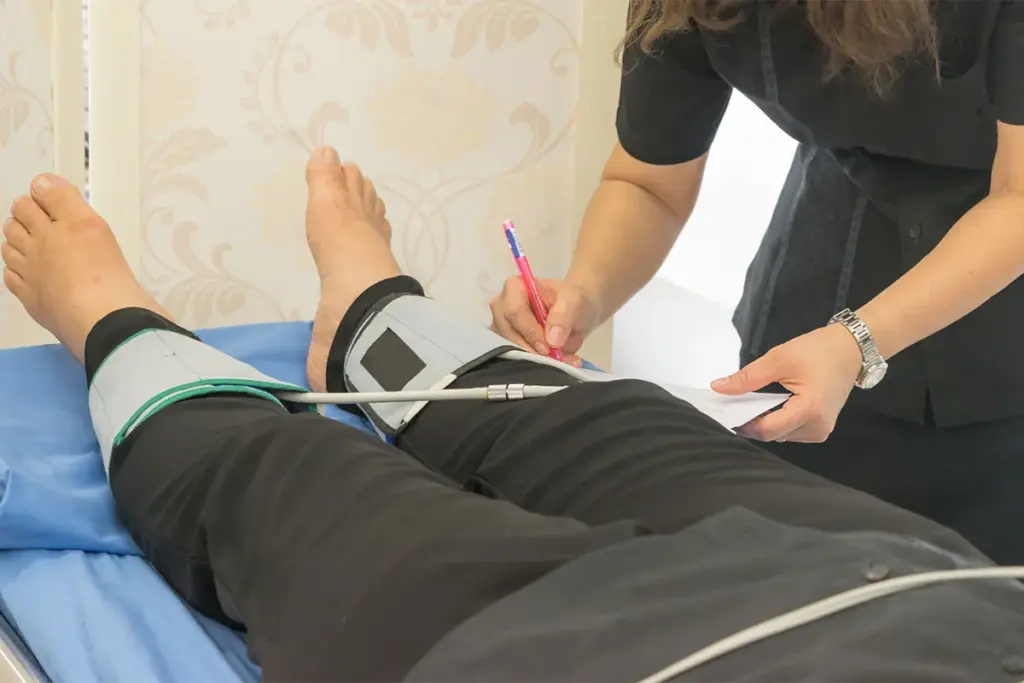
Did you know millions of Americans have leg circulation disorders without knowing it? Poor blood flow in the legs can cause many uncomfortable and serious health problems.
Signs include numbness, tingling, and swelling in the legs. It’s important to notice these leg blood flow problems symptoms early. This helps in getting the right treatment.
Knowing the signs of poor leg circulation can help you get medical help early. This can prevent the condition from getting worse.
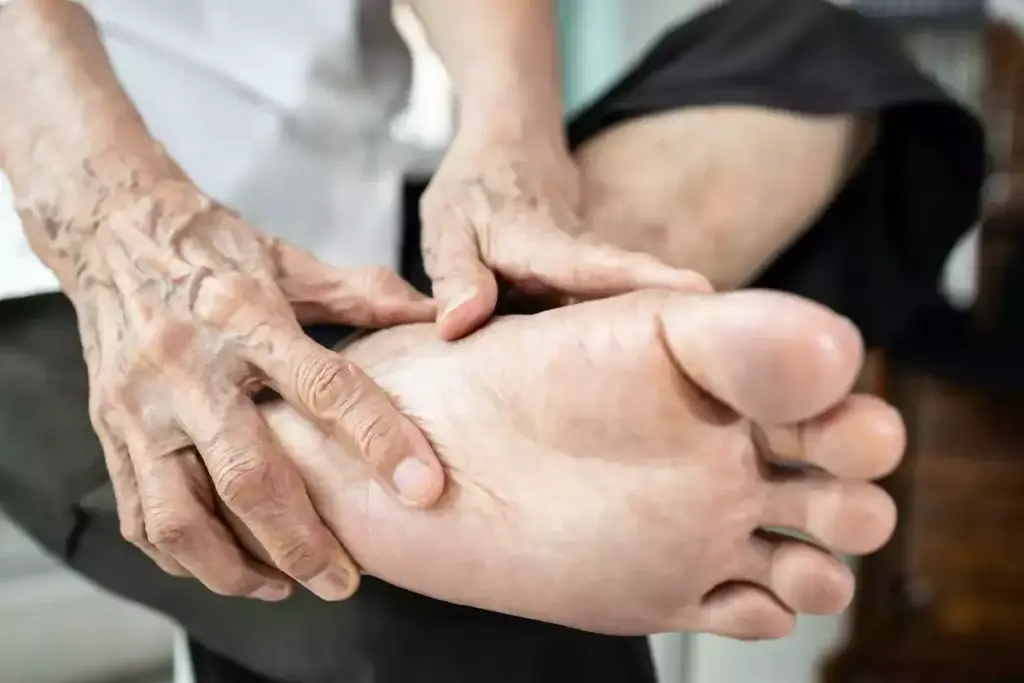
Peripheral circulation is the flow of blood outside the heart. It’s key for the legs’ health. It brings oxygen and nutrients, helping with movement and overall health.
Peripheral circulation is the blood flow from the heart to the legs and back. It’s a vital system for tissue health, temperature control, and body function.
Key components of peripheral circulation include:
In a healthy person, blood flow in the legs works well. The heart pumps blood into arteries. These then branch into smaller arterioles and capillaries. Here, oxygen and nutrients are exchanged for waste.
Healthy blood flow in the legs is critical. It prevents many problems linked to poor circulation. It ensures tissues get the oxygen and nutrients they need.
“Poor circulation can lead to significant discomfort and health issues, making it essential to understand the signs and symptoms to seek timely medical intervention.”
The table below shows the importance of healthy leg blood flow and the effects of poor circulation:
|
Aspect |
Healthy Circulation |
Poor Circulation |
|---|---|---|
|
Oxygen Delivery |
Adequate oxygen supply to tissues |
Insufficient oxygen, leading to tissue damage |
|
Nutrient Supply |
Efficient delivery of nutrients |
Nutrient deficiencies, impairing tissue health |
|
Waste Removal |
Effective removal of waste products |
Accumulation of waste, causing inflammation |
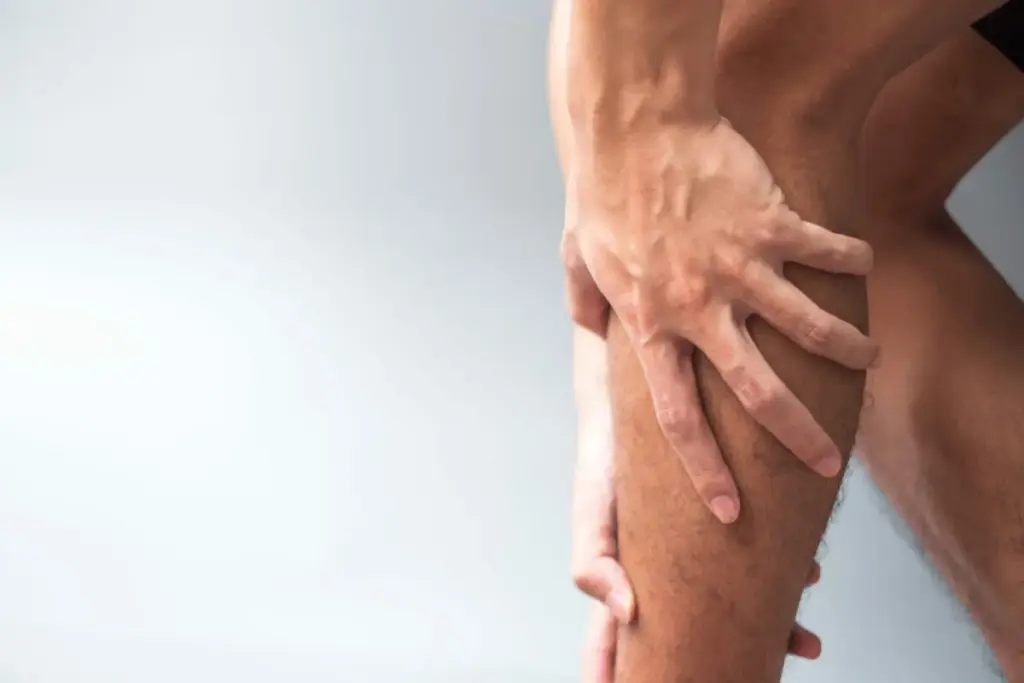
It’s important to know the signs of poor leg circulation early. If not treated, it can lead to serious problems.
Numbness or tingling in the legs is a key leg poor circulation symptom. It happens when blood flow to nerves is low. This can cause nerve problems. If you often feel numb or tingle, it might mean you have circulation issues.
Cold feet and legs are a common sign of leg circulation issues. When blood flow is low, your feet and legs stay cold. This can happen even when it’s not cold outside. It’s a sign that needs attention.
Swelling in ankles and feet is a clear sign of leg circulation problems. It happens when blood doesn’t flow back to the heart well. This causes fluid to build up, leading to swelling. Swelling can also hurt.
Changes in skin color are signs of leg circulation disorder symptoms. Skin might look pale, blue (cyanosis), or red because of poor blood flow. In serious cases, skin can turn discolored or develop ulcers. This is a clear sign to see a doctor.
Spotting these symptoms early can help manage and even reverse poor leg circulation. If you notice any, seeing a healthcare professional is a good idea. They can check you out and suggest the right treatment.
Vascular insufficiency in the legs can cause various pain symptoms. These symptoms can greatly affect a person’s quality of life. They are important signs that should not be ignored.
Cramping and muscle pain in the legs are common symptoms. This pain can happen during exercise or when resting. It depends on how bad the circulation problem is.
It’s important to know the difference between rest pain and pain from activity. Pain from activity happens when you move and goes away when you rest. Rest pain, on the other hand, happens even when you’re not moving. It’s a sign of serious vascular insufficiency.
Nighttime leg discomfort is another sign of poor circulation. It can be pain, cramping, or aching in the legs. It can also keep you awake at night. Elevating your legs or doing gentle exercises might help.
The table below lists the main pain symptoms of vascular insufficiency in the legs:
|
Symptom |
Description |
Potential Relief Measures |
|---|---|---|
|
Cramping and Muscle Pain |
Pain or discomfort in the legs, often during activity |
Rest, stretching, and improving circulation |
|
Rest Pain |
Pain occurring at rest, indicating severe vascular insufficiency |
Medical attention, pain management |
|
Nighttime Leg Discomfort |
Pain or cramping at night, disrupting sleep |
Elevating legs, gentle exercises, improving circulation |
It’s key to understand these symptoms to catch vascular insufficiency early. If you’re experiencing any of these, see a doctor for help.
It’s important to know the signs of poor leg circulation early. This can help prevent serious health issues. Poor circulation can cause noticeable symptoms that affect your legs’ appearance and health.
Varicose veins and spider veins are common signs of poor circulation. Varicose veins are big, twisted veins under the skin. They happen when veins’ valves don’t work right, causing blood to pool.
Spider veins are smaller and look like red or purple lines. Both types can be painful and look bad. They might also mean there’s a bigger problem with blood flow.
Varicose and spider veins can make your legs look bad and feel heavy. They’re not just about looks. They can also show there’s a problem with blood flow that needs fixing.
Poor circulation can also change your skin’s look and color. Skin might get thinner, paler, or even blue. It can also get shiny or tight, mainly around the ankles and feet.
Discoloration can range from mild redness to darker spots, like venous stasis dermatitis. This happens because skin doesn’t get enough oxygen and nutrients. If not treated, it can lead to ulcers.
Hair loss on the legs and feet is another sign of poor circulation. When blood flow is low, hair follicles don’t get what they need. This can make hair thin or fall out.
This symptom is important because it shows there’s a problem with blood flow. Getting help early can stop things from getting worse.
In summary, signs like varicose veins, skin changes, and hair loss are key indicators of poor leg circulation. Spotting these signs early can help prevent serious problems.
It’s important to know the signs of poor leg circulation early. This can help prevent serious problems. When circulation issues get worse, they can cause severe symptoms.
Slow-healing wounds or ulcers on the legs or feet are a big warning sign. Poor circulation makes it hard for the body to heal. This can cause wounds to take a long time to heal and may lead to infections.
Changes in skin and nails can also show circulation problems. Shiny skin on the legs and hair loss can mean less blood flow. Brittle nails that break easily also point to poor circulation. This is because the skin and nails don’t get enough nutrients and oxygen.
Erectile dysfunction (ED) is linked to poor circulation. It often comes with vascular diseases that affect blood flow. Erectile dysfunction can be an early sign of vascular problems, including those in the legs. Men with ED should check for circulation issues.
Knowing these warning signs early can help get medical help before it’s too late. Early treatment is key to managing circulation problems.
It’s key to know why blood flow in the legs can be poor. This knowledge helps in managing the issue. Poor circulation can cause many symptoms and problems, so finding the cause is vital.
Atherosclerosis is when plaque builds up in arteries, making them hard and narrow. This reduces blood flow to the legs, causing pain when walking.
Plaque buildup is made of fat, cholesterol, and other stuff. Over time, it can narrow arteries a lot, affecting circulation.
Deep Vein Thrombosis is when a blood clot forms in deep veins, usually in the legs. It can cause swelling, pain, and warmth in the leg.
If not treated, DVT can lead to serious issues like pulmonary embolism. It’s important to recognize signs and get medical help.
Varicose veins are big, twisted veins that can hurt and look bad. They happen when vein walls and valves get weak or damaged, leading to venous insufficiency.
Venous insufficiency is when veins can’t return blood to the heart well. This is because of valve problems or blockages, causing blood to pool in the legs.
Peripheral Artery Disease is when arteries that supply blood to the legs get narrowed or blocked. PAD can cause pain in the legs when exercising and, in severe cases, gangrene.
|
Condition |
Description |
Common Symptoms |
|---|---|---|
|
Atherosclerosis |
Buildup of plaque in arteries |
Leg pain during walking, coldness in legs |
|
Deep Vein Thrombosis (DVT) |
Blood clot in deep veins |
Swelling, pain, warmth in affected leg |
|
Varicose Veins and Venous Insufficiency |
Enlarged, twisted veins; poor blood return |
Aching, heaviness, swelling in legs |
|
Peripheral Artery Disease (PAD) |
Narrowing or blockage of peripheral arteries |
Leg pain during exercise, cramping |
These conditions show why keeping circulation healthy is important. Knowing the causes is the first step to managing and treating poor blood flow in the legs.
Several factors can increase the risk of leg circulation problems. These include age, lifestyle choices, and certain medical conditions. Knowing these risk factors is key to preventing and managing leg circulation issues.
Age is a big risk factor for leg circulation problems. As we get older, our blood vessels become less flexible. They also narrow more easily, which can block blood flow.
Lifestyle choices greatly affect the risk of poor leg circulation. Smoking, a sedentary lifestyle, and unhealthy diets can all lead to circulation problems.
Some medical conditions raise the risk of leg circulation issues. Diabetes, high blood pressure, and obesity are examples. These conditions can harm blood circulation.
Genetics also play a part in leg circulation problems. People with a family history of vascular diseases are more likely to face circulation issues.
|
Risk Factor Category |
Specific Factors |
Impact on Circulation |
|---|---|---|
|
Age-Related |
Aging |
Reduced vascular flexibility |
|
Lifestyle |
Smoking, sedentary lifestyle, unhealthy diet |
Increased risk of circulation problems |
|
Medical Conditions |
Diabetes, high blood pressure, obesity |
Negative impact on blood circulation |
|
Genetic |
Family history of vascular diseases |
Increased susceptibility to circulation issues |
By understanding and addressing these risk factors, individuals can take proactive steps. This can help reduce their risk of developing leg circulation issues.
Doctors use many steps to find and check leg circulation issues. They look for the main cause of the symptoms. This helps them understand what’s going on.
A physical exam is the first step. A healthcare provider checks the legs for signs like coldness, paleness, or swelling. They also check for pulses in the feet and legs to see if blood is flowing well.
Imaging tests are key in finding peripheral vascular symptoms. Some common tests are:
Blood tests are important to find underlying conditions. They help diagnose things like diabetes, high cholesterol, and blood clotting disorders.
The Ankle-Brachial Index (ABI) test compares ankle and arm blood pressure. A low score can mean peripheral artery disease (PAD), a common cause of leg circulation problems.
|
Diagnostic Test |
Purpose |
Key Findings |
|---|---|---|
|
Physical Examination |
Assess leg circulation |
Coldness, paleness, swelling, weak pulses |
|
Duplex Ultrasound |
Evaluate blood flow and detect blockages |
Presence of stenosis or occlusion |
|
ABI Test |
Diagnose Peripheral Artery Disease (PAD) |
Low ABI score indicating PAD |
Getting the right diagnosis is key to treating leg circulation health concerns. By using these tests, doctors can find the best way to improve circulation and ease symptoms.
There are many medical treatments for poor leg circulation. These treatments aim to improve blood flow and ease symptoms. They also help prevent serious health issues.
For many, the first step is medication. It helps manage symptoms and treat the root cause. Common medications include:
When meds aren’t enough, minimally invasive procedures are considered. These include:
In severe cases, surgical interventions are needed. Surgical options include:
Compression therapy is also effective. It uses compression stockings or sleeves. This method helps improve blood flow and reduce swelling. It’s often used with other treatments.
|
Treatment Option |
Description |
Benefits |
|---|---|---|
|
Medication |
Manages symptoms and addresses underlying causes |
Reduces pain, prevents complications |
|
Minimally Invasive Procedures |
Angioplasty, stenting, atherectomy |
Improves circulation, relieves symptoms |
|
Surgical Interventions |
Bypass surgery, endarterectomy |
Restores blood flow, prevents tissue damage |
|
Compression Therapy |
Compression stockings or sleeves |
Improves blood flow, reduces swelling |
The right treatment depends on the case. It includes the severity of poor leg circulation and the patient’s health. A healthcare professional will decide the best plan.
To boost leg blood flow, you need to make lifestyle changes. Simple daily habits can greatly help. They can also lower the risk of leg circulation problems.
Exercise is key to better leg circulation. Walking, cycling, and swimming are great. They strengthen leg muscles and boost heart health.
Recommended Exercises:
Eating right is also important for circulation. Foods high in omega-3s, antioxidants, and fiber are best. They help blood flow better.
|
Food Group |
Examples |
Benefits |
|---|---|---|
|
Omega-3 Rich Foods |
Salmon, Walnuts |
Improves heart health and circulation |
|
Antioxidant-Rich Foods |
Berries, Leafy Greens |
Reduces inflammation and improves vascular function |
|
Fiber-Rich Foods |
Oats, Legumes |
Helps maintain healthy blood vessels |
Smoking harms circulation. Quitting can greatly improve leg blood flow and heart health.
Resources for Quitting Smoking:
Keeping a healthy weight is good for leg circulation. A balanced diet and exercise help maintain a healthy weight.
By making these lifestyle changes, you can improve leg circulation. This reduces health risks and boosts overall well-being.
Simple home remedies can greatly help with leg circulation. They can reduce discomfort and improve how well you move. If you have poor leg circulation, adding these remedies to your day can help.
Elevating your legs is a simple way to boost circulation. It lessens the pull of gravity on blood flow. This helps reduce swelling and promotes better circulation. Here’s how to elevate your legs:
Massage is a great home remedy for leg circulation. It can help move blood and ease muscle tension. Here are some self-care tips:
Hydrotherapy, or water therapy, is great for circulation. Hot and cold water can make blood vessels work better. Try these:
Some supplements can help with leg circulation. Always talk to a doctor before taking new supplements. Here are some options:
Adding these home remedies to your routine can help with leg circulation. It may also improve your overall blood flow and health.
Knowing when to get medical help is key for those with poor leg circulation. This condition can cause serious health problems if not treated quickly.
Some signs of poor leg circulation are serious and shouldn’t be ignored. These include:
It’s vital to seek medical attention if you notice any of these symptoms. They could point to a serious health issue.
If you’re dealing with poor leg circulation symptoms, finding the right doctor is important. Start with your primary care physician. They can refer you to a specialist if needed.
Doctors who specialize in circulation problems include:
Early diagnosis and treatment can greatly improve outcomes for those with leg circulation issues.
Being aware of symptoms and knowing when to seek help can help manage your condition. It’s a step towards better health.
Untreated poor circulation can cause serious and even life-threatening problems. When blood flow to the legs is cut off, it can lead to many health issues. These issues affect not just how we move but also our overall quality of life.
One major problem is tissue damage, which can turn into gangrene. Gangrene is when tissue dies because it doesn’t get enough blood. It might need amputation if not treated quickly.
Gangrene can show up in different ways:
Poor circulation can really hurt how we move and our quality of life. It can cause pain when walking, known as intermittent claudication. This makes it hard to do everyday things.
|
Symptom |
Impact on Mobility |
Impact on Quality of Life |
|---|---|---|
|
Intermittent Claudication |
Reduces walking distance and ability |
Limitations in daily activities and exercise |
|
Rest Pain |
Constant pain even at rest |
Affects sleep and overall comfort |
|
Reduced Mobility |
Decreased ability to engage in physical activities |
Potential for depression and decreased social interaction |
Circulation problems in the legs often mean systemic vascular disease. This can also harm the heart and brain’s arteries. So, untreated leg circulation issues can raise the risk of heart disease and stroke.
The link between peripheral artery disease and heart and brain problems is clear. Research shows people with peripheral artery disease are more likely to have heart attacks and strokes.
It’s important to manage and prevent poor leg circulation for your health. Knowing the signs like numbness, cold feet, and swelling is a first step. This helps you seek medical help.
Making lifestyle changes can help improve leg circulation. Regular exercise, healthy eating, quitting smoking, and managing weight are key. Knowing the risks, like age and certain health conditions, helps you take steps to prevent it.
There are medical treatments for poor leg circulation. These include medicines, procedures, and compression therapy. Combining these with lifestyle changes helps manage circulation problems.
Preventing poor leg circulation is vital to avoid serious issues. These include tissue damage, gangrene, and problems with mobility and quality of life. By staying informed and proactive, you can keep your legs healthy and your overall well-being in check.
Symptoms include numbness and tingling. You might also feel cold feet and legs. Swelling, changes in skin color, cramping, and muscle pain are other signs.
Look for signs like varicose veins and spider veins. Skin changes and hair loss on legs and feet are also indicators. Pain, like cramping, and discomfort at night are other signs.
Poor blood flow can be due to atherosclerosis, deep vein thrombosis, varicose veins, and peripheral artery disease.
Yes, risk factors include age and lifestyle choices like smoking and lack of exercise. Medical conditions like diabetes and high blood pressure also play a role. Genetic predisposition is another factor.
Doctors use physical exams, imaging tests, blood tests, and the ankle-brachial index test. These help assess blood flow and identify conditions.
Treatment options include medication, minimally invasive procedures, and surgery. Compression therapy is also used, depending on the condition’s severity and cause.
Yes, regular exercise, dietary changes, quitting smoking, and managing weight can improve blood flow in the legs.
Yes, home remedies include elevating your legs, massage, and self-care. Hydrotherapy and supplements can also help improve circulation.
Seek medical attention for severe pain, swelling, or skin changes. It’s important to find a specialist for proper diagnosis and treatment.
Untreated problems can cause tissue damage and gangrene. They can also affect mobility and quality of life. There’s a link between circulation issues and heart disease and stroke.
Prevention involves a healthy lifestyle. This includes regular exercise, a balanced diet, not smoking, and managing weight. Being aware of risk factors and taking steps to prevent them is also key.
National Center for Biotechnology Information. Evidence-Based Medical Insight. Retrieved from https://www.ncbi.nlm.nih.gov/books/NBK430745/
