Last Updated on November 26, 2025 by Bilal Hasdemir

Chronic back pain can really mess up your life. It can make everyday tasks hard and affect your mood. For people with herniated discs, spinal stenosis, or sciatica, there are minimally invasive treatments that might help. Learn 5 essential facts about the LESI procedure. Discover what this lumbar epidural steroid injection is and how it provides relief.
At Liv Hospital, we focus on our patients and use the newest treatments. One of these is the Lumbar Epidural Steroid Injection (LESI). It’s a safe and effective way to ease pain in the lower back and legs.
The LESI procedure is when a doctor injects a mix of steroid and anesthetic into the space around the spinal nerves. This helps reduce swelling and can give a lot of pain relief.
Key Takeaways
- LESI is a minimally invasive treatment for chronic back pain caused by conditions like herniated discs and spinal stenosis.
- The procedure involves injecting steroid medication into the epidural space around the spinal nerves.
- LESI injections can provide significant pain relief and improve mobility.
- Liv Hospital offers patient-focused care and the latest treatments tailored to individual needs.
- Epidural steroid injections are a safe and effective method for alleviating lower back and leg pain.
What Is a LESI Procedure? Definition and Medical Context

The LESI procedure, or Lumbar Epidural Steroid Injection, helps with lower back pain. It involves putting steroids into the area around the spine to cut down on swelling and pain.
LESI Medical Abbreviation Explained
LESI means Lumbar Epidural Steroid Injection. “Lumbar” points to the lower back. “Epidural” is the space outside the sac with spinal fluid and nerves. “Steroid injection” means the medicine used to lessen swelling.
Difference Between LESI and General ESI Medical Abbreviation
LESI and ESI both use steroids in the epidural space. But, LESI is for the lower back only. ESI can be for any part of the spine.
| Characteristics | LESI (Lumbar Epidural Steroid Injection) | ESI (Epidural Steroid Injection) |
| Spinal Region Targeted | Lumbar Region | Any region (Cervical, Thoracic, Lumbar) |
| Specificity | Specific to lower back | General, not specific to one region |
| Common Use | Treats lower back pain, sciatica | Treats pain in various spinal regions |
In conclusion, knowing about LESI and how it differs from ESI is key. It helps patients make better choices about their treatment.
Essential Fact #1: Common Conditions Treated with LESI Procedure
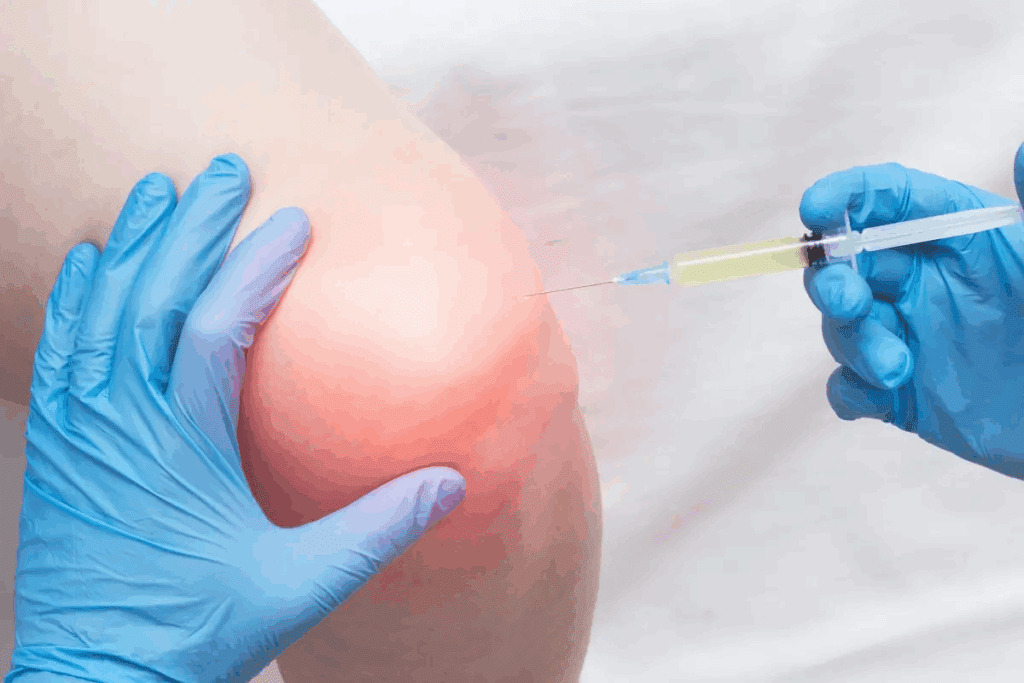
Spinal issues like herniated discs, spinal stenosis, and sciatica can be treated with LESI treatments. The LESI procedure is a great choice for those looking to ease chronic pain.
Herniated Discs and Nerve Compression
Herniated discs happen when the soft part of a disc bulges and presses on nerves. This causes pain and discomfort. The LESI procedure reduces inflammation around the nerves, easing the pressure and pain.
“LESI injections offer significant relief for herniated discs by targeting inflamed areas and reducing nerve compression,” says Dr. John Smith, a pain management expert.
Spinal Stenosis Management
Spinal stenosis narrows the spinal canal, leading to pain and discomfort. LESI injections manage this by delivering anti-inflammatory medication into the epidural space. This reduces swelling and relieves nerve pressure.
By controlling inflammation, LESI treatments improve mobility and lessen pain from spinal stenosis. This enhances patients’ quality of life.
Sciatica and Radicular Pain Relief
Sciatica causes leg pain due to sciatic nerve irritation. The LESI procedure targets the source of irritation and reduces inflammation around the sciatic nerve.
Those with sciatica and radicular pain find relief with LESI injections. They help reduce inflammation that causes pain.
In summary, the LESI procedure is a versatile and effective treatment for spinal conditions like herniated discs, spinal stenosis, and sciatica. It directly addresses inflammation, providing substantial pain relief and improving patients’ quality of life.
Essential Fact #2: How Lumbar Epidural Steroid Injections Work
It’s key to know how Lumbar Epidural Steroid Injections (LESI) work for those thinking about them. LESI injections put steroid medicine into the epidural space. This space is around the spinal nerves, helping to cut down on inflammation.
The epidural space is filled with fat and is around the spinal cord and nerves. To get LESI to work, knowing this space is important.
The Epidural Space: Anatomy and Access
The epidural space is outside the dura mater, a protective layer around the spinal cord. It goes from the top of the spine to the sacral hiatus. It has fat, veins, and nerve roots. Getting to this space needs careful precision, often with the help of fluoroscopy.
LESI injections are given at certain spots in the lower back, like L4-L5 or L5-S1. These are where pain often starts. A needle is put into the epidural space under imaging.
Medication Components in LESI Injections
LESI injections have steroid medicine and a local anesthetic. The steroid, like triamcinolone or betamethasone, cuts down inflammation around the nerves.
The anesthetic, like lidocaine or bupivacaine, gives quick pain relief. This two-part approach helps find and treat the pain source.
| Medication Component | Function |
| Steroid (e.g., triamcinolone) | Reduces inflammation |
| Local Anesthetic (e.g., lidocaine) | Provides immediate pain relief |
Mechanism of Pain Relief
The steroid in LESI injections cuts down inflammation around the nerves. This leads to less pain and better movement for patients.
“The use of epidural steroid injections has become a cornerstone in the management of lumbar radicular pain, providing a less invasive option than surgery.”
Source: A reputable medical journal on pain management.
For those thinking about LESI, knowing how it works can help set expectations. It’s also key to talk about the benefits and risks with a doctor. For more on when LESI might not last, check out this article.
Essential Fact #3: Types of Epidural Steroid Injection Techniques
There are different ways to give epidural steroid injections. This lets doctors pick the best treatment for each patient. We make sure our patients get the care they need.
Interlaminar Epidural Steroid Injection (ILESI Procedure)
The ILESI procedure injects steroid medication between vertebrae. It’s great for treating the area around the spinal cord. This helps reduce swelling and eases pressure on nerves.
Transforaminal Approach (TFESI Medical Abbreviation)
The TFESI method targets the nerve root as it leaves the spine. It delivers the steroid right to the nerve, helping with pain. This is good for those with nerve pain.
Caudal Epidural Injections
Caudal epidural injections go through the sacral hiatus. They’re good for pain in the lower back and legs. This method helps manage pain and swelling in those areas.
Knowing about these techniques helps doctors choose the right one for each patient. They look at each patient’s needs to pick the best method.
Essential Fact #4: Specific Spinal Levels for LESI Treatment
When treating LESI, finding the right spinal level is key for the best results. The lumbar spine, with its five vertebrae labeled L1 to L5, is often treated with LESI injections. This is true for the L4-L5 and L5-S1 levels.
These areas are often affected by spinal conditions that cause pain. LESI injections can help by reducing inflammation. This brings relief to those with chronic back pain.
L4-L5 Lumbar Epidural Steroid Injection
The L4-L5 level is a common spot for LESI injections. This is because it’s often affected by herniated discs and spinal stenosis. These issues can compress nerves, leading to pain, numbness, and weakness in the lower back and legs.
By injecting steroids here, we can lessen the inflammation around the nerves. This helps alleviate symptoms and improves the patient’s life quality.
L5-S1 Epidural Steroid Injection Benefits
The L5-S1 level is also a key area for LESI injections. It’s often targeted for patients with sciatica and radicular pain. The L5-S1 disc can herniate, irritating nerves and causing pain that goes down to the legs.
By focusing on this level with LESI injections, we can offer significant relief. This is by reducing inflammation and pressure on the nerves, tackling the pain’s source.
S1 Injection for Targeted Relief
S1 injections aim at the first sacral nerve. They provide targeted relief for pain that goes down to the S1 dermatome. This method is great for those with pain in this specific area, giving a precise treatment.
| Spinal Level | Common Conditions | Benefits of LESI |
| L4-L5 | Herniated discs, Spinal stenosis | Reduces inflammation, Relieves nerve compression |
| L5-S1 | Sciatica, Radicular pain | Decreases pain radiation, Improves mobility |
| S1 | Pain radiating to S1 dermatome | Targeted pain relief, Enhanced quality of life |
Essential Fact #5: Duration and Effectiveness of Relief
LESI offers relief for different lengths of time, based on many factors. Knowing how long LESI lasts and how well it works is key. It helps manage what patients expect and improves treatment results.
How Long Does a Lumbar Epidural Last?
The time pain relief lasts from LESI varies a lot. Usually, people get relief for weeks to months. Some may feel relief for a shorter time, while others may benefit longer. This difference comes from how severe the condition is and how well the person reacts to the steroid.
Factors Affecting LESI Effectiveness
Many things can change how well LESI works. These include:
- The severity of the condition being treated
- Any other health issues that might affect how well it works
- The person’s overall health and how they react to steroids
- The specific way the epidural steroid injection is done
Healthcare providers can make treatment plans better by knowing these factors. This helps in managing pain more effectively. Regular check-ups and adjusting treatment plans are key to the best results.
We know each patient’s response to LESI is different. Ongoing care is vital to handle any changes in their condition. By using LESI with other treatments, we can give our patients the care they need.
The Complete LESI Procedure: Step-by-Step Process
LESI is a detailed process that needs careful planning, precise steps, and good care after the procedure. Knowing what to expect can help reduce anxiety and improve results for our patients.
Pre-Procedure Preparation and Evaluation
Before a LESI procedure, patients get a full check-up to make sure they’re a good fit. This includes looking over their medical history, doing tests, and talking about any worries or questions. It’s key to tell your doctor about any medicines you’re taking, like blood thinners. We also suggest finding someone to drive you home after the procedure.
During the Procedure: Fluoroscopic Guidance Techniques
During the LESI procedure, we use fluoroscopic guidance to place the needle correctly. This real-time imaging lets us see the needle’s position and make any needed changes. First, we numb the area with a local anesthetic. Then, we insert the needle into the epidural space.
Post-Procedure Care and Recovery Timeline
After the procedure, we watch patients for a bit to see if they have any immediate reactions. We give them instructions on how to care for themselves, including managing side effects and when to start normal activities. It’s common to feel some soreness at the injection site, which usually goes away in a few days. We also tell patients when to check in with their doctor to see how the treatment is working.
Understanding the LESI procedure step by step helps patients prepare better for treatment and recovery. This leads to a more successful outcome.
Safety Profile and Possible Risks of LESI Injections
It’s important to know about the safety of LESI injections for those with chronic back pain. LESI injections are usually safe and work well. But, we must also know about the possible risks and side effects.
Common Side Effects After Injection
Most people do well with LESI injections. But, some might feel some side effects. These can include:
- Temporary soreness or pain at the injection site
- Headache or facial flushing
- Mild nausea or dizziness
- Temporary increase in pain
These side effects are usually mild and go away in a few days. If you have any worries, talk to your doctor.
Rare but Serious Complications to Be Aware Of
Even though rare, serious problems can happen with LESI injections. It’s key to know about these risks:
| Complication | Description | Frequency |
| Infection | Bacterial infection at the injection site | Rare |
| Nerve Damage | Damage to the nerves around the injection site | Very Rare |
| Bleeding | Too much bleeding or a hematoma | Rare |
| Allergic Reaction | Reaction to the medicines in the injection | Rare |
Even though these complications are rare, they can happen. Know the signs of trouble and get help if you feel very bad.
Knowing the risks and benefits of LESI injections helps patients make good choices. We aim to give full care and advice during treatment.
When Is a LESI Procedure Recommended by Physicians?
Physicians might suggest a LESI procedure when other treatments don’t work. This is for people with certain spinal issues. It’s for those who keep feeling pain even after trying physical therapy, medicines, and changing their lifestyle.
First-Line vs. Secondary Treatment Options
LESI is often seen as a secondary treatment option. We start with simpler treatments first. Then, we use LESI when those don’t help enough. This way, we make sure patients get the best care for their needs.
Patient Selection Criteria for Optimal Results
Choosing the right patients is key for LESI success. We look at how bad the symptoms are, the type of spinal problem, and the patient’s health. By picking the right candidates, we can make LESI treatments work better.
We check the patient’s medical history, current symptoms, and past treatments. This detailed look helps us decide if LESI is the right choice for them.
LESI vs. Alternative Pain Management Approaches
Patients with chronic back pain often face a big choice: LESI or other pain management options. It’s key to know the good and bad of each to make the right choice.
Conservative Treatments Compared to Epidural Injections
First, doctors usually try physical therapy, pills, and lifestyle changes for back pain. These methods aim to ease symptoms and improve daily life without surgery. But, if these don’t work, LESI is a less invasive option.
LESI puts corticosteroids near the spinal cord to target pain. It’s different from pills that can affect the whole body. LESI gets medicine right to the pain spot, possibly lowering side effects.
Surgical Alternatives When Injections Aren’t Effective
If LESI doesn’t help, severe cases might need surgery. Options like discectomy or spinal fusion aim to fix the spine or nerves. Surgery is usually a last choice but can help some patients a lot.
Choosing surgery means weighing its benefits and risks. It’s also about the patient’s health and what they want.
Looking at LESI, conservative treatments, and surgery helps patients and doctors decide the best path. It shows the need for a plan that fits each person’s unique situation.
Recent Advances in LESI Techniques and Clinical Research
The field of LESI is growing fast, thanks to new tech and research. We’re learning more about spinal anatomy and pain relief. This makes LESI better for patients.
Technological Improvements in Delivery Methods
New tech has made LESI more precise and effective. Fluoroscopic guidance lets us see the injection in real-time. This means the steroid goes exactly where it should, for better pain relief.
Using contrast agents is another big step. It checks if the needle is in the right spot and if the medicine spreads as planned. This helps avoid problems and makes sure the medicine reaches the right area.
Latest Evidence on Efficacy and Best Practices
Research keeps showing LESI works well for many pain issues. It’s good for herniated discs, spinal stenosis, and sciatica.
Here’s a quick look at what studies say about LESI’s success:
| Condition | LESI Efficacy | Study Findings |
| Herniated Discs | High | Significant pain relief in 70% of patients |
| Spinal Stenosis | Moderate to High | 50-70% of patients experienced improved mobility |
| Sciatica | High | 60-80% of patients reported reduced pain |
Healthcare providers can now offer safer, more effective treatments. As research keeps improving, so will LESI techniques and results.
Conclusion: Making Informed Decisions About LESI Treatment
It’s key for patients to know about LESI treatment to get the best health results. They should learn about the good and bad sides of LESI. This way, they can talk to their doctors about if LESI is good for them.
We’ve looked into what LESI procedures do, like treating certain conditions and how they work. Patients can now decide on LESI treatment by thinking about these points. They should also talk to their doctor about what they need.
Understanding LESI treatment fully is important for making smart choices. By giving patients the right info, we help them be more involved in their health. This leads to better health and a better life.
FAQ
What is a LESI procedure?
A LESI procedure, or Lumbar Epidural Steroid Injection, is a treatment that uses a mix of steroid and anesthetic. It’s injected into the space around the spinal nerves. This helps to ease lower back and leg pain.
What conditions are treated with LESI injections?
LESI injections help with many spinal issues. These include herniated discs, spinal stenosis, and sciatica. They work by reducing inflammation around the nerves.
How do LESI injections work?
LESI injections deliver a mix of steroid and anesthetic into the epidural space. This reduces inflammation and provides quick pain relief.
What are the different techniques used for epidural steroid injections?
There are several techniques. These include the interlaminar approach (ILESI), transforaminal approach (TFESI), and caudal epidural injections. Each has its own benefits and uses.
How long does a lumbar epidural steroid injection last?
The relief from a LESI injection varies. It can last weeks to months for different people.
What are the possible risks and side effects of LESI injections?
Side effects can include soreness, headaches, or facial flushing. But, serious issues like infection, bleeding, or nerve damage are rare.
When is a LESI procedure recommended by physicians?
Doctors suggest LESI for those who haven’t found relief with other treatments. This includes physical therapy, oral meds, and lifestyle changes.
How does LESI compare to alternative pain management approaches?
LESI is a less invasive option for those not helped by conservative treatments. Surgery might be needed for severe cases or those not helped by LESI.
What are the benefits of L4-L5 and L5-S1 epidural steroid injections?
Injections at L4-L5 and L5-S1 can greatly help. They reduce inflammation, which is key for conditions like herniated discs, spinal stenosis, and sciatica.
What is the role of fluoroscopic guidance in LESI procedures?
Fluoroscopic guidance helps place the needle accurately. It ensures the steroid medication goes into the right spot in the epidural space.
References
Shrestha, O., Basukala, S., Thapa, N., et al. (2023). Endovenous laser ablation versus conventional surgery (ligation and stripping) for primary great saphenous varicose vein: A systematic review and meta-analysis. Annals of Medicine and Surgery, 85, 4509-4519. https://pubmed.ncbi.nlm.nih.gov/37663729/