Last Updated on December 2, 2025 by Bilal Hasdemir

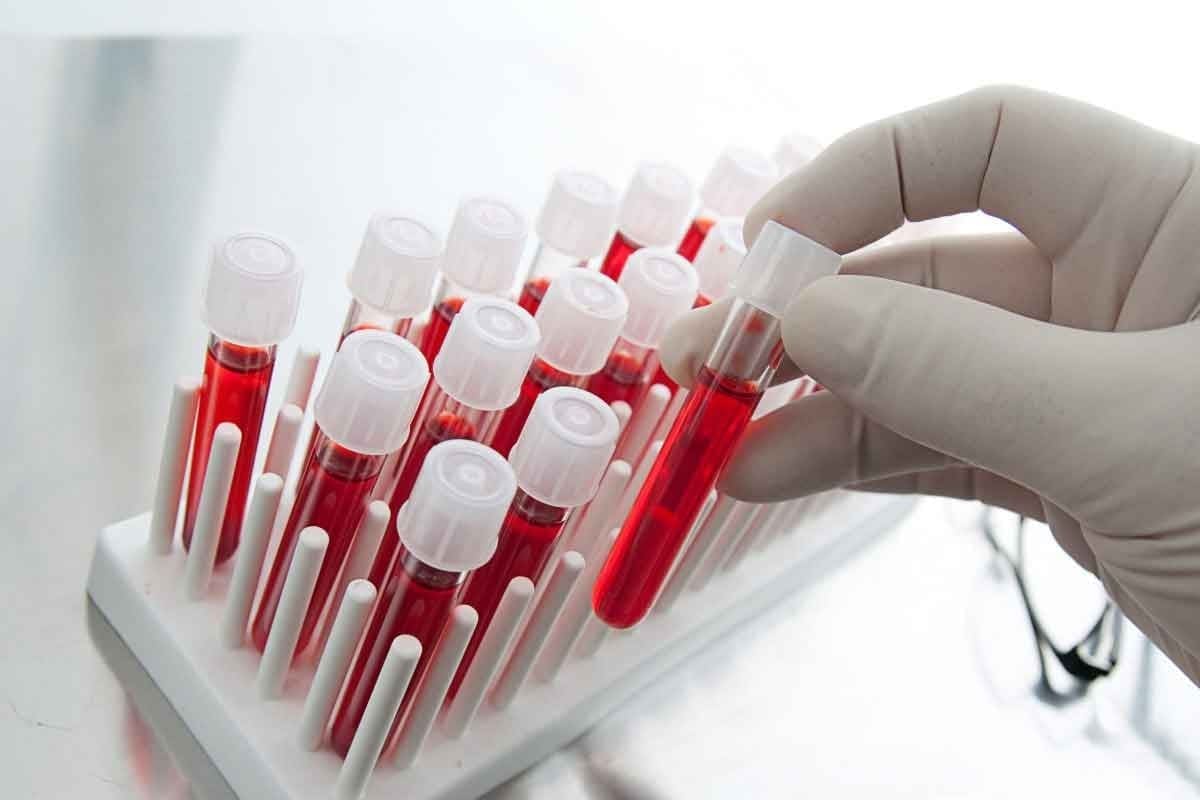
A CBC test evaluates both the quantity and quality of various blood cells.
A CBC test serves as a crucial diagnostic tool for identifying abnormalities in blood cells that could suggest the presence of leukemia.
In this article, we’ll help you understand CBC results related to leukemia diagnosis. We aim to make this tough journey clearer and more confident for you.
A guide to interpreting the specific cell count abnormalities found in a Leukemia cbc results child report for accurate diagnosis.
Key Takeaways
- A CBC test serves as a crucial diagnostic tool for identifying abnormalities in blood cells that could suggest the presence of leukemia.
- A CBC test serves as a crucial diagnostic tool for identifying abnormalities in blood cells that could suggest the presence of leukemia.
- Abnormal CBC results can lead to more tests to confirm leukemia.
- Early detection through CBC tests can greatly affect treatment and management of childhood leukemia.
- Parents should talk to their healthcare provider about their child’s CBC results to understand the implications.
Overview of Leukemia in Children

It’s important to know about leukemia in kids to catch it early. Leukemia is a common cancer in children. It affects the blood and bone marrow, causing abnormal white blood cells.
We’ll look at what leukemia is, its types, and symptoms in kids.
What is Leukemia?
Leukemia is a blood and bone marrow cancer. It makes too many white blood cells that don’t fight infections well. Childhood leukemia is mainly acute and chronic, with acute being more aggressive.
Common Types of Childhood Leukemia
Acute Lymphoblastic Leukemia (ALL) is the most common in kids, making up 80% of cases. It’s a fast-growing cancer of lymphoid cells. Acute Myeloid Leukemia (AML) is less common in kids but also serious. It affects myeloid cells and can grow quickly.
Knowing the types of leukemia helps doctors choose the right treatment. ALL is more common in kids, but AML needs a different treatment plan.
Symptoms to Look For
The symptoms of leukemia in kids can be hard to spot. They might look like other illnesses. Look for fever, tiredness, easy bruising, and bone pain.
Kids might also lose weight, have no appetite, or swollen lymph nodes. If your child shows several of these signs, see a doctor right away.
A CBC test serves as a crucial diagnostic tool for identifying abnormalities in blood cells that could suggest the presence of leukemia.
Importance of Complete Blood Count (CBC)
Diagnosing leukemia often starts with a simple yet critical test called the Complete Blood Count (CBC). This test is key to checking a patient’s health and spotting conditions like leukemia.
A CBC test serves as a crucial diagnostic tool for identifying abnormalities in blood cells that could suggest the presence of leukemia.
A CBC test evaluates both the quantity and quality of various blood cells. It checks white blood cells, red blood cells, and platelets. White blood cells fight infections, red blood cells carry oxygen, and platelets help blood clot. Doctors use this test to understand a patient’s health.
“A CBC is a critical first step in diagnosing many blood-related disorders, including leukemia, as it provides a snapshot of the blood’s cellular composition.” – Medical Expert
How CBC is Used in Diagnosing Leukemia
Doctors use the CBC test to spot abnormal blood cell counts when diagnosing leukemia. Here’s how CBC results can show leukemia:
- Abnormal white blood cell counts: Either too high or too low counts can be indicative of leukemia.
- Low red blood cell count: This can lead to anemia, a common condition in leukemia patients.
- Abnormal platelet levels: Too low or too high platelet counts can be a sign of leukemia.
| Blood Component | Normal Range | Abnormal Indication |
| White Blood Cells | 4,500 – 11,000 cells/μL | High or Low counts |
| Red Blood Cells | Male: 4.32-5.72 million cells/μL; Female: 3.90-5.03 million cells/μL | Low count (Anemia) |
| Platelets | 150,000 – 450,000 cells/μL | Low or High counts |
Healthcare providers use CBC results to figure out the next steps in diagnosing and treating leukemia.
Abnormal CBC Results Indicative of Leukemia
Abnormal CBC results can show if you have leukemia. It’s key to know what these results mean. A CBC test checks your blood’s red and white cells and platelets. It helps find leukemia by spotting blood abnormalities.
Low Red Blood Cell Counts
A low red blood cell count, or anemia, is common in leukemia patients. This happens when the bone marrow can’t make enough red blood cells. Symptoms include fatigue, weakness, and shortness of breath.
Understanding low red blood cell counts is vital for diagnosing and treating leukemia.
| Red Blood Cell Count | Normal Range | Indication |
| Low | 4.32-5.72 million cells/μL (men) | Anemia, potentially due to leukemia |
| Low | 3.90-5.03 million cells/μL (women) | Anemia, potentially due to leukemia |
High White Blood Cell Counts
Leukemia can also raise white blood cell counts. A high count can be a normal response to infection. But, if it stays high or shows immature white blood cells (blasts), it might be leukemia. It’s important to look at white blood cell counts with other symptoms and tests.
“The presence of blasts in the peripheral blood is a critical indicator of leukemia, necessitating further diagnostic evaluation.”
— Hematology Expert
Abnormal Platelet Levels
Leukemia can also affect platelet counts. Too few platelets can cause bruising and bleeding. Too many can increase the risk of blood clots. It’s key to understand these platelet issues to manage leukemia risks.
- Thrombocytopenia: Low platelet count, potentially leading to bleeding complications.
- Thrombocytosis: High platelet count, potentially increasing the risk of thrombosis.
Hemoglobin and Hematocrit Levels
Hemoglobin and hematocrit levels show how severe anemia is in leukemia patients. Low levels mean serious anemia and need quick medical help.
Understanding CBC results helps doctors see if you have leukemia and how severe it is. This guides further tests and treatments.
Other Diagnostic Tests Used Alongside CBC
To confirm leukemia, doctors use several tests. These include looking at the bone marrow, genetic material, and inside structures. A CBC gives initial info, but more tests help doctors understand the condition better.
Bone Marrow Biopsy
A bone marrow biopsy is a key test. It removes a bone marrow sample for examination. This helps doctors find leukemia cells, know the type, and how severe it is.
The biopsy is done by inserting a needle into the hip area. It’s done under sedation or local anesthesia to ease pain. The sample is then checked under a microscope for abnormal cells.
Genetic Testing
Genetic testing is important for diagnosing and understanding leukemia. It looks at the genetic material of leukemia cells. This helps doctors know the prognosis and choose the best treatment.
Genetic tests can also classify leukemia into subtypes. Some subtypes may respond better to treatment. Knowing this helps doctors tailor treatment to each child’s needs.
Imaging Tests
Imaging tests like chest X-rays and CT scans help see if leukemia has spread. They check if it’s in lymph nodes, spleen, or other organs. These tests show how far the disease has spread.
Imaging tests also find complications or related conditions. By combining these results with CBC, bone marrow biopsy, and genetic testing, doctors can create a detailed treatment plan.
Pediatric Risks and Factors Related to Leukemia
Research has found several risk factors for pediatric leukemia. These factors help us understand why leukemia happens in kids. Knowing them is key to spotting leukemia early and preventing it.
Genetic Predisposition
Genetics play a big role in leukemia in kids. Some genetic conditions, like Down syndrome, raise the risk. We’ll look into how genetics affect leukemia risk.
- Down Syndrome: Kids with Down syndrome face a higher risk of leukemia, like ALL or AML.
- Genetic Mutations: Certain genetic changes can up the leukemia risk. These can be passed down or caused by the environment.
- Family History: Having a family history of leukemia or cancer is a risk, though rare.
Environmental Factors
Environmental factors also play a big part in leukemia in kids. Things like ionizing radiation, chemicals, and other hazards raise the risk.
- Ionizing Radiation: High doses of ionizing radiation, from nuclear accidents or some medical treatments, increase leukemia risk.
- Chemical Exposures: Being exposed to chemicals like benzene can also raise leukemia risk.
- Pesticide Exposure: Some research links pesticide exposure to higher leukemia risk in kids.
Impact of Age and Gender
Age and gender can also affect leukemia risk in kids. We’ll see how these factors play a role.
- Age: Leukemia can happen at any age, but some types are more common in certain ages. For example, ALL is more common in kids under 5.
- Gender: Some studies suggest boys might have a slightly higher risk of leukemia than girls, but the difference is small.
Understanding these risk factors helps us spot kids at higher risk of leukemia. This allows for early action and better outcomes.
Interpretation of CBC Results with Leukemia
Understanding CBC results is key to spotting leukemia in kids. A Complete Blood Count (CBC) test shows details about blood parts like red and white cells, and platelets. Odd results in these areas might point to leukemia.
What Low Red Blood Cells Mean
Anemia, or low red blood cells, can hint at leukemia. Leukemia fills the bone marrow with abnormal cells, reducing normal red blood cells. This can lead to tiredness, weakness, and breathlessness. Anemia is common in kids with leukemia, so it’s important to check it out.
What High White Blood Cells Indicate
High white blood cell counts might mean leukemia too. Leukemia cells in the bone marrow and blood can raise white blood cell counts. This could mean the body is fighting an infection or disease, like leukemia. But, high counts can also mean other health issues, so more tests are needed to confirm leukemia.
Connecting Symptoms to CBC Results
Linking a child’s symptoms to their CBC results is key to diagnosing leukemia. For example, low red blood cells and tiredness might show leukemia affects red blood cell making. High white blood cells and fever could mean leukemia is weakening the immune system. By looking at CBC results and symptoms together, doctors can make a better diagnosis.
Getting the full picture of CBC results and leukemia needs a detailed look. By checking blood parts and matching them with symptoms, we learn a lot about leukemia. This info is vital for more tests and finding the right treatment.
How Doctors Diagnose Leukemia
Doctors use a multi-faceted approach to diagnose leukemia accurately. This process involves a combination of clinical evaluation, laboratory tests, and specialized expertise.
A CBC test evaluates both the quantity and quality of various blood cells.
A hematologist is a medical specialist who focuses on blood disorders, including leukemia. Their expertise is key in interpreting complex test results and finding the best treatment. Hematologists work with other healthcare professionals for a complete patient care approach.
Diagnostic Criteria for Diagnosis
Diagnosing leukemia requires specific criteria. Doctors look for abnormal results from a Complete Blood Count (CBC) test, specific genetic markers, and symptoms. A bone marrow biopsy is often used to confirm the diagnosis.
Importance of a Complete Evaluation
A complete evaluation is essential for accurate leukemia diagnosis. This includes CBC, bone marrow biopsy, medical history, and physical examination. A complete approach ensures all aspects of the patient’s condition are considered, leading to a precise diagnosis and effective treatment.
By combining clinical expertise with advanced diagnostic techniques, doctors can provide an accurate diagnosis. They then develop a tailored treatment strategy for patients with leukemia.
Monitoring Treatment and Follow-Up
Keeping an eye on how treatment is working is key in fighting childhood leukemia. We use regular tests to see if the treatment is effective. This helps us make any needed changes.
Tracking CBC Changes During Treatment
Complete Blood Count (CBC) tests are very important during leukemia treatment. They show us how the body is reacting to the treatment. Changes in CBC results can tell us if the leukemia is getting better or if we need to change the treatment.
For example, if white blood cell counts start to get closer to normal, it’s a good sign. But if abnormal cells keep showing up or get worse, it might mean we need to rethink the treatment plan.
Importance of Regular Blood Tests
Regular blood tests are essential for watching how leukemia treatment is going. These tests give us important info about the patient’s health. They help us:
- See if the treatment is working well
- Catch side effects early
- Decide if we need to change the treatment
By watching CBC results closely, we can make the treatment fit each child’s needs better. This helps them have the best chance of getting better.
Adjusting Treatment Based on CBC Results
CBC results help us make big decisions about treatment. For instance, if a child’s CBC shows they’re not responding well to treatment, we might change the chemotherapy. Or we might look into other treatment options.
| CBC Parameter | Normal Range | Indications for Leukemia |
| White Blood Cell Count | 4,500 – 13,500 cells/μL | Abnormally high or low counts |
| Red Blood Cell Count | 4.32 – 5.72 million cells/μL | Lower than normal (anemia) |
| Platelet Count | 150,000 – 450,000 cells/μL | Lower than normal (thrombocytopenia) |
Changing treatment based on CBC results helps us give each child the best care. This way, we can help them recover as much as possible.
Additional Considerations for Parents
The journey through leukemia diagnosis and treatment is tough for families. But, being informed can help a lot. As a parent, you are key in supporting your child through this tough time.
Understanding Treatment Options
Leukemia treatment changes based on the type and stage. Understanding your child’s treatment plan is key for making good care decisions. Talk to your healthcare provider about:
- The specific type of leukemia and its implications
- Treatment goals and possible outcomes
- Available treatment options, including clinical trials
- Potential side effects and how to manage them
Knowing these details can help you better support your child during treatment.
Communicating with Healthcare Providers
Talking well with your child’s healthcare team is very important. Don’t be shy to ask questions or share worries. Here are some tips for good communication:
- Prepare a list of questions before appointments
- Take notes during talks with healthcare providers
- Ask for clear explanations on anything you don’t get
- Bring a support person to appointments for extra help
Clear communication ensures you and your child get the best care.
Supporting Your Child Through Diagnosis
A leukemia diagnosis can be scary and confusing for kids. As a parent, your support and reassurance are very important. Here are ways to help your child cope:
- Keep open and honest talks about their diagnosis and treatment
- Let your child share their feelings and worries
- Help your child stay in touch with friends and family for support
- Make sure your child goes to school or does things they like, when they can
By being supportive and loving, you can help your child get through this hard time.
Resources and Support for Families
Families facing childhood leukemia don’t have to go it alone. Many resources are here to help. The diagnosis can feel overwhelming, affecting families emotionally, physically, and informationally. But, there are many ways to get through this tough time.
Support Groups for Childhood Leukemia
Support groups are key for emotional support and connection. They help families find others who share their experiences. You can find these groups at local hospitals, community centers, or online. Some top organizations include:
- The Leukemia & Lymphoma Society (LLS)
- CureSearch for Children’s Cancer
- Children’s Cancer and Blood Foundation
These groups offer a safe place to share, get advice, and find comfort. It’s a space where families can connect with others who truly get what they’re going through.
Educational Resources on Leukemia
It’s important for families to understand leukemia and its treatment. This knowledge helps them make informed decisions about their child’s care. There are many educational resources available, including:
| Resource | Description | Access |
| National Cancer Institute (NCI) | Comprehensive information on childhood leukemia, including treatment options and clinical trials. | |
| American Cancer Society (ACS) | Detailed guides on understanding leukemia, managing symptoms, and coping with treatment. |
Finding Local Health Services
Local health services are essential for ongoing care and support. Families can find these resources through their child’s healthcare provider or community health organizations. Look for services like:
- Pediatric oncology departments
- Supportive care services (e.g., counseling, nutritional advice)
- Rehabilitation services
By utilizing these resources, families can help ensure their child receives comprehensive and effective care. This care addresses their medical, emotional, and practical needs.
Conclusion: What to Take Away
It’s important to know how CBC results help in finding leukemia early. We’ve looked at leukemia’s types, symptoms, and how to test for it.
Key Insights from CBC Results
CBC results are key in spotting leukemia signs. They show low red blood cells, high white blood cells, and odd platelet counts. These signs, with other tests, help doctors diagnose leukemia correctly.
Early Detection and Intervention
Finding leukemia early and acting fast is key. Knowing about CBC results helps patients and families understand their diagnosis better. Quick medical action can greatly improve treatment results.
FAQ
Does leukemia show up in a CBC test?
Yes, leukemia can show up in a CBC test. This is seen in low red blood cell counts, high white blood cell counts, or abnormal platelet levels.
What are the symptoms of leukemia in children?
Symptoms of leukemia in kids include fatigue, pale skin, and recurring infections. They also might bruise easily and have bone pain.
How is leukemia diagnosed in children?
Doctors use a CBC test, bone marrow biopsy, genetic testing, and imaging tests to diagnose leukemia in kids.
What does a high white blood cell count indicate?
A high white blood cell count might mean leukemia or an infection. More tests are needed to find out.
A CBC test serves as a crucial diagnostic tool for identifying abnormalities in blood cells that could suggest the presence of leukemia.
A CBC test can hint at leukemia with abnormal blood cell counts. But, it’s not a sure sign. A bone marrow biopsy is needed to confirm.
What are the risk factors for pediatric leukemia?
Risk factors for pediatric leukemia include genetic predisposition, certain environmental exposures, and age.
How do doctors interpret CBC results for leukemia?
Doctors look at red and white blood cell counts and platelets in CBC results. They search for patterns that might suggest leukemia.
What is the role of a hematologist in diagnosing leukemia?
Hematologists specialize in blood disorders. They play a key role in diagnosing and managing leukemia. They interpret test results and plan treatments.
How is treatment for leukemia monitored?
Treatment for leukemia is tracked with regular CBC tests. These tests check blood cell counts to see if treatment is working.
What resources are available for families dealing with childhood leukemia?
Families can find support groups, educational resources, and local health services. These help cope with childhood leukemia diagnosis and treatment.
How can parents support their child through leukemia diagnosis and treatment?
Parents can support their child by learning about treatment options. They should communicate well with healthcare providers and offer emotional support.
What is the importance of early detection and intervention in leukemia?
Early detection and treatment are key for better outcomes in childhood leukemia. Timely care can greatly improve treatment effectiveness.
References
New England Journal of Medicine. Evidence-Based Medical Insight. Retrieved from https://www.nejm.org/doi/full/10.1056/NEJMra1400972
National Center for Biotechnology Information. Evidence-Based Medical Insight. Retrieved from https://www.ncbi.nlm.nih.gov/books/NBK611988/