Last Updated on December 1, 2025 by Bilal Hasdemir
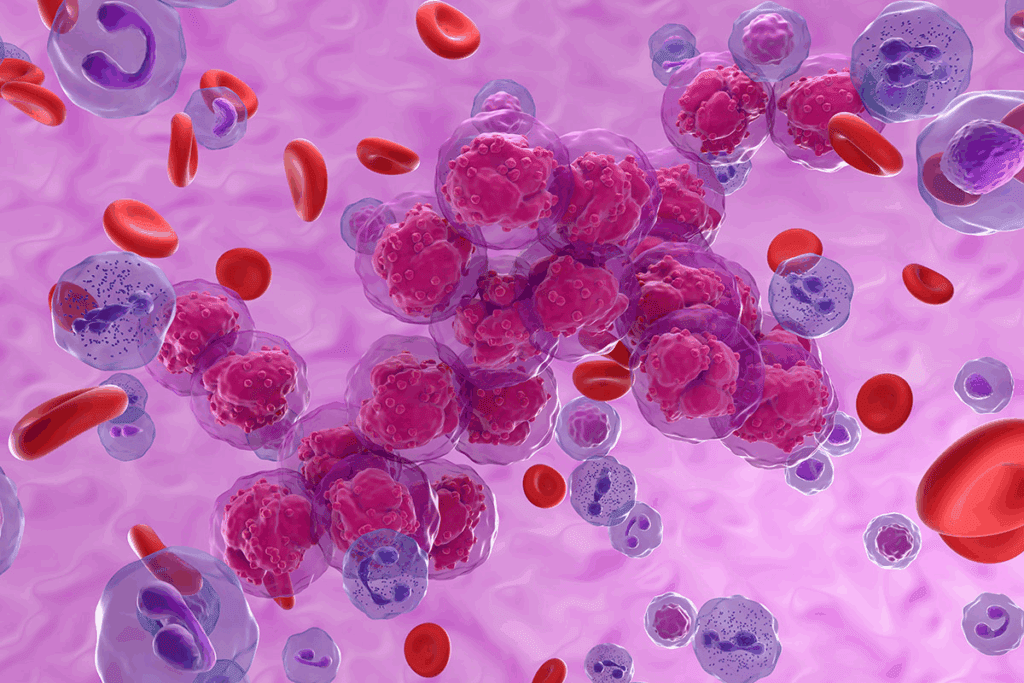
Every year, over 60,000 people in the United States are diagnosed with leukemia. Finding a “cure” for this disease is not simple. It depends on many things, like the type of leukemia, the patient’s age, and how well they respond to treatment. The current state of treatment and the increasing possibility of a Leukemia cure for children and adults.
Even though there’s no easy “cure” for leukemia, many people can live a long time without it coming back. The chance of successful treatment varies. It’s important to know the details of the disease and the treatment choices available.
Key Takeaways
- The concept of a “cure” for leukemia is complex and multifaceted.
- Factors such as the type of leukemia, patient’s age, and response to treatment influence the possibility of a cure.
- Many patients achieve long-term remission with appropriate treatment.
- Understanding the specifics of the disease is key for effective treatment.
- Various treatment options are available, and their success rates vary.
Understanding Leukemia: Types and Progression

Leukemia has many types, and understanding these differences is essential for selecting the right treatment. It’s divided into categories based on how fast it grows and which blood cells it affects.
The main difference is in how fast the disease grows. This splits leukemia into acute and chronic types. Acute leukemia grows fast and needs quick treatment. Chronic leukemia grows slower, giving more time for treatment.
Acute vs. Chronic Leukemia
Acute leukemia grows quickly, making it urgent to treat. It involves young blood cells that can cause serious problems if not treated fast. Chronic leukemia grows slower, with more mature blood cells.
Knowing if you have acute or chronic leukemia is key for treatment. Acute leukemia needs strong and quick action. Chronic leukemia might have different treatment options based on your health and disease stage.
Leukemia Classification by Cell Type
Leukemia is also split by the blood cells it affects. It’s mainly divided into lymphoid and myeloid types, from lymphoid and myeloid cells.
It’s important to know if your leukemia is lymphoid or myeloid for the best treatment. Lymphoid leukemias, like ALL, are common in kids. Myeloid leukemias, like AML, are more common in adults.
By classifying leukemia by growth rate and cell type, doctors can give a more accurate diagnosis. They can then tailor treatments to meet each patient’s needs.
Defining “Cure” in the Context of Leukemia
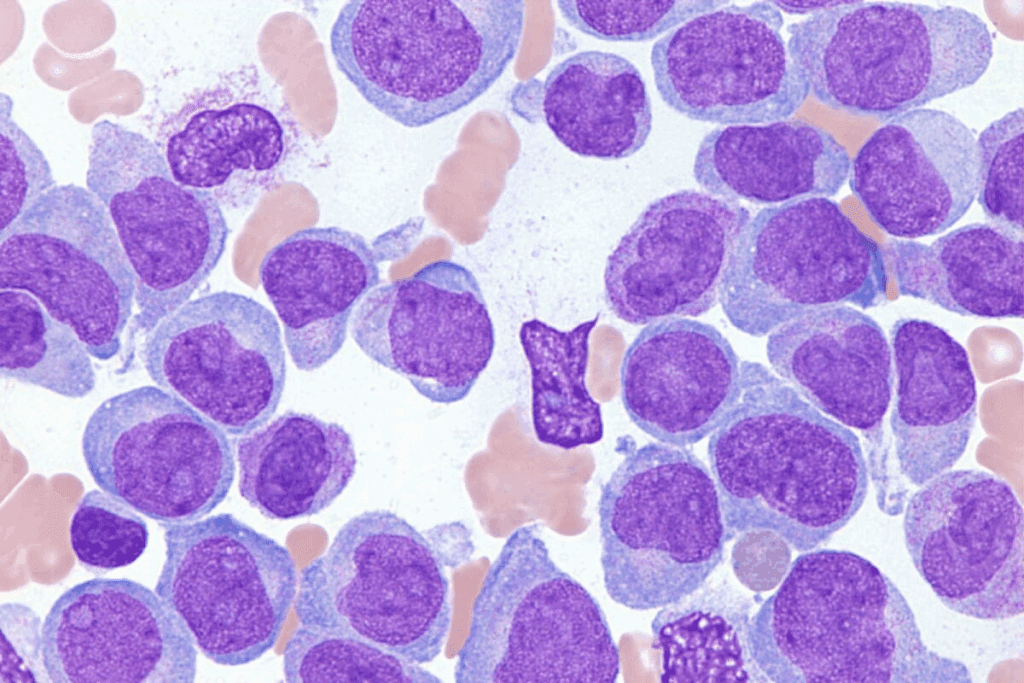
The term “cure” in leukemia treatment is complex. It involves many factors and definitions. Leukemia, a blood and bone marrow cancer, makes it hard to say when a patient is cured.
Traditionally, a cure meant no detectable disease. But this doesn’t always mean the patient is fully cured.
Complete Remission vs. Functional Cure
Complete remission means no leukemia cells are found in the body. This is often achieved through treatments like chemotherapy or bone marrow transplants. A functional cure means the body makes normal blood cells again and the patient feels better.
Even with complete remission, a functional cure is not guaranteed. Some patients might see the disease come back, often worse.
Long-term Remission as a Treatment Goal
Long-term remission is a key goal for leukemia patients. It means the disease stays controlled for a long time. This improves the patient’s life and chances of survival.
Many things affect long-term remission. These include the leukemia type, the patient’s health, and the treatment’s success. Targeted therapies and immunotherapies are promising. They aim to kill leukemia cells without harming healthy ones.
It’s important to understand the differences between complete remission, functional cure, and long-term remission. This helps manage expectations and make better treatment choices.
Leukemia Cure Success Rates by Type
Leukemia cure rates differ by type, with some being more treatable than others. The success of treatment depends on the leukemia type, the patient’s age, health, and how well they respond to treatment.
Acute Lymphoblastic Leukemia (ALL)
ALL is common in kids but can also affect adults. Cure rates for ALL have improved a lot thanks to new treatments, mainly for kids.
- Children with ALL have a cure rate of about 90%.
- Adults with ALL have a lower cure rate, ranging from 30% to 40%.
Acute Myeloid Leukemia (AML)
AML is more common in adults and has a poorer prognosis than ALL. Treatment outcomes have improved with new chemotherapy and targeted therapies.
- The overall cure rate for AML is around 40% in adults.
- Older adults have a lower cure rate due to comorbidities and reduced tolerance to intensive chemotherapy.
Chronic Lymphocytic Leukemia (CLL)
CLL is a slow-progressing leukemia that affects older adults. New treatments have significantly improved survival rates.
- CLL has a relatively high survival rate, with many patients living for 10-20 years or more after diagnosis.
- Targeted therapies have improved outcomes for CLL patients.
Chronic Myeloid Leukemia (CML)
CML is characterized by the presence of the Philadelphia chromosome. The introduction of tyrosine kinase inhibitors (TKIs) has revolutionized CML treatment.
- CML patients treated with TKIs have a significantly improved prognosis, with a 5-year survival rate of over 90%.
- Long-term remission is achievable for many CML patients.
In conclusion, leukemia cure success rates vary by type. ALL has the highest cure rate in children, while CML shows significant improvements with targeted therapies. Understanding these differences is key for managing patient expectations and guiding treatment decisions.
Childhood Leukemia Cure Rates and Outcomes
Childhood leukemia treatment has made great strides, bringing new hope and better cure rates for young patients. Leukemia is a serious cancer that affects the blood and bone marrow. Thanks to medical research, children’s outcomes have greatly improved.
Why Children Often Have Better Outcomes
Children with leukemia often have better chances of recovery than adults. Several reasons explain this:
- Biological differences: The leukemia types in children are more treatable.
- Overall health: Kids usually have fewer health problems, making them stronger against tough treatments.
- Treatment protocols: Pediatric treatments are very specific, using intense chemotherapy that matches the child’s leukemia type.
Long-term Survival Statistics for Pediatric Leukemia
Survival rates for children with leukemia have soared in recent years. Here are some key statistics:
- The five-year survival rate for Acute Lymphoblastic Leukemia (ALL) in kids is over 90%.
- Acute Myeloid Leukemia (AML) survival rates have also risen, with a five-year survival rate of 60-70% in children.
These improvements come from ongoing research and better treatment plans. The rise in pediatric leukemia survival rates shows how effective modern medicine is against this complex disease.
Knowing leukemia cure statistics helps us see how well treatments work. It also guides future research. With each step forward, the future looks brighter for kids with leukemia.
Standard Treatments for Curing Leukemia
It’s important for patients and doctors to know about leukemia treatments. These treatments have changed a lot. Now, there are many options based on the type and stage of the disease.
Chemotherapy Protocols and Effectiveness
Chemotherapy is a key part of treating leukemia. It uses strong drugs to kill cancer cells. How well it works depends on the leukemia type and the patient’s health.
Chemotherapy protocols aim to kill leukemia cells hard. They often use more than one drug at a time. For example, treating Acute Lymphoblastic Leukemia (ALL) involves several phases of chemotherapy.
| Type of Leukemia | Chemotherapy Protocol | Effectiveness |
| Acute Lymphoblastic Leukemia (ALL) | Multi-phase chemotherapy | High remission rates, mostly in children |
| Acute Myeloid Leukemia (AML) | Induction and consolidation chemotherapy | Varies, based on genetic factors |
| Chronic Lymphocytic Leukemia (CLL) | Often starts with targeted therapy, may include chemotherapy | Works well in managing the disease |
Radiation Therapy Applications
Radiation therapy kills leukemia cells or stops them from growing. It’s not the first choice for leukemia but works in some cases. For example, it helps before a bone marrow transplant or treats leukemia in the brain.
Radiation therapy can target specific areas or the whole body for a transplant. The choice depends on the leukemia type and treatment goals.
Targeted Therapy Approaches
Targeted therapy is a big step forward in treating leukemia. It focuses on specific molecules that help leukemia cells grow. This method can be more effective and cause fewer side effects than traditional chemotherapy.
Targeted therapies include drugs like tyrosine kinase inhibitors (TKIs) for Chronic Myeloid Leukemia (CML). They target specific genetic mutations. These therapies can greatly improve outcomes for some leukemia patients.
Bone Marrow Transplant for Leukemia Cure
Bone marrow transplantation is a key treatment for leukemia. It can cure the disease. The process replaces the patient’s sick bone marrow with healthy marrow, from themselves or a donor.
Types of Bone Marrow Transplants
There are two main types of bone marrow transplants: allogeneic and autologous. Allogeneic transplants use marrow from a donor, like a relative or an unrelated match. This transplant not only replaces the marrow but also adds the donor’s immune cells to fight leukemia.
Autologous transplants use the patient’s own marrow. First, the marrow is taken out, treated to remove cancer cells, and then put back in. This type avoids GVHD but might reinfuse cancer cells.
| Transplant Type | Donor Source | Advantages | Disadvantages |
| Allogeneic | Relative or matched donor | Graft-versus-leukemia effect, lower risk of cancer cell reinfusion | Risk of GVHD, donor availability |
| Autologous | Patient’s own marrow | No risk of GVHD, quicker recovery | Risk of reinfusing cancer cells |
Finding Compatible Donors
For allogeneic transplants, finding a compatible donor is key. Tissue typing matches the patient’s HLA with donors. The chance of finding a match varies by ethnicity.
“The chance of finding an HLA-matched sibling donor ranges from about 25% to 35% among different ethnic groups.”
Unrelated donors are also an option, thanks to global registries. But finding a match can take a long time.
Post-Transplant Recovery and Success Factors
Recovery from a bone marrow transplant takes a long time. Patients are at risk for infections and GVHD with allogeneic transplants. Success depends on the patient’s age, health, leukemia stage, and HLA match.
Thanks to new techniques and care, survival rates have improved. Watching for relapse and managing complications are important after transplant.
Immunotherapy: Revolutionary Approaches to Leukemia Cure
Immunotherapy is changing how we treat leukemia. It uses the immune system to fight cancer. This method has shown great promise in treating different types of leukemia.
CAR T-Cell Therapy Breakthroughs
CAR T-cell therapy is a type of immunotherapy. It changes a patient’s T-cells to attack cancer cells. This therapy has been very successful in treating Acute Lymphoblastic Leukemia (ALL).
The process involves several steps:
- Extracting T-cells from the patient’s blood
- Genetically modifying these T-cells to produce a chimeric antigen receptor (CAR) that targets leukemia cells
- Expanding the modified T-cells
- Infusing the CAR T-cells back into the patient
Key benefits of CAR T-cell therapy include:
- High response rates in patients with relapsed or refractory leukemia
- Potential for long-term remission
- Targeted approach that reduces harm to healthy cells
Monoclonal Antibodies in Leukemia Treatment
Monoclonal antibodies are also effective in treating leukemia. These antibodies target specific proteins on leukemia cells. This makes them easier for the immune system to destroy.
Monoclonal antibodies offer several advantages:
- They can be used in combination with other therapies to enhance effectiveness
- They have a relatively favorable side effect profile compared to traditional chemotherapy
- They can target specific subtypes of leukemia, providing a more personalized treatment approach
Examples of monoclonal antibodies used in leukemia treatment include rituximab and obinutuzumab. These antibodies target the CD20 protein on B-cells. They have improved outcomes for patients with certain types of leukemia.
In conclusion, immunotherapy, including CAR T-cell therapy and monoclonal antibodies, is greatly improving leukemia treatment. These therapies offer new hope, mainly for patients with relapsed or refractory disease.
Factors Affecting Leukemia Curability
It’s important to know what affects leukemia curability. This knowledge helps both patients and doctors. The chance of a cure changes a lot from person to person.
Age and Overall Health
Age is a big factor in beating leukemia. Kids and young adults usually do better than older people. This is because they often have fewer health problems and respond better to treatment. Overall health matters too. People with fewer health issues can handle stronger treatments.
- Children and young adults often have higher cure rates.
- Older adults may face additional health challenges.
- Presence of comorbidities can complicate treatment.
Genetic and Cytogenetic Factors
Genetics and cytogenetics play a big role in how well leukemia can be treated. Some genetic changes make the disease easier to fight. For example, certain chromosomal changes can mean a better outlook.
Tests like cytogenetic analysis help find these genetic clues. Advanced diagnostic techniques have made it easier to understand leukemia’s genetic makeup.
Response to Initial Treatment
How well you respond to the first treatment is key. Quick and complete remission means better chances of long-term success. The first treatment sets the stage for what comes next.
- Rapid response to treatment is associated with better outcomes.
- Slow or inadequate response may require treatment adjustments.
- Monitoring response helps guide further treatment decisions.
Access to Specialized Care
Getting care from experts can make a big difference. Places that specialize in leukemia often have better results. They have teams with the latest knowledge and treatments.
People who get care from these places usually live longer and have a better life. Making sure you get specialized care is key to managing leukemia well.
Managing Leukemia Relapse and Second-Line Treatments
Managing leukemia relapse needs a full plan, including finding, watching, and the right treatments. Leukemia comes back after first treatment, which is a big challenge for patients and doctors.
Detection and Monitoring for Recurrence
Finding leukemia early is key to managing it well. Blood tests and bone marrow biopsies help spot relapse early. New tests like molecular testing and flow cytometry help find small disease leftovers, leading to quick action.
Treatment Options After Relapse
When relapse is found, treatment plans change based on many things. Second-line treatments might include chemotherapy, targeted therapy, or immunotherapy. Sometimes, a bone marrow transplant is considered, which could cure the disease.
The right second-line treatment depends on how long the first treatment worked, how well the patient responded, and genetic changes. CAR T-cell therapy and other immunotherapies are showing promise, giving patients new hope.
It’s important for patients to know about their treatment options and what they might achieve. Working with their healthcare team, patients can make the best choices for their care. This helps them get remission again.
Latest Research and Advances in Leukemia Cure
The search for a leukemia cure is making great strides. New research and technology are leading the way. We’ve seen big leaps in understanding the disease, making treatments more effective and precise.
Precision Medicine Approaches
Precision medicine is changing how we treat leukemia. It tailors treatments to each patient’s genes. This method targets cancer cells better and protects healthy tissues.
Precision medicine uses genetic tests to find the cancer’s cause. Doctors then choose the best treatment for each patient.
This approach is a game-changer. It adapts to each patient’s unique leukemia. This has led to better results and fewer relapses.
Gene Therapy Developments
Gene therapy is a new and exciting area in leukemia treatment. It changes a patient’s genes to fight cancer. CAR T-cell therapy, a type of gene therapy, has been very successful in treating some leukemias.
Scientists are always improving gene therapy. They’re working on making it more effective and safer. New gene editing technologies are being tested in clinical trials.
Clinical Trials and Emerging Treatments
Clinical trials are key to improving leukemia treatment. They test new treatments and combinations. Emerging treatments include targeted therapies, immunotherapies, and new regimens.
Joining clinical trials can give patients access to new treatments. It also helps us learn more about leukemia. As research grows, so does our hope for better treatments.
Conclusion: The Future of Leukemia Treatment and Cure
Leukemia treatment has seen big changes, giving patients new hope. New methods like chemotherapy, targeted therapy, and immunotherapy have boosted cure rates. Now, some leukemia types have high cure rates.
New treatments like CAR T-cell therapy and gene therapy are changing the game. They offer fresh ways to fight leukemia. Research and clinical trials keep pushing forward, aiming to cure leukemia completely.
Even with progress, more research is needed to keep improving treatments. The future looks bright for leukemia treatment. New, precise methods and therapies are on the horizon, promising better outcomes for patients.
FAQ
Can leukemia be treated successfully?
Yes, leukemia can be treated successfully. The chances of a cure depend on several factors. These include the type of leukemia, age, overall health, and how well the body responds to treatment.
Is leukemia curable?
Leukemia can be curable, but the chances vary. Some types, like Acute Lymphoblastic Leukemia (ALL) in children, have high cure rates. Others, like Chronic Lymphocytic Leukemia (CLL), may need ongoing management.
What are the cure success rates for different types of leukemia?
Cure success rates differ by leukemia type. For example, ALL in children has a cure rate of about 90%. Acute Myeloid Leukemia (AML) in adults has a lower cure rate, between 40% to 50%. CLL and Chronic Myeloid Leukemia (CML) often need ongoing treatment, but new therapies have improved outcomes.
How does childhood leukemia compare to adult leukemia in terms of cure rates?
Childhood leukemia, like ALL, has higher cure rates than adult leukemia. Advances in pediatric oncology have greatly improved treatment outcomes for kids.
What are the standard treatments used for curing leukemia?
Standard treatments include chemotherapy, radiation therapy, targeted therapy, and bone marrow transplantation. The choice depends on the leukemia type and stage, as well as the patient’s health.
How does bone marrow transplantation contribute to curing leukemia?
Bone marrow transplantation can cure leukemia by replacing the bone marrow with healthy cells. Allogeneic transplants, using donor cells, can also help fight cancer cells.
What is the role of immunotherapy in treating leukemia?
Immunotherapy, like CAR T-cell therapy and monoclonal antibodies, has changed leukemia treatment. It uses the immune system to target and destroy cancer cells, showing great promise in improving outcomes.
What factors influence the curability of leukemia?
Several factors affect leukemia curability. These include age, overall health, genetic and cytogenetic factors, initial treatment response, and access to specialized care. Understanding these helps tailor treatments to each patient.
How is leukemia relapse managed, and what are the treatment options after relapse?
Leukemia relapse is managed by detecting and monitoring recurrence. Second-line treatments include alternative chemotherapy, targeted therapies, or immunotherapies. The choice depends on previous treatments and the patient’s condition.
What are the latest research and advances in leukemia cure?
Research in leukemia includes precision medicine, gene therapy, and clinical trials of new treatments. These aim to improve cure rates, reduce side effects, and enhance patient outcomes.
Can leukemia be completely cured?
While some leukemia cases can be completely cured, others may need ongoing management. The chance of a cure depends on the leukemia type and individual patient factors.
What is the significance of long-term remission in leukemia treatment?
Long-term remission is a key goal in leukemia treatment. It means the disease is controlled. Achieving long-term remission can be seen as a functional cure, allowing patients to live with low risk of relapse.
Are there any emerging treatments that could improve leukemia cure rates?
New treatments like precision medicine and gene therapy could improve cure rates. Ongoing clinical trials are testing their safety and effectiveness.
References
- Waghorn, K. P., & Perry, J. A. (2025). Acute Myeloid Leukemia: 2025 Update on Diagnosis, Risk Stratification, and Treatment. Hematology Reports, 15(3), 435-455. https://pmc.ncbi.nlm.nih.gov/articles/PMC11966364/