
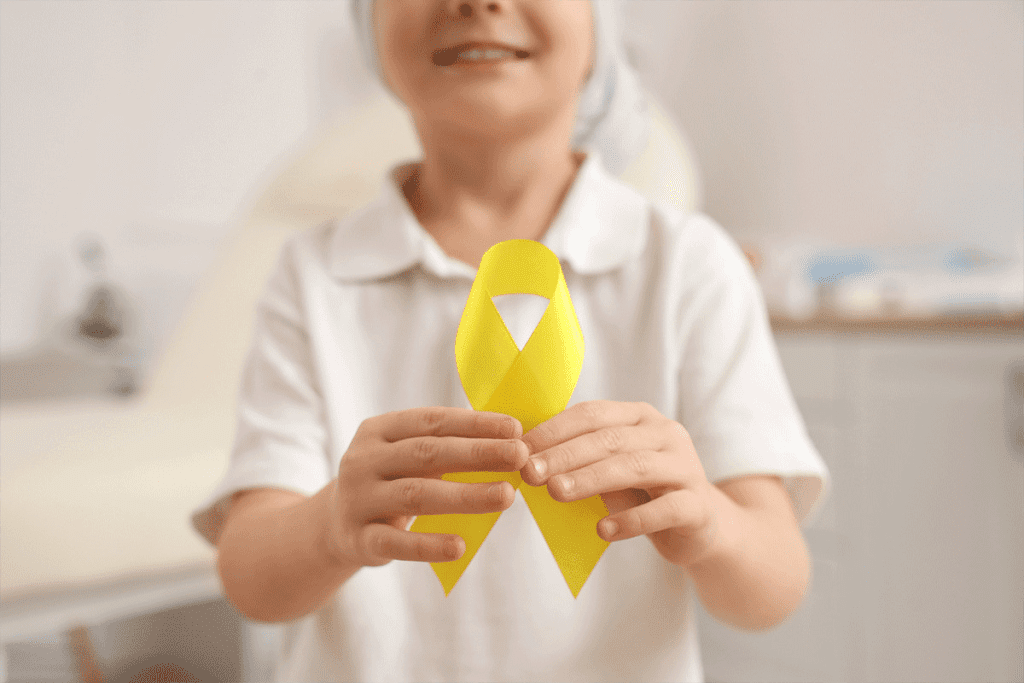
Recent studies show that childhood cancer survivors have a shorter life expectancy than the general population, though this gap continues to narrow thanks to advances in treatments and protocols. Pediatric cancer treatments have improved dramatically, with more than 80% of children now living five years or more post-diagnosis. However, survivors still face risks of reduced life expectancy and earlier onset of health problems. Specifically, in leukemia, survival rates vary by age and type. For instance, five-year survival rates for acute lymphoblastic leukemia (ALL), common in children, have risen to about 94%, while survival rates for acute myeloid leukemia (AML) also show significant improvement, although historically more challenging to treat. These evolving statistics highlight the importance of continued progress in pediatric cancer care and provide insight into the leukemia survival rate by age.
Key Takeaways
- Childhood cancer survivors have a shorter life expectancy compared to the general population.
- Improved treatments and protocols are narrowing the life expectancy gap.
- Over 80% of children with cancer now live five years or more after diagnosis.
- Survivors face significant risks for shortened life expectancy and earlier health conditions.
- Advances in pediatric cancer treatment have improved survival rates.
The Landscape of Childhood Cancer Survivorship
Treatment for childhood cancer is getting better, leading to more survivors. Now, over 80% of kids with cancer live five years or more after being diagnosed.
Current Survival Statistics
Medical science has made big strides in treating childhood cancer. Survival rates have improved a lot. Now, we focus more on survivors’ long-term health and happiness.
Definition of Cancer Survivorship
Cancer survivorship means the time from diagnosis until someone dies. For kids who beat cancer, this is a journey filled with many challenges.
The Growing Population of Childhood Cancer Survivors
More kids are beating cancer, which is both good and tough. This growth means we need special care and support for them. They face unique challenges.

What is the life expectancy of a childhood cancer survivor?
Medical treatments for childhood cancer keep getting better. It’s key to know how long these patients can live. They face many challenges, like getting other cancers, heart disease, and health problems later on.

Statistical Overview of Life Expectancy Reduction
Research shows that kids who beat cancer live less than others. In the 1970s, they lived 16.5 years fewer than their friends. But by the 1990s, this gap dropped to 9.2 years. This shows how treatments have improved.
Many things affect how long they live, like the type of cancer and how it was treated. Knowing these helps doctors find ways to help them live longer.
Mortality Rates Among Five-Year Survivors
Even five-year survivors of childhood cancer face a big risk of dying early. They might get the cancer back, other cancers, or heart problems.
Looking at who’s at higher risk helps doctors plan better care. This way, they can help these kids live longer and healthier lives.
By studying life expectancy and death rates, doctors can do more for childhood cancer survivors. This helps improve their quality of life and how long they live.
Historical Trends in Childhood Cancer Survival and Longevity
Starting in the 1970s, how we treat childhood cancer has changed a lot. This change has led to better survival rates. New medical technology, treatment methods, and care for patients have all helped.
Evolution of Treatment Protocols
Childhood cancer treatment has moved from mainly surgery to a mix of chemotherapy, radiation, and targeted therapy. Advances in chemotherapy have made drugs more effective and less harmful. Also, better radiation therapy techniques now target cancer cells more precisely, protecting healthy tissues.
Narrowing the Life Expectancy Gap
Childhood cancer survivors used to live shorter lives than others. But thanks to better treatments and care, this gap is getting smaller. Long-term follow-up guidelines help catch and manage late effects of cancer treatment early.
Factors Contributing to Improved Survival Rates
Several things have helped childhood cancer patients live longer. Early detection and diagnosis are key. So are there better treatment options and care. Also, joining clinical trials has helped find more effective treatments.
These changes have greatly increased survival rates and closed the life expectancy gap. As treatments keep getting better, survivors’ quality of life will likely improve even more.
Long-Term Health Risks Affecting Life Expectancy
Long-term health risks are a big deal for kids who have had cancer. Thanks to better treatments, more kids are living longer. But these treatments can also cause lasting health problems.
Secondary Cancers: Incidence and Impact
One big worry for kids who beat cancer is getting new cancers. Treatments like radiation and chemo save lives but can lead to more cancers. This raises the risk of getting secondary cancers, which can cut down on life expectancy.
Cardiovascular Disease in Childhood Cancer Survivors
Heart disease is another big concern for these kids. Some chemo and radiation can harm the heart. This can lead to heart failure and other heart problems, affecting life expectancy.
The 6.2 Times Higher Risk of Serious Health Conditions
Childhood cancer survivors face a 6.2 times higher risk of serious health issues within 10 years. This highlights the importance of regular check-ups and care to manage these risks and improve life expectancy.
It’s key to understand these risks to create better care plans for these kids. This can help improve their quality of life and how long they live.
Childhood Leukemia: Survival Rates and Life Expectancy
Thanks to research and better treatments, kids with leukemia are living longer. Leukemia is a cancer that affects the blood and bone marrow. It’s the most common cancer in kids. Medical science has made big strides in treating it, improving survival rates and life expectancy.
Acute Lymphoblastic Leukemia (ALL) Long-Term Outcomes
ALL is the most common type of childhood leukemia, making up about 80% of cases. ALL treatment has seen significant advancements, with survival rates over 90% in many countries. Thanks to risk-stratified treatment protocols and better care, kids with ALL have a good chance of long-term survival, even into adulthood.
Acute Myeloid Leukemia (AML) Survival Trajectories
AML is less common but harder to treat than ALL. AML survival rates have improved with more intense chemotherapy and better stem cell transplants. Research on PubMed Central shows progress in AML treatment, though it’s a complex condition with varied outcomes.
Childhood Leukemia Survival Rate by Age
The leukemia survival rate by age is an essential factor in predicting long-term outcomes for childhood leukemia patients. Leukemia survival rate by age shows that younger children, particularly those diagnosed between the ages of 1 and 4, often have higher survival rates. The leukemia survival rate by age also suggests that children diagnosed at older ages might face more challenges in treatment. These insights into leukemia survival rate by age help doctors personalize care, giving better chances of survival to those diagnosed at an early age.
Leukemia Survival Rate by Age and Treatment Response
The leukemia survival rate by age is a crucial element in determining treatment strategies. Younger children typically respond better to leukemia treatments, which improves their overall leukemia survival rate by age. On the other hand, adolescents or children over the age of 10 may experience a lower leukemia survival rate by age, particularly if the leukemia is more aggressive. This underscores the importance of tailoring treatment based on the leukemia survival rate by age.
Leukemia Survival Rate by Age: What Factors Affect It?
The leukemia survival rate by age is not only influenced by the age at diagnosis but also by the type of leukemia, the risk classification, and the advancements in treatment. With leukemia survival rate by age information, medical professionals are better equipped to design risk-specific protocols that have been shown to improve outcomes for children diagnosed with leukemia.
Leukemia Survival Rate by Age and Risk Stratification
The leukemia survival rate by age often correlates with risk stratification. For example, children diagnosed with acute lymphoblastic leukemia (ALL) at ages 1 to 4 often fall into a low-risk category, which has a direct impact on the leukemia survival rate by age. This stratification helps to predict the most effective course of treatment and is linked to better survival outcomes based on leukemia survival rate by age.
Life Expectancy After Leukemia Treatment
Life expectancy after leukemia treatment has increased, with many survivors living into adulthood. But, survivors may face late effects like secondary cancers and heart problems. Long-term follow-up care is key to managing these risks and ensuring survivors’ well-being.
Lymphoma and Other Childhood Cancers: Long-Term Survival
It’s important to know how long kids can live with cancer, like lymphoma. Thanks to new treatments, kids’ chances of beating cancer are getting better.
Hodgkin Lymphoma Survival Rate by Age
Hodgkin lymphoma is common in kids. The chances of survival change with age. Younger kids usually do better.
Studies show that kids between 10 and 14 years old have a better chance of surviving Hodgkin lymphoma than others.
Non-Hodgkin Lymphoma Long-Term Outcomes
Non-Hodgkin lymphoma also affects kids. Thanks to better treatments, more kids are living longer. The survival rate depends on the type of lymphoma and how well it responds to treatment.
Solid Tumours: Varying Life Expectancy Patterns
Solid tumours, like neuroblastoma and Wilms’ tumour, have different survival chances. The outcome depends on when the cancer is found, the type of tumour, and how well it responds to treatment.
Early detection and new treatments have helped more kids survive these cancers.
Rare Childhood Cancers and Their Long-Term Impact
Rare cancers in kids are hard to treat because they’re not common. Scientists are working hard to find better ways to diagnose and treat them. They also study how these cancers affect kids’ lives long-term.
Surviving cancer as a kid is complex. It depends on many things, like age, type of cancer, and treatment. More research and care are needed to help these young patients.
Treatment Modalities and Their Impact on Longevity
The treatments for childhood cancer greatly affect how long and well survivors live. The choice of treatment depends on many things. These include the cancer type and stage, the child’s age, and their overall health.
Life Expectancy After Chemotherapy
Chemotherapy is key in fighting childhood cancer. It has greatly raised survival chances. Yet, it can also harm survivors’ health and life span in the long run.
Research shows that chemotherapy might raise the risk of getting other cancers and heart problems. It can also lead to other health issues.
Radiation Therapy and Long-Term Health Consequences
Radiation therapy is also vital in treating childhood cancer. But it can cause lasting health problems. These include a higher risk of getting other cancers and organ damage.
The effects of radiation on life expectancy depend on the dose and where it’s applied.
Surgical Interventions and Quality of Life
Surgery is important for treating some childhood cancers, like solid tumours. It can cure the cancer but also cause lasting effects. These effects can affect survivors’ quality of life.
Thanks to new surgical methods, these effects are lessening. This has improved survivors’ outcomes.
Modern Treatment Approaches Designed to Preserve Longevity
New treatments aim to lessen the long-term effects of cancer therapy. They also aim to keep or boost survival rates. These include personalized medicine, targeted therapies, and proton radiation therapy.
These advancements are key to keeping childhood cancer survivors healthy and happy for a long time.
Comprehensive Survivorship Care: Extending Life Expectancy
Comprehensive survivorship care is key to improving life expectancy and quality of life for childhood cancer survivors. Medical treatments have evolved, focusing on thriving after cancer, not just surviving it. This care includes various services tailored to meet survivors’ unique needs.
Long-Term Follow-Up Guidelines
Long-term follow-up guidelines are vital in survivorship care. They ensure survivors get the right monitoring and treatments for late effects of cancer treatment. The Children’s Oncology Group (COG) has set these guidelines as a standard for care.
Screening Protocols for Early Detection of Late Effects
Screening protocols are key for catching late effects early. This can greatly affect a survivor’s life expectancy. Regular checks can spot issues like secondary cancers and heart disease early, making them easier to manage.
Preventive Strategies to Maximize Life Expectancy
Preventive strategies are essential for maximizing life expectancy in survivors. This includes eating well, exercising regularly, and avoiding tobacco. Preventive measures for specific late effects, like osteoporosis or heart disease, are also recommended based on treatment history.
The Role of Specialized Survivorship Clinics
Specialized survivorship clinics offer a team-based approach to care. They have a multidisciplinary team ready to address survivors’ complex needs. This coordinated care improves long-term outcomes.
In summary, survivorship care is vital for extending life expectancy in childhood cancer survivors. By following long-term guidelines, screening, preventive strategies, and using specialized clinics, healthcare providers can greatly enhance survivors’ quality of life and longevity.
Quality of Life Considerations for Long-Term Survivors
Medical treatments for childhood cancer have improved a lot. Now, we focus on improving the quality of life for long-term survivors. Surviving childhood cancer is a long journey. It’s not just about the treatment but also about long-term health issues.
Physical Health and Functional Status
Long-term survivors of childhood cancer often face health problems. These include heart disease, new cancers, and hormone issues. These problems can really affect their physical health and how well they can function.
For example, survivors might have chronic health issues. These can make it hard for them to do everyday things. Regular check-ups are key to managing these problems well.
Psychosocial Well-being and Its Impact on Longevity
The mental health of long-term survivors is very important. They might deal with anxiety, depression, and PTSD. These issues can really affect their mental health and overall well-being.
Support from family, friends, and mental health experts is very important. It helps survivors deal with these challenges.
Educational and Vocational Outcomes
Childhood cancer survivors might find it hard in school and work. Treatment can cause problems with memory and focus. This can affect their school performance and job choices.
They might also face unfair treatment at work. Getting the right education and job support is key to helping them reach their goals.
Social Integration and Support Systems
Having a strong support network is very important for survivors. Those with good support tend to do better mentally and physically. Being part of support groups can help survivors feel connected and supported.
Conclusion: Advancing Care for Childhood Cancer Survivors
Thanks to new treatments, more kids with cancer are living longer. But these survivors often face health issues that affect their daily lives and future.
To help them live better, we need to improve their care. This means creating detailed care plans, encouraging healthy habits, and making sure they get the right follow-up care.
By focusing on better care, we can lower the risks of long-term health problems. This will help these survivors live fuller, longer lives. It’s a step towards a brighter future for them.
FAQ
What is the average life expectancy for a childhood cancer survivor?
The life expectancy for a childhood cancer survivor depends on the cancer type and treatment. While survival rates have improved, survivors may face health risks that affect their life span.
How has the life expectancy of childhood cancer survivors changed over the decades?
Treatment advances in the 1970s have greatly improved survival rates. More survivors now live into adulthood, closing the life expectancy gap.
What are the long-term health risks affecting life expectancy among childhood cancer survivors?
Survivors face risks of secondary cancers, heart disease, and other serious conditions. These risks vary based on cancer type, treatment, and other factors.
What is the survival rate for childhood leukemia, and how does it vary by age?
Survival rates for childhood leukemia have significantly improved. Acute Lymphoblastic Leukemia (ALL) has a higher rate than Acute Myeloid Leukemia (AML). Younger children generally have better outcomes.
How does treatment impact the life expectancy of childhood cancer survivors?
Treatment can lead to long-term health issues affecting life expectancy. Modern treatments aim to minimize risks while preserving longevity.
What is the importance of compassionate survivorship care in extending life expectancy?
Survivorship care, including follow-up and preventive measures, is key to maximizing life expectancy. Specialized clinics play a vital role in providing this care.
How does the quality of life impact the life expectancy of long-term survivors of childhood cancer?
Quality of life, including physical and mental health, education, and social integration, affects life expectancy. Addressing these factors is essential for overall health.
Can cancer develop in a short period, such as 3 years, after a diagnosis?
Yes, secondary cancers can develop quickly after diagnosis. Ongoing monitoring and follow-up care are necessary.
What is the life expectancy after chemotherapy for childhood cancer?
Life expectancy after chemotherapy varies by cancer type and treatment. While chemotherapy improves survival, it can also lead to long-term health issues.
How long can someone live with leukemia if left untreated?
Untreated leukemia progresses rapidly, leading to a short life expectancy. Prompt treatment is critical to improve survival chances.
References
- Children’s Oncology Group. (2018). COG Long-Term Follow-Up Guidelines for Survivors of Childhood, Adolescent, and Young Adult Cancers. Retrieved from https://www.asco.org/survivorship-guidelines



 Departments
 Related Videos
 Our Doctors
 News
News