Last Updated on November 13, 2025 by
Can a child have cancer with normal blood work? Learn about leukemia symptoms in kids and the dangerous possibility of subtle signs.
As a parent, the idea of your child having cancer is scary. But it’s important to know that children can get cancer, like leukemia, even if their blood work looks normal. At livhospital.com, we stress how important it is to catch cancer early in kids.
MSK Kids says kids and young adults with leukemia have a better chance of winning if they get diagnosed and treated fast. This shows how vital it is to understand how doctors find and treat cancer.
It’s key to remember that normal blood tests don’t mean a child can’t have cancer. We’ll look into how normal blood tests and leukemia are connected. This will help you spot the signs and understand how doctors diagnose it.
Key Takeaways
- Children can have leukemia even with normal blood work results.
- Early diagnosis and treatment are key to beating leukemia.
- Normal blood work doesn’t mean a child can’t have cancer.
- Knowing the leukemia symptoms is important for parents.
- Being aware of cancer signs is essential for early detection.
Understanding Childhood Cancer and Blood Work
Blood tests are key in finding childhood cancers like leukemia. At MSK Kids, we quickly and thoroughly check for symptoms. We look at blood counts for any abnormal cells.
Studies show that some kids with acute lymphoblastic leukemia (ALL) might have normal blood tests at first. This makes it hard to just use blood work to find leukemia.
The Relationship Between Cancer and Blood Tests
Diagnosing childhood cancer often starts with blood tests. These tests can show if there are abnormal cells or signs of cancer. But it’s important to remember that blood tests are just one part of finding the cause.
“Blood tests can tell us a lot about a child’s health,” says a pediatric oncologist at MSK Kids. “But, we need to look at everything, like symptoms and medical history, to make a diagnosis.”
Complete Blood Count (CBC) and Other Common Tests
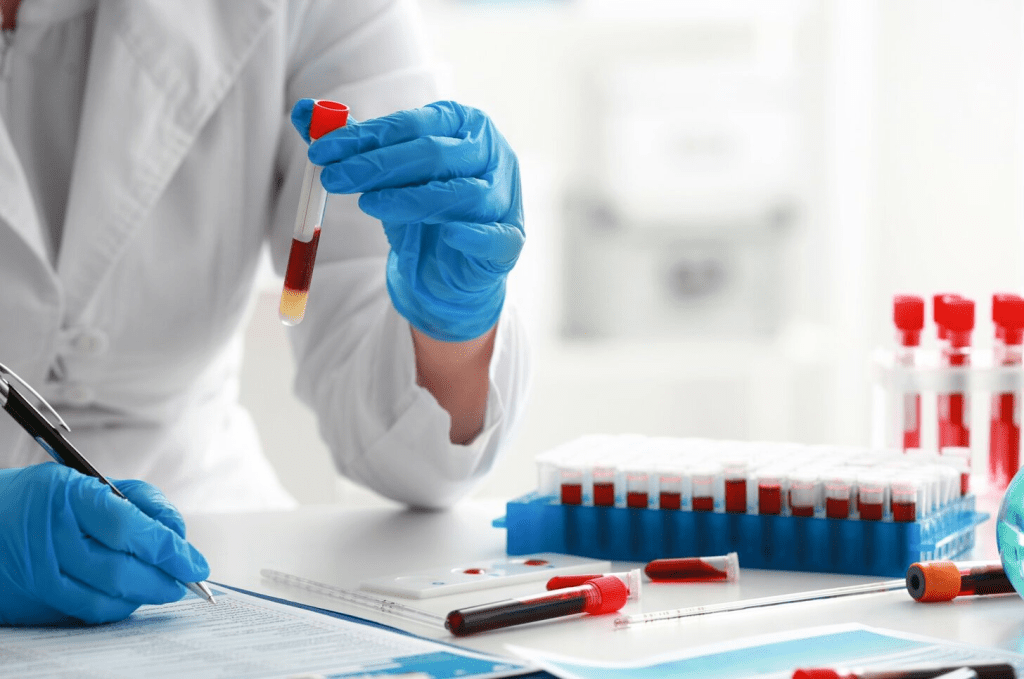
A Complete Blood Count (CBC) is a common test for leukemia and other cancers. It checks the blood for red and white cells, platelets, and hemoglobin. If the results are off, it could mean leukemia or another issue.
Other tests, like bone marrow aspiration and biopsy, might be needed too. These check the bone marrow for cancer cells.
At MSK Kids, we take a full approach to diagnosis. Blood tests are important, but we use many tests to make sure we find the right diagnosis. Then, we create a treatment plan that works.
The Reality of Normal Blood Work in Pediatric Cancer Cases
Normal blood work results can be reassuring. But parents need to know they don’t always mean there’s no cancer. Some kids with cancer, like leukemia, might have normal or not-so-clear blood work at first.
It’s key to look at the numbers and see why blood tests alone can’t always tell if a child has cancer. Up to 20“50% of kids with Acute Lymphoblastic Leukemia (ALL) might have normal blood work at first. This shows how tricky it can be to diagnose cancer in kids.
Statistical Overview: How Common Is Normal Blood Work with Cancer?
Studies show many kids with cancer, like ALL, have normal blood work at diagnosis. The experts say blood tests are just one way to find cancer. More tests are needed to really know what’s going on.
- Normal blood work does not rule out cancer in children.
- A significant percentage of children with ALL may have normal initial blood work.
- Comprehensive diagnostic processes are key to accurate diagnosis.
Why Blood Tests Alone Are Not Definitive
Blood tests, like the Complete Blood Count (CBC), are important for diagnosing many conditions, including cancer. But, they’re not perfect. Early cancer might not show up in blood work. So, it’s important for parents and doctors to watch for other signs and symptoms.
Key signs of childhood leukemia include:
- Persistent fatigue or weakness
- Frequent infections
- Easy bruising or bleeding
- Pale skin
Being alert to these symptoms and talking to a doctor is vital, even if blood work looks normal. As we learn more about diagnosing pediatric cancer, it’s clear we need a detailed approach for accurate and timely diagnosis.
“The diagnosis of pediatric cancer requires a thorough evaluation that goes beyond blood tests alone. Imaging studies, bone marrow biopsies, and other tools are essential for diagnosing cancer in children.”
Types of Childhood Cancers That May Present with Normal Blood Work
It’s important for parents to know that normal blood work doesn’t always mean a child is healthy. Some cancers in kids can show up even when blood tests seem fine. We’ll look at the different cancers that might not show up in blood tests, their symptoms, and how to diagnose them.
Brain Tumours and Blood Work Findings
Brain tumours in kids can have normal blood work because they might not affect blood counts. Symptoms include headaches, nausea, vision changes, and seizures. If a child has these symptoms, doctors might use MRI or CT scans to check for tumours.
Bone Cancers and Other Localized Malignancies
Bone cancers and other cancers can also have normal blood work. They might cause pain, swelling, or trouble moving. For example, osteosarcoma, a bone cancer, can cause pain or swelling in a limb. Doctors need to do a full check-up and imaging to find these cancers.
Common Physical Symptoms of Childhood Leukemia
Leukemia might not always show up in blood tests. Symptoms include tiredness, bone pain, bruising, fevers, and infections. The Memorial Sloan Kettering Kids (MSK Kids) says these signs could mean leukemia. If your child shows these, see a doctor right away.
Behavioural Changes That May Indicate Leukemia
Behavioural changes can also hint at leukemia or other cancers. Look out for irritability, tiredness, or feeling unwell. Kids with leukemia might lose their appetite or get tired easily. Spotting these signs early is key to getting help fast.
Understanding Acute Lymphoblastic Leukemia (ALL) in Children
Diagnosing Acute Lymphoblastic Leukemia in kids is tough. It needs a mix of doctor checks and tests. This cancer affects the blood and bone marrow, so a quick and accurate diagnosis is key for treatment.
How ALL Affects the Body
ALL makes lots of young white blood cells, called lymphoblasts. These cells fill up the bone marrow, making it hard to fight off infections. ALL can make kids feel tired, look pale, and get sick often.
Knowing how ALL affects the body is vital for parents. It can cause many symptoms, from mild to serious. Spotting these signs early can help get medical help sooner.
Early-Stage Leukemia and Blood Test Limitations
Early leukemia, like ALL, might not show up in blood tests alone. Studies show doctors need to be careful to catch ALL, even with normal blood results. MSK Kids says early leukemia might look normal in blood tests. So, doctors use other tests and checks too.
- Common symptoms of leukemia in children include:
- Persistent fatigue or weakness
- Pale skin due to anemia
- Recurrent infections
- Easy bruising or bleeding
Knowing these symptoms and blood test limits helps parents push for their child’s health. If your kid shows these signs, see a doctor right away.
We stress the need for a full check-up, including tests and scans, to find ALL in kids.
Why Cancer Can Hide from Blood Tests
Cancer can sometimes be present even when blood work appears normal. This is a big worry for parents of kids with leukemia or other cancers. It’s important to understand why cancer can hide from blood tests to catch it early.
Early-Stage Cancer and Detection Challenges
In the early stages of cancer, the disease may not change blood test results much. Leukemia symptoms in kids can be hard to spot and may not show up in blood tests right away. For example, Acute Lymphoblastic Leukemia (ALL), the most common cancer in kids, might not show up in blood tests at first.
Some cancers, like brain tumours or bone cancers, may not send cancer cells or proteins into the blood until they grow bigger. This makes blood tests not enough to diagnose these cancers alone.
The Timeline of Cancer Development and Blood Work Changes
Cancer grows slowly, and when it can be found in blood tests, it varies a lot. Sometimes, cancer cells are there for a long time before they change blood test results.
For leukemia, cancer cells in the bone marrow might not show up in blood tests at first. It’s when the disease gets worse that blood tests will show problems. Recognizing signs of leukemia in kids, like constant tiredness, unexplained bruises, or frequent infections, is key to getting tested further.
The experts say cancer blood tests are helpful but not enough on their own. To be sure of a cancer diagnosis, doctors need to do more tests, like imaging and bone marrow biopsies.
The Complete Diagnostic Process for Childhood Cancer
Diagnosing childhood cancer is a detailed process. We use advanced tools and techniques to find out what kind of cancer it is. This helps us understand the cancer’s specific traits.
Beyond Blood Work: Imaging and Other Diagnostic Tools
Blood tests are important, but not enough to diagnose childhood cancer alone. We use X-rays, CT scans, MRI scans, and PET scans to see the tumor and how big it is. For example, diagnosing leukemia often means taking a bone marrow biopsy to look at cancer cells directly.
We also use genetic testing to find out what’s causing the cancer to grow. Tools like those at MSK Kids help us understand the cancer’s genetics. This information helps us create a treatment plan that targets the cancer.
The Role of Multidisciplinary Evaluation in Accurate Diagnosis
Getting a correct diagnosis for childhood cancer needs a team effort. Our team includes pediatric oncologists, radiologists, pathologists, and surgeons. They work together to understand the test results and the patient’s condition fully.
This team approach makes sure we look at all parts of the cancer. We consider its genetics and how it affects the child’s health. By working together, we can give a precise diagnosis and create a treatment plan that fits the child’s needs.
Knowing the childhood leukemia signs and symptoms is key to early detection. The diagnostic process is complex. But knowing the signs can help parents get their child checked sooner. This leads to earlier treatment and better chances of recovery.
Warning Signs Parents Should Never Ignore
It’s hard to spot the warning signs of childhood leukemia. But it’s very important to do so. As parents, watching for health and behaviour changes is key.
Physical Symptoms That Warrant Medical Attention
Some physical signs can mean leukemia or other serious problems. Look out for:
- Persistent fatigue or weakness
- Unexplained weight loss
- Pain in the bones or joints
- Swollen lymph nodes, spleen, or liver
- Easy bruising or bleeding
If your child shows any of these signs, see a doctor right away. Early detection is key to effective treatment.
Persistent Symptoms Despite Normal Test Results
Children might keep showing symptoms even with normal blood tests. Parents need to speak up if they’re worried.
MSK Kids says to take your child to the doctor if symptoms keep coming back. This can lead to more tests and a diagnosis.
Advocating for Your Child in the Healthcare System
You know your child better than anyone. If you’re worried, don’t be afraid to ask for a second opinion or more tests. Your advocacy can make a big difference in your child’s care.
Coping with Uncertainty and Anxiety
Worrying about a serious diagnosis can be tough. It’s important to get help from doctors, family, and friends. Remember, you’re not alone in this journey.
By staying informed and proactive, parents can help their child get the care they need. Watching for warning signs and speaking up can lead to better health outcomes.
Conclusion: Navigating Childhood Cancer Diagnosis
Understanding childhood cancer diagnosis is key to early treatment. We’ve seen how leukemia symptoms in kids can be tricky to spot. This highlights the importance of knowing the signs of leukemia in kids.
At livhospital.com, we aim to provide top-notch healthcare for international patients. Our goal is to use the latest medical protocols for early cancer detection in kids. If you’re worried about your child’s health, don’t hesitate to get medical help.
Early detection and good care are vital for better treatment results. We encourage parents to watch their child’s health closely. If you see any unusual signs, talk to a doctor right away.
FAQ’s:
Can a child have leukemia with normal blood work results?
Yes, a child can have leukemia even with normal blood tests. MSK Kids says not all kids with leukemia have abnormal blood counts.
What are the common symptoms of leukemia in children?
Symptoms of leukemia in kids include pale skin and feeling tired. They might also lose weight or get sick often. Kids might also act differently, like being irritable or losing their appetite.
How is leukemia diagnosed in children?
Doctors use tests like Complete Blood Count (CBC) and bone marrow biopsies to find leukemia. They also look at blood cells under a microscope. A team of doctors works together to make sure the diagnosis is right.
Can normal blood work rule out leukemia or other cancers?
No, normal blood tests don’t mean a child can’t have leukemia or other cancers. Parents should watch for symptoms and get medical help if they’re worried about their child’s health.
What types of childhood cancers may present with normal blood work?
Some cancers, like brain tumours or bone cancers, might not show up in blood tests. It’s important to notice any changes in how your child acts or feels.
How does Acute Lymphoblastic Leukemia (ALL) affect the body?
ALL makes the bone marrow produce bad white blood cells. This can cause anemia, infections, and bleeding problems.
Why can cancer sometimes hide from blood tests?
Cancer can hide because early stages might not change blood counts much. Some cancers don’t release markers that blood tests can find.
What is the complete diagnostic process for childhood cancer?
Finding childhood cancer involves blood tests, imaging like X-rays, and bone marrow biopsies. A team of doctors works together to make sure the diagnosis is correct.
What are the warning signs that parents should never ignore?
Don’t ignore signs like persistent pain, swelling, or bruising. Also, watch for changes in behaviour like irritability or loss of appetite. If you see these signs, get medical help right away.
How can I advocate for my child in the healthcare system?
To advocate for your child, be proactive and ask questions. If you’re unsure, get a second opinion. It’s also key to talk well with your child’s healthcare team.
How can I cope with the uncertainty and anxiety of a potentially cancer diagnosis?
To cope, seek support from family, friends, and doctors. Staying informed and being involved in your child’s care can help ease worries.
References
- U.S. National Library of Medicine. (2020). Diagnosis and Classification of Childhood Leukemia. Seminars in Hematology, 57(1), 1-10. https://www.ncbi.nlm.nih.gov/pmc/articles/PMC7320078/
- American Cancer Society. (2023). Signs and Symptoms of Childhood Leukemia. Retrieved from https://www.cancer.org/cancer/types/leukemia-in-children/symptoms-signs.htm/