Last Updated on November 25, 2025 by
What cancers cause leukocytes in urine? Learn the dangerous and crucial facts about leukocyte esterase in urinalysis and its powerful connection to certain malignancies.
Leukocytes, or white blood cells, in urine can signal an infection or a bigger issue. Urinary tract infections (UTIs) are common, but sometimes, it’s a sign of cancer affecting the urinary tract.
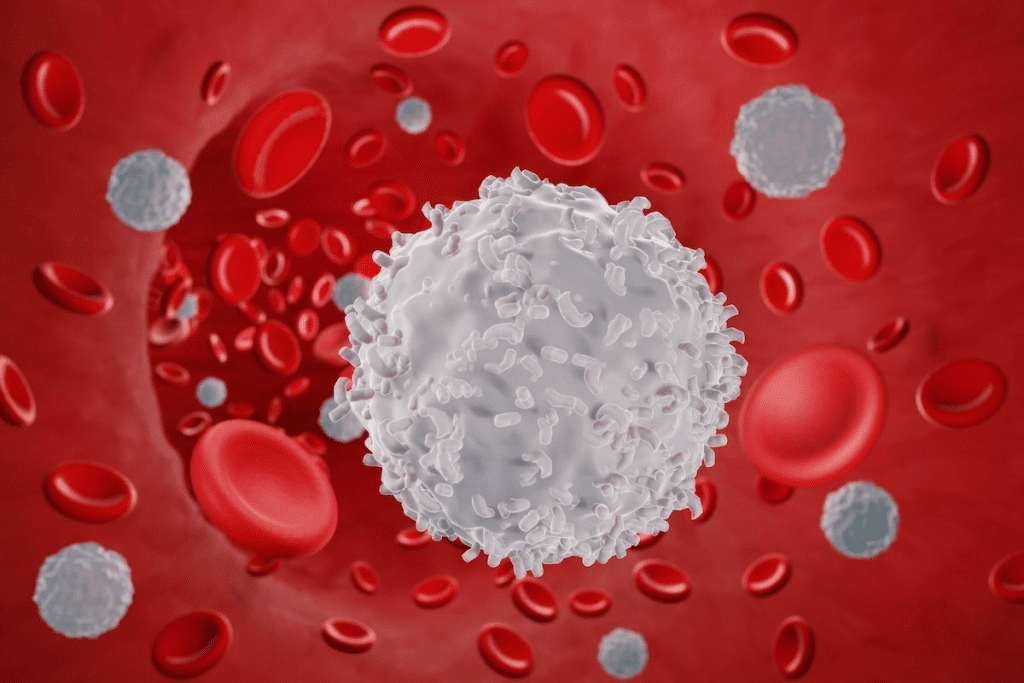
We’ll look into how cancers like bladder, kidney, and prostate can lead to leukocytes in urine. Knowing about leukocyte esterase, an enzyme from white blood cells, is key to spotting these problems.
Key Takeaways
- Leukocytes in urine can signal infections or underlying conditions like cancer.
- Cancers such as bladder, kidney, and prostate cancer can cause leukocytes in urine.
- Leukocyte esterase is an enzyme that indicates the presence of white blood cells.
- Detecting leukocyte esterase is significant in diagnosing urinary tract issues.
- Understanding the causes of leukocytes in urine is vital for proper diagnosis and treatment.
Understanding Leukocytes in Urine (Pyuria)
It’s key to know about leukocytes in urine for diagnosing and treating urinary tract infections. Leukocytes, or white blood cells, fight infections in our body. Their presence in urine can show health issues, from infections to cancer.
What Are Leukocytes and Why Do They Appear in Urine?
Leukocytes are vital for our immune system. They battle infections and invaders. In a healthy person, urine should be free of many leukocytes. But, if they’re found, it might mean an infection or inflammation in the urinary tract.
Leukocytes in urine can be caused by:
- Urinary tract infections, like cystitis or pyelonephritis
- Inflammation in the kidneys or bladder
- Kidney stones or other blockages
Normal vs. Abnormal Levels of Urinary Leukocytes
A normal count of leukocytes in urine is 0-5 white blood cells per high-powered field (HPF). Higher numbers suggest an infection or urinary tract problem. Knowing about leukocytes, along with other signs like nitrite in urine, helps diagnose the cause.
High levels of leukocytes can point to:
- Urinary tract infections (UTIs)
- Kidney infections or pyelonephritis
- Bladder infections or cystitis
Leukocyte Esterase Testing and Cancer Detection
Urine tests for leukocyte esterase are key in cancer screening. They help find patients who need more tests. Leukocyte esterase is an enzyme from white blood cells. Its presence in urine might mean an infection or cancer.
How Leukocyte Esterase Tests Work
The leukocyte esterase test is a simple urine test. It checks for leukocyte esterase. This test is used to screen for urinary tract infections (UTIs) and can hint at cancers.
This test detects leukocyte esterase in urine. White blood cells release this enzyme. It reacts with a test strip, showing a color change if it’s positive.
Key aspects of the leukocyte esterase test include:
- Non-invasive and easy to perform
- Provides rapid results
- Can indicate the presence of white blood cells in urine
- Often used in conjunction with other diagnostic tests for a full evaluation
Interpreting Test Results in Cancer Screening
Understanding leukocyte esterase test results is important. A positive result might mean a UTI or a cancer in the urinary tract.
In cancer screening, a positive test might lead to more tests. This could include imaging or biopsies to find the cause.
A positive leukocyte esterase test is not a cancer diagnosis alone. It’s a sign that needs more checking.

Bladder Cancer: Primary Cause of Urinary Leukocytes
Bladder cancer, mainly muscle-invasive bladder cancer (MIBC), is linked to leukocyturia. This means leukocytes are found in the urine, showing the body’s fight against cancer. We’ll look into how MIBC changes urine leukocyte levels and the big picture of bladder cancer worldwide.
Muscle-Invasive Bladder Cancer and Its Effects
MIBC is a serious type of bladder cancer that goes deep into the bladder wall. Research shows that MIBC patients often have a lot of leukocytes in their urine. This shows a strong immune reaction to the tumor.
Key characteristics of MIBC include:
- Deep invasion into the bladder wall
- Higher risk of metastasis
- Significant immune response indicated by leukocyturia
Global Prevalence and Impact of Bladder Cancer
Bladder cancer is a big problem worldwide, with over 573,000 new cases and 200,000 deaths each year. Leukocyturia in bladder cancer patients is a key sign of the disease’s growth and the body’s fight against it. Knowing the disease’s spread helps in finding more research and treatment options.
The global burden of bladder cancer is substantial, with some areas having more cases due to smoking and pollution. The disease not only affects patients but also their families and healthcare systems globally.
Kidney Cancer and Its Effect on Urinary Leukocyte Levels
Leukocyturia, or the presence of leukocytes in urine, can be a symptom of kidney cancer. Kidney cancer, also known as renal cell carcinoma, affects not only the kidney’s function but also the urinary system’s normal parameters, including leukocyte levels. We will examine the relationship between kidney cancer and urinary leukocyte levels, focusing on the types of kidney cancer that can lead to leukocyturia.
Types of Kidney Cancer Associated with Leukocyturia
There are several types of kidney cancer, and some are more likely to be associated with leukocyturia than others. The main types include:
- Clear Cell Renal Cell Carcinoma (ccRCC): This is the most common type of kidney cancer in adults, accounting for about 70-80% of cases. ccRCC can cause leukocyturia due to its ability to invade the renal pelvis or cause significant inflammation.
- Papillary Renal Cell Carcinoma: This type accounts for about 10-15% of kidney cancer cases. It can also lead to leukocyturia, mainly if the tumor is large or has invaded other structures.
- Chromophobe Renal Cell Carcinoma: Though less common, this type can also affect urinary leukocyte levels.
These types of kidney cancer can lead to leukocyturia through various mechanisms, including tumor necrosis, inflammation, or direct invasion into the urinary collecting system.
Distinguishing Features of Kidney Cancer-Related Leukocytes
The leukocytes present in the urine of patients with kidney cancer can have distinguishing features that may help in diagnosis. For instance:
- The presence of abnormal leukocyte morphology can indicate a malignancy.
- Elevated leukocyte counts in urine, specially if persistent or recurrent, warrant further investigation for kidney cancer.
- The presence of other urinary abnormalities, such as hematuria (blood in urine), alongside leukocyturia, can be indicative of kidney cancer.
Understanding these features is key for early detection and management of kidney cancer.
We have discussed how kidney cancer can affect urinary leukocyte levels and highlighted the types of kidney cancer associated with leukocyturia. Recognizing the distinguishing features of kidney cancer-related leukocytes is vital for diagnosis and treatment planning.
Prostate Cancer’s Relationship with Urinary Leukocytes
It’s important to know how prostate cancer affects urinary leukocyte levels. This knowledge helps in diagnosing and treating the disease. Prostate cancer can change how the urinary system works, leading to different problems, including changes in leukocyte levels.
Affecting the Urinary System
Prostate cancer can harm the urinary system in many ways. As it grows, it can block urine flow. This can cause urinary retention or incomplete emptying of the bladder. This blockage can lead to inflammation and irritation, making leukocytes appear in the urine.
Treatments for prostate cancer, like surgery or radiation, can also affect the urinary system. For example, radiation therapy can cause radiation cystitis. This inflammation can increase leukocyte levels in the urine.
Leukocyte Patterns Specific to Prostate Malignancies
Leukocytes in urine, or leukocyturia, are linked to prostate cancer. Research shows that certain leukocyte patterns are tied to the cancer’s aggressiveness or stage. For instance, a study might find that higher leukocyte levels are linked to more advanced cancer.
If you have symptoms like painful urination, frequent urination, or blood in the urine, see a doctor. Our hospital can help with these symptoms. They might be related to prostate cancer or other issues.
Knowing these patterns helps doctors create better treatment plans. This can lead to better outcomes for those with prostate cancer.
Blood Cancers and Rare Causes of Leukocytes in Urine
Blood cancers like leukemia and lymphoma can harm the urinary system. They can make it hard for the body to fight off infections and work properly.
Systemic Effects of Leukemia and Lymphoma on Urinary Function
Leukemia and lymphoma are blood cancers that affect the body in many ways. Leukemia, with its abnormal white blood cells, raises the risk of urinary tract infections. Lymphoma, affecting the lymphatic system, can block urine flow by swelling lymph nodes.
Leukocytes in urine, or leukocyturia, show the body’s fight against these cancers. Cancer or its treatments can also cause urinary infections or other issues leading to leukocyturia.
Key factors linking leukemia and lymphoma to leukocyturia:
- Increased risk of urinary tract infections due to immunosuppression
- Obstruction of urinary flow due to lymph node enlargement
- Systemic inflammation affecting the urinary tract
Other Rare Malignancies Affecting Urinary Leukocyte Levels
Other rare cancers can also affect urine leukocyte levels. For example, some types of multiple myeloma can damage the kidneys and impact urine function. Also, cancers that spread to the urinary tract can change urine leukocyte levels.
Even though these cancers are rare, they can have big effects on the urinary system. Getting a full diagnosis is key to finding the cause of leukocyturia and treating it right.
- Multiple myeloma
- Metastatic cancers affecting the urinary tract
- Rare sarcomas involving the urinary system
Conclusion: Monitoring and Treatment Implications
Knowing why leukocytes show up in urine is key to finding and treating cancers. We’ve looked at how cancers like bladder, kidney, and prostate can cause this. Tests for leukocyte esterase often find these issues.
For patients, it’s vital to keep an eye on their health and follow treatment plans. Regular tests for leukocyte esterase and urinary leukocytes help catch cancers early. This way, doctors can create treatment plans that fit each patient’s needs.
Our talk shows how important it is to do a detailed check-up. This includes tests for leukocyte esterase and looking at urine for leukocytes. This approach helps doctors tackle the real causes of urinary leukocytes, leading to better care for patients.
FAQ
What are leukocytes, and why are they present in urine?
Leukocytes, or white blood cells, are part of our immune system. They can show up in urine for many reasons. This includes infections, inflammation, or even cancer in the urinary tract.
What is leukocyte esterase, and how is it related to cancer detection?
Leukocyte esterase is an enzyme made by leukocytes. Its presence in urine can mean an infection or inflammation. This test is used to screen for urinary tract infections and can help detect cancers in the urinary system.
How does leukocyte esterase testing work?
This test uses a urine dipstick to find leukocyte esterase. It’s quick and can show results right away. This tells us if we need to look further.
What is the significance of leukocytes in urine in relation to bladder cancer?
Leukocytes in urine might mean bladder cancer, like muscle-invasive bladder cancer (MIBC). Finding leukocytes in urine is a sign that needs more checking.
Can kidney cancer cause leukocytes in urine?
Yes, kidney cancer can cause leukocytes in urine. But, it’s not the only reason for this symptom.
How does prostate cancer affect urinary leukocyte levels?
Prostate cancer can change how we pee, including leukocyte levels. Certain patterns of leukocytes might point to prostate cancer.
Are there any blood cancers that can cause leukocytes in urine?
Yes, blood cancers like leukemia and lymphoma can affect how we pee. This might lead to leukocytes in urine.
What are the implications of leukocytes in urine for treatment?
Finding leukocytes in urine is serious, maybe because of cancer. We need to check more to find the cause and treat it right.
What is pyuria, and how is it related to leukocytes in urine?
Pyuria is when urine has pus, often from an infection. It means there are a lot of leukocytes, showing inflammation or infection.
What is the role of nitrite in urine testing?
Nitrite in urine shows certain bacteria might be there. Testing for nitrite and leukocyte esterase helps find urinary tract infections.
How does high WBC count relate to leukocytes in urine?
A high WBC count can mean infections or cancers. Leukocytes in urine might show a bigger problem or a specific issue with the urinary tract.
Reference
- Verywell Health. (2024). Leukocytes in urine: What’s the normal range? Verywell Health. https://www.verywellhealth.com/leukocytes-in-urine-normal-range-8659879
- StatPearls Publishing. (2024). Gross and microscopic hematuria. In StatPearls [Internet]. National Center for Biotechnology Information. https://www.ncbi.nlm.nih.gov/books/NBK534213/
- ScienceDirect Topics. (n.d.). Leukocyturia ” an overview. ScienceDirect. https://www.sciencedirect.com/topics/medicine-and-dentistry/leukocyturia