Last Updated on December 2, 2025 by Bilal Hasdemir

Nerve ablation is a medical procedure that treats chronic pain by blocking pain signals to the brain. Millions of people worldwide suffer from chronic pain, and this treatment is a promising option. But, how long you need to rest after it can differ a lot from one person to another.Learn how long should you rest after nerve ablation. Understand the necessary downtime for recovery libation clearly.
The amount of rest needed after nerve ablation depends on several things. These include your overall health and the specific method used during the procedure. Knowing about the recovery process helps manage your expectations and ensures a smooth healing journey.
Key Takeaways
- Nerve ablation is used to treat chronic pain.
- Recovery time varies based on individual factors.
- Rest is key after the procedure.
- The technique used can affect recovery time.
- Overall health impacts recovery.
Understanding Nerve Ablation Procedures
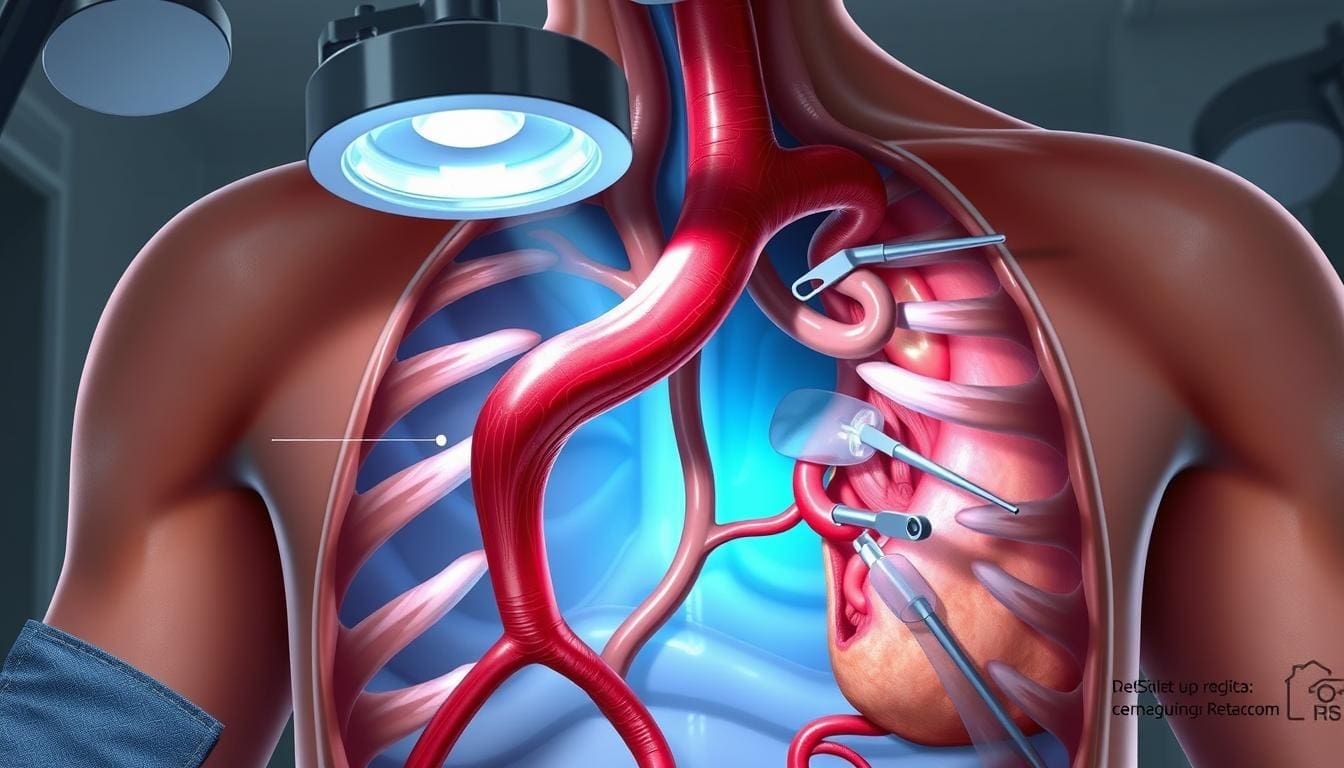
Nerve ablation is a big step forward in managing chronic pain. It uses heat or cold to harm or kill nerves that send pain signals. This can offer lasting relief from pain.
What is Nerve Ablation?
Nerve ablation is a small procedure that targets pain-carrying nerves. It stops these nerves from sending pain signals to the brain. This can greatly reduce or stop chronic pain for many people. As a renowned pain management specialist says, “Nerve ablation has changed how we manage chronic pain. It gives patients a chance for a more comfortable life.”
Types of Nerve Ablation Techniques
There are many nerve ablation techniques, each with its own use and benefits.
- Radiofrequency Ablation (RFA): This common method uses radio waves to heat and damage the nerve, stopping pain signals.
- Cryoablation: This technique freezes the nerve tissue to achieve the same effect.
- Chemical Ablation: Though rare, this method uses chemicals to harm the nerve.
A study in the Journal of Pain Research found RFA helps a lot with chronic pain from the lumbar facet joint.
Common Conditions Treated with Ablation
Nerve ablation helps with many chronic pain issues, including:
- Arthropathy of the lumbar facet joint
- Chronic lower back pain
- Neck pain
- Knee pain
It’s important for patients to know about nerve ablation procedures. Knowing what to expect and the different methods helps them make better choices for managing their pain.
The Immediate Recovery Period
Knowing what to expect after nerve ablation helps patients prepare for a smooth recovery. The first few days are key for a successful healing process.
First 24 Hours After Procedure
The first 24 hours after nerve ablation are very important. Patients should rest and avoid hard activities to lessen discomfort and avoid problems. Always follow your doctor’s post-procedure care instructions.
Key considerations for the first 24 hours include:
- Resting in a comfortable position
- Avoiding heavy lifting or bending
- Monitoring for any unusual symptoms or side effects
Managing Post-Procedure Discomfort
Managing pain is a big part of recovery. Some pain or discomfort at the procedure site is normal. It can be managed with over-the-counter pain meds or treatments from your doctor.
Effective pain management strategies include:
- Using prescribed pain medication as directed
- Applying ice packs to reduce swelling
- Maintaining a comfortable position to minimize strain
Initial Activity Restrictions
It’s important to follow activity restrictions during the recovery period. Avoiding hard activities, heavy lifting, and bending helps prevent problems and aids in healing.
| Activity | Recommended Restriction Period |
| Heavy lifting | At least 24-48 hours |
| Bending or stooping | At least 24 hours |
| Strenuous exercise | 3-5 days |
Drinking enough water is also key during recovery. Staying hydrated helps with healing and lowers the risk of complications. Drink water often and eat a balanced diet to support your recovery.
Short-Term Recovery Timeline
After nerve ablation, patients go through a recovery timeline with clear stages. Knowing this timeline helps manage expectations and ensures a smooth recovery.
Days 1-3 After Nerve Ablation
The first days after the procedure are key. Patients might feel discomfort, numbness, or soreness at the site. Pain management is a big focus, with medication and rest being the main tools for recovery.
Days 4-7 After Procedure
As the initial pain fades, patients start to see improvements. It’s important to keep up with the pain management plan. Also, slowly increase activity as advised by healthcare professionals.
What to Expect in the First Week
In the first week, symptoms should start to get better. Nerve regeneration is a continuous process. The nerve ablation procedure aims for long-term relief, but the first weeks are critical for recovery. Regular check-ups with healthcare providers are key to track progress and address any issues.
The RFA procedure, a common nerve ablation method, offers significant relief for many. Knowing the recovery process well helps achieve the best results.
Recommended Rest Period for Different Types of Nerve Ablation
The rest time after nerve ablation changes a lot based on the procedure type. Each method has its own recovery needs. Knowing these helps patients recover well and smoothly.
Radiofrequency Ablation (RFA) Rest Guidelines
Radiofrequency Ablation treats chronic pain. It usually takes a few days to a week to rest after RFA. Patients should not do hard activities during this time.
Key considerations for RFA recovery:
- Avoid heavy lifting for at least 24-48 hours
- Limit bending or twisting for 3-4 days
- Resume normal activities gradually over 7-10 days
Cryoablation Recovery Time
Cryoablation freezes the nerve to stop pain signals. It takes a bit longer to recover than RFA.
Typical cryoablation recovery timeline:
- Initial rest period: 2-4 days
- Return to light activities: 4-7 days
- Full recovery: 1-2 weeks
Chemical Ablation Recovery Considerations
Chemical ablation uses a chemical to destroy the nerve. Recovery time can change based on the chemical and where it’s done.
| Recovery Aspect | Chemical Ablation Considerations |
| Immediate Post-Procedure | Rest for 24-48 hours, avoid strenuous activities |
| Short-Term Recovery | Gradually resume normal activities over 7-14 days |
| Potential Side Effects | Monitor for numbness, weakness, or infection |
In conclusion, knowing the rest times for different nerve ablation types is key for good recovery. Patients should follow their doctor’s advice closely for the best results.
Factors Affecting Recovery Time
Recovery time after nerve ablation varies a lot among people. This is because of several important factors. Knowing these can help patients get ready for their recovery.
Age and Overall Health
A person’s age and overall health greatly affect how fast they recover. Younger people with fewer health problems usually heal faster. Older folks or those with many health issues might take longer.
For example, a young person with no health problems might get better in a few weeks. But someone older with diabetes or heart disease might need more time.
Location of the Ablation
The location of the nerve ablation also matters a lot. Procedures in sensitive or complex areas can take longer to recover from.
- Nerve ablations in the spine may have different recovery times compared to those in peripheral nerves.
- Procedures near vital organs or in areas with limited nerve regeneration capacity may also impact recovery duration.
Extent of the Procedure
The extent of the nerve ablation procedure also affects recovery time. More extensive procedures, involving multiple nerves or larger areas, usually need longer recovery times.
| Procedure Extent | Typical Recovery Time |
| Minimally invasive, single nerve | 2-4 weeks |
| Multi-nerve ablation | 4-6 weeks |
| Complex, extensive ablation | 6-12 weeks or more |
Pre-existing Conditions
Pre-existing medical conditions can also affect recovery time. Conditions like diabetes, vascular disease, or neurological disorders can make healing harder.
People with these conditions might need to work closely with their doctors. This can help manage their conditions during recovery, possibly making it take longer.
Pain Management During Recovery
Pain management is key in the recovery after nerve ablation. It greatly improves the patient’s life during this time.
Medication Options
Medicine is a main way to manage pain after nerve ablation. Commonly prescribed medications include:
- Pain relievers such as acetaminophen or NSAIDs
- Narcotic medications for more severe pain
- Adjuvant medications like gabapentin for nerve pain
The right medication depends on the pain level, medical history, and the procedure done.
Non-Pharmaceutical Pain Relief
There are also non-medical ways to ease pain during recovery. These include:
- Applying ice or heat to the affected area
- Engaging in gentle stretching or relaxation techniques
- Using transcutaneous electrical nerve stimulation (TENS) units
These methods can be used alone or with medication to help with pain relief.
When to Contact Your Doctor About Pain
It’s important to watch your pain levels and talk to your doctor about any changes. Contact your healthcare provider if you notice:
| Symptom | Description |
| Increasing pain | Pain that gets worse over time despite medication |
| Uncontrolled pain | Pain that is not well managed with prescribed medication |
| New symptoms | Emergence of new pain or other symptoms such as numbness or tingling |
Talking to your healthcare provider early can help solve problems quickly in the recovery process.
Activity Restrictions After Nerve Ablation
Knowing what activities to avoid after nerve ablation is key for healing. This procedure treats chronic pain and needs careful care after. This ensures the best results.
Driving Restrictions
Don’t drive for at least 24 hours after the procedure. Sedation or local anesthesia can make driving hard. It’s best to have someone drive you home.
Work Limitations
How long you can take off work depends on your job. Desk jobs might let you return in a few days. But, jobs that are hard on your body might need more time. Always check with your doctor for advice.
Household Activities
For a few days, avoid hard household work. Don’t lift heavy things or bend too much. Start doing normal activities again slowly, with your doctor’s help.
Exercise and Physical Activity
Start exercising slowly. Begin with gentle stretches and short walks. But, avoid activities that could hurt the nerves for a few weeks.
| Activity | Recommended Restriction Period | Guidelines |
| Driving | At least 24 hours | Avoid driving until you’re confident in your ability to operate a vehicle safely. |
| Work | Varies by job type | Desk jobs: 1-3 days off; Physically demanding jobs: longer as advised by your doctor. |
| Household Activities | First few days | Minimize strenuous activities; avoid heavy lifting and bending. |
| Exercise | Gradual resumption | Start with gentle stretching and short walks; avoid high-impact activities for a few weeks. |
Gradual Return to Normal Activities
Nerve ablation is a big procedure. Knowing how to slowly get back to normal activities is key for a good recovery. It’s important to follow a plan to safely get back to daily life.
Week 1-2 Activity Guidelines
In the first two weeks, patients should do gentle, easy activities. Light walking helps with blood flow, but avoids hard workouts. You can do more as you feel better and less in pain.
Weeks 3-4 Progression
By weeks 3-4, you can do more. Low-impact exercises like yoga or swimming are good. But, always listen to your body and don’t do too much.
Long-term Activity Resumption
Eventually, most people can do their usual activities, even hard workouts. But, how long it takes depends on your recovery and the details of your procedure.
| Activity Type | Week 1-2 | Weeks 3-4 | Long-term |
| Light Walking | Recommended | Continue | As needed |
| Strenuous Exercise | Avoid | Gradually resume | Resume |
| Low-Impact Exercises | Avoid initially | Can start | Continue |
| Heavy Lifting | Avoid | Avoid initially | Gradually resume |
Getting back to normal after nerve ablation is a step-by-step process. It needs patience and a good plan. By following these guidelines, patients can have a smooth recovery.
Physical Therapy and Rehabilitation
Physical therapy and rehabilitation are key parts of getting better after nerve ablation. A good rehab plan helps patients get their strength and movement back. Good rehab can really help the nerve ablation work better.
Initiating Physical Therapy
When to start physical therapy after nerve ablation depends on the person and the procedure. Usually, patients start with gentle exercises a few days to a week after. It’s very important to listen to your doctor’s advice.
Recommended Exercises
A physical therapist will make a special plan for you. This plan might include:
- Gentle stretching to keep flexibility
- Strengthening exercises to build muscle
- Range of motion exercises to move joints better
- Low-impact aerobic exercises to get you moving better
These exercises are made just for you and the area treated.
Collaboration with Physical Therapists
Working with physical therapists is very important for getting better. They help with:
| Aspect of Rehabilitation | Role of Physical Therapist |
| Exercise Program | Creating a plan just for you |
| Pain Management | Teaching ways to handle pain while exercising |
| Progress Monitoring | Keeping track of how you’re doing and changing the plan if needed |
As a rehab expert said,
“Physical therapy is not just about exercises; it’s about getting your life back and being independent again after a medical procedure.”
By sticking to a physical therapy and rehab plan, patients can get the most out of their recovery. This helps them live better after nerve ablation.
Potential Complications During Recovery
Knowing about possible issues after nerve ablation is key for a smooth recovery. The procedure is usually safe. But, knowing about possible problems can help you act fast if they happen.
Common Side Effects
Some side effects after nerve ablation are temporary. These include pain at the procedure site, swelling, or numbness. These effects are usually mild and go away in a few days. But, it’s important to watch them closely.
In some cases, you might feel temporary nerve irritation. This can cause more sensitivity or discomfort. But, it usually gets better as the nerve heals.
Warning Signs of Complications
While rare, there are signs that might mean complications. These include increasing pain, swelling, or redness around the procedure site, and fever. If you notice these symptoms, you should call your healthcare provider right away.
Other signs to watch for are numbness or weakness in the affected area. If these symptoms don’t go away or get worse, it’s important to monitor them closely.
Emergency Situations
In rare cases, nerve ablation can lead to serious complications. Severe pain, difficulty breathing, or signs of infection like high fever or chills are emergencies.
If you have any of these symptoms, you need to get medical help right away. Quick action can prevent long-term damage and help you recover faster.
Understanding Libation and Hydration in Recovery
Hydration is key in the recovery after nerve ablation treatments. The body needs enough fluids to heal naturally.
The Importance of Proper Fluid Intake
Drinking the right amount of fluids is vital for recovery. It helps keep the body balanced, moves nutrients to cells, and gets rid of waste. Doctors often tell patients to drink lots of water and other hydrating drinks.
Hydration’s Role in Healing
Hydration is important for healing. It helps fix tissues and boosts the immune system to fight off infections. Also, it lowers the chance of problems and helps recovery go faster.
Long-term Effects and Nerve Regeneration
It’s important for patients to know about the long-term effects of nerve ablation. This procedure is used to treat chronic pain by stopping pain signals to the brain.
Nerve regeneration is a complex process. It can greatly affect how well nerve ablation works. Experts say, “Nerve regeneration happens at about 1 mm per day. But, this can change based on the nerve type and the person’s health.”
Understanding Nerve Regeneration
Nerve regeneration is the body’s way of fixing damaged nerve fibers. It involves growing new nerve tissue. This can help restore nerve function. How well nerves can regenerate affects the success of nerve ablation.
Timeline for Nerve Regrowth
The time it takes for nerves to grow back varies. It can take months to years. Damage extent, nerve type, and health status play a role in how fast nerves grow back.
Factors influencing nerve regrowth:
- Age of the patient
- Type and extent of nerve damage
- Overall health and presence of underlying conditions
Permanent vs. Temporary Effects
The effects of nerve ablation can last a long time or not at all. For example, radiofrequency ablation (RFA) can give pain relief for months to years. A study found, “RFA can offer significant pain relief for up to 12 months or more in some cases.”
In conclusion, knowing about the long-term effects and nerve regeneration after nerve ablation is key. This knowledge helps patients understand what to expect and make better treatment choices.
Follow-up Care After Nerve Ablation
After nerve ablation, follow-up care is key to check how well the treatment worked and to catch any problems early. It’s important for patients to know how this part of their recovery helps.
Recommended Follow-up Schedule
The follow-up schedule after nerve ablation can change based on the patient’s situation and the procedure details. Usually, patients see their healthcare provider a few weeks after the procedure.
Follow-up appointments are very important to see if the treatment is working and to spot any issues early. As the patient gets better, these visits might not happen as often.
| Follow-up Timeline | Purpose |
| 1-2 weeks post-procedure | Initial assessment of treatment effectiveness and wound healing |
| 4-6 weeks post-procedure | Evaluation of pain levels and adjustment of pain management strategies |
| 3-6 months post-procedure | Long-term assessment of treatment outcomes and possible need for more treatments |
Monitoring Long-term Effectiveness
It’s vital to keep up with long-term follow-ups to see how well the nerve ablation treatment lasts. Regular visits with healthcare providers help check if the treatment is working and address any new problems.
Monitoring long-term effectiveness also helps find out if pain or nerve growth comes back. This information can guide the need for more treatments or different pain management plans.
Patients should watch for signs that might mean they need to see a doctor again, like pain getting worse or symptoms coming back.
Patient Experiences and Recovery Stories
Listening to patient stories can help you know what to expect from nerve ablation. These tales show the journey of healing and results in everyday words.
Typical Recovery Experiences
Most people feel less pain after nerve ablation. Typical recovery experiences include some soreness at the site, which is eased with medicine. They usually get back to normal in a few days to a week.
The first few days after the procedure are key. It’s important to follow your doctor’s advice to heal well. Rest and avoid hard activities are often advised.
Varied Timelines and Outcomes
Even though many recover in similar ways, varied timelines and outcomes happen too. The type of nerve ablation, your health, and the condition treated can affect how you recover.
| Recovery Aspect | Typical Timeline | Variations |
| Pain Reduction | Immediate to 1 week | Some feel better right away, others take longer |
| Return to Normal Activities | 3-7 days | It depends on the procedure and your health |
| Full Recovery | Several weeks | It varies with your health and the procedure |
Lessons from Patient Journeys
Patient stories teach us a lot. Key takeaways are the value of tailored care, setting realistic hopes, and the importance of support after the procedure.
Knowing these points helps patients get ready for healing. This can lead to better results.
When to Consider Additional Treatments
It’s important to know when nerve ablation might not work. This treatment helps many people, but it’s not a fix-all solution. Some might see their symptoms come back or not get enough relief.
Signs That Ablation May Not Be Working
Look out for these signs if you think nerve ablation didn’t work:
- Pain returning sooner than expected
- Inadequate pain relief from the procedure
- New or different pain emerging
Talking to your doctor about these symptoms is key to finding what to do next.
Alternative Treatment Options
If nerve ablation doesn’t work, there are alternative treatment options to try. These could be:
| Treatment | Description |
| Physical Therapy | Targeted exercises to improve mobility and strength |
| Medication Management | Adjusting or changing pain medications |
| Nerve Blocks | Injecting medication to block pain signals |
Repeat Procedures
In some cases, you might need a repeat procedure. This could be because nerves grow back or your condition gets worse. Deciding on another radiofrequency ablation (RFA) or other treatments should be a team effort with your doctor.
Knowing you might need additional treatments helps you make better choices. Working with your healthcare team can lead to finding the best ways to manage your pain.
Conclusion
Getting enough rest and care after nerve ablation is key to a good recovery. The time it takes to heal depends on the type of procedure, your health, and how extensive it was.
Drinking enough water and staying hydrated is very important. Your doctor will tell you how to manage pain and when to come back for check-ups. This helps you heal faster and better.
Knowing how long it takes to recover and what affects it helps you prepare. This knowledge lets you make smart choices about your care and when to start doing normal things again.
Nerve ablation can really help with chronic pain if you take good care of yourself after the procedure. Always talk to your doctor to get the best results.
FAQ
What is nerve ablation and how does it work?
Nerve ablation is a medical procedure that damages nerves to reduce pain. It uses heat, cold, or chemicals to block pain signals to the brain.
How long should I rest after nerve ablation?
Rest time after nerve ablation varies. It depends on the procedure and your health. Usually, rest for a few days to a week is advised.
What are the different types of nerve ablation techniques?
There are several nerve ablation techniques. Radiofrequency ablation (RFA), cryoablation, and chemical ablation are some. Each method damages nerves differently.
What are the common conditions treated with nerve ablation?
Nerve ablation treats chronic pain like arthritis and back pain. It’s also used for cancer pain.
How is pain managed during recovery from nerve ablation?
Pain management includes medication and non-pharmaceutical methods. Rest, ice, and compression are often used.
What are the activity restrictions after nerve ablation?
Activity restrictions vary based on the procedure and your health. Avoid heavy lifting and strenuous activities for a few days to a week.
When can I start physical therapy after nerve ablation?
Physical therapy timing varies. It depends on the procedure and your health. Start within a few days to a week after the procedure.
What are the possible complications during recovery from nerve ablation?
Complications include infection, bleeding, and nerve damage. Seek medical help if you experience unusual symptoms.
How long does it take for nerves to regenerate after ablation?
Nerve regeneration time varies. It depends on the individual and procedure type. Nerves can take months to a year or more to regenerate.
What is the importance of libation and hydration during recovery?
Libation and hydration are key during recovery. They help with healing and reduce complication risks.
When should I consider additional treatments after nerve ablation?
Consider additional treatments if pain persists or worsens. Talk to your doctor about your options.
What is the recommended follow-up schedule after nerve ablation?
Follow-up timing varies. It depends on your health and procedure type. Generally, see your doctor within a few weeks.
How long does the effect of nerve ablation last?
The effect can last months to a year or more. It varies based on the individual and procedure.
Can I undergo repeat nerve ablation procedures?
Yes, repeat procedures are possible. But, always consult with a doctor before deciding.
References
National Center for Biotechnology Information. Evidence-Based Medical Insight. Retrieved from https://www.ncbi.nlm.nih.gov/pmc/articles/PMC5390941/