Last Updated on December 2, 2025 by Bilal Hasdemir

Medical technology has made big strides, helping those with brain tumor surgery a lot. Studies show the survival rate for patients has gone up a lot. This gives new hope to those dealing with this tough situation.Learn the crucial facts about life after brain tumor surgery. Understand factors that affect long-term survival and quality of life clearly.
At Lee Health, we’re using new treatments like histotripsy to change cancer care. This gives patients more choices and better results. We know the journey doesn’t stop after surgery. It’s important to have all the support needed for a smooth recovery.
Key Takeaways
- Advanced medical treatments improve survival rates for brain tumor patients.
- Innovative therapies like histotripsy offer new hope for cancer patients.
- Comprehensive support services are key for recovery after surgery.
- Survival rates have significantly increased for brain tumor patients.
- Access to advanced care is essential for long-term survival.
Understanding Brain Tumors and Their Impact

It’s important for patients and doctors to understand brain tumors. These tumors, whether they grow back or spread, can really change a person’s life.
Types of Brain Tumors and Their Severity
Brain tumors are sorted by where they start, how fast they grow, and how serious they are. The main types are:
- Gliomas: These tumors come from glial cells and can be mild or very serious.
- Meningiomas: Usually not cancerous, these tumors grow in the meninges, which protect the brain.
- Medulloblastomas: These serious tumors often appear in kids and start in the cerebellum.
The seriousness of a brain tumor depends on its type, size, where it is, and how fast it grows. Knowing the tumor’s details early is key to finding the right treatment.
How Brain Tumors Affect Overall Health
Brain tumors can affect many parts of the body, not just the brain. Symptoms include:
- Headaches and seizures
- Changes in thinking, like memory loss or trouble focusing
- Problems with movement, like weakness or paralysis
The impact on health also depends on where the tumor is and the patient’s health overall. Getting care that looks at the whole picture is vital for better results.
Brain Tumor Surgery: What to Expect

Understanding what to expect from brain tumor surgery can help reduce anxiety. We’ll guide you through the process, from deciding to have surgery to preparing beforehand.
Common Surgical Approaches
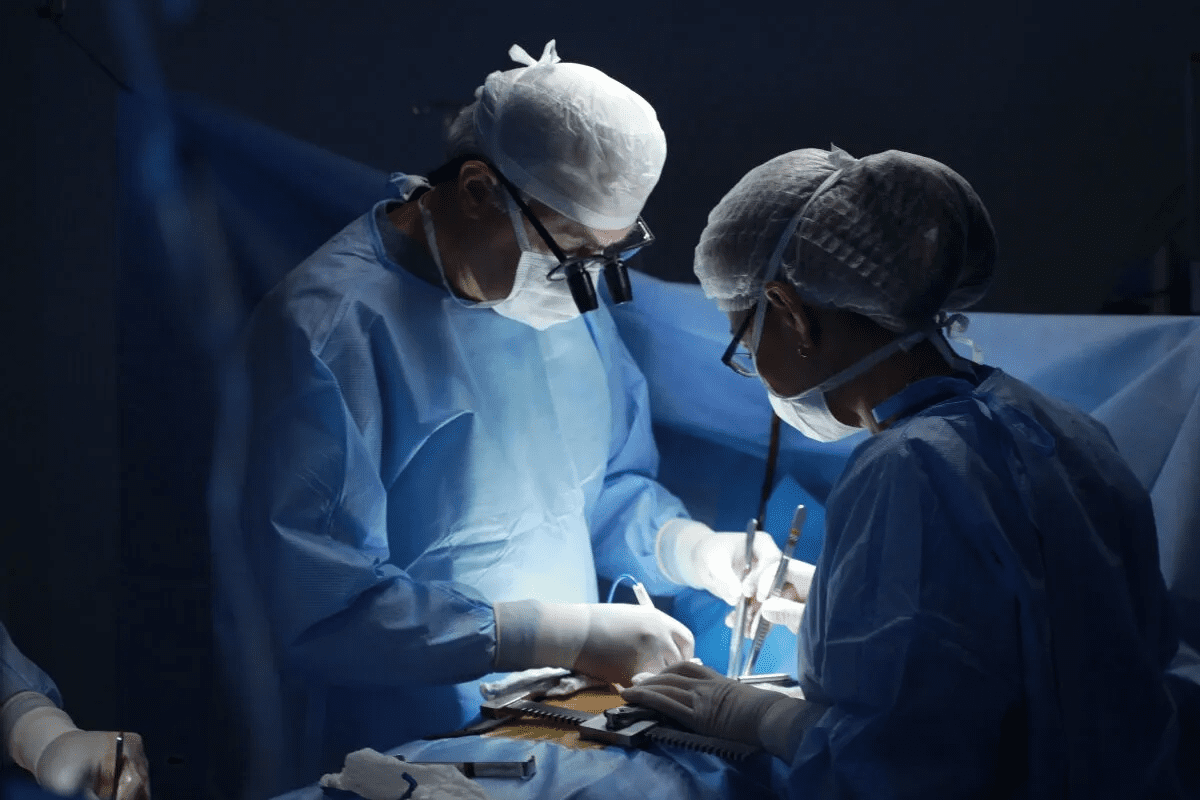
There are different ways to perform brain tumor surgery. Craniotomy is common, where part of the skull is temporarily removed. New techniques like awake craniotomy and endoscopic surgery aim to reduce recovery time and improve results.
The right approach depends on the tumor and the patient’s health. Our neurosurgeons work with a team to choose the best method for each case.
Technological Advancements in Brain Surgery
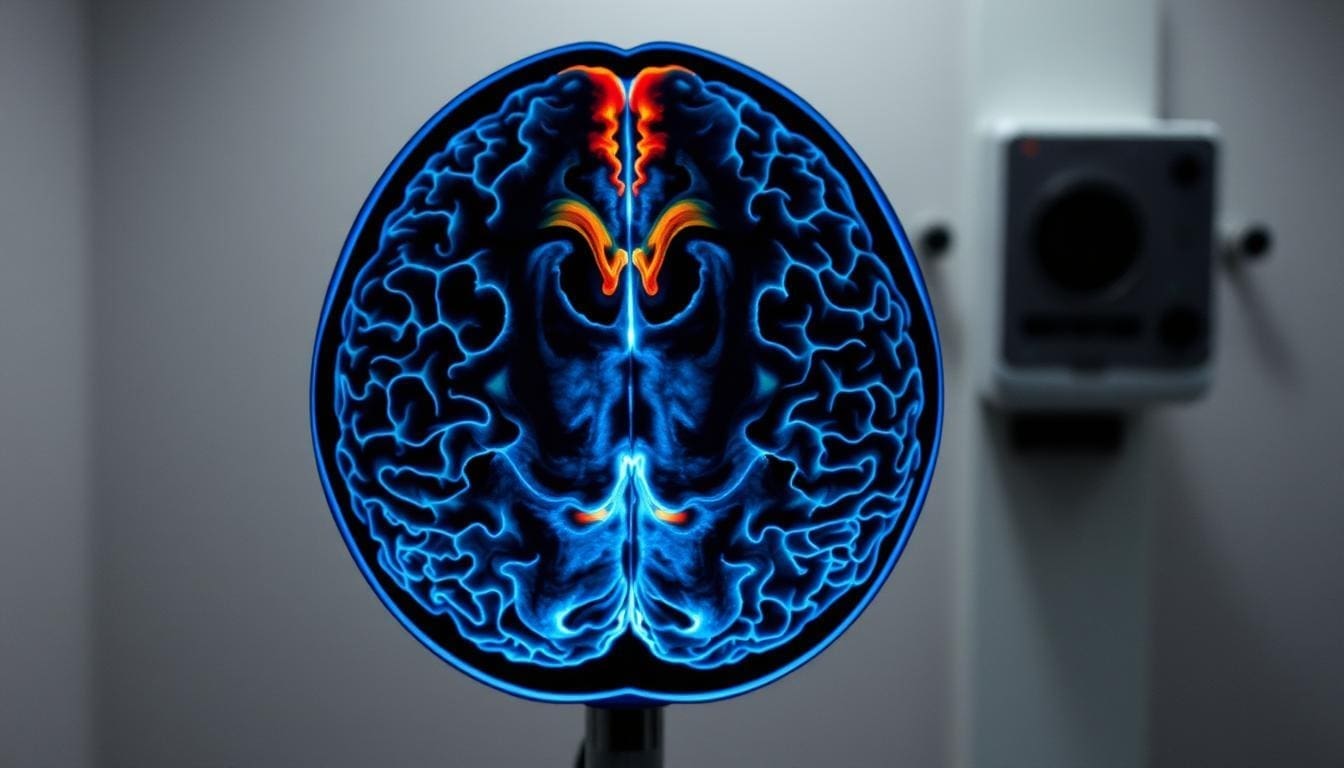
New technologies have changed brain surgery. Intraoperative MRI and neuronavigation systems help surgeons find tumors and check how much they remove. These tools make surgery safer and more effective.
New methods like laser interstitial thermal therapy (LITT) and histotripsy are being studied. Histotripsy is mostly used for liver cancer, but it might help in brain surgery too. It could offer new ways to treat tumors without big surgery.
Preparing for Your Operation
Getting ready for surgery is important. Patients follow a plan that includes diet, medication, and lifestyle changes. Pre-operative testing like blood work and scans make sure patients are ready.
It’s also good to talk to your healthcare team about any worries or questions. Knowing what to expect can make you feel more ready for your surgery.
Survival Rates and Life Expectancy
The outlook for people who have had brain tumor surgery depends on several important factors. Knowing these factors helps patients and their families understand what to expect after surgery.
Factors Affecting Survival Rates
Several key factors affect survival rates after brain tumor surgery. These include the tumor’s type and grade, the patient’s age, overall health, and how much of the tumor was removed. The type and grade of the tumor are very important, showing how aggressive the tumor is and its chance of coming back.
Also, better surgery techniques and care after surgery have raised survival rates. New technology, like better imaging and tools, helps doctors remove tumors more accurately, leading to better results.
Statistical Outlook by Tumor Type
Survival rates differ a lot based on the brain tumor type. For example, people with low-grade gliomas usually have a better chance than those with high-grade glioblastomas. The 5-year survival rate for low-grade gliomas can be 70-80%. But for glioblastoma, it’s much lower, often around 5-10%.
It’s important to remember that these numbers are general trends. They shouldn’t predict what will happen to one person. Every patient’s case is different, and how well they respond to treatment and their overall health greatly affect their survival chances.
We stress the need for full care, including follow-up treatments and rehab, to boost survival rates and quality of life. By knowing what affects survival and the general outlook for different tumors, patients can make better choices about their care.
Immediate Recovery After Brain Tumor Surgery
The recovery after brain tumor surgery is key for a good outcome. This time includes a hospital stay, managing symptoms, and starting early rehab.
Hospital Stay and Initial Recovery
Patients usually stay in the hospital for a few days after surgery. Our team works hard to manage pain and watch for any complications. They make sure the patient is recovering well.
The hospital stay’s length depends on the patient’s health, surgery complexity, and any complications. Most patients stay 2 to 5 days, but it can be longer.
Managing Post-Operative Symptoms
After surgery, patients might feel pain, swelling, tiredness, and neurological changes. It’s important to manage these symptoms well for a smooth recovery.
We use medicines and other methods to control pain and swelling. Patients should tell their healthcare team about any symptom changes right away.
| Symptom | Management Strategy |
| Pain | Medications, rest, and relaxation techniques |
| Swelling | Elevation of the head, steroids, and monitoring |
| Fatigue | Rest, nutrition counseling, and gradual mobilization |
Early Rehabilitation Efforts
Early rehab is a big part of recovery. It starts in the hospital and keeps going after discharge. Our rehab team creates a plan that meets each patient’s needs and goals.
Rehab might include physical therapy for strength and mobility, occupational therapy for daily tasks, and speech therapy if needed. The aim is to help patients become independent again and do their usual activities.
By focusing on quick recovery, managing symptoms, and starting rehab early, we can greatly improve outcomes for brain tumor surgery patients.
The First Year After Surgery: What to Expect
Recovering from brain tumor surgery takes time. The first year is key for healing and adjusting. Patients will see big changes in their physical, emotional, and daily lives.
Physical Recovery Milestones
Physical recovery is a big part of the first year. Patients face challenges like fatigue and weakness. They might also have specific problems based on the tumor’s location and the surgery.
Here’s a look at common physical recovery milestones in the first year:
| Timeframe | Physical Recovery Milestones |
| 0-3 months | Initial recovery, managing post-operative symptoms, and gradual return of strength |
| 3-6 months | Increased mobility, reduction in fatigue, and improvement in physical functions |
| 6-12 months | Continued improvement in physical capabilities, possible return to pre-surgery activities with adjustments |
It’s vital for patients to stay in close touch with their healthcare team. This helps track progress and quickly address any issues.
Follow-up Care and Monitoring
Follow-up care is essential in the first year after surgery. Regular visits with healthcare providers are key. They watch for tumor return and manage surgery’s long-term effects.
Key components of follow-up care include:
- Regular MRI or CT scans to monitor for tumor recurrence
- Neurological examinations to assess cognitive and physical functions
- Adjustments to medications as necessary
- Supportive care for managing symptoms and side effects
Adjusting to Your New Normal
Life after brain tumor surgery is not just about physical recovery. It’s also about emotional and psychological adjustment. Patients may need to redefine what normal means to them and find new ways to enjoy activities.
Strategies for adjusting to your new normal include:
- Setting realistic goals and celebrating small achievements
- Seeking support from family, friends, and support groups
- Engaging in rehabilitation programs to regain lost skills
- Practicing stress-reducing techniques such as meditation or yoga
Understanding what to expect in the first year and actively participating in recovery helps patients. They can better navigate this tough time and improve their quality of life.
Life After Brain Tumor Surgery: Long-Term Outlook
Patients often wonder about their future after brain tumor surgery. They want to know how to keep living well. It’s important to understand what affects survival and how to keep quality of life high.
Factors That Influence Long-Term Survival
Many things affect how long someone can live after surgery. These include:
- The type and grade of the tumor
- The extent of surgical resection
- The patient’s age and overall health
- Adjuvant treatments such as radiation and chemotherapy
The type and grade of the tumor are key. For example, low-grade gliomas usually have a better outlook than high-grade glioblastomas.
Quality of Life Considerations
Keeping a good quality of life is top priority for patients after surgery. Important factors include:
- Cognitive function and neurological status
- Physical capabilities and mobility
- Emotional and psychological well-being
- Social support and relationships
Rehabilitation programs are key. They help patients regain skills and improve their life quality.
“The goal of rehabilitation is not just to extend life, but to improve the quality of the life that is lived.”
— Expert in Neuro-Oncology Rehabilitation
Setting Realistic Expectations
It’s vital for patients and families to have clear expectations about the future. Understanding the challenges and opportunities ahead is important. By setting realistic goals, patients can better handle life after surgery.
Long-term data and patient feedback are very helpful. They guide healthcare providers in giving personalized care.
Age-Specific Considerations for Recovery
Age is key in how patients recover after brain tumor surgery. Different ages face different challenges, like physical strength and health issues. Healthcare teams need to know these differences to help each patient better.
Children and Adolescents After Brain Tumor Surgery
Young patients have special needs after surgery. Their growing bodies and brains need special care. Early therapy, like physical and speech therapy, is very important for their recovery.
Supporting their families is also key. Brain tumor surgery affects not just the patient but their loved ones too.
A study in the Journal of Neuro-Oncology shows that “kids who get full care, including therapy and support, do better in the long run.” This helps them avoid lasting problems with their brains and bodies.
Adults and Working-Age Patients
Adults, like those who work, have their own recovery needs. Going back to work is a big goal for them. Vocational programs help them get back to their jobs. Managing symptoms and adjusting to changes are also important.
| Age Group | Common Challenges | Support Strategies |
| Children and Adolescents | Developmental impacts, emotional adjustment | Rehabilitation services, family support |
| Adults (Working-Age) | Returning to work, managing symptoms | Vocational rehabilitation, symptom management |
| Elderly Patients | Comorbidities, cognitive decline | Comprehensive geriatric care, cognitive support |
Elderly Patients and Special Considerations
Elderly patients face extra challenges, like health problems and a risk of losing cognitive skills. Geriatric care and coordination are key to help them. Family and caregiver support is also vital for their recovery.
The elderly need a care plan that looks at their health, function, and support network.
Each age group has its own recovery needs after brain tumor surgery. Tailoring care to these needs can greatly improve outcomes for all ages.
Potential Long-Term Effects of Brain Tumor Surgery
The journey after brain tumor surgery is filled with various long-term effects. These can change daily life in many ways. Each person’s experience is unique, based on the tumor type, surgery method, and their health.
Cognitive and Neurological Changes
Cognitive and neurological changes are common after surgery. These can include:
- Memory issues, including short-term memory loss
- Difficulty with concentration and attention
- Language processing problems
- Changes in personality or mood
These changes might come from the surgery or the tumor’s location. Rehabilitation programs can help manage and adapt to these changes.
Physical Side Effects
Physical side effects are also part of the recovery. Patients might face:
- Weakness or numbness in parts of the body
- Seizures, depending on the tumor’s location and surgical technique
- Coordination and balance issues
- Fatigue, which can be persistent
Managing these side effects often needs a team effort. This includes physical therapy and occupational therapy to regain strength and independence.
Hormonal and Metabolic Effects
Hormonal and metabolic changes can happen, too. This is often due to the tumor or surgery affecting hormone regulation. Possible effects include:
- Thyroid function changes
- Adrenal insufficiency
- Growth hormone deficiency
- Metabolic syndrome
It’s important to monitor and manage these hormonal changes. Hormone replacement therapy might be needed in some cases.
Knowing about these long-term effects can improve life after brain tumor surgery. Working with healthcare providers and using support systems can help. This way, patients can face challenges and live a fulfilling life after surgery.
Comprehensive Rehabilitation Programs
Comprehensive rehabilitation programs help patients recover after brain tumor surgery. They address physical, cognitive, and emotional needs. Each program is customized for the patient’s specific needs.
Physical Therapy After Brain Surgery
Physical therapy is key in recovery. It helps patients regain strength, mobility, and balance. Through exercises and activities, patients can improve their physical function and lower the risk of complications.
Benefits of Physical Therapy:
- Improved mobility and balance
- Enhanced strength and flexibility
- Better management of post-operative symptoms
Occupational and Speech Therapy
Occupational therapy helps patients with daily activities and independence. Speech therapy addresses communication and swallowing issues after surgery. Both are essential for a full recovery.
The goal of occupational therapy is to help patients adapt and improve their quality of life. They learn to master everyday tasks and activities.
Cognitive Rehabilitation Strategies
Cognitive rehabilitation helps patients with brain surgery challenges. This includes memory, attention, and executive function issues. Strategies include cognitive training, compensatory techniques, and assistive technology.
A well-rounded rehabilitation program improves recovery outcomes and quality of life. It includes physical, occupational, speech, and cognitive therapies.
Emotional and Psychological Healing
Recovering from brain tumor surgery is more than just healing physically. It also involves emotional and psychological healing. Patients face many emotional challenges that affect their well-being.
Coping with Fear of Recurrence
One big challenge is the fear of the tumor coming back. This fear can take over daily life and mental health. It’s key to face this fear and get help from doctors, support groups, or family. Mindfulness, meditation, and therapy can help manage this fear.
As one patient shared,
“The fear of recurrence is a shadow that follows you everywhere, but with the right support and coping mechanisms, it’s possible to learn to live with it.”
This shows how important it is to deal with the emotional side of recovery.
Managing Depression and Anxiety
Depression and anxiety are common after brain tumor surgery. They can come from the surgery, the diagnosis, or life changes. It’s important to recognize these signs and get help. Treatment might include therapy, medication, or both, based on the person’s needs.
- Regular check-ins with mental health professionals
- Engaging in activities that bring joy and relaxation
- Support from family, friends, and support groups
Building Emotional Resilience
Building emotional resilience is essential for recovery. It means finding ways to cope, staying positive, and possibly changing your lifestyle. Doing things that make you feel good, like exercise or hobbies, can help.
Supporting patients in their recovery shows that emotional and psychological healing is just as important as physical healing. By focusing on these areas, patients can recover fully, improving their life quality and well-being.
Support Systems for Brain Tumor Survivors
The journey to recovery after brain tumor surgery is tough. A strong support system is key.
Survivors need help from family, caregivers, support groups, and online communities. This support helps them face their challenges.
The Role of Family
Family members often take on the role of caregivers. They help with daily tasks, manage medicines, and offer emotional support.
It’s important for family members to take care of themselves too. This prevents burnout.
Family support is vital for emotional health and practical help during recovery.
Support Groups and Community Resources
Support groups give survivors a chance to meet others who face similar issues.
These groups offer advice, emotional support, and a sense of belonging.
“The support of family and friends is key in recovery. It’s not just physical help, but also emotional support and understanding.”
| Type of Support | Description | Benefits |
| Family Support | Emotional and physical care by family members. | Boosts emotional well-being, offers practical help. |
| Support Groups | Groups of people sharing advice and support. | Community, emotional support, practical tips. |
| Online Communities | Digital spaces for survivors to connect worldwide. | Global support, access to information. |
Online Communities and Digital Resources
In today’s world, online forums and communities are vital for support.
They let survivors connect globally, share stories, and find lots of information.
Returning to Daily Activities
The path to recovery after brain tumor surgery is filled with small steps. Patients want to know when they can go back to their usual lives. This includes work, driving, and exercise. We’ll guide you on how to return to your daily activities.
Going Back to Work or School
Going back to work or school is a big step. It depends on the surgery type, your job or studies, and how you’re recovering. Always wait for your doctor’s okay before returning.
If you’re going back to work, think about any changes you might need. You might start with part-time hours or simpler tasks before getting back to full work.
| Job Type | Typical Recovery Time | Potential Adjustments |
| Desk Job | 2-4 weeks | Flexible hours, ergonomic workspace |
| Physical Labor | 6-12 weeks | Modified duties, gradual return to full physical activity |
| Student | Varies | Temporary leave, accommodations for cognitive challenges |
Driving and Transportation Considerations
Driving after surgery needs careful thought. Doctors usually say not to drive until they’re sure it’s safe. This is often after you’ve had no seizures and your vision and thinking are back to normal.
If you can’t drive, finding other ways to get around is key. This could be public transport, ride-sharing, or asking family and friends for rides.
Physical Activities and Exercise Guidelines
Doing physical activities and exercises is important for getting better. It helps you get stronger and feel better overall. But, it’s important to follow certain rules to stay safe.
- Start with gentle exercises like walking or stretching.
- Gradually increase intensity based on your healthcare provider’s advice.
- Avoid heavy lifting, bending, or activities that could lead to head injury.
Before starting any hard exercise or routine, talk to your healthcare team. They’ll make sure it’s okay for you to be active.
Getting back to daily life after brain tumor surgery is a journey. It takes patience, planning, and advice from healthcare experts. By following these steps and guidelines, patients can safely get back to their normal routines and work towards a full recovery.
Nutrition and Lifestyle Changes for Brain Tumor Survivors
Nutrition is key for brain tumor survivors to heal. It affects recovery and survival. Eating well can help manage symptoms and support health.
Dietary Recommendations
Eat lots of fruits, veggies, whole grains, and lean proteins. These foods give you important nutrients and antioxidants. Try to avoid processed foods, sugary drinks, and fats that are bad for you.
Some research shows that the Mediterranean diet is good for cancer survivors. It’s full of fruits, veggies, and healthy fats. These can help reduce inflammation and improve health.
“The Mediterranean diet, characterized by high consumption of fruits, vegetables, and healthy fats, has been associated with reduced inflammation and improved health outcomes in cancer survivors.”
Nutr Cancer
| Dietary Component | Recommended Foods | Benefits |
| Fruits and Vegetables | Berries, Leafy Greens, Cruciferous Vegetables | Rich in Antioxidants, May Reduce Inflammation |
| Whole Grains | Brown Rice, Quinoa, Whole Wheat Bread | High in Fiber, Supports Digestive Health |
| Lean Proteins | Fish, Poultry, Legumes | Essential for Tissue Repair and Maintenance |
Healthy Habits That May Improve Outcomes
Changing your diet is just the start. Adding healthy habits like exercise, enough sleep, and managing stress can also help a lot.
- Physical Activity: Exercise can boost physical function, reduce tiredness, and improve mood.
- Adequate Sleep: Enough sleep is vital for physical and mental recovery.
- Stress Management: Activities like meditation, yoga, or deep breathing can help with stress and anxiety.
Supplements and Complementary Approaches
While a balanced diet is important, some survivors might look into supplements or other therapies. Always talk to your doctor before trying new supplements.
Some supplements, like omega-3 fatty acids, vitamin D, and probiotics, might help. But, the evidence is not always clear, and everyone’s needs are different.
Other approaches, like acupuncture, massage, and mindfulness, can also help manage symptoms and improve life quality.
Navigating Healthcare and Insurance After Brain Tumor Surgery
The journey after brain tumor surgery is not just about recovery. It also involves navigating a complex healthcare system. Patients and their families need to understand how to get the care they need and manage their insurance.
Understanding Your Medical Coverage
First, you need to understand your medical coverage. This means reviewing your insurance policy. You should know what’s covered, what you’ll have to pay out of pocket, and how to file claims.
Key aspects to review in your insurance policy:
- Coverage for follow-up care and rehabilitation
- Provisions for managing chronic conditions resulting from surgery
- Options for accessing specialized care, such as neurologists or oncologists
| Insurance Aspect | Description | Importance |
| Coverage for Follow-up Care | Includes doctor visits, tests, and rehabilitation | High |
| Chronic Condition Management | Ongoing care for conditions resulting from surgery | High |
| Access to Specialized Care | Visits to specialists like neurologists or oncologists | High |
Accessing Specialized Care
After surgery, patients often need specialized care. This includes neurological rehabilitation and follow-up visits with specialists. It also includes managing any cognitive or physical impairments.
Steps to access specialized care:
- Consult with your primary care physician to get referrals to specialists.
- Check with your insurance provider to confirm coverage for the recommended specialists.
- Research the qualifications and experience of the specialists.
Financial Resources and Assistance Programs
Managing the financial side of healthcare after surgery can be tough. But, there are many resources and programs to help.
Types of financial assistance:
- Patient advocacy services to help with insurance and billing
- Financial aid for medication, transportation, and other expenses
- Non-profit organizations that support brain tumor patients
By understanding your coverage, getting the care you need, and using financial resources, you can navigate the healthcare system after surgery.
Advances in Treatment Improving Long-term Survival
New surgical methods, targeted treatments, and immunotherapy are changing how we fight brain tumors. These changes are making treatments better and helping patients live longer. The way we treat brain tumors is evolving fast, thanks to new research and technology.
New Surgical Techniques
New surgery methods are making brain tumor operations more precise and effective. Fluorescence-guided surgery lets surgeons see tumor edges better. This reduces the chance of missing cancer cells.
Robotic-assisted surgery also improves. It allows for more precise and less invasive procedures. This is a big step forward in brain tumor surgery.
Targeted Therapies and Immunotherapy
Targeted therapies aim to hit cancer cells directly, sparing healthy tissue. BRAF inhibitors and IDH inhibitors are showing promise in trials. They target specific genes in cancer cells.
Immunotherapy uses the body’s immune system to fight cancer. Checkpoint inhibitors and CAR-T cell therapy are being studied for brain tumors. They could lead to better treatment options.
| Therapy Type | Description | Potential Benefits |
| Targeted Therapy | Specifically targets cancer cells | Reduced damage to healthy tissue |
| Immunotherapy | Harnesses the immune system to fight cancer | Potential for long-term cancer control |
Promising Research Directions
Research on brain tumors is moving forward. Scientists are looking into personalized medicine and combination therapies. These could lead to better treatments.
Liquid biopsy technology is also being developed. It could help diagnose and monitor brain tumors earlier. This could lead to more effective treatments.
Conclusion: Embracing Life After Brain Tumor Surgery
Our journey through life after brain tumor surgery shows that every path is unique. We’ve looked at brain tumors, surgery, and recovery. Stories of resilience and recovery show us that a fulfilling life is possible.
Living well after surgery needs a mix of medical care, rehab, and emotional support. Knowing what affects long-term survival and quality of life helps patients. We urge patients to stay informed, seek support, and rebuild their lives.
Thanks to medical progress, the future for brain tumor patients looks brighter. By embracing life after surgery, patients can find their strength again and discover new purposes. We’re here to support patients, providing care and resources to help them thrive.
FAQ
What is the survival rate after brain tumor surgery?
The survival rate after brain tumor surgery depends on several factors. These include the tumor’s type and grade, and the patient’s health. Generally, benign tumors have a better five-year survival rate than malignant ones.
Can brain tumor patients live a long life after surgery?
Yes, many brain tumor patients can live a long life after surgery. This is true for benign or slow-growing tumors. The outcome also depends on the tumor type, surgery success, and post-operative care.
What are the long-term effects of brain tumor surgery?
Long-term effects can include cognitive and neurological changes. Physical side effects and hormonal or metabolic changes are also possible. These effects vary based on the surgery location, extent, and individual factors.
How long is the recovery time after brain tumor surgery?
Recovery time varies from person to person. It can range from a few weeks to several months. Factors like the surgery type, tumor characteristics, and patient health influence recovery.
What can I expect during the immediate recovery after brain tumor surgery?
You’ll likely have a hospital stay for monitoring and managing symptoms. Rehabilitation efforts start early to help with healing.
How do I manage post-operative symptoms after brain tumor surgery?
Managing symptoms involves medication, rest, and rehabilitation. Your healthcare team will guide you on managing symptoms and recovery.
What role does rehabilitation play in recovery after brain tumor surgery?
Rehabilitation is key to recovery. It helps patients regain physical, cognitive, and emotional functions. Programs include physical, occupational, speech, and cognitive therapies tailored to individual needs.
Can I return to my normal activities after brain tumor surgery?
Yes, many patients can return to normal activities after surgery. The timeframe varies. Your healthcare team will provide guidance on work, driving, and exercise.
Are there any dietary recommendations for brain tumor survivors?
Survivors should eat a balanced diet with fruits, vegetables, whole grains, and lean proteins. Staying hydrated and maintaining healthy eating habits supports recovery.
How can I cope with the emotional and psychological challenges after brain tumor surgery?
Building resilience and managing fear of recurrence are important. Addressing depression and anxiety is also key. Support from family, caregivers, and online communities is invaluable.
What are the latest advances in brain tumor treatment?
New treatments include surgical techniques, targeted therapies, and immunotherapy. Ongoing research aims for better survival and quality of life.
How can I navigate healthcare and insurance after brain tumor surgery?
Understanding your medical coverage and accessing care are important. Your healthcare team and patient advocacy services can offer guidance and support.
References
National Center for Biotechnology Information. Evidence-Based Medical Insight. Retrieved from https://pubmed.ncbi.nlm.nih.gov/37446081/