Last Updated on December 1, 2025 by Bilal Hasdemir

Getting a brain tumor diagnosis can be scary. Thanks to advances in medical technology, the chances of survival have improved. Now, some brain tumors have better long-term survival rates, giving patients hope life after brain tumor.
It’s important to know what a brain tumor diagnosis means and what treatments are out there. Recovery needs a full plan, including quick medical help and support.
Key Takeaways
- Advances in medical technology have improved brain tumor survival rates.
- The long-term survival rate for certain brain tumors has seen a significant increase.
- Understanding brain tumor treatment options is vital for patients.
- A full recovery plan is needed.
- Quick medical care and support are key.
Understanding Brain Tumors and Their Impact

When someone finds out they have a brain tumor, they have many questions. They want to know what kind it is, how it will affect them, and what the future holds. Brain tumors are growths in the brain that can be either harmless or dangerous.
It’s important to know the difference between these types. Knowing how they affect the body and mind helps patients and their families understand what’s happening.
Types of Brain Tumors: Benign vs. Malignant
Benign brain tumors are not cancerous and usually have a better outlook. They grow slowly and don’t spread to other parts of the brain. On the other hand, malignant brain tumors are cancerous, grow fast, and can spread.
Glioblastoma is a type of malignant tumor known for being very aggressive and having a poor prognosis.
- Benign Tumors: Often removable with surgery, with a lower chance of recurrence.
- Malignant Tumors: Require more aggressive treatments, including surgery, radiation, and chemotherapy.
How Brain Tumors Affect the Body and Mind
Brain tumors can cause many symptoms, depending on where they are, how big they are, and what they are. Symptoms include headaches, seizures, changes in thinking and personality. These symptoms can greatly affect a person’s life and need careful care.
The emotional and psychological effects of a brain tumor diagnosis are also big. People often feel anxious, depressed, and worried about their future. It’s important to have support from doctors, family, and support groups to deal with these feelings.
Brain Tumor Survival Statistics

Survival rates for brain tumor patients depend on the tumor type and severity. It’s key for patients, doctors, and researchers to know these stats. This helps them see how well treatments work and where they can get better.
Overall Survival Rates by Tumor Type
Survival rates differ based on the tumor type, whether it’s benign or malignant, and its grade. Benign tumors, like meningiomas, usually have a better outlook than malignant tumors like glioblastomas. The 5-year survival rate for all brain tumors in adults is about 60%.
Survival rates vary by tumor type. For example, low-grade gliomas have a 5-year survival rate of 70% to 90%. But, glioblastoma patients face a much lower 5-year survival rate, around 5% to 7%.
How Statistics Have Improved Over Time
In recent decades, brain tumor survival rates have gotten better. Advances in surgical techniques, radiation therapy, and chemotherapy have helped. Also, new treatments like targeted therapies and immunotherapies offer hope for better survival rates.
Studies show the 5-year survival rate for brain tumor patients has gone up. This is thanks to earlier diagnosis, better treatments, and understanding brain tumors’ genetics and molecular makeup.
Factors That Influence Long-Term Survival
Many factors affect how long people with brain tumors can live. It’s important for patients, caregivers, and doctors to know about these factors. This knowledge helps in making the best treatment and care choices.
Age and General Health
The age when a person finds out they have a brain tumor matters a lot. Younger people with fewer health problems usually do better. Age affects how well the body can heal after surgery and handle treatments like chemo and radiation.
Being in good health overall is also key. For example, people with diabetes or heart disease might find treatment harder.
Tumor Location and Size
Where and how big the tumor is also plays a big role. Tumors that are easier to get to with surgery usually do better. Bigger tumors are harder to treat and might come back more often.
- Tumors in easy-to-reach spots tend to have better outcomes.
- Bigger tumors are more likely to come back.
- Tumors close to important brain parts can make treatment harder.
Molecular and Genetic Markers
Molecular and genetic markers are key in understanding brain tumors. Markers like IDH1 and IDH2 mutations mean a tumor might be easier to treat. On the other hand, MGMT promoter methylation can affect how well some treatments work.
Knowing about these markers helps doctors choose the right treatments. This makes treatment plans more personal and effective.
- IDH1 and IDH2 mutations are linked to a better outlook.
- MGMT promoter methylation status can affect how well chemo works.
- Genetic tests can find targets for therapy.
Doctors can make better treatment plans by considering these factors. This helps improve survival rates for each patient.
Benign Brain Tumors: Prognosis and Life Expectancy
Getting a diagnosis of a benign brain tumor can be scary. But knowing what to expect can offer hope and help. These tumors, though not cancerous, can affect a person’s life because of where they are and the symptoms they cause.
Meningioma Recovery and Long-Term Outlook
Meningiomas grow slowly and start in the meninges, which protect the brain and spinal cord. Recovery from meningioma surgery is often good, with many seeing a big improvement. The outlook for meningioma patients is usually positive, mainly if the tumor is fully removed.
- Most meningiomas are benign and can be treated with surgery.
- Some meningiomas may recur, needing ongoing monitoring.
- Factors such as tumor location and patient health influence recovery.
Pituitary Adenomas and Quality of Life
Pituitary adenomas are benign tumors in the pituitary gland at the brain’s base. They can mess with hormone production, causing symptoms. Treatment might include surgery, medication, or radiation. Quality of life after treatment can be good, with many managing their condition well.
- Treatment options depend on tumor size and hormone secretion.
- Regular follow-up is needed to watch for recurrence or hormone level changes.
- Teaching patients how to manage their condition is key to maintaining quality of life.
Long-Term Monitoring After Benign Tumor Removal
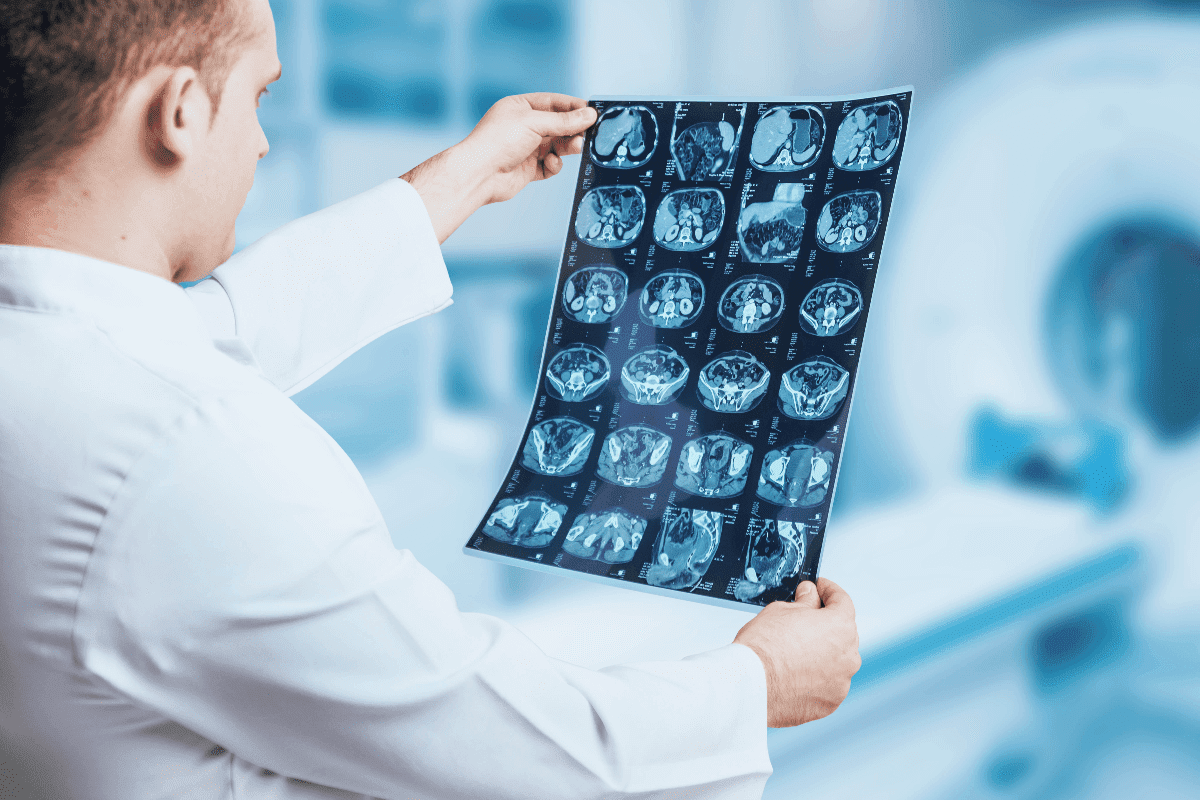
After removing a benign brain tumor, long-term monitoring is vital. It helps catch any signs of recurrence or changes in the patient’s health. This might include regular MRI scans, check-ups, and sometimes more treatments.
By knowing their condition well and following up as advised, patients with benign brain tumors can live full and meaningful lives.
Malignant Brain Tumors: Understanding the Challenges
Malignant brain tumors, like glioblastoma and low-grade gliomas, are tough to treat and have a poor survival rate. They grow fast and can greatly affect a person’s life quality.
Glioblastoma Prognosis and Treatment Advances
Glioblastoma is a very aggressive brain cancer with a bad history of survival. But, new treatments are showing hope for better survival chances. Treatment options now include surgery, radiation, and chemotherapy.
- Surgical resection to remove as much of the tumor as possible
- Radiation therapy to target remaining tumor cells
- Chemotherapy to further combat tumor growth
New treatments like targeted therapies and immunotherapies are being tested to see if they can help more.
Low-Grade Gliomas and Long-Term Survival
Low-grade gliomas are malignant but have a better outlook than glioblastoma. Treatment often starts with watching and waiting, then surgery or radiation if needed.
- Monitoring tumor growth and symptoms
- Surgical intervention when the tumor grows or symptoms worsen
- Radiation therapy for tumors that are not fully resectable
The aim is to treat the tumor well without harming the brain too much. This helps keep the patient’s quality of life good.
Understanding the challenges of malignant brain tumors is important for patients, caregivers, and doctors. Knowing about the latest treatments and survival chances helps people make better care choices.
Life After Brain Tumor: The Recovery Journey
The road to recovery after a brain tumor is long and involves many steps. It covers physical, mental, and emotional healing. Knowing about these stages can really help improve a person’s post-surgery quality of life.
Recovery is different for everyone. It depends on the type of tumor, the treatment, and the person’s health. Yet, there are common experiences that most people go through.
Physical Recovery Timeline
Getting better physically after brain tumor surgery takes time. At first, people might feel tired, weak, and sore. The physical recovery timeline can vary, but most start to feel better in a few weeks to months.
Rehabilitation therapy is key in physical recovery. It helps patients get stronger, move better, and do daily tasks again. A good rehabilitation plan can greatly improve a person’s life quality.
Cognitive and Emotional Healing
Cognitive and emotional healing are just as important. Brain tumor treatment can affect cognitive function, causing memory loss, trouble focusing, and mood changes. Cognitive therapy and training can help with these issues.
Additionally, emotional healing is crucial. Patients might feel anxious, depressed, relieved, or grateful. Support from loved ones and mental health experts is essential for emotional recovery. It helps them deal with the emotional side of their diagnosis and treatment.
In summary, recovering from a brain tumor is a complex journey. It needs a full approach that covers physical, mental, and emotional healing. By understanding the recovery process and using the right therapies, patients can improve their life after surgery and look forward to a fulfilling future.
Modern Treatment Approaches and Survival Outcomes
The way we treat brain tumors is changing fast. New methods are helping people live longer. Medical tech and understanding tumors better have led to better treatments.
Surgical Innovations and Their Impact
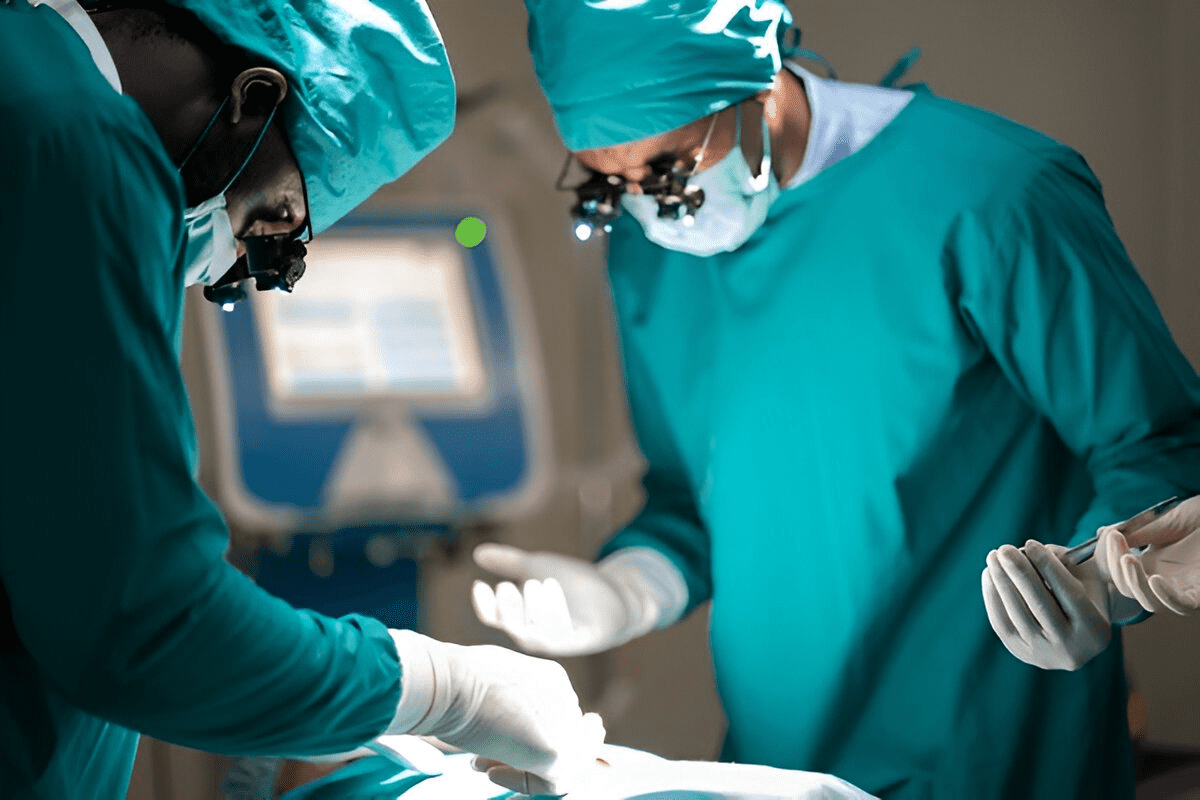
Surgery for brain tumors is getting better. Awake craniotomy and intraoperative MRI are making surgery safer. These new tools help doctors remove tumors more accurately.
Using fluorescent dyes to spot tumors during surgery is a big step forward. It helps doctors remove more of the tumor, which is good for patients.
Radiation Therapy Outcomes
Radiation therapy is key in treating brain tumors. New ways to deliver radiation, like stereotactic radiosurgery and intensity-modulated radiation therapy (IMRT), are making it more precise. This means fewer side effects and better tumor control.
- Improved local control of tumors
- Reduced risk of radiation-induced side effects
- Enhanced patient survival rates
Chemotherapy Response Rates
Chemotherapy is important for treating brain tumors, mainly the aggressive ones. Temozolomide and other drugs have made treatments more effective. Giving chemotherapy before main treatments can also improve results.
Scientists are working on personalized chemotherapy plans. These plans are based on what each tumor is like. The goal is to make treatments work better and have fewer side effects.
Targeted and Emerging Therapies
The world of brain tumor treatment is changing fast. New therapies are coming along that are more effective and have fewer side effects. This gives patients new hope.
Immunotherapy for Brain Tumors
Immunotherapy uses the body’s immune system to fight cancer. It’s showing great promise in treating brain tumors. By focusing on specific cancer cells, it can shrink tumors and slow the disease.
Checkpoint inhibitors and CAR-T cell therapy are two types being studied. Checkpoint inhibitors help the immune system attack cancer cells better. CAR-T cell therapy modifies T cells to destroy cancer cells, making treatment more personal.
Precision Medicine Approaches
Precision medicine is a big change in treating brain tumors. It focuses on the genetic and molecular details of each tumor. This way, doctors can tailor treatments to target specific weaknesses in the tumor.
This method uses advanced genetic testing to find unique DNA changes in tumors. This info helps doctors pick the best treatment. It can lead to better results and fewer side effects.
The use of targeted and new therapies in treating brain tumors is a big step forward. As research keeps improving, these treatments could lead to better survival rates and quality of life for patients.
Managing Tumor Recurrence
Managing tumor recurrence is key to better life quality for brain tumor survivors. Tumor recurrence happens when a tumor comes back after treatment. It can occur even after the first treatment is successful.
Warning Signs and Monitoring
Monitoring for tumor recurrence means regular check-ups and imaging tests like MRI or CT scans. Patients should watch for new symptoms or changes in old ones. These include headaches, seizures, or changes in thinking.
- Regular neurological exams to check for any changes in cognitive or physical function.
- Imaging tests like MRI or CT scans to monitor the tumor site.
- Blood tests to check for tumor markers or other indicators of recurrence.
Early detection is key to managing recurrence well. Patients should tell their healthcare provider about any new or worsening symptoms right away.
Treatment Options for Recurrent Tumors
Treatment for recurrent tumors depends on several things. These include the tumor type, its location, and the patient’s health. Options might include:
- Repeat surgery to remove the recurrent tumor.
- Radiation therapy, including stereotactic radiosurgery, to target the recurrent tumor.
- Chemotherapy or targeted therapy to control tumor growth.
Clinical trials may also offer more treatment options for patients with recurrent tumors. Patients should talk to their healthcare provider about these options. This helps decide the best treatment plan.
Quality of Life After Brain Tumor Treatment
Brain tumor treatment is just the start. The real challenge is adapting to life after. Patients face many challenges that can affect their physical health, thinking, and feelings. It’s important to understand these challenges and how to manage them to improve life after surgery.
Physical Capabilities and Limitations
After treatment, patients may have physical limits. These can include weakness, tiredness, and trouble with balance and coordination. The extent of these limits depends on the tumor’s location, size, and treatment type.
Rehabilitation is key to regaining strength and abilities. A personalized rehabilitation plan can help patients do daily tasks better and improve their quality of life.
Cognitive Function and Adaptation
Cognitive changes are common after treatment. Patients might struggle with memory, focus, and processing information. There are ways to manage these changes.
- Cognitive rehabilitation therapy to improve memory and concentration.
- Using memory aids like calendars and reminders.
- Breaking down tasks into simpler steps to reduce cognitive load.
Emotional Well-being and Mental Health
The emotional impact of treatment should not be ignored. Patients may feel anxious, depressed, or have mood swings. Addressing these emotional challenges is essential for maintaining a good quality of life.
Support from healthcare professionals, family, and support groups is important. Mental health support is a key part of caring for brain tumor patients.
| Aspect of Life | Common Challenges | Support Strategies |
| Physical | Weakness, fatigue, coordination issues | Rehabilitation programs, physical therapy |
| Cognitive | Memory loss, concentration difficulties | Cognitive rehabilitation, memory aids |
| Emotional | Anxiety, depression, mood swings | Mental health support, support groups |
Rehabilitation Therapies and Their Benefits
Rehabilitation is key for brain tumor survivors to live well. It helps them regain independence and do daily activities. The goal is to make life as normal as possible.
Therapies are made for each patient’s needs. These needs change based on the tumor, treatment, and health. Therapies aim to boost physical, cognitive, and emotional health.
Physical Rehabilitation Options
Physical therapy is vital for those with muscle weakness or coordination loss. It helps with mobility, strength, and balance. This reduces fall risks and injuries.
A physical therapist creates a custom exercise plan. This plan focuses on improving range of motion, heart health, and physical function.
Cognitive Rehabilitation Strategies
Cognitive therapy helps with memory loss, focus issues, and problem-solving. Cognitive therapists use exercises, strategies, and tools to enhance thinking. This improves daily tasks and independence.
This therapy boosts a patient’s ability to do daily tasks. It helps them stay independent and enjoy work or hobbies.
Speech and Language Therapy
Speech and language therapy helps with speech or language problems. Speech-language pathologists work on improving communication. They address issues like slurred speech or understanding language.
Therapy includes speech exercises, language therapy, and using special devices. These methods help improve communication skills.
Managing Long-Term Side Effects
Long-term side effects can really affect the life quality of brain tumor survivors. It’s key to manage them well. After treatment, patients face many challenges that need careful medical care.
Seizure Control and Management
Managing seizures is vital for brain tumor patients. Antiepileptic drugs (AEDs) help prevent seizures. But, finding the right drug and dose can take time.
Keeping a seizure diary is important. It tracks when seizures happen and what might cause them. This helps doctors tailor the treatment to each patient.
Hormone Imbalances and Treatment
Hormone imbalances can happen, mainly if the tumor is near the pituitary gland or hypothalamus. Endocrine dysfunction causes symptoms like fatigue and weight changes.
Hormone replacement therapy (HRT) is used to fix these imbalances. Regular blood tests and visits to the endocrinologist are needed to check if the treatment is working.
Dealing with Chronic Pain
Chronic pain is common after surgery, radiation, or the tumor itself. Managing pain well needs a mix of medication, physical therapy, and alternative therapies like acupuncture or meditation.
Patients should work with their healthcare team to create a pain plan. This might involve trying different treatments to find what works best.
Returning to Daily Life: Work, Family, and Social Activities
The journey to recovery doesn’t end with treatment. Many survivors must adapt to new realities in their personal and professional lives. As patients rebuild their strength and confidence, they frequently encounter the challenge of reintegrating into their daily routines.
Workplace Accommodations and Disability Benefits
Returning to work can be a big step in the recovery process. It brings a sense of normalcy and purpose. It’s important for survivors to know their rights regarding workplace accommodations and disability benefits.
Employers must make reasonable adjustments to help employees with disabilities. This includes those resulting from brain tumor treatment. Survivors should be aware of the resources available to them, like the Americans with Disabilities Act (ADA). This act provides protections against discrimination and ensures access to necessary accommodations. Disability benefits can also offer financial support during the recovery period.
- Discussing needs with employers and HR departments
- Understanding legal rights and protections
- Accessing resources for workplace accommodations
Family Dynamics and Relationships
The impact of a brain tumor diagnosis goes beyond the individual. It affects family dynamics and relationships. Loved ones play a key role in the recovery process, providing emotional support and helping with daily tasks.
But the diagnosis can also put a strain on relationships. The emotional and physical challenges it presents can be tough. Open communication and seeking support from counseling services or support groups can help families navigate these changes together.
Maintaining social activities is also vital for emotional well-being. Engaging in hobbies, spending time with friends, and participating in community activities can help survivors rebuild their social networks. It can also enhance their quality of life.
Long-Term Follow-Up Care and Monitoring
Long-term care is key for brain tumor patients. It helps keep them healthy and catches any tumor signs early. This care includes checking their health often and fixing any problems quickly.
Recommended Screening Schedule
Having a screening plan is important for catching problems early. The plan depends on the tumor type, treatment, and the patient’s risk.
- Regular MRI or CT scans to monitor for tumor recurrence
- Neurological exams to assess cognitive and physical function
- Laboratory tests to monitor for hormonal imbalances or other metabolic changes
Following the screening plan helps brain tumor patients a lot.
The Role of the Healthcare Team
The healthcare team is very important for brain tumor patients. They include neurosurgeons, oncologists, and more. They all work together to care for the patient.
Good communication among the team is key. They help manage side effects, support recovery, and help patients get back to their lives.
With their healthcare team, brain tumor patients can face recovery challenges. They can keep a good quality of life.
Success Stories: Long-Term Survivors
People who have beaten brain tumors and live full lives give hope to others. Their stories show how far medicine has come and our bodies’ strength. They prove we can overcome tough challenges.
Notable Cases and What We Can Learn
A young woman with glioblastoma, a tough brain tumor, is a great example. She got surgery, radiation, and new treatments. Now, she’s alive and fights for brain tumor research.
“I was told I had a limited time, but I refused to accept that. I’ve learned to cherish every moment, and I’m grateful for the treatment options that gave me a second chance.” –
A brain tumor survivor
Her story shows the power of a mix of treatments and never giving up. It’s key to beating a brain tumor.
Common Traits Among Long-Term Survivors
Studies found traits that help brain tumor survivors live longer. These include being active in treatment, having a strong support group, and watching health closely.
| Trait | Description | Benefit |
| Proactive Treatment Approach | Engaging fully with treatment options, including clinical trials | Increased chances of effective tumor management |
| Strong Support Network | Family, friends, and support groups providing emotional support | Enhanced mental and emotional well-being |
| Ongoing Health Monitoring | Regular follow-ups and screenings to catch any recurrence early | Improved survival rates through early detection of recurrence |
Knowing these traits can help those with brain tumors. It can make their survival chances better.
Conclusion
Understanding brain tumors and their treatment is key for long-term survival. The path to recovery includes effective treatment and ongoing care. Thanks to medical advancements, brain tumor survival rates have improved.
Survival depends on the tumor type, location, and the patient’s health. Regular check-ups are vital to catch any signs of tumor return. A recommended screening schedule and a team of healthcare professionals are important.
Follow-up care and support are vital for brain tumor survivors to live well. It’s important to stay informed and proactive about health. With the right care, many people can survive long-term and enjoy a good quality of life after a brain tumor diagnosis.
FAQ
What are the chances of long-term survival after a brain tumor diagnosis?
Survival chances vary a lot. It depends on the tumor type, its grade, and the patient’s health. For example, people with benign tumors like meningiomas usually do better than those with glioblastoma.
How do benign and malignant brain tumors differ in terms of prognosis?
Benign tumors are non-cancerous and often have a good outcome. Many patients fully recover after surgery. But, malignant tumors are cancerous and need aggressive treatments like radiation and chemotherapy. Success rates vary.
What factors influence the long-term survival of brain tumor patients?
Many things affect survival chances. Age, health, tumor location, size, and molecular markers are key. Younger patients with smaller, easier-to-reach tumors usually do better.
Can patients with glioblastoma expect long-term survival?
Glioblastoma is a fast-growing brain cancer with a tough prognosis. But, new treatments like targeted therapies and immunotherapy have helped some patients live longer.
How important is long-term monitoring after benign brain tumor removal?
Monitoring is very important after removing benign tumors. It helps catch any signs of new growth or recurrence early, ensuring timely treatment.
What rehabilitation therapies are available to brain tumor patients?
Rehabilitation therapies are key for recovery. They include physical, cognitive, and speech therapy. These help improve quality of life and function.
How can patients manage long-term side effects of brain tumor treatment?
Managing side effects like seizures, hormone imbalances, and pain needs a full approach. This includes medication, lifestyle changes, and ongoing medical care.
What is the role of the healthcare team in long-term follow-up care?
The healthcare team is vital for ongoing care. They monitor for recurrence, manage side effects, and support recovery. This ensures the best outcomes.
Are there any emerging therapies that offer hope for improved outcomes in brain tumor patients?
Yes, new therapies like immunotherapy and precision medicine are being developed. They offer hope for better treatment and survival rates.
How can patients adapt to life after brain tumor treatment?
Adapting to life after treatment requires rehabilitation, support, and lifestyle changes. This helps manage ongoing challenges and improves quality of life.
References
National Center for Biotechnology Information. Evidence-Based Medical Insight. Retrieved from https://pubmed.ncbi.nlm.nih.gov/31474929/