Last Updated on November 4, 2025 by mcelik

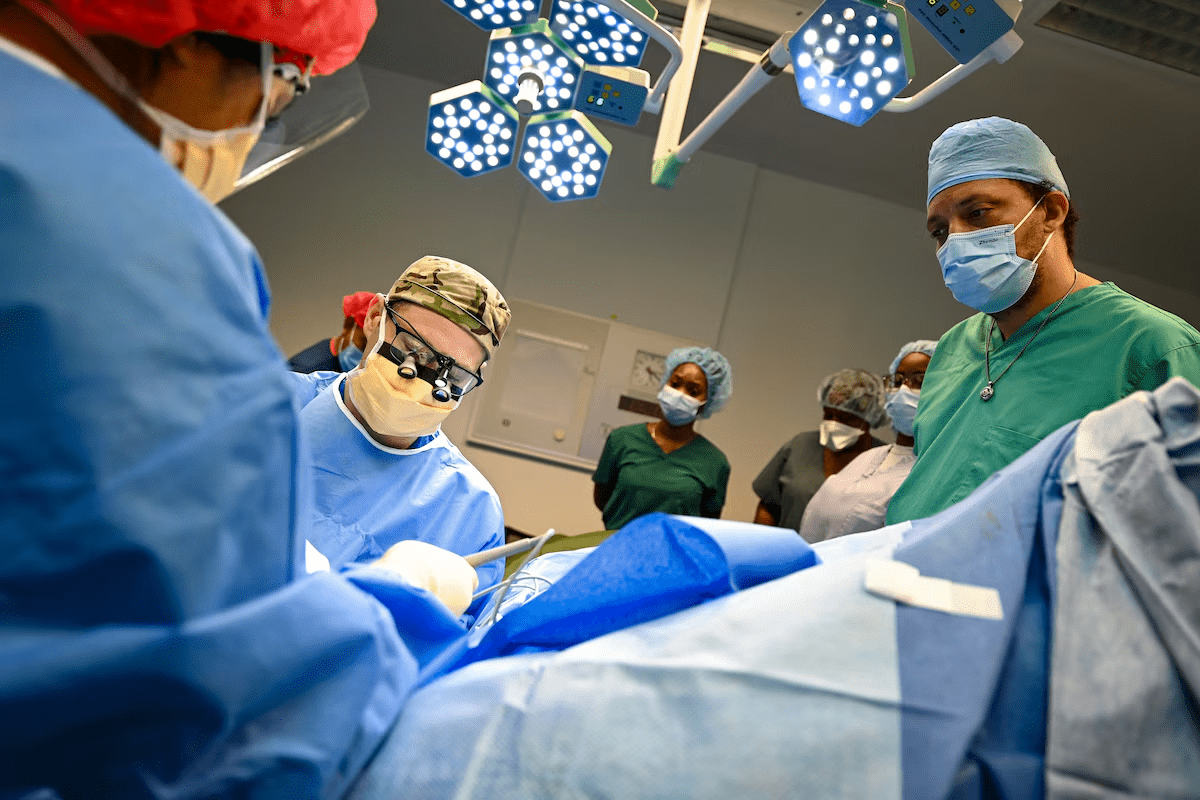
Life after herniated disc surgery can be greatly improved for many patients. Spinal disc herniation affects millions worldwide, causing pain and interfering with daily activities. Neurosurgeons perform herniated disc surgery to relieve pain and restore mobility.
Medical studies show that many patients experience positive outcomes after herniated disc surgery. They can return to their usual activities, and the long-term recovery results are generally favorable. With proper care and rehabilitation, patients often regain their strength and enjoy an active life after herniated disc surgery.
Key Takeaways
- Herniated disc surgery can significantly alleviate pain and discomfort.
- Many patients experience a substantial recovery after surgery.
- Long-term recovery outcomes are generally positive.
- Patients can return to their daily activities after recovery.
- Surgery can restore mobility and strength.
Understanding Herniated Disc Surgery
It’s important for patients to know about herniated disc surgery. This surgery helps relieve pain from a herniated disc.
There are many techniques in herniated disc surgery. Each one is chosen based on the patient’s needs. The main goal is to ease pressure on the spinal nerves. This helps reduce pain and improve movement.
Types of Herniated Disc Surgeries
There are several herniated disc surgeries:
- Discectomy: This involves removing part or all of the herniated disc.
- Microdiscectomy: A less invasive version of discectomy, using a microscope for accuracy.
- Endoscopic Discectomy: A minimally invasive method that uses an endoscope to see the disc.
Each surgery has its own benefits and when to use it. The choice depends on the patient’s condition and health.
Success Rates and Expectations
The success of herniated disc surgery varies. But most people see a big drop in pain. Studies show that 70-90% of patients get good results, but results can differ.
It’s key for patients to have clear expectations. Surgery is just one step in recovery. Post-surgery care, like physical therapy, is also vital for the best results.
“Surgery should be considered when conservative treatments have failed and the patient is experiencing significant pain or neurological symptoms.”
– Expert Opinion
Knowing about the different herniated disc surgeries and their success rates helps patients make better choices.
The Immediate Recovery Period
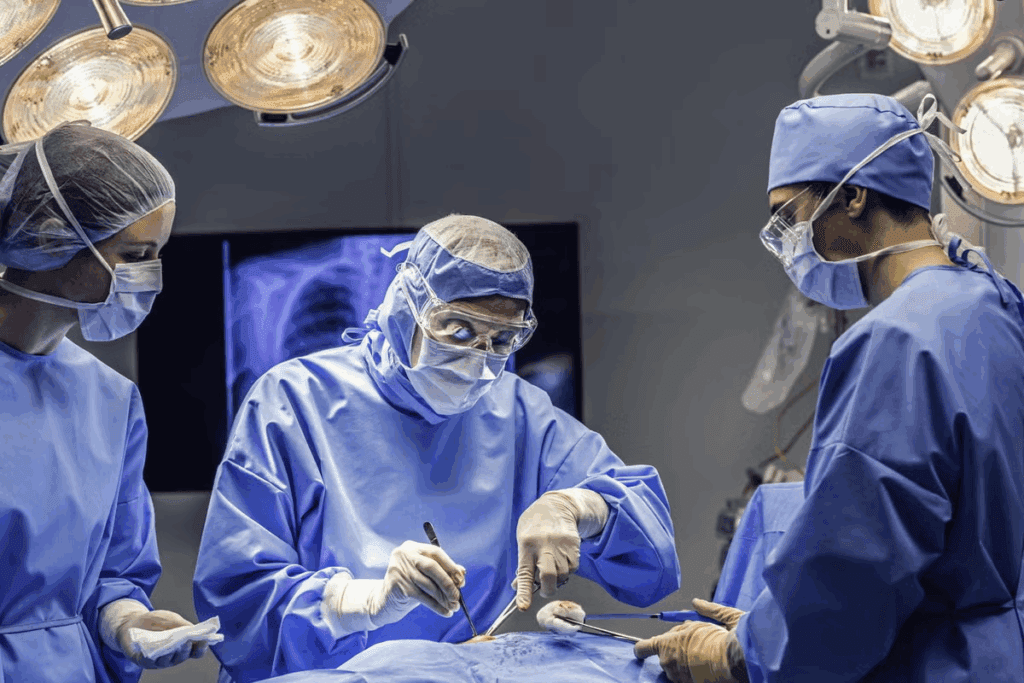
The time right after herniated disc surgery is key for a good outcome. It’s when the body starts to heal and manage symptoms. This phase is all about the body’s first steps towards recovery.
Hospital Stay and Initial Limitations
Most people stay in the hospital a few hours to a couple of days after surgery. This depends on the surgery’s complexity and the patient’s health. During this time, doctors watch over the patient closely, manage pain, and look for any complications.
Right after surgery, patients can’t do much. They’re told not to lift heavy, bend, or do strenuous activities. Doctors give each patient specific advice on what they can and can’t do.
When patients go home, they get detailed instructions. These include how to care for their wound, manage their medication, and schedule follow-up visits. Following these instructions is key to avoiding problems and recovering well.
Managing Post-Operative Pain
Managing pain is a big part of getting better right after surgery. Doctors use different ways to help with pain, like medicine, rest, and using ice or heat. Patients get pain meds that fit their needs and medical history.
It’s also important for patients to know when something’s not right. If they have too much pain, numbness, or weakness, they should get help right away. By following their doctor’s advice and staying in touch with their healthcare team, patients can get through this tough time.
First Weeks at Home: What to Expect
Coming home after herniated disc surgery is a big step. It starts a key recovery period. You’ll face new challenges and chances at home.
Setting Up Your Recovery Environment
Creating a good recovery space at home is key. You need to make a few changes. This ensures your area is comfy and safe.
- Clear clutter from your living areas to reduce tripping hazards.
- Set up a comfortable resting area with necessary items within easy reach.
- Ensure good lighting to help prevent accidents.
“A well-prepared home environment can significantly impact the recovery process, making it smoother and less stressful for the patient.”
-According to rehabilitation and recovery specialists.
Basic Movement Guidelines
Knowing how to move right after surgery is key. It helps avoid problems and aids healing. Here are some basic tips:
- Avoid heavy lifting, bending, or twisting.
- Use proper body mechanics when moving or lifting objects.
- Take regular breaks to rest.
Gentle movements and exercises, as recommended by your healthcare provider, can help maintain flexibility and strength.
Warning Signs to Watch For
Knowing the warning signs is important. It helps catch any issues early. Look out for:
- Increasing pain or numbness.
- Weakness in the legs or arms.
- Loss of bladder or bowel control.
If you notice these signs, call your healthcare provider right away.
Physical Therapy After Herniated Disc Surgery

Physical therapy is key after herniated disc surgery. It helps patients get back to normal. It improves mobility, strengthens muscles, and lowers the chance of future problems.
When Physical Therapy Begins
Physical therapy starts a few weeks after surgery. The exact time depends on health, surgery type, and the surgeon’s advice. It’s important to start when the surgeon says to avoid complications.
Common Therapeutic Exercises
A physical therapist creates a special exercise plan for each patient. These exercises include:
- Stretching to improve flexibility and reduce stiffness
- Strengthening exercises for back and core muscles
- Low-impact aerobic exercises like walking or swimming for heart health
These exercises are made just for you, ensuring a safe and effective recovery.
Working With Your Physical Therapist
Talking openly with your physical therapist is key for a good recovery. Tell them about any pain or concerns during sessions. They will adjust the plan to keep exercises safe and helpful.
The table below shows a typical physical therapy plan after herniated disc surgery:
| Phase | Timeline | Exercises/Activities |
| Initial Phase | 0-4 weeks post-surgery | Gentle stretching, pain management, and basic mobility exercises |
| Strengthening Phase | 4-8 weeks post-surgery | Progressive strengthening exercises for back and core muscles |
| Advanced Phase | 8-12 weeks post-surgery | Low-impact aerobic exercises and functional training |
By sticking to a physical therapy plan, patients can fully recover and avoid future back issues.
Pain Management Strategies Post-Surgery
Recovering from herniated disc surgery is more than just healing physically. It’s also about managing pain effectively. Good pain management is key to feeling comfortable and successful in your recovery.
Medication Options and Considerations
Medicines are a big part of managing pain after surgery. Usually, doctors mix different types of pain relievers to tackle pain from different angles. These might include:
- Over-the-counter pain relievers like acetaminophen or ibuprofen for mild to moderate pain.
- Prescription opioids for more severe pain, but they’re used carefully because of side effects and addiction risks.
- Muscle relaxants to help with muscle spasms that can happen after surgery.
It’s important to stick to your medication plan and talk to your doctor about any issues or side effects.
Non-Pharmaceutical Pain Relief Methods
There are also non-medication ways to manage pain and aid in recovery:
- Physical therapy is a big part of recovery, helping to get strength, flexibility, and function back.
- Heat and cold therapy can help ease pain and reduce swelling.
- Relaxation techniques, like deep breathing, meditation, or guided imagery, can help lower stress and aid healing.
Using these methods together can help patients manage their pain better and improve their recovery.
Life After Herniated Disc Surgery: The Recovery Timeline
Recovering from herniated disc surgery has different stages. Each stage has its own goals and challenges. Knowing the recovery timeline helps patients set realistic goals and make smart choices about their care.
1-3 Months Post-Surgery
The first few months are key. Patients usually see big improvements. It’s important to stick to a rehabilitation plan to heal right.
- Follow the surgeon’s instructions for post-operative care.
- Gradually increase physical activity as tolerated.
- Attend physical therapy sessions as recommended.
Key milestones during this phase include: getting stronger and more flexible, managing pain well, and doing daily tasks again.
3-6 Months Post-Surgery
After the first three months, patients keep getting better. This time is about getting stronger, more flexible, and able to do more.
Spine found that following a rehab plan helps a lot. It improves pain and function more than not following one.
“Rehabilitation after herniated disc surgery plays a critical role in achieving the best results.”
-Experts note.
| Activity | 3-6 Months Post-Surgery |
| Physical Therapy | Keep doing exercises to strengthen core and back muscles. |
| Daily Activities | Start doing harder tasks like lifting and bending. |
6-12 Months and Beyond
By six months, most patients have made a lot of progress. This phase is about keeping health long-term and avoiding spinal problems later.
Long-term recovery strategies include: staying at a healthy weight, exercising regularly, and using good posture and body mechanics.
“Success after herniated disc surgery comes from good surgery, effective rehab, and a healthy lifestyle.”
-As noted by experts.
Returning to Work After Surgery
Going back to work after herniated disc surgery needs careful planning. Everyone recovers differently. The time it takes to return to work depends on your job and how big the surgery was.
Timeline for Different Types of Jobs
The time it takes to go back to work changes a lot. It depends on if your job is active or if you sit a lot.
- Desk Jobs: If you have a desk job that doesn’t require much moving, you might be able to go back in 1-4 weeks. But, you should avoid lifting, bending, or twisting too much.
- Physically Demanding Jobs: Jobs that need a lot of lifting, bending, or moving might take longer, usually 6-12 weeks or more. You might need to change your job duties or take a temporary leave to come back safely.
Workplace Accommodations to Consider
To make going back to work easier, there are a few things you can do:
- Ergonomic Workspace: Make sure your workspace is set up right to avoid back strain. This means using a good chair, having your computer at eye level, and keeping things you use often close by.
- Flexible Work Schedule: Having a schedule that lets you take breaks can help you not get too tired. It also lowers the chance of making your back problem worse.
- Modified Duties: Changing your job duties to avoid heavy work or sitting for too long can help. Talking to your boss about what you can and can’t do can help find good changes.
Knowing how long it takes to recover and what work changes you can make can help you go back to work safely. It makes your transition back to work smoother and more successful.
Resuming Daily Activities
Going back to daily activities after herniated disc surgery needs careful planning. It’s important to find a balance between getting back to normal and letting your body heal. This balance is key to avoiding problems.
Household Chores and Self-Care
After surgery, household chores and self-care need a new approach. Start by avoiding heavy lifting, bending, and hard work that can hurt your back. You can slowly start doing simple tasks like cooking or laundry.
Remember to listen to your body and take breaks often.
Driving and Transportation
Driving and getting around are big parts of daily life that need thought after surgery. You should only drive when you feel comfortable and can handle emergencies without pain. Usually, doctors tell patients to not drive for 1-2 weeks after surgery, or as they advise.
When you start driving again, begin with short trips. Gradually make your trips longer as you feel more comfortable. Make sure your car seat and steering wheel are set up right for good driving posture. For getting around, try to avoid heavy lifting or straining by having someone else carry your bags or groceries.
Getting back to daily activities after herniated disc surgery takes time, patience, and planning. By slowly adding back household chores, self-care, driving, and other tasks, you can smoothly return to your usual life.
Exercise and Physical Activity Post-Surgery
Starting a good exercise plan after herniated disc surgery is key. It helps you regain strength and flexibility. This is important for a successful recovery.
Safe Exercises to Start With
Begin with gentle exercises that don’t hurt your back. Some good ones to start with are:
- Pelvic tilts: They strengthen your abdominal muscles.
- Knee to chest stretches: These stretches relieve tension gently.
- Lower back stretches: Done carefully, they improve your flexibility.
Always do these exercises with a healthcare professional or physical therapist. They will make sure you’re doing them right.
Activities to Avoid or Modify
There are activities you should avoid or change during recovery. These include:
| Activity | Reason to Avoid/Modify |
| Heavy lifting | It can strain your back and slow healing. |
| Bending or twisting | These can stress your spine too much. |
| High-impact activities | Things like running or jumping can shock your spine. |
Building a Sustainable Fitness Routine
Creating a lasting fitness plan after surgery means starting slow. Then, you can do more challenging things. Remember to:
- Stop if you feel pain.
- Slowly add more intensity and time to your workouts.
- Include cardio, strength training, and stretching in your routine.
By listening to your body and getting advice from healthcare pros, you can build a fitness plan. This plan will help keep your spine healthy and improve your overall health.
Returning to Sports and Recreational Activities
Going back to sports and fun activities is a big step after herniated disc surgery. People want to be as active as before. But, it’s important to do it right to keep the spine healthy and avoid getting hurt again.
Low-Impact vs. High-Impact Activities
Choosing the right activities to get back into is key. Low-impact activities like walking, swimming, or cycling are good to start with. They don’t put too much stress on the spine. On the other hand, high-impact activities like running or sports that involve contact are harder on the spine and should be approached with caution.
- Low-Impact Activities: Swimming, cycling, walking
- High-Impact Activities: Running, jumping, contact sports
Specific Considerations for Different Sports
Every sport is different and affects the body in its own way. For example, sports that make you twist or bend a lot might not be good for someone with a herniated disc. It’s also important to think about how fit you need to be for a sport and to start slowly.
Some things to think about include:
- The level of impact involved in the activity
- The degree of twisting or bending required
- The need for quick changes of direction or speed
- The possibility of getting hit or falling
By looking at these points and talking to doctors, people can choose safe sports and activities to get back into.
Intimate Life and Personal Relationships
Recovering from herniated disc surgery is more than just healing physically. It’s also about adjusting to changes in intimate life and personal relationships. Patients often ask when they can go back to their usual intimate activities.
Resuming Sexual Activity Safely
Starting sexual activity again after surgery needs patience and care. Always wait for the doctor’s okay, usually at a follow-up visit. This is usually 4-6 weeks after surgery, but it depends on how fast you heal.
When you start again, choose positions that don’t put too much strain on your back. Good options include:
- Positions that don’t make you bend or twist much
- Lying on your back with your partner on top
- The spooning position
Stay away from activities that make you lift, bend, or twist a lot. These can hurt your back and slow down healing.
Communication with Partners About Limitations
Talking openly with your partner about what you can and can’t do is key during recovery. Share what you can handle and any pain you feel during intimate moments.
Important things to talk about include:
- What you can and can’t do physically
- Any pain or discomfort you feel
- The need for patience and understanding as you heal
Being open and honest helps you and your partner find ways to stay close while your body heals.
Healing from herniated disc surgery is a journey that affects more than just your body. It changes your personal and intimate life too. With the right support and communication, you can get through this and enjoy a fulfilling intimate life again.
Long-Term Lifestyle Modifications
After herniated disc surgery, making long-term lifestyle changes is key. These changes help you avoid future spinal problems. They also improve your overall quality of life.
Ergonomic Considerations
Ergonomics is important for your spine’s health. Adjusting your workspace and home can greatly help your recovery and long-term health.
- Make sure your workspace supports good posture. Your monitor should be at eye level, and your chair should support your lower back.
- Use ergonomic tools like keyboard trays and standing desks to ease strain.
- Stand, stretch, and move often, if your job involves sitting a lot.
Posture and Body Mechanics
Good posture and body mechanics are vital. They help prevent injury and reduce strain on your spine.
Key Practices:
- Stand tall with your shoulders back and weight evenly on both feet.
- When lifting, bend at the knees, keep the object close, and lift with your legs.
- Avoid twisting or bending at the waist.
By following these practices daily, you can greatly improve your spinal health. This reduces the chance of future problems.
Potential Complications and How to Address Them
Knowing about complications after herniated disc surgery is key for a good recovery. While most surgeries work well, some patients face issues that need careful attention.
Persistent or Recurring Pain
One common problem is persistent or recurring pain after surgery. This pain can stem from incomplete healing, new injuries, or conditions not fully treated by surgery.
Managing Persistent Pain: If you’re dealing with ongoing pain, talk to your doctor. They can find out why and suggest the right treatment. This might include more therapy, medication, or changes in your lifestyle.
| Cause | Symptoms | Management |
| Incomplete Recovery | Continued pain at the surgical site | Physical therapy, pain management medication |
| New Injuries | Pain in new areas or exacerbation of existing pain | Rest, rehabilitation, possible further surgery |
| Underlying Conditions | Varied, depending on the condition | Treatment of the underlying condition |
Adjacent Segment Disease
Adjacent segment disease happens when discs near the surgery site degenerate or herniate. It can be due to aging or stress on these discs after surgery.
Symptoms and Treatment: Signs include back or limb pain, numbness, or weakness. Treatment can range from physical therapy and medication to surgery, depending on the case.
It’s vital for patients to be aware of these complications. Working closely with healthcare providers helps monitor and address any issues quickly.
Mental Health and Emotional Well-being
Mental health is key in recovering from herniated disc surgery. The emotional journey is as tough as the physical one. Patients often feel a mix of relief and frustration.
Recovery from surgery takes time and patience. It’s normal to feel overwhelmed or frustrated. Recognizing these feelings is the first step towards managing them.
Dealing with Recovery Frustrations
Frustrations during recovery come from pain, limited mobility, and not being able to do daily tasks. To handle these feelings, patients can:
- Set realistic goals and celebrate small wins
- Do things that bring joy and distract from pain
- Try relaxation techniques like deep breathing or meditation
A healthcare professional said, “It’s important for patients to know their emotional response to surgery is valid. There are resources to help them cope.”
“The psychological impact of surgery should not be underestimated. Support from family, friends, and professionals can make a big difference in a patient’s recovery journey.”
Support Resources Available
Patients can find many support resources for their mental health and emotional well-being during recovery. These include:
| Resource | Description |
| Professional Counseling | One-on-one counseling to address emotional challenges |
| Support Groups | Group sessions with others undergoing similar experiences |
| Online Resources | Websites, forums, and apps providing guidance and community |
Using these resources can help patients deal with the emotional side of recovery. By understanding the importance of mental health and seeking help when needed, patients can better navigate their recovery journey.
Travel and Vacation After Herniated Disc Surgery
Traveling after herniated disc surgery needs careful planning. This ensures a smooth and enjoyable trip. Patients must consider several factors for comfort and safety, whether locally or internationally.
Air Travel Considerations
Air travel can be tough after surgery. The goal is to reduce discomfort and avoid complications. Here are some tips for air travel after herniated disc surgery:
- Choose a seat with more legroom to reduce strain on your back.
- Consider booking a direct flight to avoid the hassle of changing planes.
- Stay hydrated by drinking plenty of water during the flight.
- Take regular walks up and down the aisle to prevent blood clots.
- Wear compression socks to improve circulation.
It’s wise to talk to your doctor before flying, even if you’re early in recovery. They can give advice tailored to your situation.
Planning Accommodations and Activities
When planning your trip, think about accommodations that support your recovery. For example, a hotel room with a comfortable bed and easy access can help. Here are some factors to consider:
| Accommodation Factor | Considerations |
| Bed Comfort | Opt for a firm mattress or bring a portable mattress topper if needed. |
| Accessibility | Choose locations with easy access to amenities and transportation. |
| Activities | Plan for low-impact activities that don’t strain your back, such as sightseeing from a vehicle or taking short, gentle walks. |
Planning your itinerary around your recovery needs can make your vacation enjoyable and relaxing.
“The key to a successful recovery is not just the surgery itself, but also the post-operative care and lifestyle adjustments that follow.”
-Professionals highlight
By planning your travel and vacation after herniated disc surgery, you can have a fulfilling experience. This supports your recovery and protects your back.
Conclusion
Recovering from herniated disc surgery takes time, effort, and knowing what to expect. Understanding the different surgeries and their success rates helps set realistic goals for recovery. This knowledge is key to moving forward after surgery.
A successful recovery goes beyond the immediate healing period. It also means making long-term changes in how you live and move. This includes using ergonomic tools and improving your posture. Physical therapy is also vital to regain strength and flexibility.
With the right care and following post-operative instructions, many people can return to their normal lives. It’s important to do safe exercises and avoid activities that might harm your spine. This helps prevent future problems.
In the end, a full recovery from herniated disc surgery is possible. It lets people get back to their daily activities and enjoy hobbies. By following the advice in this article, you can confidently make your way through the recovery process.
FAQ
What is the typical recovery time after herniated disc surgery?
Recovery times vary, but most people can get back to normal in 1-3 months. But, it can take 6-12 months to fully recover, including getting back strength and mobility.
Will I need physical therapy after herniated disc surgery?
Yes, physical therapy is often needed after surgery. It helps regain strength, improve mobility, and safely return to daily activities.
Can I drive after herniated disc surgery?
Driving is not recommended for 1-2 weeks after surgery. You should wait until you can sit comfortably and operate a vehicle without pain.
How long does it take to return to work after herniated disc surgery?
Returning to work depends on your job, surgery extent, and recovery. Desk jobs might return in 1-2 weeks. Jobs needing heavy lifting or bending may take 6-12 weeks or more.
Are there any exercises I should avoid after herniated disc surgery?
Yes, avoid high-impact activities, heavy lifting, and bending early on. Your healthcare provider or physical therapist can guide you on safe exercises.
Can I resume sexual activity after herniated disc surgery?
It’s best to wait 2-4 weeks before resuming sexual activity. Avoid positions that cause discomfort or strain on your back.
How can I manage pain after herniated disc surgery?
Manage pain with medication, physical therapy, and non-pharmaceutical methods. Try heat or cold therapy, relaxation techniques, and alternative therapies like acupuncture.
Are there any long-term lifestyle changes I need to make after herniated disc surgery?
Yes, make ergonomic adjustments, improve posture, and maintain a healthy weight. These can prevent future back problems and promote well-being.
Can I travel after herniated disc surgery?
Travel is possible after recovery. Consider air travel, accommodations, and activities that may affect your back. Get advice from your healthcare provider.
What are the possible complications of herniated disc surgery?
Complications include persistent or recurring pain, adjacent segment disease, and infection. Discuss these risks with your healthcare provider to understand how to address them.
How can I maintain mental health and emotional well-being during recovery?
Stay connected with friends and family, enjoy activities, practice relaxation techniques, and seek mental health support if needed.
References
- Lear, J. T., & Meyers, S. P. (2022). Postoperative recovery patterns following discectomy surgery in lumbar disc herniation: a prospective observational study. Scientific Reports, 12, 21263. https://www.nature.com/articles/s41598-022-15169-8