Last Updated on November 13, 2025 by
Many people can live a normal or near-normal expectancy, But, how well they recover can really vary.
Recent studies show good three-year survival rates for blood cancers. These rates range from 60-79% after a transplant. This is a hopeful sign for many patients.
Every person’s journey to recovery is unique. But knowing you can have a normal life post-transplant is key for patients and their families.
Key Takeaways
- Many patients can enjoy a normal or near-normal life after a stem cell transplant.
- Recovery and outcomes vary significantly among individuals.
- Three-year survival rates for blood-related cancers post-transplant are between 60-79%.
- Personalized support is vital for a smooth recovery.
- Understanding the life post-transplant is key for patients.
Understanding Stem Cell Transplants
Stem cell transplants are a key treatment for blood-related diseases. We’ll cover what they are, their types, and what conditions they treat.
What is a Stem Cell Transplant?
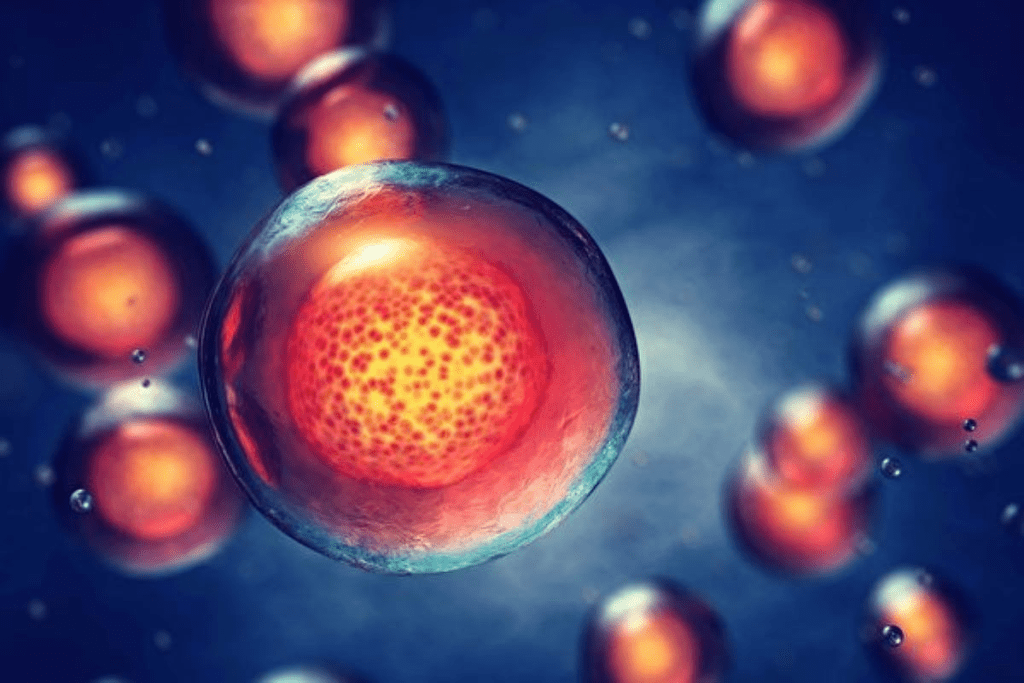
A stem cell transplant, or bone marrow transplant, replaces damaged stem cells with healthy ones. Stem cells can turn into different blood cells. This helps treat blood cancers and disorders like leukemia and lymphoma.
Types of Stem Cell Transplants
There are several stem cell transplant types, each with its own use:
- Autologous transplant: Uses the patient’s own stem cells, collected, stored, and then reinfused after chemotherapy.
- Allogeneic transplant: Uses stem cells from a donor, often a sibling or unrelated donor.
- Syngeneic transplant: A rare type where the donor is an identical twin.
Common Conditions Requiring Transplants
Stem cell transplants treat serious conditions, including:
- Leukemia: A cancer of the blood or bone marrow.
- Lymphoma: A cancer of the immune system.
- Multiple myeloma: A cancer of plasma cells in the bone marrow.
- Aplastic anemia: A condition where the bone marrow fails to produce blood cells.
Understanding stem cell transplants helps patients make informed decisions about their treatment.
Life Expectancy After Stem Cell Transplant: What Research Shows
Knowing how long you might live after a stem cell transplant is key for both patients and doctors. New studies have given us important info on survival rates and what affects them for transplant patients.
Overall Survival Statistics
Research shows that survival rates after a stem cell transplant have gotten better over time. Three-year survival rates for blood-related cancers after transplant are between 60-79%. This shows a good trend in treatment success. Better technology, care, and managing complications have helped a lot.
Condition-Specific Survival Rates
Survival rates after a stem cell transplant can change a lot based on the disease being treated. For example, some leukemia or lymphoma patients might have different survival chances than others. A study in Anales de PediatrÃa found good results for certain patient groups.
Factors Affecting Long-Term Survival
Many things can affect how long a patient lives after a stem cell transplant. These include the patient’s age, health, the disease being treated, and the transplant type. Managing graft-versus-host disease (GVHD) and other issues well is also key. Doctors keep working to make treatments better for patients. Life expectancy after stem cell transplant depends on health, cancer type, treatment response, and long-term recovery with proper care
By knowing these factors and keeping up with new research, patients and their families can handle the challenges of recovery and long-term care better.
The First 30 Days After Stem Cell Transplant
The first 30 days after a stem cell transplant are very important. Patients stay in the hospital and start their recovery. They are watched closely for any problems or rejection.
Hospital Stay and Immediate Recovery
Patients usually stay in the hospital for weeks after a stem cell transplant. This is to manage risks like infection and graft-versus-host disease (GVHD). Our care includes:
- Checking blood counts and health
- Medicines to prevent infection and GVHD
- Help with nutrition to aid recovery
Our team works hard to make sure patients get the best care. We stress the need to follow medication and keep up with appointments.
Managing Initial Side Effects
Side effects like fatigue, nausea, and hair loss can be tough. We help manage these with medicines and support. Key strategies include:
- Anti-nausea meds to stop vomiting
- Nutrition advice for dietary needs
- Psychological support for emotional recovery
Early Signs of Engraftment
Engraftment is when the new stem cells start making blood cells. Signs of this include:
- Higher white blood cell counts
- Better energy
- Less need for blood transfusions
We watch for these signs and adjust care to help recovery.
Reaching the 100-Day Milestone
Reaching the 100-day mark after a stem cell transplant is a big deal. It shows a big step towards getting better and feeling normal again. At this time, patients and doctors watch how they’re doing, deal with any side effects, and look ahead.
Medical Evaluations at Day 100
At the 100-day point, patients get detailed medical checks. These checks look at their health and if the transplant worked. They might include:
- Blood tests to see if the new cells are working
- Bone marrow biopsies to check the new marrow
- Imaging studies to watch for any problems
- Tests to see if the organs are okay
These tests help doctors see how the patient is doing and spot any problems early.
Common Challenges During This Period
Even reaching the 100-day mark, patients might face some tough times. Some common problems are:
- Graft-versus-host disease (GVHD), where the new cells attack the body
- Infections, because the immune system is rebuilding
- Feeling very tired and weak, as the body makes more blood cells
- Dealing with emotional and mental changes as they adjust to their new life
Handling these challenges needs a team effort. This includes the patient’s healthcare team, family, and friends.
Transitioning to Outpatient Care
For many, the 100-day mark means moving from hospital care to outpatient care. This change involves:
- Regular visits with the healthcare team
- Keeping an eye on blood counts and health
- Changing medications and treatment plans as needed
- Slowly going back to normal activities, like work and social events
Switching to outpatient care needs careful planning. Patients and their caregivers must be ready to handle any issues and keep up with follow-up visits.
Life 6 Months Post Stem Cell Transplant
Patients usually feel better six months after a stem cell transplant. This time is key to seeing how well they’re recovering. It helps them know what steps to take to get back to full health.
Physical Recovery Progress
Getting back physically is a big part of recovering after a transplant. By six months, many patients feel more energetic and stronger. This is because their bodies are getting used to the new stem cells and healing.
Key indicators of physical recovery progress include:
- Increased energy levels
- Improved muscle strength
- Better tolerance to physical activities
Immune System Rebuilding
The immune system starts to get better six months after a transplant. But it’s not fully strong yet and can get sick easily. Patients need to keep up with ways to prevent infections.
“The immune system’s recovery is a gradual process that requires patience and adherence to preventive measures,” says a leading hematologist.
Returning to Normal Activities
As patients get stronger, they can start doing things they used to do. This includes going back to work and seeing friends. But they should do it slowly and with their doctor’s advice to avoid getting too tired.
Returning to normal life involves:
- Gradually increasing physical activity
- Re-engaging in social activities
- Returning to work or school, if applicable
Understanding how far they’ve come six months after a transplant helps patients. It guides them in making smart choices about their health.
Stem Cell Transplant Recovery: The First Year and Beyond
Recovering from a stem cell transplant is a long journey. It goes beyond the first year, with big milestones in the years that follow. Patients go through many physical, emotional, and social changes. These changes affect their quality of life.
One-Year Survival Benchmarks
Reaching one year after a stem cell transplant is a big deal. Studies show survival rates get better after this point. One-year survival benchmarks give insights into the transplant’s success and the patient’s health.
- Survival rates depend on the condition being treated.
- Patients with cancer may have different survival rates than those with non-malignant conditions.
- Overall health and comorbidities are key to long-term survival.
Quality of Life Improvements
After the first year, patients often see big improvements in their quality of life. This includes:
- Better physical function and less fatigue.
- Improved emotional health and less anxiety or depression.
- More ability to join social activities and go back to work or school.
These gains come from the immune system’s recovery and fewer side effects from treatment.
Long-term Follow-up Care
Long-term care is vital for patients after a stem cell transplant. This care helps to:
- Watch for late effects of treatment, like graft-versus-host disease or secondary cancers.
- Manage chronic health issues that might come from the transplant.
- Support patients through the challenges of recovery and getting back into daily life.
By focusing on long-term care, healthcare providers can help patients achieve the best outcomes. This improves their quality of life.
Building Your Immune System After Stem Cell Transplant
Rebuilding your immune system is key after a stem cell transplant. It takes time for the immune system to get back to normal. Knowing this helps patients take care of their health better.
Timeline for Immune Reconstitution
Immune reconstitution happens slowly and differently for everyone. It starts a few months after the transplant. But it can take up to a year or more to fully recover.
Early stages of recovery: Right after the transplant, patients are very susceptible to infections. They are closely watched by doctors during this time.
Factors influencing recovery: How fast the immune system recovers can depend on several things. These include the type of transplant, the patient’s health, and any complications.
Vaccination Schedules and Recommendations
After a stem cell transplant, patients need to follow a vaccination schedule. This helps protect them from infections. The schedule starts when the immune system starts to recover.
- Inactivated vaccines are recommended first because they are safer for a recovering immune system.
- Live vaccines are avoided until the immune system is fully recovered to avoid complications.
Infection Prevention Strategies
Stopping infections is important for rebuilding the immune system. Patients should follow strict hygiene, avoid sick people, and stay away from crowded places.
Practical tips:
- Wash your hands often with soap and water to prevent infections.
- Don’t share personal items to lower the risk of infection.
- Keep up with recommended vaccinations to fight off specific infections.
Returning to Work and Social Life
Recovering from a stem cell transplant is more than just getting better physically. It’s also about going back to work and reconnecting with others. This part of recovery is key to feeling normal again and improving life quality.
Employment Challenges After Transplant
Going back to work after a stem cell transplant is tough. Patients might feel weak, tired, and have trouble thinking clearly. These issues can make it hard to do their job. Also, the emotional and mental recovery can affect their readiness to work.
Studies show that only about 53% of patients go back to work three years after the transplant. This shows the need for support and resources to help them overcome work challenges.
Social Reintegration Strategies
Getting back into social life is a big part of recovery. Here are some strategies for successful reintegration:
- Start with small social steps to avoid feeling too overwhelmed
- Stay in touch with loved ones through regular chats
- Join community activities or support groups to meet others who understand
These steps can help patients rebuild their social lives and fight off feelings of loneliness.
Adapting Recreational Activities
It’s important to keep up with fun activities to stay physically and mentally healthy. Patients should:
- Begin with easy activities like walking or yoga
- Slowly increase the intensity and time of activities as they get stronger
- Try new hobbies or interests that they enjoy and can handle with their current health
Managing Others’ Expectations
It’s key to manage what others expect when going back to work and social life. Patients should talk openly with their bosses, coworkers, and friends about what they can and can’t do. Setting clear goals and limits can help manage expectations and reduce stress.
By understanding the challenges and using effective strategies, patients can successfully return to work and social life after a stem cell transplant. This improves their recovery and overall quality of life.
Managing Long-term Side Effects
Recovering from a stem cell transplant means dealing with long-term side effects. These can include chronic graft-versus-host disease, fatigue, and other health issues. It’s important to manage these effects well.
Chronic Graft-Versus-Host Disease
Chronic graft-versus-host disease (cGVHD) can harm organs like the skin, liver, and eyes. Early diagnosis and treatment are key to managing cGVHD. Regular check-ups with your doctor are important to catch signs early.
Fatigue Management Strategies
Fatigue is a common side effect that can really affect your life. Effective management strategies include pacing yourself, eating well, and exercising regularly. Stress-reduction techniques like meditation or yoga can also help.
Secondary Health Complications
After a stem cell transplant, you might face secondary health issues like infections, organ damage, and cancers. Staying vigilant and taking preventive steps are important. Make sure to get all recommended vaccinations and tell your doctor about any symptoms that worry you.
Treatment Options for Persistent Issues
Treatment for ongoing problems depends on the issue. For cGVHD, treatments might include medications and supportive care. For fatigue, lifestyle changes and sometimes medication are suggested. We help patients create a treatment plan that fits their needs.
Comprehensive Support Systems for Transplant Survivors
Transplant survivors need a full support system. This includes medical care, psychological help, and rehab programs. Recovery after a stem cell transplant is more than just medical treatment. It needs a care approach that covers everything.
Multidisciplinary Medical Follow-Up
Patients after a stem cell transplant need ongoing medical care. This care is given by a team of doctors, nurses, and specialists. Regular check-ups are key to watching over the patient’s health and solving any problems fast.
The National Cancer Institute says, “Follow-up care is a big part of cancer treatment. It helps check for cancer coming back and manages treatment side effects.”
“The care after a transplant is as important as the transplant itself,” says, a leading hematologist. “It needs teamwork from the patient, their family, and the healthcare team.”
Psychological and Emotional Support
The emotional and psychological effects of a stem cell transplant are big. Survivors feel many emotions, from anxiety and fear to relief and gratitude. Psychological support is key to helping patients deal with these feelings and adjust to their new life.
- Counselling and therapy sessions
- Support groups for patients and their families
- Mindfulness and stress-reduction techniques
These resources help patients face the emotional challenges of recovery. They improve the patient’s quality of life.
Rehabilitation Programs
Rehab programs are vital for transplant survivors to get strong again. They include physical therapy, occupational therapy, and nutrition advice. A personalized rehab plan can greatly help a patient’s recovery.
The cost of a stem cell transplant can be high. Understanding insurance and finding financial help can be hard. Patients and their families need help managing these costs.
We help patients understand their insurance and find financial aid. This includes:
- Help with insurance claims and pre-approvals
- Guidance on financial aid programs and grants
- Assistance with managing out-of-pocket costs
We offer a full support system for transplant survivors. It helps with their physical, emotional, and financial health.
Conclusion: Embracing Life After BMT
Many patients can live a normal or almost normal life after a stem cell transplant. We’ve looked at the different parts of stem cell transplant recovery. This includes the early stages, long-term survival, and improving quality of life.
FAQ’s:
What is the success rate of stem cell transplants?
The success rate of stem cell transplants varies. It depends on the condition, patient health, and type of transplant. Many patients see long-term remission and better quality of life.
How long does it take to recover from a stem cell transplant?
Recovery from a stem cell transplant takes time. It can be several months to a year or more. The first 30 days are very important, and patients need close medical care.It may take up to 6 months or more for the immune system to fully recover. Then, patients can slowly return to normal activities.
What are the common challenges faced by patients 100 days after a stem cell transplant?
At 100 days, patients are often recovering from the transplant. They face challenges like managing side effects and preventing infections. Adjusting to life outside the hospital is also a big step.
How can I rebuild my immune system after a stem cell transplant?
Rebuilding your immune system needs medical advice and lifestyle changes. Follow vaccination schedules and practice infection prevention. A healthy lifestyle also helps.
Can I return to work and social life after a stem cell transplant?
Yes, many patients can go back to work and social life. But it’s important to plan carefully. Talk to your healthcare provider about your plans.Adapting to social activities and managing expectations can help. This makes the transition smoother.
How do I manage long-term side effects after a stem cell transplant?
Managing long-term side effects needs ongoing medical care. Work closely with your healthcare provider. They can help with chronic issues like fatigue and secondary health problems.Treatment options and lifestyle changes can help alleviate these issues.
What kind of support systems are available for transplant survivors?
Transplant survivors have access to many support systems. These include medical follow-up, psychological support, and rehabilitation programs. Financial and insurance guidance is also available.These resources are key to recovery and help patients live fulfilling lives after transplant.
What is the timeline for immune reconstitution after a stem cell transplant?
Immune reconstitution after stem cell transplant takes time. It can take several months to a year or more. Follow your healthcare provider’s advice on vaccinations and infection prevention.
How does a stem cell transplant affect life expectancy?
The effect of a stem cell transplant on life expectancy varies. It depends on the condition, patient health, and transplant outcome. Research shows that many patients can live long and have a better quality of life after a transplant.
References
- D’Souza, A., et al. (2022). Trajectories of quality of life recovery and symptom burden in multiple myeloma patients after autologous hematopoietic cell transplantation. Biology of Blood and Marrow Transplantation, 28(6), 1100-1107. https://pmc.ncbi.nlm.nih.gov/articles/PMC9659666/
- Paweş‚czak-Szastok, M., et al. (2025). Trajectories of quality of life during hematopoietic stem cell transplantation: A longitudinal study. Bone Marrow Transplantation. https://pmc.ncbi.nlm.nih.gov/articles/PMC11814371/
- Amonoo, H. L., et al. (2020). Improving quality of life in hematopoietic stem cell transplant survivors: Addressing physical and psychological consequences. Journal of Psychosocial Oncology, 38(2), 167-183. https://www.sciencedirect.com/science/article/pii/S1083879120300987