Last Updated on October 31, 2025 by
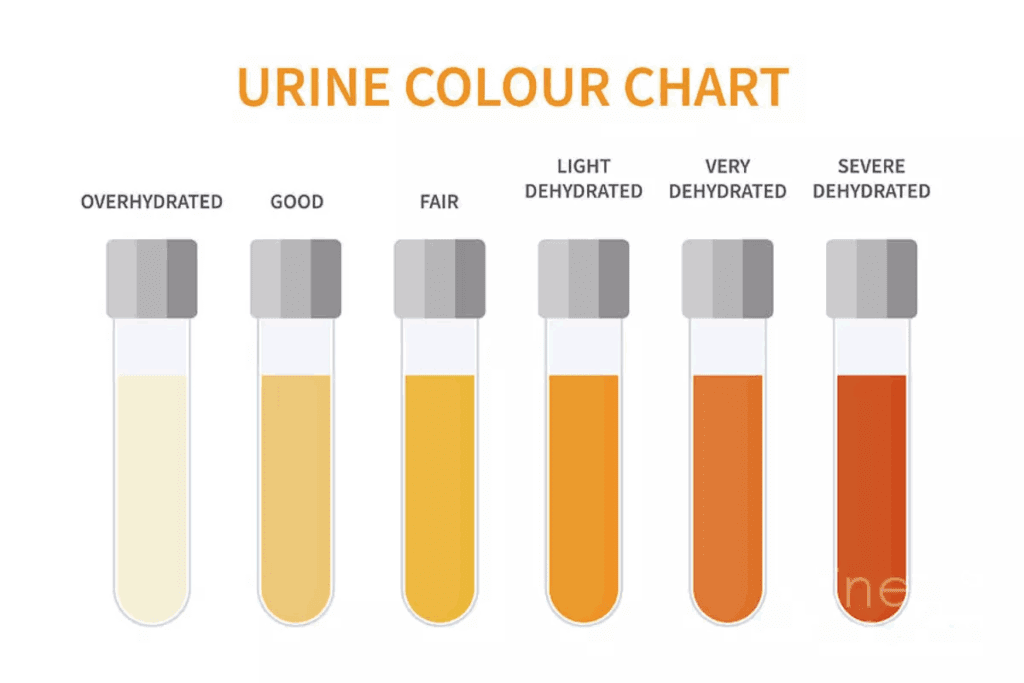
Knowing your urine color is a simple way to check if you’re hydrated and healthy. At LivHospital, we teach patients how to stay well. The color of your pee can tell if you’re drinking enough water or if there’s a health problem.
Urine color can be pale yellow to dark amber, with many shades in between. Each shade means something different about your health. Foods and medicines can also change your urine color, making it a complex sign.
Watching your urine color can give you clues about your hydration and health. It can help spot problems early.
Key Takeaways
- Urine color is an indicator of hydration status.
- Different urine colors can signal various health conditions.
- Diet and medications can influence urine color.
- Monitoring urine color can aid in the early detection of health issues.
- Understanding urine color is part of maintaining overall wellness.
The Science Behind Urine Color

The science of urine color shows how our body’s waste and water levels work together. The main factor is urochrome, a pigment from breaking down hemoglobin.
How Urochrome Affects Urine Appearance
Urochrome is a waste product our kidneys filter out. The amount of urine changes its color. When we drink enough water, our urine is clearer because urochrome is spread out.
But if we don’t drink enough water, urochrome builds up. This makes our urine darker.
The Relationship Between Hydration and Urine Concentration
How much water we drink affects our urine’s color and concentration. Drinking enough water helps our kidneys work well. This makes our urine pale yellow, showing we’re well-hydrated.
Not drinking enough water makes our urine darker. It can look yellow or amber.
To understand how hydration affects urine color, let’s look at different colors and what they mean:
| Urine Color | Hydration Status | Health Implication |
| Clear/Pale Yellow | Well-hydrated | Normal, healthy hydration level |
| Dark Yellow/Amber | Dehydrated | May indicate inadequate fluid intake |
| Dark Brown | Severely dehydrated or liver issues | Could indicate a serious health issue; consult a doctor |
Knowing about urine color and hydration helps us stay healthy. By watching our urine color, we can choose the right amount of water for our bodies.
Why Monitoring Your Urine Color Matters for Health
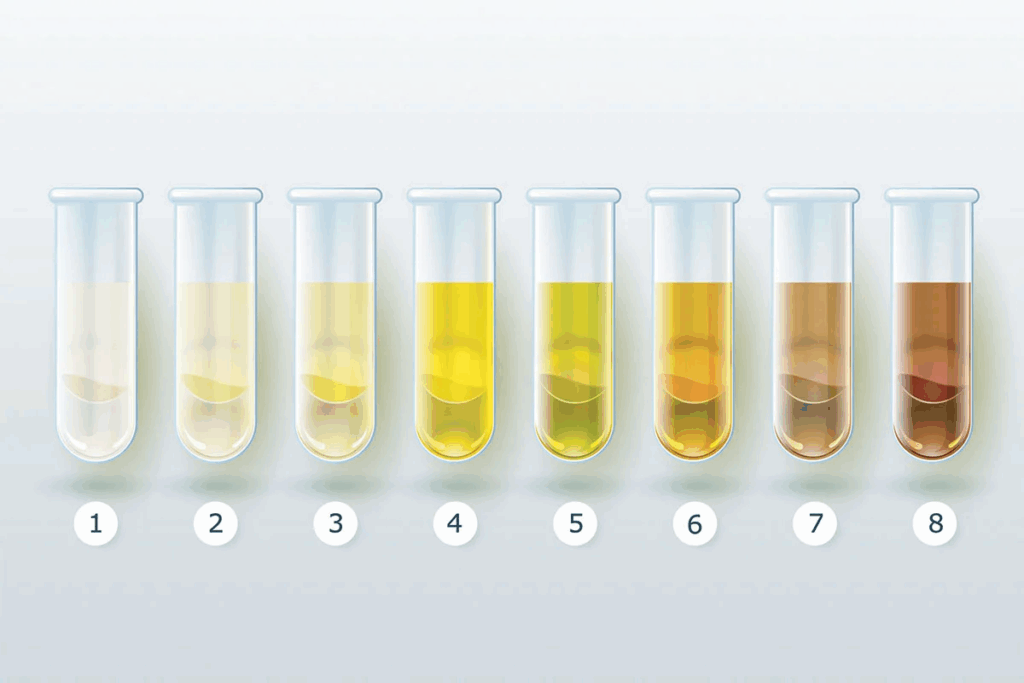
Watching your urine color is a simple way to check your health and hydration. It helps us understand our body’s health and make smart health choices.
Urine as a Window to Your Wellness
Urine color is like a vital sign, showing if we’re hydrated and healthy. A healthy urine color is usually pale yellow to amber, showing our hydration level. If we’re dehydrated, our urine gets darker and more concentrated.
Daily Hydration Assessment Through Urine Color
Monitoring urine color is great for checking if we’re drinking enough water. Dark orange or amber urine means we need to drink more. Clear or pale yellow urine shows we’re hydrated enough. Regular checks help us stay hydrated.
| Urine Color | Hydration Status | Recommended Action |
| Clear or Pale Yellow | Well-hydrated | Continue drinking water as usual |
| Dark Yellow or Amber | Mildly dehydrated | Drink more water throughout the day |
| Dark Orange or Brown | Dehydrated | Increase water intake immediately |
By making urine color checks a part of our daily routine, we can stay healthy. It helps us catch health issues early and keep our hydration right.
Clear to Transparent Urine: Signs of Overhydration
Clear urine can mean you’re drinking too much water. This can lead to serious health problems if not fixed. It’s important to drink water, but too much can upset your body’s balance.
Seeing clear or transparent urine means you might be drinking too much. This can throw off the balance of important salts like sodium and potassium. These salts help your body work right.
What Causes Colorless Urine
Drinking too much water usually makes urine colorless. Your kidneys try to get rid of the extra water, making your urine clear. Other things can also make your urine look colorless, like:
- Drinking lots of water or other fluids
- Certain health issues, like diabetes insipidus
- Some medicines that make you pee more
Potential Risks of Excessive Water Intake
Drinking too much water can cause water intoxication or hyponatremia. This happens when your body can’t handle all the water, messing with your salt levels. The dangers of drinking too much water include:
- Electrolyte Imbalance: Too much water can lower your blood sodium, causing hyponatremia.
- Kidney Strain: Your kidneys have to work too hard to get rid of extra water, which can harm them over time.
- Swelling of the Brain and Potentially Life-Threatening: Severe cases of hyponatremia can make your brain swell. This can cause seizures, coma, or even death.
Knowing the signs of overhydration is key. Drinking water in moderation is important. Watching your urine color can help you know if you’re drinking enough. If you’re worried about your urine or health, talk to a doctor for advice.
Straw Colored Urine: The Ideal Hydration Range
The color of our urine tells us a lot about our hydration. Straw-colored urine means we’re well-hydrated and our kidneys are working properly.
What Does Straw Colored Urine Mean
Straw-colored urine shows we’re drinking the right amount of fluids. It means our body is hydrated and our kidneys are removing waste well. Health experts say, “A straw-colored urine is a simple indicator of proper hydration and healthy kidney function.”
This hydration supports our body’s functions, like keeping our temperature right and our skin healthy. When our urine is straw-colored, it means we’re drinking enough water. This balance helps us stay energized and healthy.
Maintaining Optimal Hydration Levels
To keep our urine straw-colored, we need to drink enough water all day. Experts say we should drink at least eight glasses of water a day. Buthow much we need can change based on how active we are, where we live, and our health.
Tips for Maintaining Optimal Hydration:
- Drink water regularly throughout the day.
- Monitor your urine color to gauge your hydration status.
- Adjust your water intake based on your activity level and the climate you are in.
- Incorporate hydrating foods into your diet, such as watermelon and cucumbers.
By following these tips and listening to our bodies, we can keep our hydration at its best. This supports our overall health.
“Adequate hydration is fundamental to maintaining physical health and supporting bodily functions.”
— Health Expert
Light Yellow Pee: Normal and Healthy
A light yellow color of urine is usually normal. It shows we are drinking enough water and eating well. This color is a sign of good health.
What Does Light Yellow Pee Mean
Light yellow pee means we are well-hydrated. Proper hydration helps our bodies work properly. It keeps us cool and moves nutrients around.
When we drink enough water, our kidneys work well. This makes our pee light yellow or clear.
Variations Throughout the Day
Urine color can change during the day. Things like how much we drink, what we eat, and some medicines can affect it. For example, eating beets or berries can make pee turn color. But if none of these things are happening, light yellow pee is usually a good sign.
Health experts say,
“Watching urine color can help us see if we’re hydrated and healthy.”
Living a healthy life, with a good diet and enough water, helps keep urine color normal.
Dark Yellow to Amber Color Urine: Signs of Dehydration
A dark yellow or amber color in urine means your body needs more water. Not drinking enough water makes urine more concentrated and darker. This color change is a sign that it’s time to drink more water.
Understanding Concentrated Urine
Concentrated urine shows that your kidneys are working hard to save water. When you’re dehydrated, your body makes less urine, but what you do get is more concentrated. This is because there’s more waste, like urea, in it.
The color change is mainly because of urochrome, a pigment from breaking down hemoglobin. When urine is more concentrated, the urochrome shows up more, making it darker yellow or amber.
What Does It Mean If My Urine Is Dark Yellow
If your urine is dark yellow, it’s a sign that you’re dehydrated and need more water. This can happen if you don’t drink enough, sweat a lot, or have a fever. Some medicines or foods can also change urine color.
To fix dark yellow urine, drink more water or other hydrating drinks. This can make your urine clearer and more normal. Buttif, if the color doesn’t change even after drinking more, see a doctor to check for health issues.
Staying hydrated is key to your health. Watching your urine color can help you know if you’re drinking enough water. By listening to your body, you can make sure to drink enough water every day.
Light Pink Pee: Causes and When to Be Concerned
Light pink pee can come from many things, like what you eat or health issues. Knowing why it happens helps figure out if it’s okay or if you need a doctor.
Dietary Influences on Pink Urine
Some foods or drinks can make your pee turn pink. Foods with artificial colors or natural reds, like beets or berries, can do this. Beetroot, in particular, is known to cause urine to turn pink or red due to its pigment.
This color change usually goes away when you stop eating those foods. But if it doesn’t, there might be other reasons.
Medications That Can Cause Pink Urine
Some medicines can also change your pee’s color to pink or red. Some antibiotics and laxatives are examples. For example, rifampicin can make pee orange-red, and laxatives with senna can change it to yellow to red.
“Some medications can significantly alter urine color, making it essential for patients to be aware of possible side effects.”
Medical Conditions Associated with Light Pink Pee
Light pink pee can also mean there’s a health issue. Hematuria, or the presence of blood in the urine, is one. It can be from infections, stones, or serious problems like cancer.
| Condition | Description | Potential Symptoms |
| Urinary Tract Infection | Infection in the urinary system | Burning sensation while urinating, frequent urination |
| Kidney Stones | Solid pieces of material that form in the kidney | Severe pain, nausea, vomiting |
| Bladder or Kidney Cancer | Abnormal cell growth in the bladder or kidney | Blood in urine, pain while urinating, unexplained weight loss |
If you keep seeing light pink pee or have pain, see a doctor. They can find out why and help you.
Orange to Dark Amber Urine: Beyond Dehydration
Orange to dark amber urine can mean more than just not drinking enough water. It’s important to know why this happens to stay healthy. Dehydration is a common reason, but other things can also change urine color.
Dehydration vs. Other Causes
Dehydration happens when we lose more water than we drink. This makes our urine more concentrated. But, orange or dark amber urine isn’t always from not drinking enough. Some medicines, foods, and health issues can also change urine color.
For example, people on certain antibiotics or with liver problems might see their urine change. It’s key to think about these when trying to figure out why urine is orange or dark amber.
Medications That Turn Urine Dark Orange
Some medicines can make urine turn dark orange or amber. These include:
- Rifampin, an antibiotic used to treat tuberculosis
- Phenazopyridine, a medication for urinary tract pain
- Certain chemotherapy drugs
If you’re on any medicines and see your urine change, talk to your doctor. They can check if the medicine is the cause.
Distinguishing Between Colors
Telling orange, red-orange, and other urine colors apart can be tricky. But it’s vital for finding health problems. Red-orange urine might have different causes than dark amber urine.
When looking at urine color, think about how much water you drink, what you eat, and any medicines. If you’re worried about your urine or health, seeing a doctor is the best step.
Brown or Tea-Colored Urine: Possible Health Issues
Brown or tea-colored urine might mean there’s a health problem that needs quick action. We’ll look at why this happens, like liver issues, other health problems, and how some medicines can affect it.
Liver Issues and Brown Urine
Liver troubles can make urine look brown or tea-colored because of bilirubin buildup. This pigment comes from breaking down red blood cells. Problems like hepatitis, cirrhosis, or liver failure can cause this. If you see brown urine and other signs like jaundice or belly pain, get medical help right away.
Other Medical Conditions Associated with Dark Brown Urine
Other health issues can also make urine dark brown. These include kidney disease, where the kidneys can’t filter waste well, and infections that change urine color. Finding out why urine is dark brown is key to treating it right.
Medications That Can Cause Brown Urine
Some medicines can make urine brown or tea-colored. This includes laxatives with senna or cascara, some antibiotics, and drugs for malaria.
“Some medicines can change urine color, but this usually goes away when you stop taking the medicine.”
If you’re on medicine and notice urine color changes, talk to your doctor.
We’ve talked about health worries linked to brown or tea-colored urine. These include liver problems, other health issues, and how some medicines can affect it. If you see unusual urine colors, seeing a doctor is important. They can find out why and help you get better.
Conclusion: Using Urine Color as Your Personal Health Monitor
Monitoring urine color is a simple yet effective way to gauge your hydration status and overall health. By being aware of changes in urine color, we can identify issues early. This allows us to take proactive steps to maintain optimal health.
Using urine color as a health monitor helps us assess our hydration status. It guides us in making informed decisions about our daily water intake. This awareness can help prevent dehydration and other related health concerns.
By incorporating urine color monitoring into our daily routine, we can take a proactive approach to our health and well-being. This straightforward technique provides valuable insights into our body’s functioning. It enables us to make adjustments as needed to maintain a healthy balance.
FAQ
What does the color of my urine mean?
The color of your urine can tell you about your hydration and health. Different colors can mean different things, like dehydration or health problems.
What is considered a healthy urine color?
Healthy urine is pale yellow or straw-colored. This shows you’re well-hydrated and healthy.
What does dark yellow or amber-colored urine mean?
Dark yellow or amber urine means you might be dehydrated. Not drinking enough water makes your urine darker.
Why is my urine sometimes clear or transparent?
Clear urine means you might be drinking too much water. This can upset the balance of electrolytes in your body.
Can certain foods or medications change the color of my urine?
Yes, some foods and meds can change urine color. Beets can make it pink, and some meds can turn it orange or dark amber.
What does it mean if my urine is light pink?
Light pink urine can come from food, meds, or health issues. If it worries you, talk to a doctor.
Why is my urine brown or tea-colored?
Brown or tea-colored urine might mean liver problems or other health issues. Some meds can also cause this. If you see this, get checked by a doctor.
How can I maintain optimal hydration levels?
Drink water all day to stay hydrated. Watching your urine color can help you know if you need more water.
Can urine color be used as a daily hydration assessment tool?
Yes, urine color is a good way to check if you’re drinking enough water. It helps you adjust your water intake.
What should I do if I notice unusual changes in my urine color?
If your urine color changes a lot or stays different, see a doctor. They can check for health problems.
References
National Center for Biotechnology Information. (2025). 7 Urine Colors Explain: What Your Pee Color Means. Retrieved from https://www.ncbi.nlm.nih.gov/pmc/articles/PMC6835881/