Last Updated on December 2, 2025 by Bilal Hasdemir
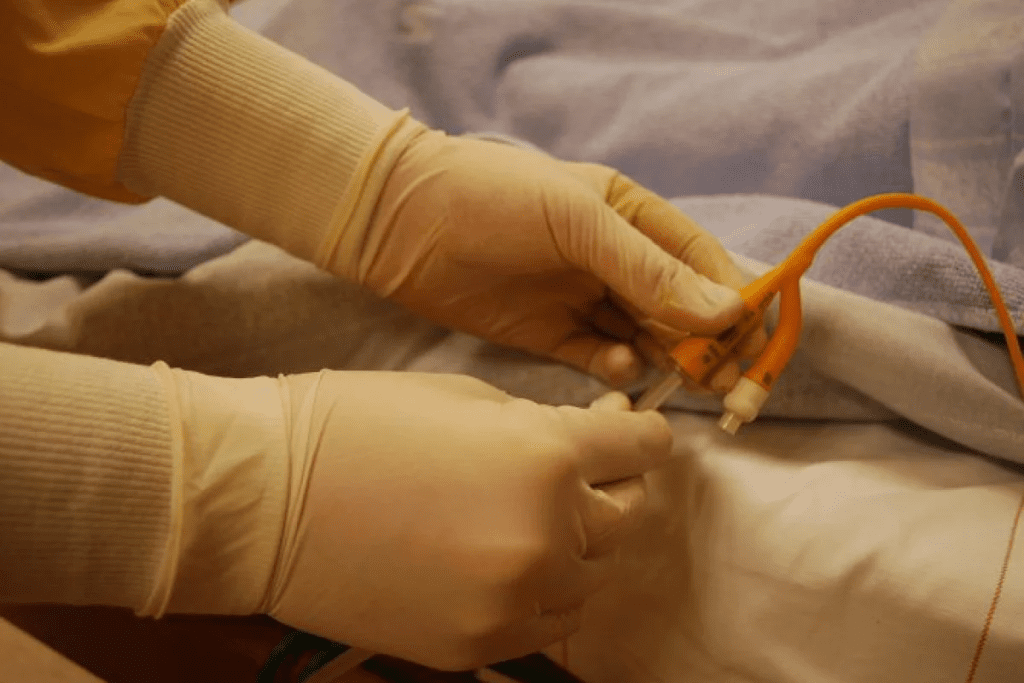
After catheter removal, the urethra usually heals in 7“14 days for most people. The World Health Organization suggests using a catheter for 7“10 days. This helps the urethra heal fully and lowers the risk of infections. Knowing how long it takes to heal is key for patients because it helps them understand their recovery better.
To make recovery clearer, doctors often list a male procedure and what it is when explaining treatment options. For example, a TURP (Transurethral Resection of the Prostate) is done to treat urinary blockage caused by an enlarged prostate, while urethral dilation is performed to widen a narrow urethra caused by scarring.
We will also talk about the healing process, what affects it, and how to handle urinary issues after removing a catheter. At places like Liv Hospital, we follow international research and hospital guidelines. Our aim is to help patients worldwide who need top-notch medical care and support.
Key Takeaways
- The urethra typically heals within 7“14 days after catheter removal.
- The World Health Organization recommends a 7“10 day period of catheterization.
- Understanding the healing timeline is key to managing expectations and recovery.
- Factors affecting urethral healing include overall health and catheterization duration.
- Proper care and management can minimize complications after catheter removal.
The Normal Healing Timeline After Catheter Removal
Knowing how long it takes to heal after a catheter is removed is key. Everyone heals differently, but most see big changes in a few weeks.
Initial Recovery: The First 24-48 Hours
The first 24-48 hours after removing a catheter are very important. You might feel some pain, see a bit of blood, or have trouble peeing. These issues usually get better as your urethra heals.
Key tips for the initial recovery phase include:
- Drink lots of water to clean your urinary system
- Watch how much and what color your pee is
- Don’t do too much lifting or hard work
One Week Recovery Milestone: What to Expect
By the end of the first week, many people feel a lot better. 54.4% of patients start to control their pee again by then. This is a big step in getting better.
Keep doing exercises to help your pelvic floor at this time.
Complete Healing Period (7-14 Days)
It usually takes 7 to 14 days for your urethra to fully heal. Your pee function will get better, too. Be patient and follow what your doctor says during this time.
Continence Recovery Rates Over Time
Getting better at controlling pee gets a lot better in the first month. 77.5% of patients can pee normally by four weeks. This shows how important it is to keep up with exercise and doctor visits.
How fast you heal can depend on how long you had the catheter, your age, and your health.

By knowing the healing timeline and following care tips, you can help your recovery go smoothly.
Factors That Affect Urethral Healing Time
The time it takes for the urethra to heal after a catheter is removed depends on many factors. Each factor plays a big role in how long it takes to recover. Knowing these factors helps both patients and doctors set realistic goals and avoid problems.
Patient Age and Overall Health Status
A person’s age and health are key to how fast they heal. Older people or those with health issues might heal more slowly. Staying healthy through good food, exercise, and managing health problems can help with healing.
Duration of Catheterization and Its Effects
How long a catheter is used affects healing. Using a catheter for more than 14 days can lead to infections and damage. It’s best to remove catheters as soon as they’re not needed. Shorter catheter use helps the urethra heal better.
Underlying Medical Conditions Requiring Catheterization
Medical reasons for needing a catheter also matter. Issues like urinary problems, surgery, or nerve disorders can slow healing. It’s important to manage these conditions well for the best recovery. We stress the need to carefully watch and manage health issues to aid healing.
Type and Size of Catheter Used in Male Patients
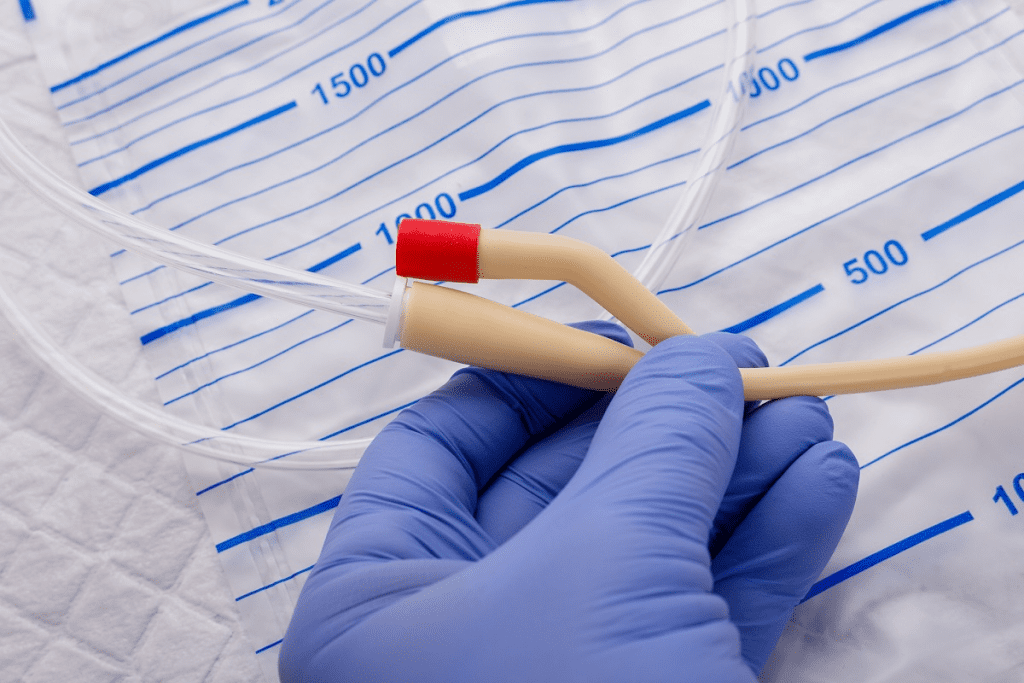
The type and size of catheter used in men can affect healing. Big or wrong-sized catheters can cause irritation and problems like narrowing of the urethra. Using the right catheter size and type for each patient is key to less discomfort and faster healing.
In summary, recovery time after catheter use varies with each person’s health and reasons for needing a catheter. By understanding and tackling the factors that affect healing, patients can improve their recovery and lower the chance of complications.
Understanding Urethral Healing After a Catheter in Men
Men’s urethral healing after a catheter removal has key steps. We’ll cover the recovery process, men’s specific needs, and offer tips for a smooth healing.
Male-Specific Healing Considerations
Men face unique healing challenges after surgeries like prostatectomy. Age, health, and medical conditions play a big role. For example, diabetes or radiation therapy can slow recovery.
Does a Catheter Hurt During and After Removal?
Many men worry about pain from a catheter. Removing a catheter is usually quick and painless. But some might feel discomfort or relief afterward. It’s important to talk to your doctor about any pain.
How Long Can a Catheter Safely Stay in a Man?
The safe time for a catheter varies by health and reason for use. It’s best to remove it as soon as it’s not needed to avoid problems like UTIs.
- Short-term use: Catheters for short periods, like surgery, are removed in 24 to 48 hours.
- Long-term use: For long-term use, regular changes and checks are key to avoiding issues.
Tips to Urinate After Catheter Removal for Men
Men might struggle to urinate or have a weak flow after removal. Here are some tips:
- Stay hydrated: Drinking lots of water can help with urine flow.
- Try different positions: Some find it easier to urinate while standing or sitting in a warm bath.
- Practice relaxation techniques: Deep breathing or other relaxation methods can help with anxiety and urination.
Understanding these aspects of urethral healing after catheter removal helps men recover better and avoid complications.
Common Complications That May Extend Healing Time
Removing a catheter is a big step towards getting better. But it’s important to know about possible complications that might slow down healing. The urethra is very sensitive, and any problem can cause issues. Knowing about these complications helps manage them better.
Catheter-Associated Urinary Tract Infections (CAUTIs)
CAUTIs are a common problem after removing a catheter. These infections happen when bacteria from the catheter get into the urinary tract. Up to 8% of people might get CAUTIs if the catheter stays in too long. Seek medical help right away if you have ever, pain while urinating, or see blood in your urine.
Urethral Irritation, Inflammation, and Erosion
Urethral irritation, inflammation, and erosion are also possible issues. The catheter can rub and irritate the urethra, causing discomfort. This can happen if the catheter doesn’t fit right or if it’s in for too long. Watch for signs of irritation, like pain or trouble urinating.
Urinary Retention After Catheter Removal
Some people might have trouble urinating after the catheter is taken out. This is because the urethra and bladder need time to work normally again. In some cases, more medical help might be needed to deal with this issue.
What to Do If Your Catheter Is Leaking
Catheter leakage is another problem that can happen. It might be caused by blockages, the wrong catheter size, or bladder spasms. If you notice leakage, talk to a healthcare provider to find out why and what to do next.
Knowing about these complications and how to handle them can really help with recovery. It’s key to listen to your doctor and report any symptoms that worry you right away.
Conclusion: Managing Expectations for Urethral Recovery
Knowing how the urethral area heals after a catheter is removed is key. It helps manage what to expect and makes the healing smoother. We’ve looked at how long it takes to heal, what can slow it down, and possible problems.
Removing the catheter early, usually in 7 days, leads to better bladder control and lower symptoms. We help patients understand and support their healing journey.
It’s important to take good care of yourself after the catheter is out. Knowing the signs of infections and how to avoid them is vital. This way, patients can handle the healing process better.
We aim to provide top-notch healthcare and support to patients worldwide. Our goal is to ensure patients get the care they need during their recovery from catheter removal.
FAQ
How long does it take for the urethra to heal after a catheter is removed?
Healing times vary, but most see big improvements in a few weeks. Full healing usually takes 7-14 days.
Does a catheter hurt during and after removal?
Removing a catheter is usually painless. You might feel some discomfort or relief. The discomfort from the catheter goes away after it’s out.
How long can a catheter safely stay in a man?
How long a catheter stays in depends on health and the reason for use. They’re changed or removed as soon as they’re not needed to avoid problems.
What are the tips for urinating after catheter removal?
To urinate after removal, relax and take your time. Try double voiding. If you have trouble, see a healthcare professional.
What to expect after a catheter is removed in men?
Men might feel discomfort, leakage, or trouble urinating after removal. These symptoms usually get better in a few days to weeks as the urethra heals.
What should I do if my catheter is leaking?
If your catheter leaks, check for kinks or blockages. Make sure it’s properly secured. If it keeps leaking, talk to a healthcare professional.
Why can’t I urinate after catheter removal?
Trouble urinating can be due to irritation, swelling, or medical conditions. If it doesn’t get better, see a healthcare professional for help.
How to remove a Foley catheter?
A healthcare professional should remove a Foley catheter. They will deflate the balloon and gently pull out the catheter.
References
- Hao, H., et al. (2022). The impact of catheter removal time on urinary continence. PMC. https://pmc.ncbi.nlm.nih.gov/articles/PMC9641063/
- El Darawany, H. M. (2017). When to remove the urethral catheter after endoscopic procedures. [Journal]. https://www.sciencedirect.com/science/article/abs/pii/S1166708717301689