Last Updated on November 26, 2025 by Bilal Hasdemir

At Liv Hospital, we are committed to providing top-notch care for patients with different cancers. Cancer is a complex disease with over 100 types. It’s caused by abnormal growth of kinds of cancer cells.
Cancer is mainly divided into four types: carcinomas, sarcomas, lymphomas, and leukemias. Each type has its own traits and how it behaves. Our team is here to offer world-class healthcare and support patients every step of the way.
Knowing about the various cancer types is key for proper diagnosis and treatment. We’ll look at both common and rare cancers, including those starting with ‘L’ and ‘P’. This will give you a full picture of this important health topic.
Key Takeaways
- There are over 100 different types of cancer.
- Cancer can be categorized into main types, including carcinomas, sarcomas, lymphomas, and leukemias.
- Liv Hospitalprovides top-notch care for patients with various types of cancer.
- Understanding the different types of cancer is key for effective diagnosis and treatment.
- Our team of experts is dedicated to delivering world-class healthcare.
Understanding the Diversity of Cancer Types
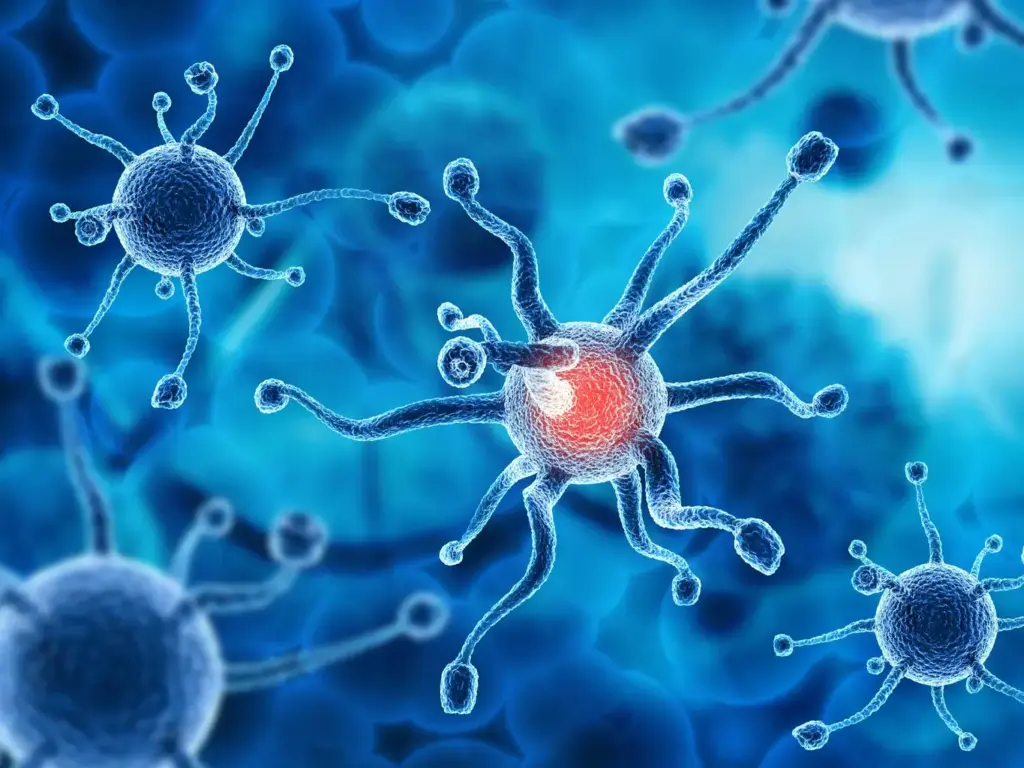
Cancer is not just one disease but many. Each type has its own traits and challenges. It can happen in different parts of the body.
What Defines Cancer and Its Development
Cancer happens when cells grow out of control. This is due to genetic changes that mess up how cells work. The growth of cancer is a complex process influenced by genes and the environment.
Normal cells turn into cancer cells through several steps. Knowing these steps helps us find ways to prevent and treat cancer.
The Scale of Cancer: Over 100 Different Varieties
There are over 100 types of cancer, each unique. They are sorted by where they start and how they grow. The variety of cancers shows how complex they are and why we need treatments tailored to each person.
Cancers are mainly grouped into carcinomas, sarcomas, leukemias, and lymphomas. Each group has its own characteristics and growth patterns.
How Cancer Types Are Identified and Named
Cancer types are named based on where they start and how they look under a microscope. For example, carcinomas start in epithelial cells, while sarcomas come from connective tissue.
Knowing the type of cancer helps doctors predict how it will behave and choose the best treatment. New discoveries in biology have made it possible to target treatments more accurately.
| Cancer Type | Cell/Tissue of Origin | Common Locations |
|---|---|---|
| Carcinoma | Epithelial cells | Breast, lung, colon |
| Sarcoma | Connective tissue | Bones, soft tissues |
| Leukemia | Blood-forming cells | Bone marrow |
| Lymphoma | Lymphatic system | Lymph nodes, spleen |
Main Categories of Cancer That Define Classification

Cancer is divided into main categories based on where it starts. Knowing these categories helps doctors diagnose and treat cancer better. We group cancer by the cell or tissue where it begins.
Carcinomas: Cancers of Epithelial Origin
Carcinomas are the most common type of cancer. They start in epithelial cells, which line organs and glands. These cancers can happen in many places, like the skin, breast, lung, colon, and prostate. Carcinomas have subtypes based on the specific epithelial cells involved. For example, adenocarcinoma starts in glandular tissue.
Sarcomas: Cancers of Connective Tissues
Sarcomas start in the body’s connective tissues, like bones, muscles, fat, and blood vessels. They are less common than carcinomas. Sarcomas can be tough to treat because of their location and ability to spread. There are over 80 different sarcoma subtypes, each unique.
Lymphomas: Cancers of the Lymphatic System
Lymphomas start in lymphocytes, a type of white blood cell. They begin in lymph nodes or other lymphoid tissues. Lymphomas are split into Hodgkin lymphoma and non-Hodgkin lymphoma, each with its own subtypes and treatments. Symptoms and outcomes differ between these two main types.
Leukemias: Cancers of Blood-Forming Tissues
Leukemias affect the blood and bone marrow, causing abnormal blood cell growth. This disrupts normal blood cell production, leading to health problems. Leukemias are acute or chronic, based on how fast they progress and which blood cells are affected. Acute leukemias need quick treatment, while chronic ones progress slower.
Knowing the main types of cancer is key to better treatment plans and patient care. By classifying cancer broadly, doctors can understand the disease better and choose the best treatments.
Classification of Cancer Tumor Types
Cancer tumor classification is key in oncology. It helps us understand the disease and pick the right treatments. Tumors are sorted by cell origin, growth patterns, and behavior. These factors are important for knowing the prognosis and treatment options.
Classification by Cell Origin and Growth Patterns
Tumors are mainly sorted by their cell origin. Carcinomas come from epithelial cells, and leukemias from blood cells. Knowing the cell origin helps identify the tumor type and its behavior.
Growth patterns also matter in tumor classification. Tumors can grow fast or slow. Their growth pattern helps decide if they are benign or malignant. Benign tumors grow slowly and don’t invade tissues. Malignant tumors grow fast, invade tissues, and can spread to other parts of the body.
Benign vs. Malignant: Understanding Tumor Behavior
The behavior of a tumor, whether benign or malignant, is key. Benign tumors are non-cancerous and don’t spread. They are usually treated with surgery and have a good prognosis.
Malignant tumors, being cancerous, can invade tissues and spread. Treating them often involves surgery, chemotherapy, and radiation, based on the tumor type and stage.
Different Mass Types and Their Characteristics
Masses or tumors can be categorized by their characteristics. For example, cysts are fluid-filled sacs that can be benign or malignant. Adenomas are glandular tumors that are usually benign but can be malignant.
Knowing the characteristics of different mass types is vital for accurate diagnosis and treatment planning. Imaging studies and biopsy are key in figuring out a mass’s nature and guiding treatment.
Most Common Cancer Types Worldwide
It’s key to know the most common cancers to fight them better. We’ll look at lung, breast, colorectal, and prostate cancers. These cancers cause a lot of deaths and suffering.
Lung Cancer: Leading Cause of Cancer Deaths
Lung cancer leads in cancer deaths worldwide. Smoking is the main cause, but asbestos and radon also play a part. Catching it early can save lives.
Prevention and early detection are vital for lung cancer. We need to stop smoking and spread the word about its dangers.
Breast Cancer: Most Common in Women
Breast cancer is the top cancer in women, affecting their health a lot. Genes, family history, and lifestyle can increase risk. Mammograms help find it early, saving lives.
It’s important to raise awareness and screen for breast cancer. Regular check-ups and self-exams help find it early.
Colorectal Cancer: Third Most Common Globally
Colorectal cancer is the third most common, hitting both men and women. Age, family history, and lifestyle affect it. Tests like colonoscopies can find polyps before they turn cancerous.
Screening and early detection are key to beating colorectal cancer. Eating right and staying active can also lower your risk.
Prostate Cancer: Most Common in Men
Prostate cancer is the most common in men, more so in older men. Age, family history, and ethnicity are risk factors. Tests like the PSA test help find it early.
It’s vital to be aware and screen for prostate cancer. Finding it early and treating it can greatly improve outcomes.
| Cancer Type | Global Incidence | Major Risk Factors |
|---|---|---|
| Lung Cancer | High | Smoking, Asbestos, Radon |
| Breast Cancer | High among women | Genetic mutations, Family history |
| Colorectal Cancer | Third most common | Age, Family history, Lifestyle factors |
| Prostate Cancer | Most common in men | Age, Family history, Ethnicity |
Rare and Uncommon Cancer Types
Rare cancers are not common but are a big health issue worldwide. They are hard to understand and treat because they are so rare.
Defining Rare Cancers: Incidence and Prevalence
Rare cancers are those with fewer than 6 cases per 100,000 people each year. Their prevalence changes based on the type. We need to look at both incidence and prevalence to grasp the full impact of rare cancers.
The incidence of rare cancers is low. But together, they make up a big part of all cancer cases. This is why healthcare providers need to be aware and understand them.
Examples of Rare Cancer Types
Some rare cancer types include:
- Adrenal cortical carcinoma
- Chordoma
- Dermatofibrosarcoma protuberans
- Desmoplastic small round cell tumor
These cancers are aggressive and need special treatments. We will look at the challenges of diagnosing and treating them.
Challenges in Diagnosing and Treating Rare Cancers
Diagnosing rare cancers is hard because they are so rare. Symptoms can be similar to common conditions, causing delays in finding out what’s wrong.
Treating rare cancers is also tough. There are few clinical trials, and treatment guidelines are scarce. We often rely on expert opinions and case reports for guidance.
Resources for Patients with Rare Cancers
Patients with rare cancers need special care and resources. They should seek help at centers that know how to treat these cancers. Support groups and online resources can offer valuable information and emotional support.
By understanding rare cancer types and their challenges, we can improve care and support. Our aim is to give complete care and support to those with these complex conditions.
Cancer Types Starting With ‘L’
Cancers starting with ‘L’ are important to know about. They include leukemia, liver cancer, lung cancer, and lymphoma. Each has its own traits and treatment plans.
Leukemia: Acute and Chronic Forms
Leukemia is a blood and bone marrow cancer. It makes too many white blood cells, which fight off infections. There are acute lymphoblastic leukemia (ALL) and chronic lymphocytic leukemia (CLL) types.
Liver Cancer: Hepatocellular Carcinoma and Others
Liver cancer starts in the liver. The most common type is hepatocellular carcinoma (HCC). Other types include intrahepatic cholangiocarcinoma and hepatic angiosarcoma.
Things that increase the risk of liver cancer are hepatitis B and C, cirrhosis, and aflatoxin exposure.
Lung Cancer: Small Cell and Non-Small Cell Types
Lung cancer is a top cause of cancer deaths. It’s divided into small cell lung cancer (SCLC) and non-small cell lung cancer (NSCLC). SCLC is aggressive and linked to smoking.
NSCLC is more common and includes adenocarcinoma and squamous cell carcinoma.
Lymphoma: Hodgkin and Non-Hodgkin Varieties
Lymphoma affects the lymphatic system, a part of the immune system. The main types are Hodgkin lymphoma and non-Hodgkin lymphoma (NHL). Hodgkin lymphoma has Reed-Sternberg cells.
NHL is a group of lymphomas that vary in how aggressive they are and how they’re treated.
Knowing about these ‘L’ cancers is key for early detection and treatment. Each type has its own risk factors and treatment options. This shows why personalized care is so important.
Cancer Types Starting With ‘P’
Cancers starting with ‘P’ include pancreatic, prostate, parathyroid, and pituitary cancers. Each has its own unique traits. Knowing about these cancers is key for proper diagnosis and treatment.
Pancreatic Cancer: Exocrine and Endocrine Types
Pancreatic cancer is hard to diagnose and has a poor outlook. It’s split into exocrine and endocrine types. Exocrine cancers come from the ducts, while endocrine cancers are from hormone-making cells.
Exocrine pancreatic cancers are more common but often found late. This makes them tough to treat. Endocrine pancreatic cancers, or PNETs, are less aggressive and might have a better chance of recovery.
Prostate Cancer: Stages and Treatment Approaches
Prostate cancer is common in men and varies in aggressiveness. The cancer’s stage at diagnosis affects treatment. Early stages might be watched closely, while advanced cases could need surgery, radiation, or systemic treatments.
A leading oncologist says, “Prostate cancer treatment has changed a lot. Now, we focus more on personalized care and reducing side effects.”
“Prostate cancer treatment is highly individualized, depending on the cancer’s stage, the patient’s overall health, and their personal preferences.”
Parathyroid Cancer: A Rare Endocrine Malignancy
Parathyroid cancer is rare and affects the glands that control calcium levels. It can cause too much calcium in the body.
- It’s hard to diagnose because it’s rare and symptoms are not clear.
- Surgery is the main treatment.
- It’s important to watch for signs of it coming back.
Pituitary Tumors: Classifications and Symptoms
Pituitary tumors, or adenomas, are usually not cancerous but can be serious. They are near the brain and can be classified by hormone production and size.
Functioning pituitary tumors make too much hormone, causing symptoms. Non-functioning tumors grow big before being found, which can press on nearby areas.
Treatment for pituitary tumors includes medicine, surgery, and radiation. It depends on the tumor and the patient’s health.
Advances in Cancer Research and Treatment
The world of cancer treatment is changing fast. This is thanks to new research and technology. We now understand and treat cancer in new ways, thanks to molecular biology.
Emerging Cancer Subtypes Through Molecular Research
Molecular research has helped us find new cancer subtypes. This gives us a deeper understanding of cancer. We can now group cancers by their genetic and molecular traits.
This grouping helps us create treatments that work better for certain patients. It’s a big step towards personalized medicine. This approach has shown to improve treatment results and survival rates.
Targeted Therapies for Specific Cancer Types
Targeted therapies are a big leap forward in cancer treatment. They aim at specific molecules or pathways in cancer cells. This reduces harm to normal cells, making treatments more effective and less harmful.
Examples include monoclonal antibodies and tyrosine kinase inhibitors. These have been successful in treating many cancers. They are a result of our better understanding of cancer’s molecular mechanisms.
Immunotherapy Approaches Across Cancer Types
Immunotherapy is another area seeing big progress. It uses the immune system to fight cancer. This helps the body’s defenses to better recognize and destroy cancer cells.
There are different types of immunotherapy, like checkpoint inhibitors and CAR-T cell therapy. These have shown great promise in trials. They offer new hope for patients with certain cancers.
The Future of Cancer Classification and Treatment
As we learn more about cancer biology, we’re moving towards a more integrated approach. The future will combine molecular profiling, targeted therapies, and immunotherapy. Each treatment will be tailored to the patient’s needs.
This personalized treatment could greatly improve patient outcomes. With ongoing research, we’re hopeful for even better treatments in the future.
Conclusion
We’ve looked at many cancer types, from common to rare ones starting with ‘L’ and ‘P’. Knowing the differences is key for good treatment and care. At Liv Hospital, we aim to offer top-notch cancer care with the latest research and treatments.
Our goal is to provide world-class healthcare, supporting patients from around the world. We want to help those with cancer, giving them personalized care and new treatments. For more details on our cancer services, check out Liv Hospital’s Cancer Care on our website.
Cancer types are complex, needing a detailed treatment plan. We’re committed to leading in cancer care, ensuring our patients get the best results. We’re here to guide you through the latest in cancer treatments and care.
FAQ
How many different kinds of cancer are there?
There are over 100 different types of cancer. Each has its own unique characteristics and behaviors.
What are the main categories of cancer?
The main categories include carcinomas, sarcomas, lymphomas, and leukemias. These are based on where the cancer cells come from and how they behave.
What is the difference between benign and malignant tumors?
Benign tumors are non-cancerous and don’t spread. Malignant tumors are cancerous and can spread to other parts of the body.
What are the most common types of cancer globally?
Globally, the most common cancers are lung, breast, colorectal, and prostate. These are big killers and cause a lot of suffering.
What are rare and uncommon cancer types?
Rare cancers are those that don’t happen often. They’re hard to diagnose and treat because there’s not much research on them.
What are the different types of cancer that start with ‘L’?
‘L’ cancers include leukemia, liver, lung, and lymphoma. Each has its own subtypes and characteristics.
What are the different types of cancer that start with ‘P’?
‘P’ cancers include pancreatic, prostate, parathyroid, and pituitary. Each has its own unique traits and treatment options.
How are cancer types classified and named?
Cancer types are named based on their cell origin, behavior, and location. This helps us understand them better and find effective treatments.
What is the significance of understanding different cancer types?
Knowing about different cancer types is key to finding good treatments. Each type responds differently to therapy, so understanding them is vital.
How is cancer research advancing the field of oncology?
Cancer research is making big strides in oncology. It’s discovering new subtypes, targeted therapies, and immunotherapies. These advancements are improving treatment options and outcomes for patients.
References
- National Cancer Institute. (n.d.). Cancer types. Retrieved from https://www.cancer.gov/types
- Wikipedia. (n.d.). List of cancer types. Retrieved from https://en.wikipedia.org/wiki/List_of_cancer_types
- SEER Training. (n.d.). Cancer classification (SEER). Retrieved from https://training.seer.cancer.gov/disease/categories/classification.html training.seer.cancer.gov
- MD Anderson Cancer Center. (n.d.). Cancer types. Retrieved from https://www.mdanderson.org/patients-family/diagnosis-treatment/cancer-types.html
- Cancer Research Institute. (2023, December 12). Exploring the different types of cancer and treatment options. Retrieved from https://www.cancerresearch.org/blog/exploring-the-different-types-of-cancer-and-treatment-options