Last Updated on November 25, 2025 by
Getting ready for extracorporeal shock wave lithotripsy (ESWL) might seem scary. But knowing what to expect can make you feel better. At Liv Hospital, we focus on your comfort and safety. We want to give you the best care possible.
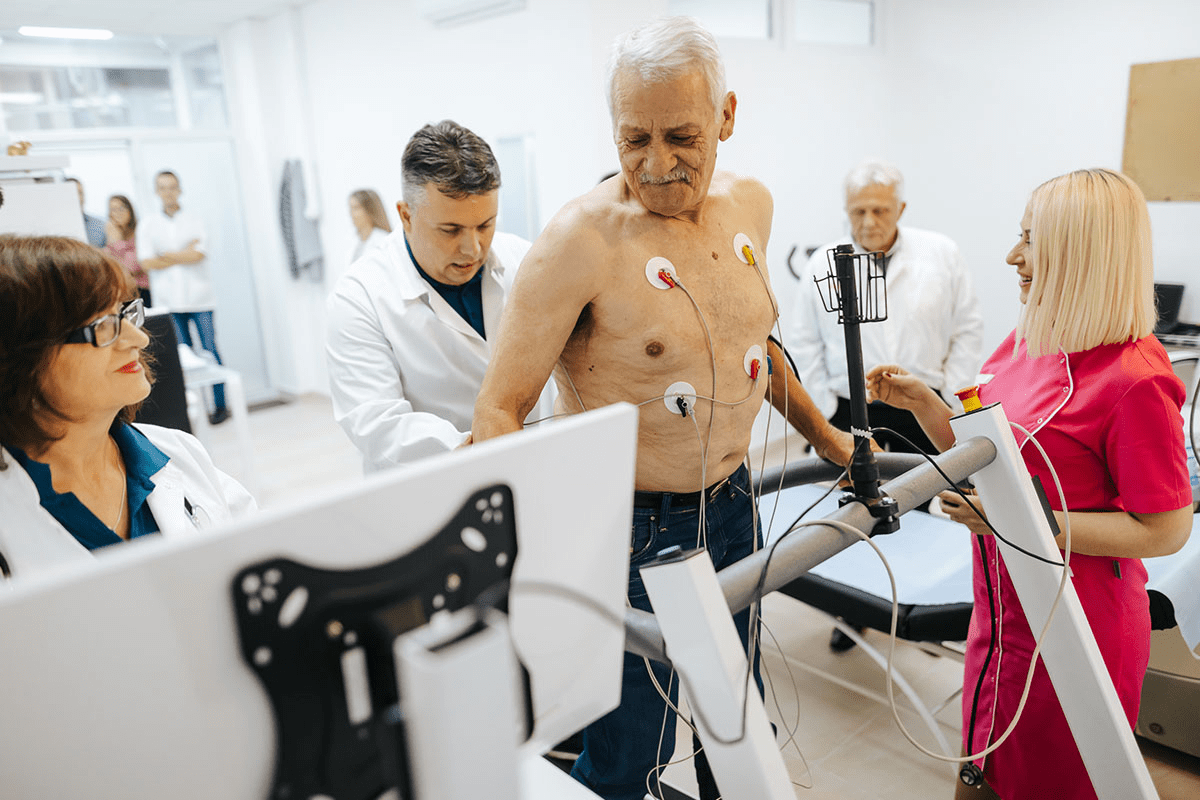
When you arrive for the procedure, you’ll need to have not eaten. This is common for many medical procedures that use anesthesia. Our team will do a check-up before starting. They’ll use imaging to make sure the stone is in the right spot. This is key for the ESWL to work well.
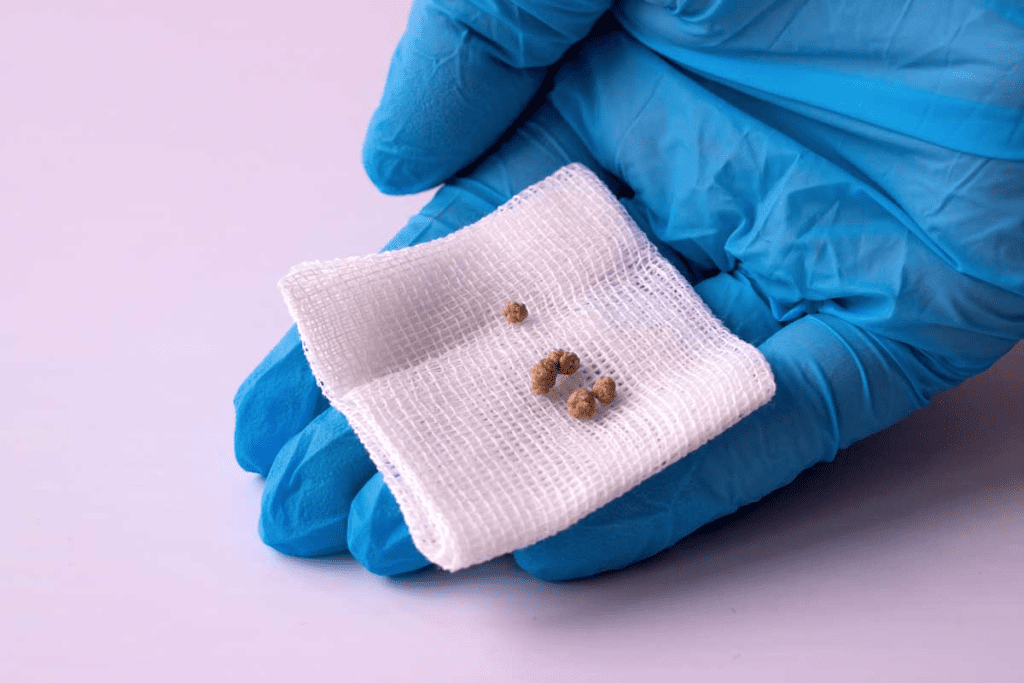
We use the latest technology to find the stone and send shock waves. The lithotripsy usually takes about 45 minutes. You’ll get anesthesia to keep you comfortable while you’re treated.
Key Takeaways
- Arrive fasting on the day of the ESWL procedure.
- A pre-procedure assessment will be conducted, including imaging studies.
- The ESWL procedure typically takes approximately 45 minutes.
- Anesthesia is used to ensure comfort during the treatment.
- State-of-the-art technology is used to locate the stone accurately.
Preparing for Your ESWL Procedure
Getting ready for your ESWL procedure is important for your safety and treatment success. We know it can feel scary to have a medical procedure. So, we’re here to help you through the preparation steps.
Fasting Requirements and Dietary Restrictions
One key step is following the fasting rules. You must not eat or drink after midnight before the procedure. This is to keep you safe when you’re under anesthesia. Also, our team will give you special diet instructions to help you get ready for the treatment.
Medication Management Before Treatment
Managing your medicines before the ESWL procedure is very important. Tell your doctor about all the medicines you’re taking, including blood thinners. They might need to change or stop some medicines to reduce risks. Our team will give you clear instructions on managing your medicines before your treatment.
What to Bring and Wear on Procedure Day
On the day of your ESWL procedure, wear comfy clothes and leave your valuables at home. Make sure to arrive early for your scheduled time. Our team will tell you what to expect and what to bring for a smooth experience.
Arrival and Pre-Procedure Assessment
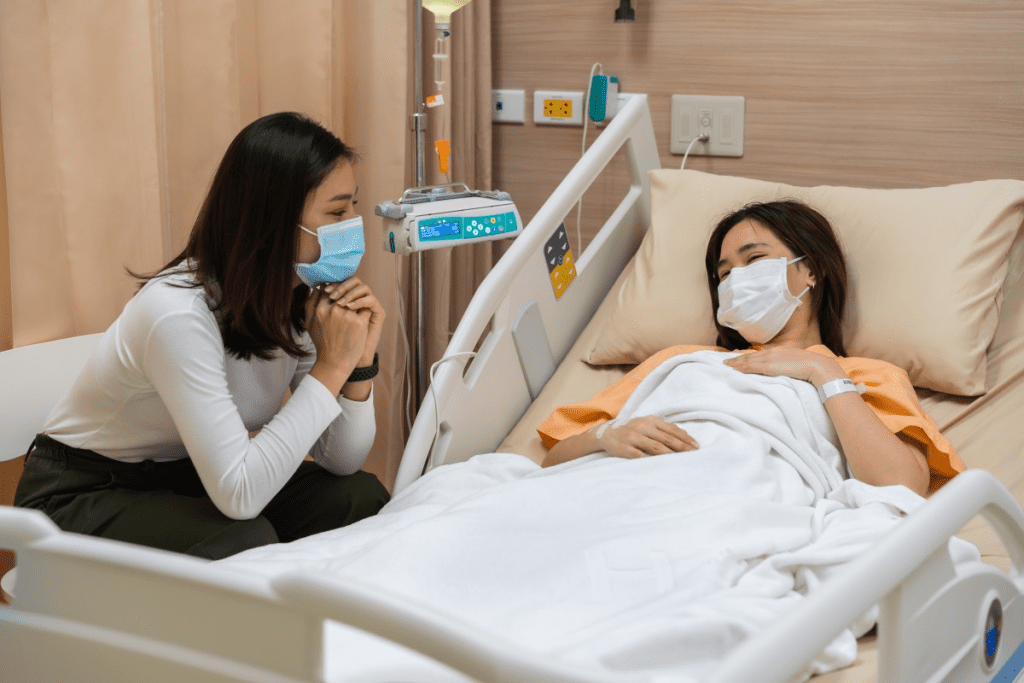
When you arrive at our facility, your ESWL journey starts with a detailed check-in. Our team works hard to make this first step easy for you. We want to make sure you’re ready for what’s next.
Check-in Process and Initial Evaluation
First, you’ll fill out any needed paperwork. Then, our medical team will do an initial check. They’ll look over your medical history and do a quick physical check. This helps confirm you’re ready for the ESWL procedure.
Imaging Studies to Confirm Stone Position
We use X-rays or ultrasound to check the stone’s position and size. These imaging studies help us plan your treatment accurately.

Meeting Your Treatment Team and Consent Process
You’ll meet with your treatment team next. They’ll explain the ESWL procedure, answer your questions, and help you understand the consent process. We want you to feel informed and comfortable every step of the way.
After your arrival and pre-procedure check, we’ll have your treatment plan set. You’ll be ready to start the ESWL procedure. Our team is here to support and care for you every step of your journey.
The Lithotripsy Procedure: What Happens During Treatment
During lithotripsy, you’ll sit on a special table. This table helps our team aim shock waves at the kidney stone. It’s key for the shock wave lithotripsy (SWL) treatment.
Positioning on the Lithotripsy Table
You’ll be placed on the lithotripsy table carefully. This ensures the shock waves hit the stone right. Our team uses imaging to check the stone’s spot and adjust the table if needed.
Anesthesia Options and Pain Management
We offer different anesthesia options to manage pain. The choice depends on your needs and the procedure. We’ll talk about these options with you before the procedure to find the best one.
The 30-60 Minute Treatment Experience
The treatment lasts 30 to 60 minutes. Our team will watch you closely and adjust the treatment as needed. We aim to make the procedure safe and comfortable for you.
What to Expect: You’ll be on the table, and shock waves will be sent to the stone. You might feel some discomfort, but our pain management helps a lot. We focus on your comfort and the procedure’s success.
Our team will be with you during the treatment. They’ll make sure you’re comfortable and the procedure goes well. After it’s done, you’ll be watched for a bit before going home.
Recovery and Post-ESWL Care
Our team is here to help you after ESWL. We know this time is key to your health and comfort.
Immediate Monitoring Period
Right after ESWL, you’ll go to a recovery area. Our team will watch over you closely. They’ll check for any problems and make sure you’re okay.
“The care you receive after the procedure is just as important as the treatment itself,” says our team. They stress the importance of watching you closely after.
Managing Common Side Effects: Bruising and Hematuria
Some side effects, like bruising or blood in the urine, are common after ESWL. These usually go away by themselves. But we’ll show you how to handle them.
Our team is here to answer any questions you have. They’ll help you through your recovery.
Discharge Instructions and Home Care Guidelines
Before you leave, we’ll give you all the details on home care. This includes how to deal with side effects and when to come back for check-ups. We want your recovery to be easy and comfortable.
Your recovery is our priority. Follow our advice and don’t hesitate to reach out. This way, you’ll have the best outcome after ESWL.
ESWL Success Rates and Follow-Up Expectations
ESWL is a top choice for treating kidney stones, with high success rates. About 56.6% of patients are stone-free after just one session.
Understanding Success Rates: 56.6% Single-Session Resolution
When it comes to ESWL, success is key. We’ve seen that 56.6% of patients are stone-free after one treatment. This shows how effective ESWL can be.
Factors Affecting Treatment Outcomes
Several things can change how well ESWL works. Stone size and location are big factors. We look at these to plan the best treatment for each patient.
Follow-Up Appointments and Stone Fragment Monitoring
After ESWL, follow-up visits are important. We check on the stone fragments and see how well the treatment worked. These visits help us make sure patients are doing well and address any issues.
Knowing what affects ESWL success and following up as advised can help patients get the best results. We’re dedicated to giving our patients the best care every step of the way.
Understanding Your ESWL Treatment Outcome
Shockwave lithotripsy, or ESWL, has changed how we treat kidney stones. It’s a non-invasive method with a high success rate. This treatment has greatly improved how we handle kidney stones.
Our institution is proud to use this technology for kidney stone care. The term lithotripsy means using shockwaves to break down stones. Our team is here to support you every step of the way.
In conclusion, we hope this guide has helped you understand your ESWL treatment. We aim to provide top-notch healthcare and support for international patients.
FAQ
What is ESWL, and how does it work?
ESWL, or Extracorporeal Shock Wave Lithotripsy, is a non-invasive treatment for kidney stones. It uses shock waves to break down stones into smaller pieces. These pieces can then be easily passed out of the body.
What are the fasting requirements before undergoing ESWL?
You need to fast from midnight before the procedure. This is a standard precaution when anesthesia is involved.
Should I inform my doctor about my current medications before ESWL?
Yes, it’s important to tell your doctor about any medications you’re taking. This includes blood thinners, which may need to be adjusted or stopped before the procedure.
What happens during the pre-procedure assessment?
Our team will do an initial evaluation. This includes reviewing your medical history, a brief physical examination, and imaging studies. These studies confirm the stone’s position and size.
What kind of anesthesia is used during ESWL, and will I feel pain?
The type of anesthesia used depends on your needs and the procedure specifics. Our team will ensure you’re comfortable during the treatment.
How long does the ESWL treatment typically last?
The treatment itself usually lasts between 30 and 60 minutes.
What are the common side effects after ESWL, and how are they managed?
You might experience bruising or hematuria (blood in the urine) after the treatment. These side effects are usually temporary and resolve on their own. We’ll give you detailed discharge instructions and guidelines on managing these side effects.
What is the success rate of ESWL, and what factors influence it?
Studies show that about 56.6% of patients become stone-free after one ESWL session. The success depends on the stone’s size, location, and individual patient anatomy.
What can I expect during the follow-up appointments after ESWL?
Follow-up appointments are key to monitoring the passage of stone fragments and assessing treatment success. Our team will guide you on what to expect during these appointments.
Are there any specific instructions for post-ESWL care at home?
Yes, we’ll provide detailed discharge instructions and guidelines for at-home care. This includes managing any side effects and follow-up appointments.
How effective is ESWL compared to traditional surgical methods for treating kidney stones?
ESWL is a highly effective and non-invasive treatment for kidney stones. It offers a significant success rate and quicker recovery compared to traditional surgical methods.
What is shock wave lithotripsy, and is it the same as ESWL?
Shock wave lithotripsy is another term for ESWL. Both terms refer to the same non-invasive treatment that uses shock waves to break down kidney stones.
References
- National Cancer Institute. (2025). SEER cancer stat facts: Bladder cancer. https://seer.cancer.gov/statfacts/html/urinb.html
- American Cancer Society. (2025). Key statistics for bladder cancer. https://www.cancer.org/cancer/types/bladder-cancer/about/key-statistics.html
- Cancer Research UK. (2025). Survival of bladder cancer. https://www.cancerresearchuk.org/about-cancer/bladder-cancer/survival
- Siegel, R. L., Miller, K. D., Wagle, N. S., & Jemal, A. (2025). Cancer statistics, 2025. CA: A Cancer Journal for Clinicians, 75(1), 11“34. https://acsjournals.onlinelibrary.wiley.com/doi/10.3322/caac.21871
- National Institute for Health and Care Excellence (NICE). (2023). Bladder cancer: diagnosis and management. https://www.nice.org.uk/guidance/ng2