Last Updated on December 2, 2025 by Bilal Hasdemir
When it comes to treating kidney stones, the right doctor is key. Lithotripsy is a non-invasive way to break down stones. It’s a vital treatment option.

image is to be corrected
So, who does this delicate procedure? Urologists are the experts. They treat urinary tract disorders and ensure the best results for patients.
Key Takeaways
- Urologists are the primary doctors who perform lithotripsy.
- Lithotripsy is a non-invasive procedure used to treat kidney stones.
- Urologists specialize in treating urinary tract disorders.
- The procedure breaks down kidney stones into smaller, passable pieces.
- Expertise in lithotripsy is key to successful treatment.
Understanding Kidney Stones and Their Treatment
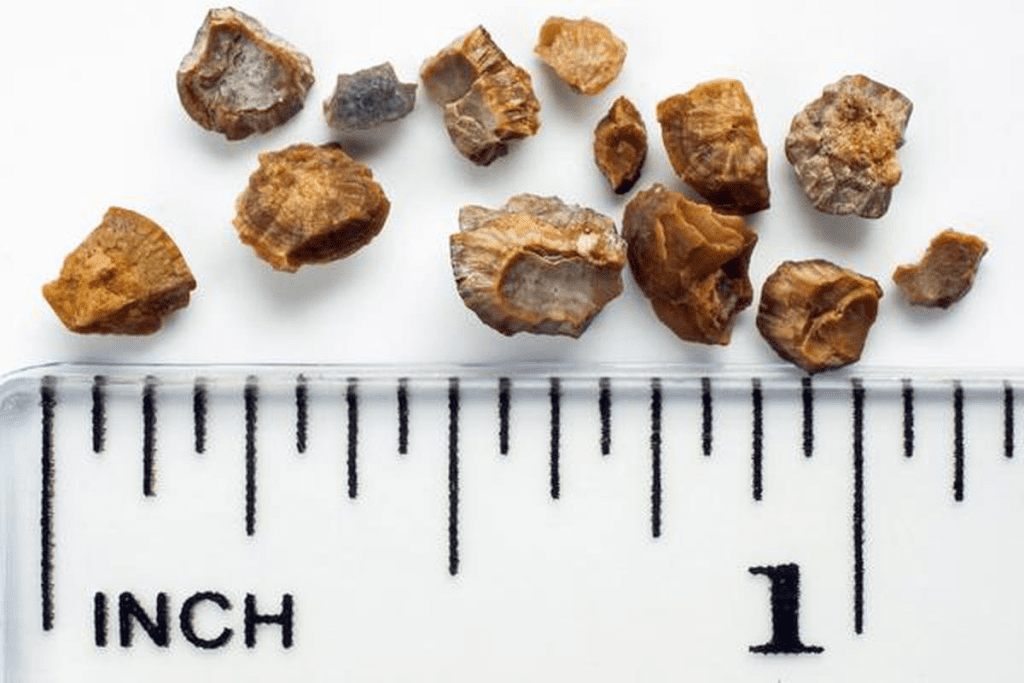
Kidney stones, also known as renal calculi, are hard deposits made of minerals and salts. They form inside the kidneys. Knowing about these stones is key to treating and preventing them.
What Are Kidney Stones and How Do They Form?
Kidney stones form when there’s an imbalance in substances like calcium, oxalate, and uric acid in the urine. This imbalance causes these substances to crystallize, forming stones. Dehydration, diet, and genetics can all play a role in this process.
Common Symptoms of Kidney Stones
The symptoms of kidney stones vary but often include severe pain in the back or side. You might also feel nausea, vomiting, and sometimes fever and chills if there’s an infection. The pain can be very intense and may spread to the lower abdomen or groin.
When Medical Intervention Becomes Necessary
Not all kidney stones need medical help; some can pass on their own. But bigger stones or those causing problems like obstruction or severe pain may need treatment. Kidney stone treatments include non-invasive methods like ESWL and more invasive surgeries.
It’s important to know if kidney stones are dangerous. Untreated stones can cause kidney damage or lead to infections. So, if symptoms don’t get better or get worse, you should see a doctor.
What Is Lithotripsy and How Does It Work?
Lithotripsy is a new way to treat kidney stones without surgery. It’s a non-invasive method that helps patients recover faster than old surgical ways.
Definition and Purpose of Lithotripsy
Lithotripsy uses shock waves to break down kidney stones. It turns big stones into small pieces that can pass through urine. This method is safe and effective, making surgery less needed.
It’s for people with big stones that hurt or block urine flow. Lithotripsy relieves pain and stops serious problems from kidney stones.
The Science Behind Stone Fragmentation
Lithotripsy works by sending high-energy shock waves at the stone. These waves make the stone break into smaller bits. How well it works depends on the stone’s size, where it is, and what it’s made of.
Key factors influencing lithotripsy success:
- Stone size: Larger stones may need more sessions.
- Stone location: Some spots are harder to reach.
- Stone composition: Some stones are harder to break.
Evolution of Lithotripsy Techniques
Lithotripsy has changed a lot over time. New technology makes it more precise and safer. Modern machines aim to cause less tissue.
New types of lithotripsy have come up, too. Each has its own benefits and uses. Knowing these helps doctors choose the best treatment for each patient.

Urologists: The Primary Specialists Who Perform Lithotripsy
Lithotripsy is a non-invasive treatment for kidney stones. It’s usually done by urologists, who have the right training. Urologists are doctors who focus on the urinary tract and male reproductive system.
Educational Background and Training of Urologists
To be a urologist, one needs a lot of education and training. This includes four years of college, four years of medical school, and five to seven years of urology residency. During residency, they learn to diagnose and treat urological issues, like kidney stones.
Additional training might come from fellowship programs. These programs offer specialized knowledge, like in endourology, where lithotripsy is used. This training helps urologists do lithotripsy well.
Specialized Skills Required for Lithotripsy Procedures
Urologists need specific technical skills for lithotripsy. They must know how to use the lithotripsy equipment. This equipment uses shock waves to break down stones into smaller pieces.
They also need to pick the right patients for lithotripsy. This means looking at the stone’s size, location, and the patient’s health. They might talk to other doctors, too.
Finding a Qualified Urologist for Your Treatment
When you need lithotripsy, finding a good urologist is key. Look for board-certified urologists with lithotripsy experience. Ask your primary care doctor or get tips from friends and family.
It’s also important to find a urologist who knows a lot about kidney stones. They should be able to explain your treatment options, including how to pass stones after lithotripsy.
Other Medical Specialists Involved in Lithotripsy Care
Lithotripsy care is a team effort. Urologists lead the way, but others are key too. They help diagnose, treat, and manage kidney stones.
Interventional Radiologists
Interventional radiologists use imaging to guide procedures. They help with lithotripsy in some cases. They might place nephrostomy tubes or do other interventions.
Nephrologists in Collaborative Roles
Nephrologists focus on kidney health. They’re important for patients with kidney stones and other kidney issues. They help tailor treatment plans based on kidney function.
The Multidisciplinary Approach to Stone Management
Managing kidney stones requires teamwork. Urologists, radiologists, nephrologists, and others work together. This ensures patients get the best care from start to finish.
The benefits of this collaborative approach include:
- More accurate diagnosis and treatment planning
- Improved patient outcomes through coordinated care
- Better management of complications and related conditions
Together, medical specialists offer top-notch care for lithotripsy patients. They ensure effective treatment and manage related health issues well.
4 Types of Lithotripsy Procedures for Kidney Stone Removal
For those with kidney stones, lithotripsy offers several effective treatments. The right procedure depends on the stone’s size, location, and type, along with the patient’s health.
Extracorporeal Shock Wave Lithotripsy (ESWL)
ESWL is a non-surgical method that uses shock waves to break stones into smaller pieces. These pieces can then pass through urine. It’s a favorite because it’s effective and doesn’t need surgery. ESWL works best for stones under 2 cm in size and in the kidney or upper ureter.
Percutaneous Nephrolithotomy (PCNL)
PCNL is a more invasive method. It involves a small incision in the back to insert a nephroscope into the kidney. It’s used for larger or more complex stones. PCNL is very effective because it allows for direct stone removal.
Ureteroscopy with Laser Lithotripsy
This method uses a small scope passed through the urethra and bladder into the ureter. A laser then breaks the stone into smaller pieces. Ureteroscopy with laser lithotripsy is great for stones in the ureter or lower kidney.
Endoscopic Retrograde Cholangiopancreatography (ERCP)
Primarily for bile and pancreatic duct issues, ERCP can also treat kidney stones. It involves a scope passed through the mouth, stomach, and small intestine to remove stones or debris.
Knowing about these lithotripsy procedures helps patients make better choices. Each method has its own use, benefits, and risks. The right treatment depends on the patient’s specific needs.
The Step-by-Step Process of a Lithotripsy Procedure
Learning about lithotripsy can ease worries for those with kidney stones. It’s a non-invasive method that breaks down stones into smaller pieces. These pieces can then be passed out of the body easily.
Pre-Procedure Evaluation and Preparation
Before lithotripsy, a detailed medical check-up is done. This includes X-rays or an ultrasound to find the stone’s size and location. Patients may need to stop certain medications to avoid complications.
What Happens During the Procedure
The patient lies on a special table during lithotripsy. The stone is targeted with imaging tech. Shock waves are then used to break the stone into smaller pieces. The process is done under sedation or anesthesia to reduce pain.
Immediate Post-Procedure Care
Right after, patients are watched for any immediate issues. Pain management is key, as some may feel pain as the fragments pass.
Stone Fragment Passage and Follow-up
Drinking lots of water is advised to help pass the fragments. It can take a few days to weeks for this. Follow-up appointments are set to check on stone passage and ensure no fragments remain.
Lithotripsy is a fast and effective way to treat kidney stones. Knowing the process helps patients prepare for the procedure and recovery.
Recovery and Aftercare Following Lithotripsy Treatment
After lithotripsy, recovery and aftercare are key to avoiding complications and ensuring success. Knowing what to expect can ease worries and help you heal better.
Typical Recovery Timeline
Recovery times vary, but most people can get back to normal in a few days. Always follow your doctor’s advice for a smooth recovery.
Managing Pain and Discomfort
Some pain or discomfort is normal after lithotripsy. Effective pain management is key. Your doctor may prescribe medication, and you might also use over-the-counter pain relievers.
Dietary and Lifestyle Recommendations
After lithotripsy, a healthy diet and lifestyle are important to prevent future kidney stones. Stay hydrated, limit sodium, and eat a balanced diet. Drinking plenty of water helps flush out stone fragments.
When to Seek Medical Attention
While recovering, watch for signs of complications like severe pain, fever, or trouble urinating. These need quick medical attention. Knowing how to get rid of kidney stones and understanding whether kidney stones are dangerous helps manage your condition.
By following these tips and staying informed about kidney stone treatments, you can lower the risk of future stones and recover well from lithotripsy.
Success Rates and Factors Affecting Lithotripsy Outcomes
It’s important to know what affects lithotripsy success. This non-invasive treatment for kidney stones has changed how we manage this painful issue. But the success of the treatment depends on several key factors.
Effectiveness Based on Stone Size and Location
The size and location of kidney stones greatly affect lithotripsy success. Smaller stones are easier to treat with lithotripsy than larger ones. Stones in certain areas of the kidney or ureter can also be harder to treat.
Impact of Stone Composition on Treatment Success
The type of kidney stone also plays a big role in lithotripsy outcomes. Hard or dense stones may not break up well, making the treatment less effective. Knowing the stone type helps choose the best treatment.
Patient-Related Factors Affecting Outcomes
Factors like overall health, body mass index (BMI), and body shape can also affect lithotripsy success. For example, patients with a higher BMI might need special treatment plans.
Retreatment Considerations
If lithotripsy doesn’t fully work, you might need more treatment. The need for more treatment depends on the stone size, how well you responded to the first treatment, and any complications.
Understanding these factors helps doctors give better advice to patients. It helps make informed decisions about treatment.
Alternative Treatments When Lithotripsy Isn’t Suitable
Not everyone can have lithotripsy. It’s important to know other ways to treat kidney stones. If lithotripsy isn’t right, there are other treatments. These depend on the stone’s size, location, and type, and the patient’s health.
Medical Expulsive Therapy
For smaller stones, medical expulsive therapy might be suggested. This method uses medicines to help pass the stone naturally. Alpha-blockers are often given to relax the ureter muscles, making it easier for the stone to move.
Open Surgery Options
When less invasive methods don’t work, open surgery might be needed. This traditional surgery is used for bigger stones or when complications happen. It’s more invasive but can effectively remove complex stones.
Preventive Measures and Lifestyle Changes
Preventing future kidney stones is key. Dietary modifications and lifestyle changes can lower the risk of stones coming back. Drinking more water, eating less sodium, and adjusting calcium intake are important steps.
Emerging Treatments and Technologies
The field of kidney stone treatment is always changing. New technologies and techniques are being developed. These aim to increase success rates, shorten recovery times, and lessen complications. Keeping up with the latest advancements helps patients choose the best treatment for them.
In conclusion, while lithotripsy is common for kidney stones, there are other options when it’s not right. Knowing these alternatives helps patients make informed decisions about their care.
- Medical expulsive therapy for smaller stones
- Open surgery for complex or larger stones
- Preventive measures through dietary and lifestyle changes
- Emerging technologies for improved treatment outcomes
Conclusion: Making Informed Decisions About Lithotripsy Treatment
Lithotripsy is a top choice for treating kidney stones. Knowing about it helps you make smart choices for your health. Urologists are key in this process, bringing their skills to help you get better.
Before going for lithotripsy, talk to a skilled urologist. They’ll check what you need and pick the best treatment for you. Learning about the different lithotripsy methods helps you understand your options better.
Getting the right care from experienced urologists is the secret to success. They offer personalized advice and care. This way, you can get the best treatment for your kidney stones and move towards a healthier life without stones.
FAQ
What is a kidney stone?
A kidney stone is a small, hard mineral deposit. It forms inside the kidneys when there’s an imbalance of water, salts, and other substances in the urine.
What are the symptoms of kidney stones?
Common symptoms include severe pain in the side or back, below the ribs. Pain can also radiate to the lower abdomen or groin. Other symptoms are nausea, vomiting, and frequent or painful urination.
How long does it take to pass a kidney stone?
The time to pass a kidney stone varies. It depends on the stone’s size and location, and your overall health. Small stones might pass in a few days. Larger stones could take weeks or need medical help.
What is lithotripsy, and how does it work?
Lithotripsy is a non-invasive procedure. It uses shock waves to break up stones into smaller pieces. These pieces can then be passed out in the urine. A urologist usually performs this procedure.
Are there different types of lithotripsy procedures?
Yes, there are several types. These include Extracorporeal Shock Wave Lithotripsy (ESWL), Percutaneous Nephrolithotomy (PCNL), and Ureteroscopy with Laser Lithotripsy. The choice depends on the stone’s size, location, and your health.
What is the success rate of lithotripsy?
The success rate of lithotripsy varies. It depends on the stone’s size and location, and your health. ESWL works well for stones smaller than 2 cm. Larger stones might need more invasive procedures like PCNL.
What are the risks and complications of lithotripsy?
Potential risks include pain, bleeding, infection, and damage to surrounding tissues. But these risks are low. Most patients can safely undergo the procedure.
How can I prevent kidney stones from forming?
To prevent kidney stones, stay hydrated and eat a healthy diet. Limit sodium, animal protein, and foods high in oxalate. Increase citrate intake.
What are the alternative treatments for kidney stones if lithotripsy is not suitable?
Alternative treatments include medical expulsive therapy, open surgery, and ureteroscopy. The choice depends on the stone’s size, location, and your health.
Can I undergo lithotripsy if I have a pacemaker or other implanted medical device?
If you have a pacemaker or other implanted device, talk to your doctor first. The shock waves might interfere with the device’s function.
References
Kamal, W. K., et al. (2025). The impact of urolithiasis on urology services in a high-volume tertiary center. Urology Journal / Urology Practice / Surgical Urology (depending on final journal). https://www.sciencedirect.com/science/article/pii/S2214388224000511 Yuen, S. K. K., et al. (2025). Burst wave lithotripsy