Last Updated on December 3, 2025 by Bilal Hasdemir
Getting ready for your lithotripsy is key to your safety and comfort. Knowing what to wear can make a big difference in your treatment’s success and ease.
For your appointment, wear loose, comfortable clothing that’s easy to access. You’ll need to wear a hospital gown during the procedure. So, it’s wise to leave off jewelry and keep valuables safe.

Dressing right can make your experience smoother and more successful. Our team is dedicated to giving you top-notch care and advice every step of the way.
Key Takeaways
- Wear loose, comfortable clothing for easy access.
- Avoid jewelry and valuables.
- You will be required to wear a hospital gown during the procedure.
- Dressing appropriately ensures a smooth experience.
- Our team provides world-class care and guidance.
Understanding Kidney Stone Treatment Through Lithotripsy
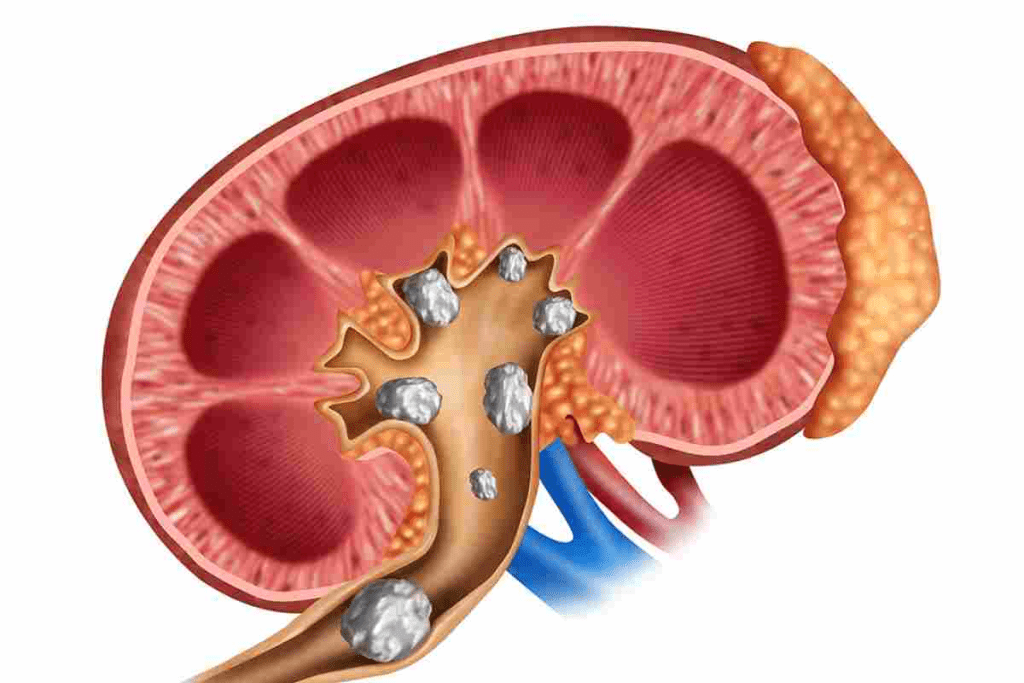
Lithotripsy has changed how we treat kidney stones, making it easier and less invasive. This method has greatly helped people with this painful condition. It’s a big step forward in kidney stone treatment treatment.
Dealing with kidney stones is tough, and finding the right treatment is key. Lithotripsy is a top choice because it works well and has quick recovery times.
What Is Lithotripsy and How Does It Work?
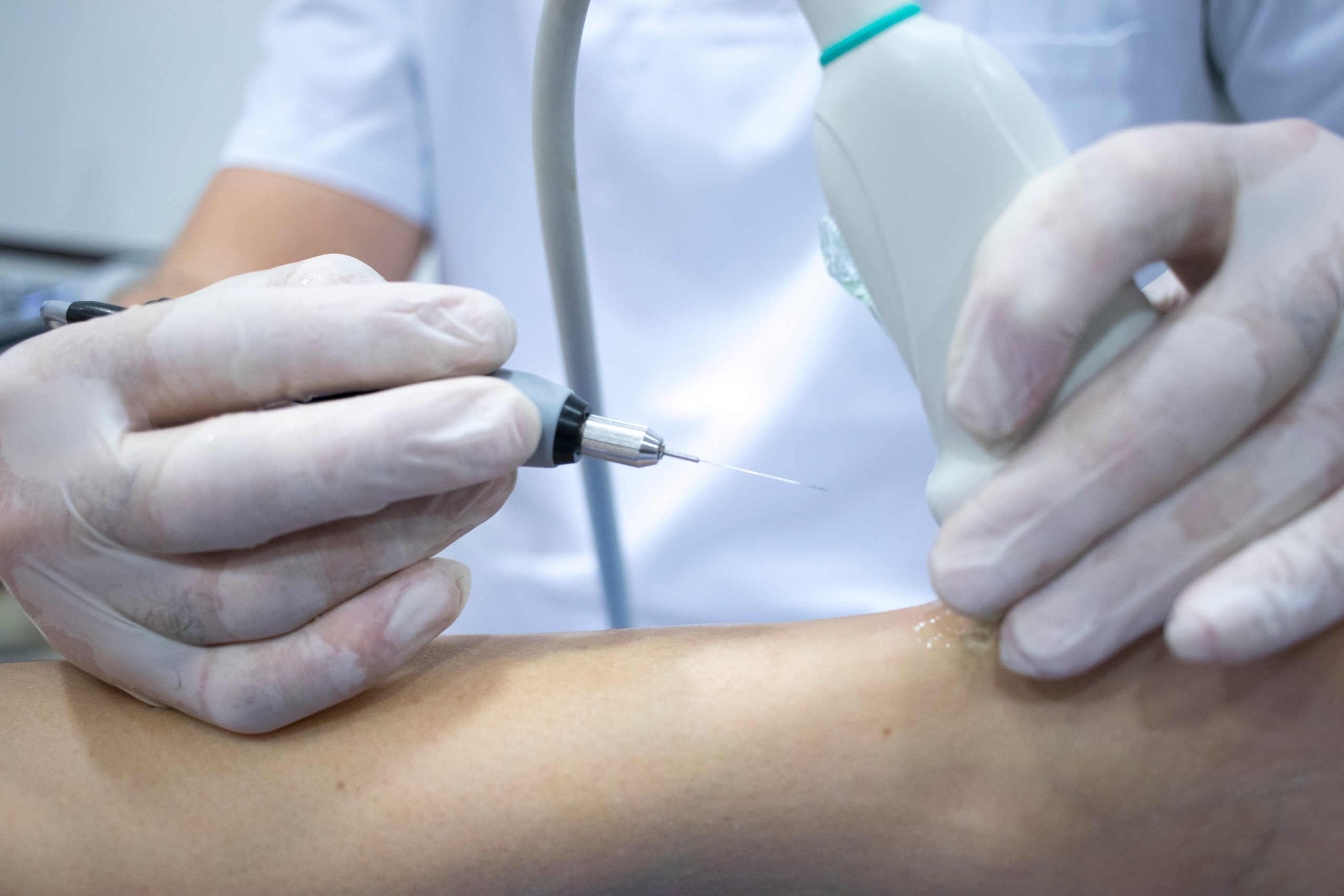
Lithotripsy uses shock waves to break down kidney stones into smaller pieces. These pieces can then be passed out of the body through urine. It’s a non-invasive method that avoids surgery, lowering risks and speeding up recovery.
A lithotripter, a machine that makes shock waves, is used in the process. These shock waves are aimed at the kidney stone, breaking it down. The procedure is guided by imaging to make sure the stone is hit correctly.
Common Types o f Lithotripsy Procedures
There are several lithotripsy procedures, each with its own use. The most common ones are:
- Shock Wave Lithotripsy (SWL): This method uses shock waves to break down stones.
- Laser Lithotripsy: It uses laser technology to fragment stones, often with ureteroscopy.
It’s important to know the different types of kidney stones and the best lithotripsy procedure. Our medical team will look at the stone’s size, location, and type to suggest the best treatment.
Why Your Clothing Choices Matter for Lithotripsy Success
Getting ready for lithotripsy means knowing how your clothes can help. The right outfit ensures clear images, keeps you comfy, and follows hospital rules.
Impact on Medical Imaging Quality
What you wear affects the quality of medical images during lithotripsy. Some fabrics or metal items can mess with imaging tech. Wearing loose, metal-free clothes helps get clear images of kidney stones.

Patient Comfort and Procedure Efficiency
Comfortable clothes are key to a smooth lithotripsy. Loose clothes ease anxiety and make prep easier. Easy-to-remove clothes speed up getting ready for treatment.
Key considerations for patient comfort include:
- Loose-fitting clothing for ease of movement and comfort
- Easy-to-remove garments to simplify the preparation process
- Comfortable footwear to reduce anxiety and discomfort
Hospital Protocol Requirements
Hospitals have rules for what you can wear. Some need you in a hospital gown for hygiene and safety. Knowing and following these rules makes your treatment go smoothly.
Choosing the right clothes and knowing hospital rules helps your lithotripsy success. With your medical team’s help, you’ll get the best results in your kidney stone treatment journey.
Preparing Your Wardrobe the Day Before Lithotripsy
Getting your wardrobe ready ahead of time can really help reduce stress on the big day. We know that going through a medical procedure can be scary. But being ready can make a huge difference. Choosing the right clothes is a big part of getting ready.
Creating a Checklist of Appropriate Attire
It’s a good idea to make a list of what to wear for your lithotripsy. Comfortable, loose-fitting clothes are best because they make you feel better during the procedure and while you’re recovering. Pick clothes that are easy to put on and take off, as you might need to wear a hospital gown.
Think about what you’ll be doing in the hospital. Choose practical and simple clothes that won’t get in the way. Also, check with your doctor for any special clothes they might suggest.
What to Pack in Your Hospital Bag
Having the right things in your hospital bag can make things easier. Bring comfy clothes and any personal items that help you relax, like a book or music. But it’s best to leave out valuables and jewelry because you might have to take them off during the treatment.
It’s smart to pack a small bag with the basics like a change of clothes, slippers, and personal care items. Here’s a quick list:
- Loose, comfortable clothing
- Personal care items (e.g., toothbrush, hairbrush)
- Slippers or comfortable shoes
- Any prescribed medications
- A book or entertainment device
As someone getting lithotripsy, you’re taking a big step in treating your kidney stones. “Lithotripsy is a very effective treatment for kidney stones, and being prepared can make the whole experience better,” says a top urologist. By packing smart and wearing the right clothes, you can focus on getting better and getting back to your usual life.
image is to be corrected’
Recommended Clothing Options for Your Lithotripsy Appointment
Choosing the right clothes for your lithotripsy appointment is key. It affects your comfort and how well the procedure goes. The right outfit can greatly improve your experience.
Loose-Fitting Comfort Wear
For lithotripsy, wear loose clothes. Soft, breathable fabrics like cotton or modal are best. They’re comfy and let you move freely. Stay away from tight clothes that might be uncomfortable during the procedure.
Choose loose tops and pants that can be taken off if needed. This makes it easier to get to the treatment area. It also keeps you calm during the process.
Warm-Up Suits and Athletic Clothing
Warm-up suits and athletic clothes are great for lithotripsy. They’re made of stretchy materials that let you move freely.
Athletic wear, like sweatpants and moisture-wicking tops, is very comfy. It’s also easy to move in, which is good for recovery.
Appropriate Footwear Choices
Choose shoes that are easy to take off for your appointment. Slip-on shoes or sandals are perfect because they can be removed quickly.
Don’t wear shoes that are hard to take off. They can slow things down. Opt for shoes that are easy to remove for a hassle-free visit.
Clothing Items to Avoid During Lithotripsy Procedures
The clothes you wear on lithotripsy day matter a lot. Some clothes can mess with the treatment or make you uncomfortable. It’s best to skip certain clothes for a better lithotripsy experience.
Garments with Metal Components
Clothes with metal, like zippers or buttons, can mess with the equipment or hurt during the procedure. Avoid wearing clothes with metal parts to avoid problems. Metal can mess up images or interact with other medical gear.
Tight or Restrictive Clothing
Tight clothes can make you uncomfortable during lithotripsy and might mess up the treatment. Wear loose clothes to stay comfy and let doctors work easily. Tight clothes can also make you anxious, which isn’t good for the experience.
Clothing with Waistband Fasteners
Clothes with tight waistbands, like belts or tight pants, can also be a problem. Choose clothes with elastic waistbands or loose pants to avoid issues. This makes the treatment more comfortable and stress-free.
Remember, what you wear can really affect your lithotripsy. Avoiding clothes with metal, tight clothes, and waistband fasteners helps. This way, you can have a smooth and effective treatment.
“Comfortable clothing can make a big difference in the lithotripsy experience. By picking the right clothes, patients can feel less stressed and anxious. This leads to a better treatment outcome.”
-A Urologist says
Jewelry and Accessories Guidelines for Lithotripsy Patients
Wearing jewelry and accessories can affect your lithotripsy experience. It’s important to follow certain guidelines. This ensures the procedure’s success and your safety, as it treats types of kidney stones without surgery.
Why 100% of Facilities Require Jewelry Removal
All medical facilities require patients to remove jewelry before lithotripsy. This is not just a precaution; it’s a must. Jewelry can mess with the medical imaging technology, like X-rays or ultrasound. This could lead to wrong results or problems during treatment.
Also, some jewelry, like metal items, can cause issues with the lithotripsy equipment. The shockwaves from the machine might move or heat up metal objects. Removing jewelry is a simple way to avoid these risks.
Body Piercings and Medical Equipment Interference
Body piercings can also be a concern during lithotripsy. The main worry is that piercings might be affected by the procedure. It’s important to tell your healthcare provider about any piercings you have. In some cases, they might need to be removed.
Some medical conditions or surgical procedures for kidney stones might require extra precautions. Your healthcare team will check your situation and give you specific advice.
Secure Storage Options for Valuables
Removing jewelry and accessories can be worrying, but facilities offer secure storage. Patients are advised to leave valuable items at home if possible. For necessary items, hospitals have safekeeping procedures.
- Check with your healthcare provider about storage options at your facility.
- Make a list and take photos of your valuables before storing them.
- Some facilities offer lockers or secure boxes for storing belongings during the procedure.
By following these guidelines, patients can help make their lithotripsy experience safe and successful. Our goal is to provide the best care possible. Adhering to these guidelines is a key part of that.
Makeup and Nail Polish: Why Removal Is Essential Before Lithotripsy
Removing makeup and nail polish before lithotripsy is a key step. It’s important to know why this is necessary. It makes the preparation process easier to understand.
Impact on Patient Monitoring Systems
Makeup and nail polish can mess with patient monitoring systems. They might give wrong readings. For example, some nail polishes can mess with oxygen level checks.
By taking off these items, we make sure the monitoring is accurate. This is vital for the procedure’s success and safety.
Facility Hygiene Standards
Removing makeup and nail polish also keeps the facility clean. Cosmetics can carry bacteria. Taking them off reduces infection risks.
Lithotripsy needs a clean environment to work well. Following these removal rules helps keep everyone safe.
99% Adherence Rate to Cosmetic Removal Protocols
About 99% of healthcare places require patients to remove makeup and nail polish. This shows how important these rules are for safety and success.
For more on preparing for lithotripsy and what to do after.
To wrap it up, removing makeup and nail polish is key for:
- Accurate patient monitoring
- Keeping the facility clean
- Following medical standards
By following these steps, patients help make their lithotripsy go smoothly. If you have questions, talk to your doctor.
What to Expect: Hospital Gowns and Changing Procedures for Lithotripsy
Before your lithotripsy, you’ll need to change into a hospital gown. This is a common step to make sure you’re comfortable and the treatment works well.
Standard Changing Protocols at Treatment Facilities
At the treatment center, you’ll go to a changing area. There, you’ll put on a hospital gown. These gowns are made to be comfy and easy for doctors to access. You’ll take off your clothes, and they’ll be kept safe until you’re done.
Every place might do things a bit differently. But the main goal is to make the process easy and not too uncomfortable.
Maintaining Comfort and Dignity During the Process
Changing into a hospital gown might make you a bit nervous. But our medical team is trained to be gentle and respectful. They make sure you’re comfortable and private while you change.
If you’re worried about the change or the procedure, talk to the staff. They’re there to help you through your kidney stone treatment.
What You Can Keep Wearing vs. What Must Be Removed
For lithotripsy, you’ll need to take off all clothes, jewelry, and anything that could get in the way. This means no metal, makeup, or nail polish because they can mess with the equipment.
You can keep some things like glasses or hearing aids until just before the treatment. But it’s best to leave expensive items at home or follow the facility’s advice on where to store them.
Conclusion: Ensuring a Smooth and Successful Lithotripsy Experience
Getting ready for a lithotripsy procedure means paying close attention to details, like what you wear and what you bring. By following the tips in this article, patients can make their kidney stone treatment go smoothly.
It’s key to wear loose, comfy clothes and avoid anything with metal or tight waistbands. Also, take off jewelry, makeup, and nail polish. Knowing these steps helps avoid problems and makes the treatment more comfortable.
At places where lithotripsy is done, you’ll likely need to wear a hospital gown. Knowing what to expect can ease your worries. Being ready and informed helps you focus on getting better and getting the best results from your treatment.
FAQ
What is lithotripsy and how does it work?
Lithotripsy is a non-invasive procedure that breaks up kidney stones. It uses shock waves to turn stones into smaller pieces. These pieces can then be easily passed out of the body.
We use a device called a lithotripter to create these shock waves. The waves are then focused on the stone to break it apart.
What type of clothing is recommended for a lithotripsy procedure?
Wear loose, comfortable clothing for the procedure. This allows easy access to the treatment area. Avoid clothes with metal, tight, or waistband fasteners.
Can I wear jewelry or accessories during lithotripsy?
No, jewelry and accessories must be removed before the procedure. This prevents interference with medical equipment and ensures a safe treatment. We provide secure storage for your valuables.
Why do I need to remove makeup and nail polish before lithotripsy?
Removing makeup and nail polish is important. It ensures accurate patient monitoring and maintains hygiene standards. This helps us provide the best care during your treatment.
What happens to my clothing during the lithotripsy procedure?
You’ll need to change into a hospital gown before the procedure. Our staff will help you change to keep you comfortable and dignified. You can keep some clothes on, but we’ll tell you what’s okay.
How long does it take to pass a kidney stone after lithotripsy?
Passing a kidney stone after lithotripsy varies. It depends on the stone’s size and individual factors. Generally, it can take a few days to weeks for the fragments to pass.
Are there different types of lithotripsy procedures?
Yes, there are different types, including shock wave and laser lithotripsy. We’ll discuss the best option for you during your consultation.
What are the benefits of lithotripsy for kidney stone treatment?
Lithotripsy is a minimally invasive and effective treatment. It has a high success rate and a quick recovery time. It often avoids the need for surgery, reducing complications and promoting a faster recovery.
References
Kaiser Permanente. (n.d.). Laser Lithotripsy: Before Your Procedure. https://healthy.kaiserpermanente.org/health-wellness/health-encyclopedia/he.laser-lithotripsy-before-your-procedure.zp4425