Last Updated on December 2, 2025 by Bilal Hasdemir
Lithotripsy is a medical treatment for large kidney stones that can’t pass through the urinary tract. It’s not a major surgery. Instead, it’s a minimally invasive treatment that uses shock waves to break stones.
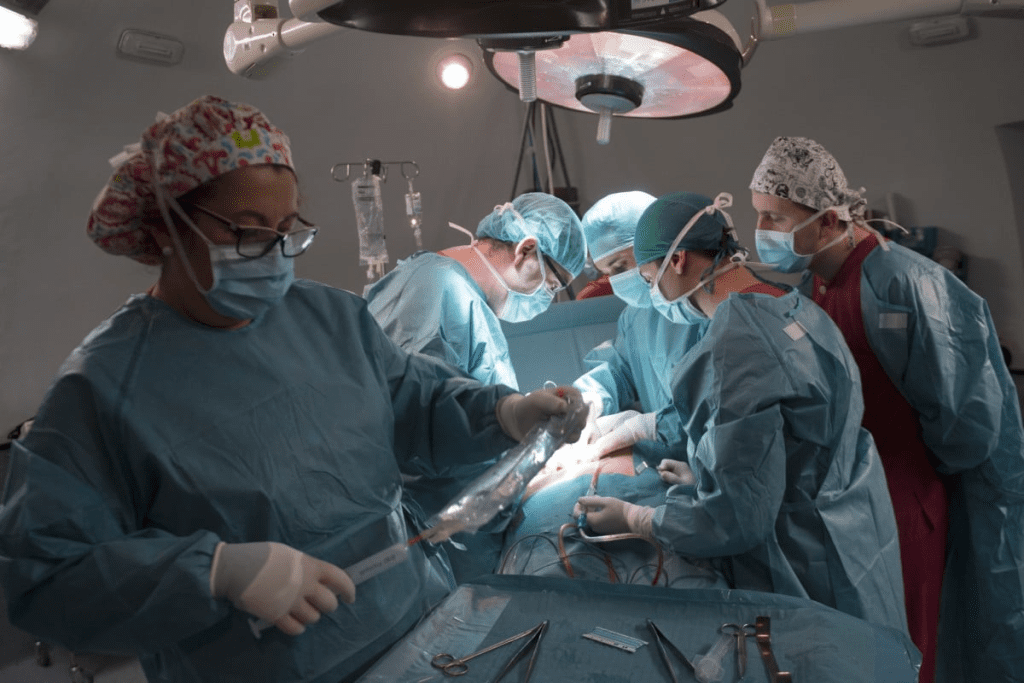
This noninvasive method lets patients skip surgical cuts and heal faster. Advanced shock wave technology makes lithotripsy a good choice for those with kidney stones.
Key Takeaways
- Lithotripsy is a noninvasive procedure for treating kidney stones.
- It is not considered a major surgery.
- The procedure uses focused shock waves to break up stones.
- Patients can avoid surgical incisions and recover quickly.
- Lithotripsy is an effective solution for kidney stone sufferers.
What Is Lithotripsy and Why Is It Not Considered Major Surgery
Lithotripsy was introduced in the early 1980s and changed how we treat kidney stones. It’s a noninvasive method that breaks up stones in the kidney, bladder, or ureter. This makes it a popular choice for treating kidney stones.
Definition and Primary Uses
Lithotripsy breaks up stones in the kidney, bladder, or ureter. The name comes from the Greek words for “stone” and “rubbing or crushing.” It’s used to treat kidney stones without open surgery.
Recent data shows ESWL is used in 70“80% of noninvasive treatments worldwide. The procedure uses shock waves or laser technology to break stones into smaller pieces. These pieces can then be passed out of the body through urine.
Key Differences Between Lithotripsy and Major Surgical Procedures
Lithotripsy is different from major surgery in several ways:
- Noninvasive: It doesn’t require incisions or instruments inserted through the skin.
- Recovery Time: Recovery from lithotripsy is much quicker, with most patients returning to normal activities in a few days.
- Anesthesia: Some lithotripsy procedures may use sedation or local anesthesia, not general anesthesia like major surgeries.
- Risk Factors: Lithotripsy has fewer complications and risks compared to major surgeries.
These differences make lithotripsy a good option for treating kidney stones. It offers an effective treatment with minimal disruption to daily life.
The 3 Main Types of Lithotripsy Procedures
The medical field has developed several lithotripsy techniques for different kidney stone cases. These procedures can be done on an outpatient basis, usually in under an hour. This makes it easier for patients to get treatment without much disruption to their lives.
Extracorporeal Shock Wave Lithotripsy (ESWL)
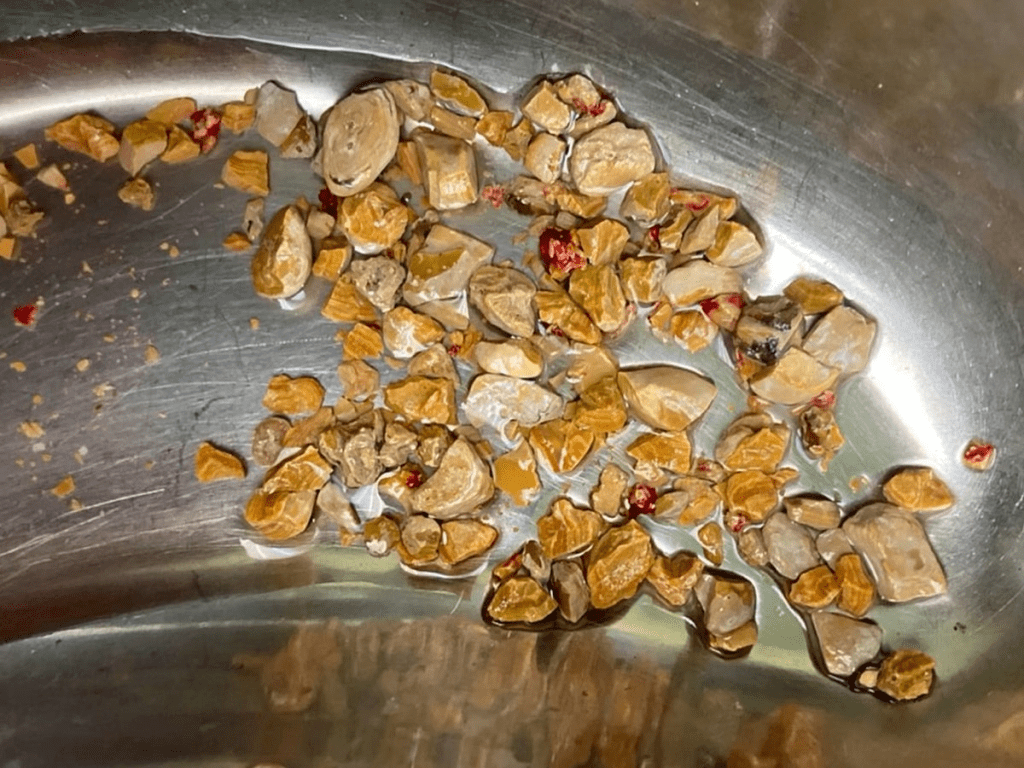
Extracorporeal Shock Wave Lithotripsy (ESWL) is a common noninvasive treatment for kidney stones. It’s best for smaller stones that can be seen on an X-ray. During an ESWL procedure, shock waves are sent from outside the body to break the stone into smaller pieces. These pieces then pass out of the body in the urine.
Ureteroscopy with Laser Lithotripsy
Ureteroscopy with Laser Lithotripsy involves using a small scope to reach the stone through the urethra and bladder. A laser is then used to break the stone into smaller pieces. These pieces can then be removed or passed out. This method is great for larger stones or those in the ureter.
Percutaneous Nephrolithotomy
Percutaneous Nephrolithotomy is used for larger stones or complex cases. It involves a small incision in the back to insert a tube directly into the kidney. This method is more invasive than ESWL or ureteroscopy but is needed for certain cases.
Knowing about the different lithotripsy procedures helps both patients and healthcare providers choose the best treatment. This choice depends on the stone’s size, location, and complexity.
What to Expect During a Lithotripsy Procedure
Knowing what to expect during a lithotripsy can help reduce anxiety. This non-invasive treatment uses shock waves to break up kidney stones. The stones are then passed out of the body easily.
Pre-Procedure Preparation Steps
Before the procedure, several steps are taken:
- Medical History Review: Your doctor will review your medical history to identify any risks.
- Imaging Tests: You may undergo imaging tests like X-rays or a CT scan to locate the kidney stone.
- Dietary Restrictions: You might be asked to avoid eating or drinking for a certain period before the procedure.
- Medication Adjustment: Inform your doctor about any medications you’re taking, as some may need to be adjusted or stopped.
The Procedure Experience
During the procedure, you’ll be positioned on a table. A computerized X-ray machine will be used to pinpoint the stone’s location. The procedure typically involves:
- Anesthesia or Sedation: You may receive local anesthesia or sedation to help manage discomfort.
- Shock Wave Delivery: Shock waves are delivered through the skin to the kidney stone, breaking it into smaller fragments.
- Monitoring: The procedure is monitored closely to ensure the stone is being effectively broken down.
Immediate Post-Procedure Monitoring
After the procedure, you’ll be monitored for a period. This is to check for any immediate complications and to assess the treatment’s effectiveness. You may experience:
- Mild Discomfort: Some patients report mild discomfort or pain after the procedure.
- Blood in Urine: It’s common to see blood in the urine for a few days following the procedure.
- Passing Stone Fragments: You may pass the stone fragments in your urine, which is a sign that the treatment is working.
Recovery time is relatively fast, with most patients resuming normal activities within a few days. It’s essential to follow your doctor’s instructions for post-procedure care to ensure a smooth recovery.
Recovery Timeline After Lithotripsy Treatment
Knowing what to expect after lithotripsy is key to a smooth recovery. This procedure breaks up kidney stones into smaller pieces. These pieces then pass through the urine. It’s a minimally invasive method with a quick recovery time.
First 24-48 Hours Post-Procedure
Right after lithotripsy, you might feel some pain and see blood in your urine. These symptoms usually go away in a couple of days. Drinking lots of water helps flush out the stone pieces.
You can go back to your usual diet unless your doctor says not to.
One Week Recovery Milestones
By the end of the first week, you’ll likely feel much better. The pain will lessen, and you can start doing normal activities again. But always follow your doctor’s advice on what activities to do and when to see them again.
The size of the stone can affect how long it takes to recover. Bigger stones might need more shock waves, leading to a longer recovery.
When to Seek Medical Attention
Even though complications are rare, it’s important to know when to get help. Severe pain, heavy bleeding, fever, or trouble urinating are signs to see a doctor right away. Don’t wait to call your healthcare provider if you have these symptoms.
In summary, recovery from lithotripsy is usually quick, taking just a few days to a week. By knowing what to expect and following your doctor’s advice, you can avoid complications and get back to your routine fast.
5 Possible Risks and Complications of Lithotripsy
It’s important for patients to know about the risks of lithotripsy before they decide to have it. This treatment is usually safe and works well for kidney stones. But there are some risks that patients should be aware of.
Common Minor Side Effects
Most people who have lithotripsy will have some minor side effects. These can include bruising or discomfort in the back or side, blood in the urine, and sometimes, discomfort or pain as the stone fragments move through the urinary tract.
These side effects are usually short-lived and go away in a few days. But it’s key for patients to follow their doctor’s instructions after the procedure to lessen these effects.
Less Common Complications
While rare, serious complications can happen. These might include infection, bleeding around the kidney, and obstruction from stone fragments. In some cases, the treatment could also damage nearby organs or tissues.
It’s vital for patients to know about these possible complications. They should get medical help right away if they have severe pain, fever, or bleeding.
Risk Factors That May Increase Complication Rates
Some factors can make complications from lithotripsy more likely. These include larger stone size, multiple stones, and pre-existing medical conditions like diabetes or kidney disease. Patients with these risk factors should talk to their doctor about their situation.
Recent studies show that lithotripsy works for 60% to 90% of patients, depending on the stone size and location. Knowing the risks and how to avoid them can help get the best results.
Success Rates: What Size Kidney Stone Requires Lithotripsy
Lithotripsy success rates depend on several things, like stone size and where it is. Knowing how well this treatment works is important for both patients and doctors.
Success Rates Based on Stone Size
Research shows that lithotripsy works better for smaller stones. Stones under 1 cm can have a 90% success rate. But, bigger stones see a drop in success rates.
Stones between 1-2 cm have a 60-70% success rate. Stones over 2 cm often need more treatment because they have a lower success rate.
- Stones
- Stones 1-2 cm: 60-70% success rate
- Stones >2 cm: lower success rate, often requiring additional treatments
Success Rates Based on Stone Location
The stone’s location also affects lithotripsy success. Stones in the renal pelvis or upper ureter tend to work better. But stonethin e lower pole can be harder to treat.
Factors That May Necessitate Additional Treatments
Several things can mean you need more treatment after lithotripsy. These include the stone’s size, location, and your health. Sometimes, residual fragments need more treatment.
In short, lithotripsy success depends on stone size, location, and health. Knowing this helps doctors choose the best treatment for kidney stones.
How Lithotripsy Compares to Alternative Kidney Stone Treatments
Kidney stone treatments vary, and knowing how lithotripsy stacks up is key. Lithotripsy, a non-invasive method, is often the first choice for some kidney stones.
Conservative Management Approaches
For small stones, watching and waiting might be the plan. This means keeping an eye on the stone and using pain meds and lots of water. It’s usually for stones under 5 mm, as they often pass on their own.
Doctors might also give alpha-blockers to help the stone move. This is for those who can’t or shouldn’t have surgery, or if passing the stone naturally is likely.
More Invasive Surgical Options
Bigger or more complex stones might need surgery. This includes surgical removal of kidney stones through ureteroscopy or percutaneous nephrolithotomy. Ureteroscopy uses a small scope, while percutaneous nephrolithotomy makes a small incision in the back.
These methods are for stones that won’t pass or are causing problems. They work well but come with more risks than lithotripsy.
Decision-Making Factors for Treatment Selection
Choosing between lithotripsy and other treatments depends on several things. These include the stone’s size, location, and type, and the patient’s health and past treatments.
- Stone size and location: Larger stones or those in tricky spots might need surgery.
- Patient health: Some medical conditions make lithotripsy or other non-invasive methods better.
- Previous treatments: Patients who’ve had treatments before might need different options.
It’s important for both patients and doctors to know the pros and cons of each treatment. This helps make the best choice for everyone involved.
Conclusion: The Minimally Invasive Nature of Modern Lithotripsy
Lithotripsy has changed how we treat kidney stones. It’s safe and works well. This method is less invasive than old surgeries, so patients recover faster.
This treatment uses shock waves to break down stones. It makes them small enough to pass easily. This shows how lithotripsy is a new way to handle kidney stones.
Healthcare teams use the latest technology in lithotripsy. This makes the treatment safer and more effective for patients.
Because of its benefits, many choose lithotripsy for kidney stones. It’s a quick and reliable fix with little downtime.
FAQ
What is lithotripsy?
Lithotripsy is a non-invasive medical procedure. It uses shock waves to break up kidney stones. These stones are then passed out of the body easily.
Is lithotripsy considered a major surgery?
No, lithotripsy is not a major surgery. It’s a minimally invasive procedure. This means it doesn’t require surgical incisions. It results in less recovery time and fewer complications.
What are the different types of lithotripsy procedures?
There are three main types of lithotripsy procedures. These are Extracorporeal Shock Wave Lithotripsy (ESWL), ureteroscopy with laser lithotripsy, and percutaneous nephrolithotomy.
What is the success rate of lithotripsy for kidney stones?
The success rate of lithotripsy depends on the stone’s size and location. It works best for stones less than 2 cm in size.
What are the possible risks and complications of lithotripsy?
Minor side effects like bruising and discomfort are possible. Less common complications include infection and bleeding.
How long does it take to recover from lithotripsy?
Recovery from lithotripsy is usually quick. Most people can go back to normal activities in a few days. Following post-procedure instructions is key to avoiding complications.
What size kidney stone requires lithotripsy?
Stones larger than 5 mm may need lithotripsy. This is because they are too big to pass on their own.
How does lithotripsy compare to other kidney stone treatments?
Lithotripsy is a minimally invasive treatment. It’s often preferred over more invasive surgeries. The best treatment depends on the stone’s size, location, and the patient’s health.
What is laser lithotripsy?
Laser lithotripsy uses a laser to break up kidney stones. It’s often used with ureteroscopy to treat stones in the ureter.
What is the ESWL procedure?
ESWL is a non-invasive treatment. It uses shock waves to break up kidney stones. It’s usually done on an outpatient basis and doesn’t require surgical incisions.
What is ureteroscopy with laser lithotripsy?
Ureteroscopy with laser lithotripsy is a minimally invasive procedure. It uses a small scope and a laser to break up stones. The broken pieces are then easily removed.
References
- “Effectiveness of Percutaneous Nephrolithotomy, Retrograde Intrarenal Surgery, and Extracorporeal Shock Wave Lithotripsy for Treatment of Renal Stones: A Systematic Review and Meta-Analysis. (2020). PubMed Central (PMC). https://pubmed.ncbi.nlm.nih.gov/33396839/