Last Updated on December 2, 2025 by Bilal Hasdemir
Kidney stones are hard deposits made of minerals and salts. They form inside the kidneys. The size of the stone is key in choosing the right treatment. We will look at how stone size affects treatment, especially when lithotripsy is needed.
Kidney stones can be very painful and cause serious problems. The treatment depends on the stone’s size. Lithotripsy is usually used for stones that are too big to pass on their own, usually over 10 mm.
Key Takeaways
- Kidney stone size is crucial in determining the treatment.
- Stones larger than 10 mm may require lithotripsy.
- Lithotripsy is a non-invasive treatment option.
- The size of the stone impacts the choice of treatment.
- Kidney stones can cause significant pain and complications.
Understanding Kidney Stones and Their Sizes
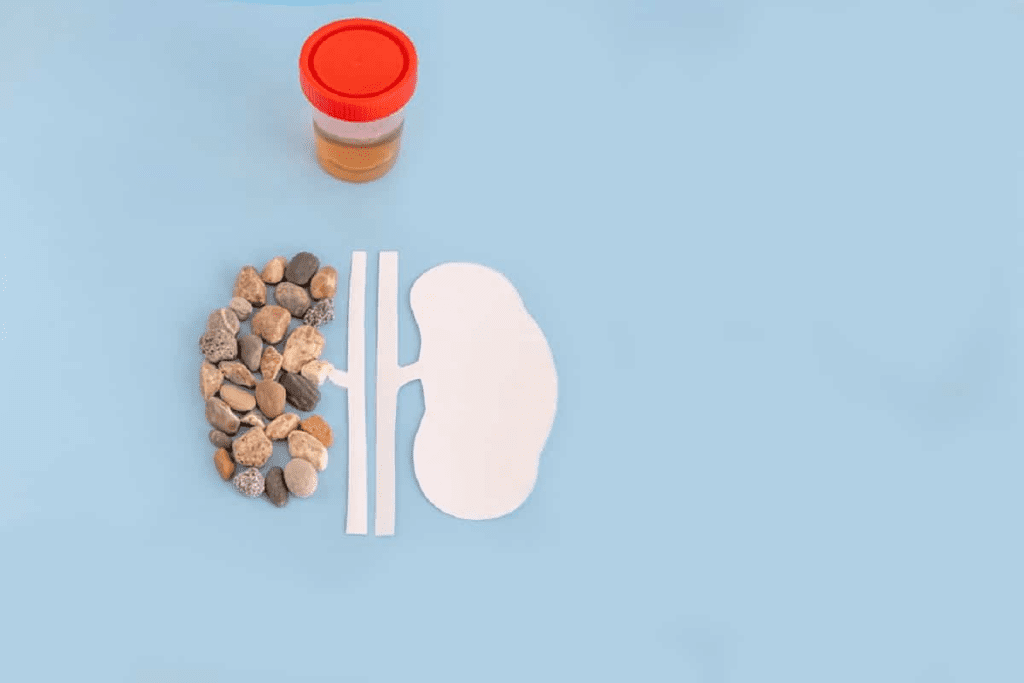
It’s important to know how kidney stones form and their sizes to choose the right treatment. Kidney stones are hard deposits made of minerals and salts. They can be as small as a grain of sand or as big as a golf ball.
How Kidney Stones Form
Kidney stones form when there’s an imbalance in urine substances, causing crystallization. This imbalance can come from dehydration, diet, or genetics. “The formation of kidney stones is a complex process involving multiple factors,” say doctors.
Measuring Kidney Stone Size
Kidney stone size is measured in millimeters. Stones under 10 mm might pass on their own. But, those between 10“20 mm often need to be removed. Larger stones can cause severe pain and need medical help.
Impact of Size on Symptoms
The size of a kidney stone affects the symptoms it causes. Larger stones can block the urinary tract and cause more pain. Symptoms include severe pain, nausea, and vomiting. Knowing the size and type of stone is key for effective kidney stones treatment.
To treat kidney stones, you need to know their type and size. There are different types of kidney stones, like calcium, uric acid, and cystine stones. Each needs a specific treatment approach.
When Do Kidney Stones Pass Naturally?

Whether a kidney stone can pass on its own depends on its size. Smaller stones are more likely to pass without help. Stones under 10 mm often pass naturally, but bigger ones might need treatment.
Size Thresholds for Natural Passage
The size of a kidney stone is key in knowing if it can pass naturally. Stones smaller than 5 mm usually pass easily. Stones between 5-10 mm might pass, but it’s harder.
For more details on passing a kidney stone, check out this guide on the 4 stages of passing a kidney.
Timeframe for Spontaneous Passage
The time it takes for a stone to pass can vary a lot. Smaller stones might pass in days to weeks. But, bigger stones could take longer or not pass without help.
Factors That Affect Natural Passage
Size isn’t the only thing that matters. The stone’s location, how much water you drink, and your health also play a role. Staying well-hydrated helps stones pass more easily.
The 10mm Threshold: When Intervention Becomes Necessary
The 10mm threshold is key in deciding if a kidney stone will pass on its own or need medical help. We look into why this size is so important and what it means for treatment.
Why 10mm Is a Critical Size
Stones between 10“20 mm often need to be removed because they rarely pass on their own. The size of a kidney stone is very important in choosing the right kidney stone treatments. At 10mm, the stone is too big to pass easily, and the risk of problems grows.
Symptoms That Indicate Treatment Is Needed
Severe pain, nausea, or vomiting, or signs of infection mean surgical procedures for kidney stones are needed. Other signs include blockage of the urinary tract or if the stone doesn’t move after a while. We must watch for these signs to know when to act.
Complications of Untreated Large Stones
Big kidney stones left untreated can cause serious issues like infection, kidney damage, or even losing kidney function. There are 4 methods for kidney stone removal based on the stone’s size, location, and the patient’s health. These risks show why quick and right treatment is crucial.
In summary, the 10mm threshold is a big deal in managing kidney stones. It’s when natural passage is unlikely and medical help is needed. Knowing why this size is important and the dangers of big stones helps us make better treatment choices.
Understanding Lithotripsy: The Primary Treatment for Medium-Sized Stones
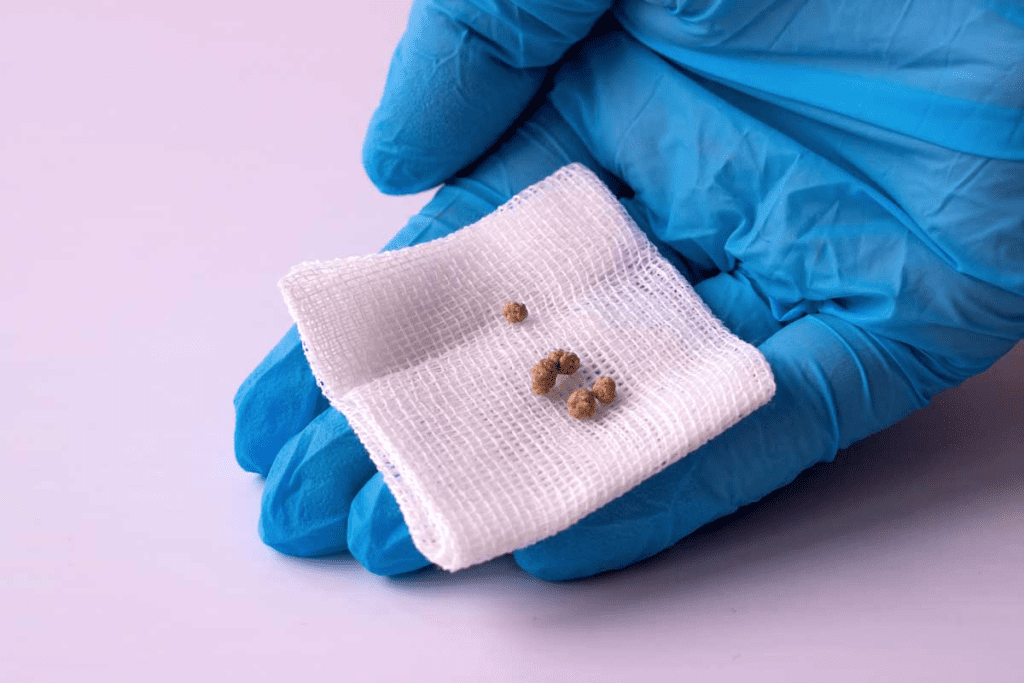
For those with medium-sized kidney stones, lithotripsy is a good choice. It’s a non-invasive method that breaks stones into smaller pieces. These pieces then pass out of the body in urine.
What Is Extracorporeal Shock Wave Lithotripsy (SWL)
Extracorporeal shock wave lithotripsy is a non-surgical treatment. It doesn’t need surgical cuts. Instead, it uses shock waves from outside the body to break down stones.
How Lithotripsy Works
The lithotripsy process has several steps:
- Localization: The stone is found using X-ray or ultrasound.
- Shock Wave Generation: Shock waves are made by a lithotripter and aimed at the stone.
- Stone Fragmentation: The shock waves break the stone into smaller pieces.
- Passage of Fragments: These pieces then pass out of the body through the urinary tract.
Ideal Stone Sizes for Lithotripsy (10-20mm)
Lithotripsy works best for stones between 10-20 mm. These stones are too big to pass on their own but small enough to be broken down by lithotripsy.
Key benefits of lithotripsy include:
- It’s non-invasive, which lowers the risk of complications.
- It has a high success rate for stones between 10-20 mm.
- It has a short recovery time, so patients can get back to normal activities quickly.
We suggest talking to a healthcare professional about your kidney stone treatment. They can help decide if lithotripsy is right for you.
Ureteroscopy (URS): An Alternative for Specific Stone Locations
Ureteroscopy (URS) is a minimally invasive procedure for treating kidney stones in certain cases. It uses a small scope to see and remove the stone. This method is especially useful for stones in the ureter or causing blockage.
When URS Is Preferred Over Lithotripsy
URS is often chosen over lithotripsy for stones in the lower ureter. It’s also better for patients with certain anatomical issues. URS allows for direct stone removal, which is beneficial in some cases.
Effectiveness for Different Stone Sizes
The success of URS depends on the stone size. It works well for stones under 10mm. For bigger stones, more techniques might be needed to break them down before removal.
Recovery Comparison with Lithotripsy
Recovery times for URS and lithotripsy are short. URS patients might feel some pain, but it’s usually managed with meds. URS can solve some stone issues faster, helping patients recover quicker.
Percutaneous Nephrolithotomy (PCNL) for Stones Over 20mm
For kidney stones bigger than 20mm, PCNL is often the best choice. It has a high success rate. PCNL is a minimally invasive surgery that removes the stone through a small incision in the back.
Why PCNL Is First-Line for Larger Stones
We suggest PCNL for bigger stones because it works well in one go. Studies show PCNL can remove large stones in over 90% of cases. This is much better than other treatments like lithotripsy, which might need many sessions.
The Procedure and Recovery Process
During PCNL, the patient is under general anesthesia. We make a small incision in the back to insert a tube. Through this tube, we remove the stone. The whole procedure takes a few hours.
After surgery, patients usually stay in the hospital for 1-3 days. This is for monitoring and recovery. The recovery time is shorter than with open surgery.
image is to be replaced’
Success Rates Compared to Other Methods
PCNL is more successful for large stones than other treatments. Its main benefits are:
- High success rate with just one procedure
- Minimally invasive, which means less recovery time
- Works well for complex or large stones
While other treatments like lithotripsy and ureteroscopy are good for smaller stones, PCNL is best for bigger ones. We see PCNL as a top choice for such cases because of its success and efficiency.
Comparing Treatment Options Based on Stone Size
The size of a kidney stone is very important when choosing a treatment. The options change a lot depending on the stone’s size. This can be small, medium, or large.
Under 10mm: Watchful Waiting vs. Intervention
For stones under 10mm, doctors often start with watchful waiting. Many small stones can pass on their own with enough water and pain relief. But, if the stone doesn’t move or causes ongoing pain, doctors might need to step in.
10-20mm: Lithotripsy vs. Ureteroscopy
Stones between 10-20mm usually need more help. Lithotripsy and ureteroscopy are common choices. Lithotripsy uses shock waves to break the stone into smaller pieces. Ureteroscopy involves removing or breaking the stone with a laser.
The right treatment depends on the stone’s location, the patient’s health, and other factors.
Over 20mm: PCNL and Other Approaches
For stones over 20mm, Percutaneous Nephrolithotomy (PCNL) is usually the best option. PCNL makes a small cut in the back to remove the stone. It’s more effective for large stones because it can remove big pieces in one go.
In summary, the size of a kidney stone is key in picking the right treatment. Knowing the options and when to use them is important for managing kidney stones well.
Factors Beyond Size That Influence Treatment Selection
Size isn’t the only thing that matters when choosing a treatment for kidney stones. We look at other important factors to give our patients the best care.
Stone Composition and Density
The type and density of a kidney stone affect how well treatments work. For example, some types of kidney stones don’t respond well to extracorporeal shock wave lithotripsy (SWL). Knowing what the stone is made of helps us pick the right treatment.
Stone Location in the Urinary Tract
Where the kidney stone is located also plays a big role. Some spots are harder to reach and need special treatments. We use imaging to find the stone’s exact spot and plan the best treatment.
Patient-Specific Considerations
Each patient’s health and medical history are also key. Some kidney stone medications work better for certain people. We consider these factors to create a treatment plan that fits each patient’s needs.
image is to be replaced’
By understanding these factors, we can tell if a kidney stone is dangerous and needs quick action. We consider everything to make a treatment plan that meets each patient’s unique needs.
Recovery and Follow-Up After Kidney Stone Treatment
Recovery and follow-up care are key after kidney stone treatment. They help ensure the treatment works well and lower future risks. Knowing what to expect after a procedure like lithotripsy is important.
What to Expect After Lithotripsy
After lithotripsy, you might feel some pain or discomfort. This is because your body is passing the stone fragments. To manage pain, follow your doctor’s advice on medication. Drinking lots of water also helps flush out the fragments.
Post-Procedure Stone Fragment Passage
Passing stone fragments is a normal part of recovery after lithotripsy. Seeing small particles in your urine means the treatment is working. Drinking plenty of water helps move these fragments along.
Tips for Passing Stone Fragments:
- Drink at least 8-10 glasses of water per day
- Monitor your urine output to ensure it’s pale yellow or clear
- Avoid strenuous activities that may cause discomfort
Preventing Stone Recurrence
To prevent future kidney stones, making dietary and lifestyle changes is crucial. Eating a balanced diet low in salt and animal protein is recommended. Your doctor might also prescribe medication to prevent stones from coming back.
- Maintain a healthy diet rich in fruits, vegetables, and whole grains
- Limit sodium intake to less than 2,300 mg per day
- Consider medication if recommended by your healthcare provider
By following these tips and staying informed, you can lower the risk of future kidney stones. This ensures a successful recovery.
Medical Management Options for Smaller Stones
For smaller kidney stones, medical management can be very helpful. We suggest a treatment plan that includes medicines, pain relief, and changes in lifestyle.
Medications That Can Help Stone Passage
Certain medicines can help smaller kidney stones pass. Alpha-blockers relax the muscles in the ureter, making it easier for the stone to move. Calcium channel blockers and corticosteroids are also used to help the stone pass.
Pain Management Approaches
Pain management is key when treating kidney stones. We use nonsteroidal anti-inflammatory drugs (NSAIDs) and opioids for pain relief. The choice depends on the pain’s severity and the patient’s health history.
Hydration and Dietary Modifications
Drinking enough water is crucial for passing kidney stones. We tell patients to drink lots of water to help flush out the stone. Eating less sodium and more calcium through food can also prevent future stones.
When to Seek Emergency Treatment for Kidney Stones
Many kidney stones can be treated without urgency. But, some cases need quick medical help. Severe pain and serious complications can happen if not treated fast.
Warning Signs and Complications
Knowing when to seek emergency care is key. Look out for severe pain that doesn’t go away, vomiting, and fever. If you see these signs, get help right away.
Infection Risk with Obstructing Stones
Stones that block the kidney can cause infections. These infections are serious and need quick treatment. Watch for fever, chills, and cloudy or foul-smelling urine. If you have these symptoms, go to the emergency room.
When Size Isn’t the Only Concern
The size of a kidney stone matters, but it’s not everything. The stone’s location, your health, and any complications also matter. If you’re worried about your stone, get medical help.
Conclusion: Making Informed Decisions About Kidney Stone Treatment
Knowing the size of a kidney stone is key to choosing the right treatment. We’ve talked about how stone size affects treatment. Stones under 10mm might pass on their own, but bigger ones might need treatments like lithotripsy or ureteroscopy.
For stones between 10-20mm, lithotripsy is usually the best choice. It breaks the stone into smaller pieces that can pass out. But, stones over 20mm might need more serious procedures like PCNL.
Choosing the right treatment depends on many things. This includes the stone’s size, where it is, and what it’s made of. It also depends on the patient’s health and needs.
Getting advice from a doctor is very important. This way, patients can make the best choices for their treatment. We suggest talking to a healthcare professional to find the best plan for you.
FAQ
What is a kidney stone?
A kidney stone is a hard deposit made of minerals and salts. It forms inside the kidneys.
What size kidney stone requires lithotripsy?
Lithotripsy is used for stones over 10 mm. These are too big to pass on their own.
How long does it take to pass a kidney stone?
Passing a stone takes time, depending on its size. Stones under 10 mm might pass in days to weeks.
Are kidney stones dangerous?
Most kidney stones are not dangerous. But, big stones or those causing blockage can lead to serious issues like infection or kidney damage if not treated.
What are the treatment options for kidney stones?
Treatments include waiting, lithotripsy, ureteroscopy, and PCNL. The choice depends on the stone’s size and location.
How is kidney stone size measured?
Imaging tests like ultrasound or CT scans measure stone size.
Can kidney stones be prevented?
Yes, prevention is possible. Dietary changes, staying hydrated, and sometimes medication can help.
What are the symptoms of a kidney stone?
Symptoms include severe pain, nausea, vomiting, and trouble urinating.
When should I seek emergency treatment for a kidney stone?
Seek emergency care for severe pain, fever, chills, or trouble urinating. Also, if you have signs of infection or blockage.
What is the difference between lithotripsy and ureteroscopy?
Lithotripsy uses shock waves to break stones. Ureteroscopy removes stones with a small scope.
How effective is lithotripsy for treating kidney stones?
Lithotripsy works well for stones 10-20 mm in size.
What are the risks associated with kidney stone treatment?
Risks include infection, bleeding, and damage to tissues. They depend on the treatment method.
References
Indications and contraindications for shock wave lithotripsy and how to improve outcomes. (n.d.). PMC. https://pmc.ncbi.nlm.nih.gov/articles/PMC6197584/