Last Updated on December 2, 2025 by Bilal Hasdemir
Lithotripsy, also known as extracorporeal shock wave lithotripsy (ESWL), is a non-invasive way to treat large kidney stones. These stones are too big to go through the urinary tract on their own.
Even though it’s usually safe, there are some health issues and risks that make it not right for everyone. We’ll talk about the main reasons why lithotripsy isn’t a good choice for some people.

It’s important to know when this treatment isn’t a good idea. Some health problems mean other treatments might be better.
Key Takeaways
- Lithotripsy is not recommended for patients with certain medical conditions.
- Absolute and relative contraindications determine suitability for the procedure.
- Alternative treatments may be more appropriate for some patients.
- Understanding contraindications is key to safe and effective care.
- Patient evaluation is necessary to find the best treatment option.
What is Lithotripsy and How Does it Work?
Lithotripsy is a key treatment for kidney stones. It’s a less invasive option compared to surgery. This method uses shock waves to break stones into smaller pieces. These pieces can then pass through urine.
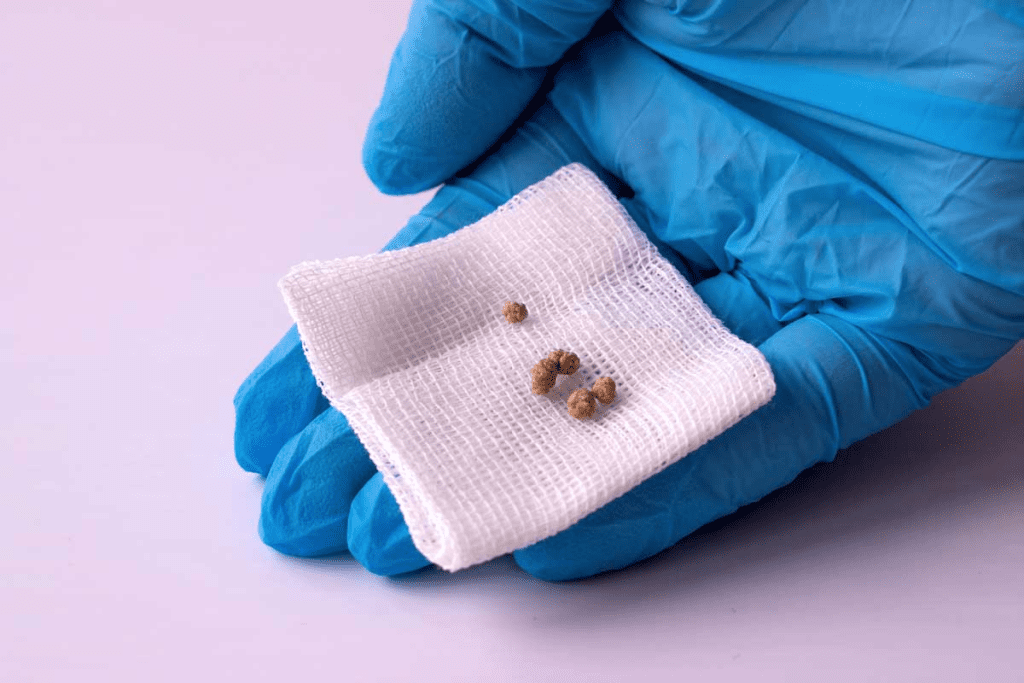
image is to be corrected’
Definition and Types of Lithotripsy Procedures
Lithotripsy, or shock wave lithotripsy (SWL), uses ultrasonic energy to target kidney stones. There are several types, with extracorporeal shock wave lithotripsy (ESWL) being the most common. ESWL uses a machine outside the body to send shock waves to the stone.
Other methods include laser lithotripsy and ultrasonic lithotripsy. Each has its own benefits and uses.
The Mechanism Behind Breaking Kidney Stones
The process of lithotripsy involves shock waves focused on the stone. These waves cause the stone to break into smaller pieces. The shock waves are controlled to avoid harm to nearby tissues.
The success of lithotripsy depends on the stone’s size, location, and type. It also depends on the patient’s health. Advances in technology have made lithotripsy safer and more effective for many patients.
Typical Candidates for Lithotripsy Treatment
Lithotripsy is best for patients with small to medium-sized stones. It’s most effective for stones under 2 cm in diameter. The stone should be in the kidney or upper ureter.
Some patients may not be good candidates for lithotripsy. A doctor will evaluate each patient to see if lithotripsy is right for them.
Absolute Contraindications for Lithotripsy
Lithotripsy is a common way to treat kidney stones. But there are times when it’s not safe. Some health issues or situations make it risky for patients.
Pregnancy and Reproductive Concerns
Pregnancy is a big no for lithotripsy. The shock waves could harm the unborn baby. Also, there are worries about how it might affect fertility.
Bleeding Disorders and Anticoagulation Therapy
People with bleeding problems or on blood thinners face more risks. Bleeding is a big concern. So, they might need a different treatment for their kidney stones.
Active Urinary Tract Infections
UTIs that are not treated can cause serious problems. Lithotripsy could lead to sepsis. It’s important to treat the UTI first.
In short, pregnancy, bleeding issues, and UTIs make lithotripsy not a good choice. It’s key to talk to your doctor about your health. They can find the best treatment for your kidney stones.
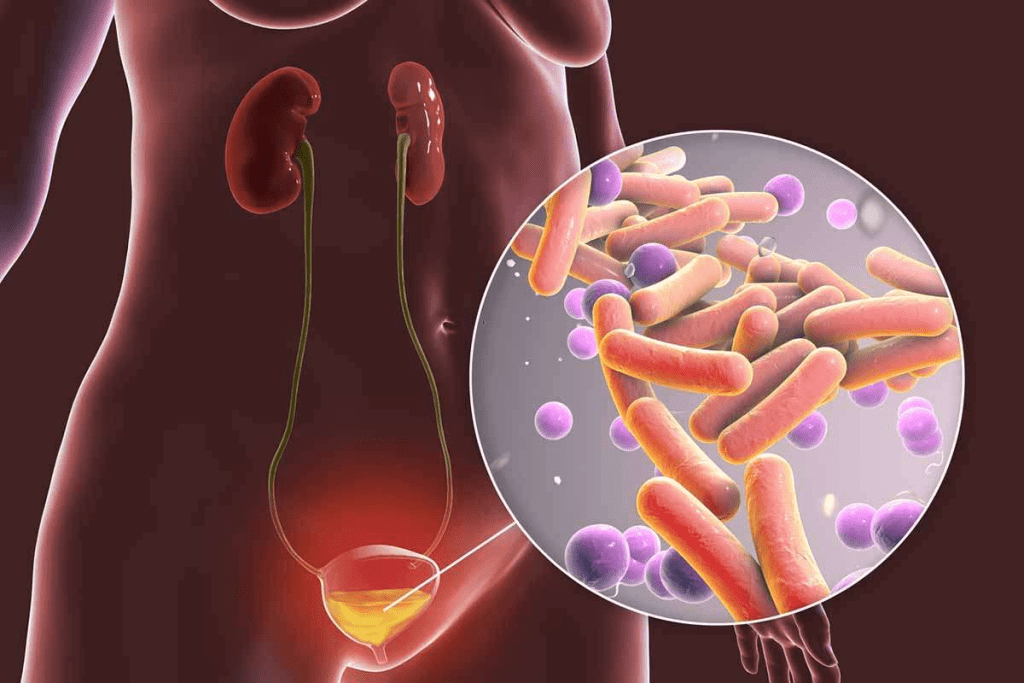
image is to be corrected’
Cardiovascular Conditions That Prohibit Lithotripsy
When thinking about lithotripsy, checking the patient’s heart health is key. Lithotripsy uses shock waves to break up kidney stones without surgery. But it’s not safe for everyone, mainly those with heart problems.
We’ll look at how issues like high blood pressure, hardened arteries, and irregular heartbeats can make lithotripsy risky.
Uncontrolled Hypertension Risks
High blood pressure is a big worry for lithotripsy patients. It can lead to bleeding or heart problems during the treatment. “High blood pressure is a major risk that must be controlled before any surgery, including lithotripsy,” says experts.
People with high blood pressure should work closely with their doctors to control it before lithotripsy.
image is to be corrected’
Arterially Calcified Aneurysms in the Shock Wave Path
Arterially calcified aneurysms in the shock wave path are another reason to avoid lithotripsy. The shock waves could burst the aneurysm, causing serious issues. We need to check for these aneurysms with imaging before lithotripsy.
Cardiac Arrhythmias and Monitoring Requirements
Heart rhythm problems can also be a concern for lithotripsy. The treatment might need careful watching to handle any heart rhythm issues that come up. “Patients with heart rhythm problems should be closely watched during lithotripsy,” experts say.
We suggest keeping a close eye on the heart during the procedure for those with known rhythm problems.
In short, heart conditions are very important when deciding if lithotripsy is right for someone with kidney stones. By knowing these risks and taking the right steps, we can make sure kidney stone treatment is safe and works well.
Anatomical Factors That Make Lithotripsy Challenging
The success of shock wave lithotripsy (SWL) depends on several factors. These include the patient’s anatomy, which can sometimes pose challenges. When considering lithotripsy’s meaning and its application, it’s important to understand how anatomy can impact the procedure’s effectiveness.
Body Habitus Limitations
One significant anatomical factor is the patient’s body habitus. People with a larger body mass index (BMI) may face challenges with lithotripsy. This is because the distance between the skin and the kidney stone increases, reducing the shock waves’ effectiveness.
A study published on NCBI shows that patient body size can significantly affect SWL outcomes.
Also, the positioning of the patient during the procedure can be complicated by body habitus. This might require adjustments to the lithotripsy technique or even alternative treatments.
Skeletal and Spinal Abnormalities
Skeletal and spinal abnormalities can complicate lithotripsy. Conditions like scoliosis or significant spinal deformities can alter the patient’s positioning. This makes it challenging to target the kidney stone effectively.
These abnormalities may also affect the shock wave path. This can lead to inadequate stone fragmentation. In such cases, alternative treatments like ureteroscopy or percutaneous nephrolithotomy might be more suitable.
Distal Urinary Tract Obstruction
Distal urinary tract obstruction is a critical anatomical factor. If there is a blockage in the urinary tract downstream from the stone, it can prevent the fragments from passing out of the body after lithotripsy. This can lead to complications.
In conclusion, anatomical factors such as body habitus, skeletal and spinal abnormalities, and distal urinary tract obstruction play a significant role in determining the suitability and success of shockwave lithotripsy or ESWL. Understanding these factors is key for healthcare providers to make informed decisions about the most appropriate treatment options for patients with kidney stones.
When Stone Characteristics Make Lithotripsy Ineffective
When thinking about lithotripsy, knowing the stone’s size, type, and where it is is key. These details greatly affect how well the treatment works and the patient’s results.
Size Limitations for Effective Treatment
The size of the kidney stone is very important for lithotripsy success. Stones that are too big might not work well with lithotripsy alone. We usually think stones over 2 cm are not good for lithotripsy.
Big stones might need more treatments or other methods, like PCNL, to get rid of them. But, smaller stones have a better chance of being treated with lithotripsy.
Stone Composition and Density Considerations
The stone’s makeup and how dense it is also matter a lot. Hard or dense stones, like cystine or calcium oxalate monohydrate, can be tough to break up with shock waves.
We use CT scans to check the stone’s density before lithotripsy. This helps us guess how well the treatment will work and plan better.
Stone Location and Accessibility Issues
The stone’s spot in the urinary tract is also very important. Stones in hard-to-reach places, like the lower pole of the kidney, or blocking the ureter, can be harder to treat with lithotripsy.
We look at where the stone is and the patient’s body to figure out the best treatment. Sometimes, we need other treatments or extra steps to get the best results.
Special Patient Populations Requiring Alternative Treatments
The ESWL procedure isn’t right for everyone, mainly those with certain health issues. Some patients need different treatments because of their special needs or situations.
Pediatric Patients and Developmental Concerns
Kidney stone treatment in kids is tricky. Their bodies are growing, and they’re smaller, making it hard to aim the treatment right. Shock waves could harm growing tissues. So, doctors often choose other treatments like laser lithotripsy for kids.
Elderly Patients with Multiple Comorbidities
Older patients with many health problems might not be good candidates for lithotripsy. Issues like high blood pressure, heart problems, or bleeding disorders raise the risks. We have to look at their health carefully and pick safer, more effective treatments for them.
Patients with Implanted Medical Devices
People with pacemakers or artificial joints need special care when treating kidney stones. The shock waves from lithotripsy could harm these devices. We check the device type, its location, and the patient’s health to find the best treatment. Often, treatments like medicine or surgery are better.
In summary, while lithotripsy works for many, some patients need different treatments. By understanding each patient’s unique situation, we can offer the best care for their condition.
Alternative Treatments When Lithotripsy is Contraindicated
For those who can’t have lithotripsy, there are other ways to treat kidney stones. These options help when lithotripsy isn’t right.
Ureteroscopy with Laser Lithotripsy
Ureteroscopy with laser lithotripsy is a small procedure. It uses a tiny scope to see the stone in the ureter. Then, a laser breaks the stone into smaller pieces.
This method works well for stones in the ureter. It’s also good for those who can’t have shock wave lithotripsy (SWL). The benefits include:
- High success rate for removing stones
- Minimally invasive with less recovery time
- Ability to treat stones in various locations within the ureter
Percutaneous Nephrolithotomy (PCNL)
PCNL is used for bigger stones or complex ones in the kidney. It involves a small incision in the back to reach the kidney.
PCNL is best for patients with:
- Large stones that are not suitable for SWL
- Complex stone configurations
- Stones causing obstruction or infection
Medical Expulsive Therapy and Watchful Waiting
For small stones or when immediate action isn’t needed, MET and watchful waiting are options. MET uses medicine to help the stone pass.
Watchful waiting means watching the stone with regular checks. It’s good for:
- Small stones
- Patients with minimal symptoms
- Cases where the risks of intervention outweigh the benefits
Every patient is different. The right treatment depends on the stone’s size, location, and the patient’s health.
Pre-Procedure Evaluation: Identifying Lithotripsy Risks
To make sure lithotripsy is safe and works well, we do a detailed check before starting. This check is key to see if lithotripsy is right for patients with kidney stones.
Required Diagnostic Imaging
Diagnostic imaging is very important before lithotripsy. We usually use non-contrast CT scans to look at the size, location, and density of the stones. This helps us choose the best treatment and spot any possible problems.
At times, we might also use ultrasound or X-ray to look at the urinary tract and find any unusual shapes or sizes.
- Non-contrast CT scans give us detailed info on the stones.
- Ultrasound helps us see if there’s a blockage in the urinary tract.
- X-ray is good for finding stones that show up well on X-rays.
Laboratory Testing Before Lithotripsy
We do lab tests to check the patient’s health and find any risks for lithotripsy. We usually do:
- Blood tests to see how the kidneys are working and if there are any bleeding problems.
- Urine tests to check for infections and the pH level of the urine.
- Coagulation studies to see how likely the patient is to bleed.
These tests help us make the treatment plan better and lower the chance of problems.
Comprehensive Medical History Review
Looking at the patient’s medical history is very important. We check:
- Any health problems, like heart disease or diabetes.
- Any past surgeries or treatments for the urinary tract.
- The medicines the patient is taking, like blood thinners or other important drugs.
By knowing the patient’s medical history, we can make the treatment plan fit their needs better and avoid complications.
By using the results from imaging, lab tests, and medical history, we can fully check if lithotripsy is right for the patient. Then, we can make a good treatment plan.
Conclusion: Making Informed Decisions About Kidney Stone Treatment
It’s important to know when lithotripsy isn’t the best choice for treating kidney stones. We’ve looked at what makes ESWL suitable for some patients. This includes certain health conditions, body shape, and the type of stone.
Patients and doctors can make better choices together by understanding these factors. Options like ureteroscopy and PCNL are good alternatives when ESWL isn’t right. A detailed check before treatment helps avoid risks and matches the treatment to the patient’s needs.
Choosing the right treatment for kidney stones means knowing all the options. It’s about looking at the patient’s health and the treatment’s risks and benefits. This way, patients can pick the best care for themselves, leading to better and safer results.
FAQ
What is lithotripsy, and how does it work?
Lithotripsy is a non-invasive procedure. It uses shock waves to break kidney stones into smaller pieces. These pieces can then pass through the urinary system.
What are the typical candidates for lithotripsy treatment?
People with small to medium-sized kidney stones are usually treated with lithotripsy. This is if the stones are causing symptoms.
Why is lithotripsy not recommended during pregnancy?
Lithotripsy is not safe during pregnancy. It could harm the fetus and the mother.
Can patients with bleeding disorders undergo lithotripsy?
No, people with bleeding disorders should not have lithotripsy. It increases the risk of bleeding.
How do cardiovascular conditions impact the safety of lithotripsy?
Certain heart conditions can make lithotripsy risky. These include uncontrolled high blood pressure and heart rhythm problems. They need careful evaluation and monitoring.
What anatomical factors can make lithotripsy challenging?
Lithotripsy can be hard for people with certain body types or skeletal issues. Also, urinary tract blockages can make it difficult.
How do stone characteristics affect the outcome of lithotripsy?
The size, type, and location of the stone matter a lot. They can affect how well lithotripsy works.
Are there alternative treatments for kidney stones when lithotripsy is not recommended?
Yes, there are other options. These include using a laser through a scope, PCNL, and medical therapy to help pass the stones.
What diagnostic tests are required before undergoing lithotripsy?
Before lithotripsy, you’ll need imaging and lab tests. A full medical history review is also required to see if you’re a good candidate.
Can pediatric patients undergo lithotripsy?
Kids might need different treatments because of their age and development. Lithotripsy might not be the best option for them.
What is the role of medical expulsive therapy in treating kidney stones?
Medical expulsive therapy helps stones pass through the urinary system. It’s a treatment approach.
How does ureteroscopy with laser lithotripsy work?
This procedure uses a laser to break up stones. It’s done through a scope. This allows for the stones to be removed or pass on their own.
References
- Srisubat, A., Potisat, S., & Lojanapiwat, B. (2015). Extracorporeal shock wave lithotripsy: What is new? PMC. https://pmc.ncbi.nlm.nih.gov/articles/PMC4442960/