


Artifical Bladder Protects Social Life After Bladder Cancer
Artifical bladder reconstruction provides new hope for patients whose urinary bladder must be removed due to cancer. This advanced surgical method restores natural urination and eliminates the need for external urine bags. Most importantly, the Artifical bladder protects social life, helping patients return to their daily routines with comfort, confidence, and dignity. The innovation not only addresses physical needs but also supports emotional and social well-being, which is often overlooked in traditional treatments.
Understanding Bladder Cancer and Its Impact
Urinary bladder tumors and bladder cancer, which is the fourth most common cancer type among men, develop from the tissues of the bladder wall. Early symptoms can include frequent urination, burning sensations, blood in urine, incontinence, and sudden urges to urinate. When left untreated, these symptoms can worsen over time and negatively affect both physical health and emotional stability.
The social and psychological challenges associated with bladder cancer are substantial. Patients may avoid social interactions, work, or travel due to fear of leakage or embarrassment. This is why the introduction of the Artifical bladder has become such a transformative solution. By restoring normal urinary function, the Artifical bladder protects social life and helps patients regain independence.
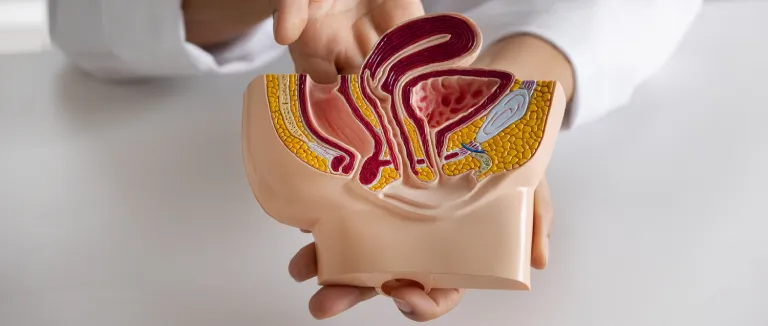
Why Early Diagnosis and Treatment Are Crucial
Many patients delay surgery even when doctors recommend bladder removal. One of the main reasons for this hesitation is the fear of living with a urinary bag after surgery. This concern can significantly affect emotional health, causing anxiety, stress, and social withdrawal. However, early intervention significantly improves recovery and survival rates.
The availability of the Artifical bladder encourages patients to proceed with necessary surgery without fear. Knowing that a new, functional bladder can replace the removed organ reduces hesitation and promotes timely treatment. This awareness not only saves lives but also prevents advanced complications and long-term social limitations. By choosing early treatment and Artificial Bladder reconstruction, patients can protect both their health and social life.
How the Artifical bladder Works
An Artifical bladder, also called a neobladder, is created by reshaping a section of the intestine into a new bladder. This new structure is connected to the urethra, allowing patients to urinate naturally. Unlike traditional methods that require external bags, the Artifical bladder restores voluntary control over urination, offering both medical and psychological benefits.
This surgical innovation represents a milestone in urological care. It maintains normal body function while preventing the social challenges associated with visible urinary devices. The Artifical bladder protects social life by allowing patients to continue their professional, personal, and recreational activities without embarrassment or restrictions. It truly restores a sense of normalcy after bladder removal.
Benefits of Artifical bladder Reconstruction
The advantages of the bladder extend far beyond restoring urination. Patients experience enhanced comfort, emotional stability, and overall quality of life. Key benefits include:
Natural urination without the need for external bags or tubes
A normal appearance that supports confidence in social interactions
Improved hygiene and reduced risk of infection
Better psychological well-being after cancer treatment
Quick adaptation to daily routines and professional responsibilities
By providing a socially acceptable and medically effective alternative, the Artifical bladder allows patients to regain independence and dignity. It transforms the post-surgical experience, making life after bladder removal manageable, comfortable, and socially fulfilling.
The Surgical Process of Creating an Artifical bladder
The procedure begins with the surgeon taking a small portion of the intestine and reshaping it into a reservoir that functions like a natural bladder. This newly formed bladder is then connected to the urinary tract. Once healed, patients gain control over urination in a manner similar to pre-surgery function.
The operation is performed under general anesthesia and requires specialized surgical expertise. Following surgery, patients are educated on fluid intake, bladder training, and hygiene. Within a few weeks, most patients can resume normal activities, enjoying the freedom and social confidence that the Artifical bladderprovides.
Emotional and Social Advantages of the Artifical bladder
One of the most significant aspects of the bladder is its impact on social life. Patients no longer need to feel self-conscious about external urine bags, which can be a source of stigma and emotional distress. With an Artifical bladder, individuals can travel, work, and engage in social activities without fear or limitation.
Experts emphasize that this modern surgical solution is not only medically effective but also emotionally transformative. The Artifical bladder supports patients in regaining self-esteem, optimism, and confidence after bladder cancer. It allows them to reconnect with their social environment and maintain relationships, which are essential for mental health and overall recovery.
Long-Term Outcomes with an Artifical bladder
Studies indicate that when bladder cancer is detected early and treated with modern surgical techniques, long-term outcomes are significantly improved. The Artifical bladder contributes to these positive results by offering functional independence and psychological comfort. Patients can expect a return to daily routines, work responsibilities, and social engagement with minimal disruption.
Over time, theArtifical bladder becomes an integral part of the patient’s lifestyle. With proper training and follow-up care, most individuals adjust quickly and regain normal urinary function. This reinforces the importance of early surgical intervention and highlights how the Artifical bladder protects social life, a factor often underestimated in cancer care.
A Life-Changing Solution
For patients facing bladder removal, the Artifical bladder provides a socially acceptable and life-changing solution. It eliminates the dependence on external devices, reduces social stigma, and allows individuals to live comfortably in both professional and personal settings.
Prof. Dr. Tahir Karadeniz notes that the Artifical bladder not only restores physical function but also offers emotional relief. It enables patients to regain confidence, independence, and a sense of normalcy, which are critical for social reintegration and overall well-being.
The Role of Medical Technology and Expert Care
The success of the Artificial Bladder is supported by advances in medical technology and expert surgical care. Precision techniques, proper patient education, and post-operative follow-up ensure that patients achieve the best possible outcomes. The collaboration between patients and healthcare professionals maximizes the benefits of the Artifical bladder and protects social life in a meaningful way.
Patients are guided through every stage of recovery, including fluid management, bladder training exercises, and strategies for maintaining hygiene and comfort. These measures ensure that the Artifical bladder functions optimally and supports a return to active social participation.
Conclusion
The Artifical bladder offers a revolutionary approach to bladder cancer treatment, combining medical success with an improved quality of life. It removes the fear of dependence and social isolation after bladder removal. By restoring normal urination and independence, the Artificial Bladder allows patients to live freely, comfortably, and confidently.
In essence, the Artifical bladder protects social life, restores normal urinary function, and provides a path to physical recovery and emotional balance. Patients can regain control over their lives and maintain dignity, proving that life after bladder cancer can be active, fulfilling, and socially engaged.
The Artifical bladder represents a significant advancement in urological surgery. It emphasizes that recovery from cancer involves not just physical healing but also emotional and social restoration. Through this innovation, patients regain their independence, confidence, and social presence.
Simply put, the Artifical bladder protects social life and demonstrates that even after a serious illness, patients can live with comfort, dignity, and renewed optimism.stores normal urination, and allows patients to live freely—proving that even after cancer, comfort and dignity are possible.
* Liv Hospital Editorial Board has contributed to the publication of this content .
* The information on this page is for informational purposes only. Please consult your doctor for diagnosis and treatment. This page does not contain information on medicinal healthcare services provided by Liv Hospital.
For more information about our academic and training initiatives, visit Liv Hospital Academy
Frequently Asked Questions
What is an Artifical Bladder?
It is a surgically created bladder, made from a section of the intestine, that restores natural urination after bladder removal due to cancer.
How does an Artifical Bladder protect social life?
By eliminating the need for external urine bags, it helps patients regain comfort, confidence, and independence in social and daily life.
Who can benefit from an Artifical Bladder?
Patients who undergo bladder removal for cancer and are suitable for reconstructive surgery are ideal candidates for this procedure.
How is the Artifical Bladder created?
Surgeons reshape a portion of the intestine into a new bladder and connect it to the urethra, allowing normal urinary control.
What are the main benefits of an Artifical Bladder?
It enables natural urination, reduces infection risk, supports hygiene, boosts self-esteem, and enhances overall quality of life.
How long does recovery take after Artifical Bladder surgery?
Most patients return to normal activities within a few weeks, following bladder training and medical guidance.
Why is expert surgical care important for Artifical Bladder success?
Experienced surgeons and proper follow-up ensure the new bladder functions well, helping patients adapt smoothly and live comfortably.
