Last Updated on December 1, 2025 by Bilal Hasdemir

Liver disease is a big problem worldwide, and getting the right diagnosis is key. Checking for liver scarring, or fibrosis, is a big part of diagnosing liver disease. We’ll look at the different ways to test for fibrosis and why they’re important for liver health checks.
Did you know liver disease is a top cause of death globally? Fibrosis testing is essential for catching liver damage early. We’ll show you the different liver scarring tests and why they’re important for keeping your liver healthy.
Key Takeaways
- Understanding the importance of accurate diagnosis in liver disease management.
- Exploring various methods used for fibrosis testing.
- The significance of liver scarring tests in assessing liver health.
- How early detection can improve liver disease outcomes.
- The role of liver health assessment in managing liver disease.
Understanding Liver Scarring and Its Progression

It’s key to understand liver scarring to treat liver diseases well. Liver scarring, linked to fibrosis and cirrhosis, is a complex issue. It can cause serious health problems if not managed right.
What is Liver Fibrosis and Cirrhosis?
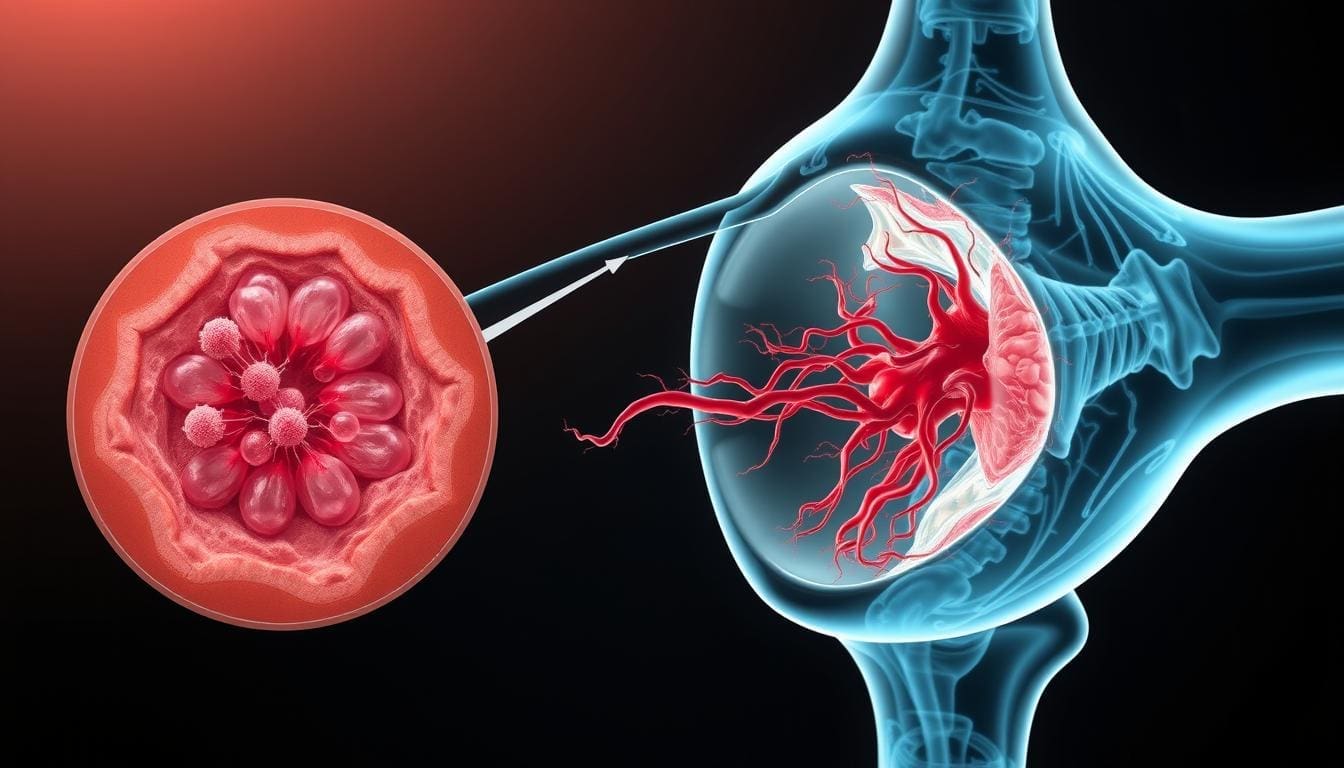
Liver fibrosis is when scar tissue builds up in the liver due to long-term damage. It’s important to catch it early because it can be reversed. Cirrhosis is a more serious stage with a lot of scarring. It can lead to liver failure.
“Cirrhosis is the end-stage of chronic liver disease, where the liver’s architecture is destroyed, leading to significant morbidity and mortality.”
Common Causes of Liver Scarring
Many things can cause liver scarring. These include chronic viral hepatitis, alcoholic liver disease, non-alcoholic fatty liver disease (NAFLD), and autoimmune liver diseases. These conditions damage the liver, causing scar tissue to build up over time.
Chronic viral hepatitis is a big reason for liver fibrosis worldwide. It shows why managing viral hepatitis is so important to stop liver scarring.
The Progression from Fibrosis to Cirrhosis
Fibrosis turns into cirrhosis when scar tissue keeps building up. This changes the liver’s structure. If not stopped, it can lead to cirrhosis. Cirrhosis has regenerative nodules that can hurt liver function even more.
Spotting fibrosis early and treating it can stop cirrhosis. This shows why acting fast is so important.
Why Testing for Liver Scarring Matters
Testing for liver scarring early is key to managing diseases well and improving health outcomes. Liver scarring, or fibrosis, can turn into cirrhosis if not treated. This can lead to serious health issues. Testing shows how much scarring there is, helping doctors create the right treatment plans.
Early Detection and Disease Management
Finding liver scarring early means doctors can act fast. This can change how the disease grows. Early detection lets doctors start treatments that can slow or stop the disease. This can make patients’ lives better and longer.
Benefits of Early Detection:
- Timely intervention to slow disease progression
- Personalized treatment plans based on the extent of scarring
- Improved patient outcomes and quality of life
Preventing Advanced Liver Disease
Stopping liver disease from getting worse is a main goal of scarring tests. Finding fibrosis early lets doctors prevent cirrhosis and its problems. They might suggest lifestyle changes, medicines, or other treatments to reduce inflammation and scarring.
Monitoring Treatment Effectiveness
Testing for liver scarring is also key for checking if treatments work. By checking fibrosis regularly, doctors can change treatment plans if needed. This keeps patients getting the best care for their condition.
| Test Type | Purpose | Benefits |
| Liver Biopsy | Directly assesses liver tissue for scarring | Provides detailed information on fibrosis stage |
| Blood-Based Tests | Measures biomarkers indicative of liver damage | Non-invasive, can be repeated for monitoring |
| Imaging Tests (e.g., Ultrasound, MRI) | Visualizes liver structure and detects scarring | Non-invasive, provides additional information on liver health |
Liver Scarring Tests: An Overview of Available Methods

Healthcare providers use many tests to check for liver scarring. These tests range from biopsies to advanced imaging. They help figure out how much scarring there is and guide treatment.
Invasive vs. Non-invasive Testing Approaches
Liver scarring tests fall into two main categories: invasive and non-invasive. Invasive tests like liver biopsies take a piece of liver tissue for study. They’re very accurate but risky, used mainly when diagnosis is unsure or scarring needs to be closely checked.
Non-invasive tests include imaging like ultrasound and CT scans, and blood tests that check liver health. These are safer and can be done often to track disease changes or treatment success.
Staging Systems for Liver Fibrosis
Liver fibrosis is graded using systems like the METAVIR score. It ranges from F0 (no scarring) to F4 (cirrhosis). Accurate grading helps doctors understand the disease’s severity and plan treatment.
Test Selection Considerations
Choosing a liver scarring test depends on several things. These include the patient’s health history, the suspected cause of liver disease, and any other health issues. Healthcare providers must think about each test’s accuracy, risks, cost, and how the patient feels about it.
When picking a test, we also think about if it’s needed again in the future. Non-invasive tests are often better for ongoing monitoring because they’re safer.
Liver Biopsy: The Traditional Gold Standard
Liver biopsy is the top choice for finding liver scarring, even with new tests. It takes a small piece of liver tissue. Then, a microscope checks the damage.
Procedure and Preparation
A liver biopsy uses local anesthesia. The patient lies on their back with their right arm up. The skin is cleaned and numbed, and a small cut is made to get a tissue sample.
Before the biopsy, patients are told to:
- Stop blood-thinning meds for a few days
- Fast before the procedure
- Have someone drive them home
Advantages and Limitations
Liver biopsy directly checks liver tissue. It’s great for seeing how much damage there is. But, it’s a risky procedure.
Some downsides are:
- It’s invasive, which can lead to bleeding and other issues
- There’s a chance the sample won’t show the whole liver’s condition
- Doctors might disagree on what the biopsy means
Recovery and Possible Complications
After the biopsy, patients are watched for a few hours. Most can go home the same day. But, they should rest for a few days.
Though rare, complications can include:
- Bleeding at the biopsy site
- Infection
- Pain or discomfort at the site
Even though liver biopsy is the top choice, its risks have led to new, non-invasive tests. These newer tests are used more often for checking liver health, like for first checks or regular follow-ups.
Blood-Based Liver Scarring Tests
Blood tests are key in checking liver health and finding scarring. They give important info on liver function and damage. This helps doctors diagnose and treat liver disease well.
Standard Liver Function Tests (LFTs)
Standard Liver Function Tests (LFTs) are blood tests that check liver damage and function. They look at different enzymes and proteins in the blood, like:
- Alanine transaminase (ALT)
- Aspartate transaminase (AST)
- Alkaline phosphatase (ALP)
- Bilirubin
- Albumin
LFTs show if the liver is damaged or diseased. But they don’t pinpoint liver scarring. If the results are off, doctors might do more tests.
Specialized Serum Biomarker Panels
Specialized serum biomarker panels are advanced blood tests. They help check liver fibrosis and cirrhosis better. These panels include:
- FibroTest (also known as FibroSure)
- Enhanced Liver Fibrosis (ELF) test
- AST-to-Platelet Ratio Index (APRI)
These tests give a detailed look at liver scarring. They help figure out the fibrosis stage. They’re great for tracking disease progress and treatment effects.
Using LFTs and biomarker panels together helps doctors understand liver health better. This leads to better care decisions for patients.
Conventional Imaging for Liver Assessment
Diagnosing liver scarring often uses conventional imaging. These methods are non-invasive and help check liver health. They are key for seeing how much damage there is and for planning treatment.
Ultrasound Examination
Ultrasound is a common choice for checking the liver. It’s non-invasive and not very expensive. It uses sound waves to make images of the liver, showing its texture and any problems.
Benefits of Ultrasound: Non-invasive, relatively low cost, and widely available.
Limitations: It depends on the skill of the person doing it, and it might not work well for very obese patients.
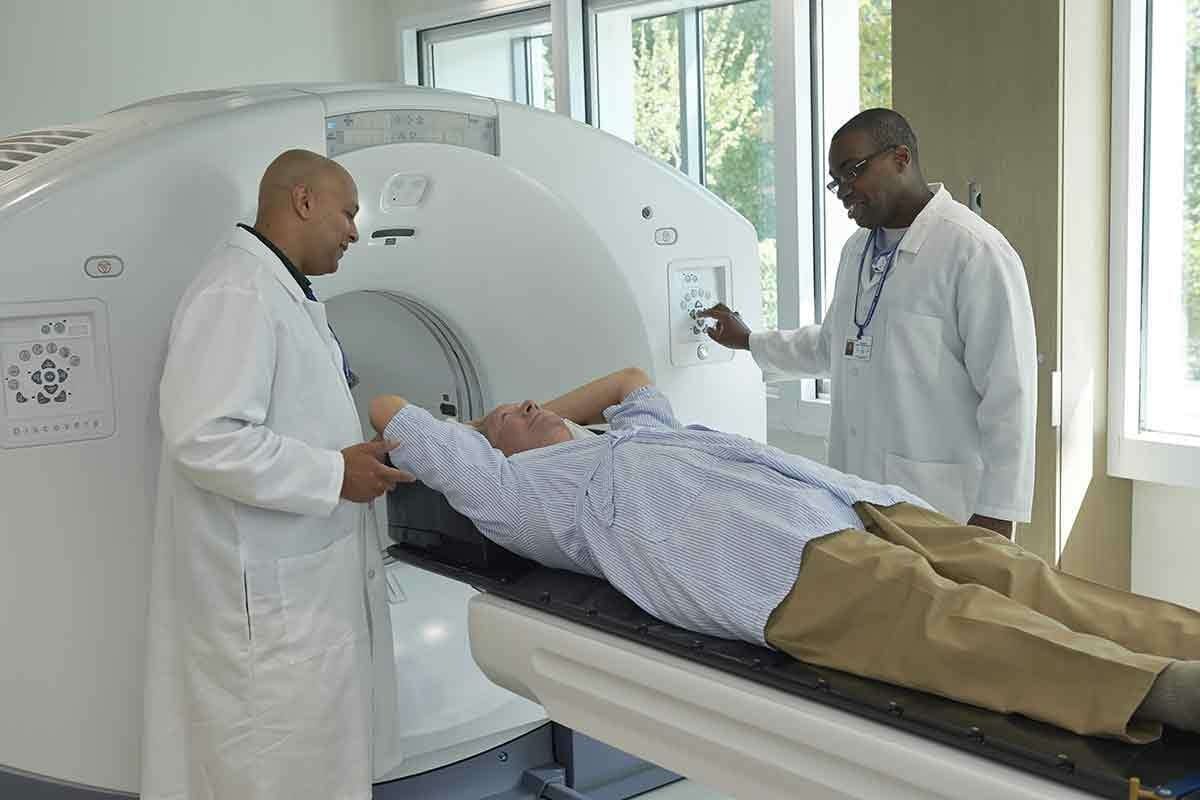
CT Scans for Liver Evaluation
CT scans give detailed images of the liver. They are better than ultrasound for seeing liver lesions and damage. But, CT scans use radiation and might need contrast agents, which can be risky for some.
Benefits of CT Scans: Detailed imaging, useful for detecting lesions and assessing liver damage.
Limitations: Involves radiation exposure, and there are risks with contrast agents.
MRI in Liver Disease Detection
MRI is very good at finding liver diseases. It shows the liver’s structure well and can spot fibrosis and cirrhosis. MRI is great for looking at liver lesions and how well the liver is working. It doesn’t use radiation but can be more expensive.
Benefits of MRI: Highly sensitive, detailed imaging, no radiation exposure.
Limitations: More expensive, and it might not be good for people with metal implants or claustrophobia.
Knowing the good and bad of these imaging methods helps doctors choose the best way to diagnose liver disease. This improves how liver disease is managed.
Elastography: Measuring Liver Stiffness
Liver stiffness measurement through elastography is changing how we diagnose and monitor liver fibrosis. Elastography is a non-invasive imaging method that checks liver tissue stiffness. This method is accurate and easy for patients.
Transient Elastography (FibroScan)
Transient Elastography, known as FibroScan, is widely used. It uses vibrations to create waves in the liver. The speed of these waves shows liver stiffness. The stiffer the liver, the faster the waves.
FibroScan’s benefits include:
- Non-invasive and painless
- Quick results, available right away
- Accurate in detecting fibrosis and cirrhosis
Acoustic Radiation Force Impulse (ARFI)
ARFI uses sound waves to create waves in the liver. It’s part of ultrasound systems, allowing precise targeting. ARFI measures liver stiffness, helping assess fibrosis.
Magnetic Resonance Elastography (MRE)
MRE combines MRI with elastography. It uses sound waves and MRI to see wave propagation. MRE checks liver stiffness over a large area, useful for fibrosis detection.
MRE is great for:
- Patients with obesity or ascites
- Assessing fibrosis with other liver conditions
- Showing detailed liver stiffness maps
Shear Wave Elastography (SWE)
SWE uses ultrasound to create and measure waves in the liver. It shows liver stiffness with color, allowing detailed fibrosis assessment. SWE is versatile for various clinical uses.
These elastography methods help healthcare providers accurately check liver stiffness. They can monitor disease and make better patient care decisions. Elastography’s role in managing liver diseases will grow as it evolves.
Accuracy and Reliability of Different Liver Scarring Tests
It’s important to know how well liver scarring tests work. Liver scarring can turn into cirrhosis if not treated right. So, getting a correct diagnosis and keeping an eye on it is key.
Sensitivity and Specificity Considerations
Sensitivity means a test can spot the disease correctly. Specificity means it can also spot when there’s no disease. A test that does both well is more trustworthy.
Liver biopsy is top-notch but it’s invasive and risky. On the other hand, non-invasive tests like FibroScan are good for spotting advanced scarring but not as good for early stages.
Factors Affecting Test Results
Many things can change how accurate liver scarring tests are. These include the patient’s health, who does the test, and the technology used. For example, inflammation or fat in the liver can mess with FibroScan results.
- Patient factors: obesity, inflammation, and other conditions can impact test accuracy.
- Operator skill: the expertise of the person performing the test can significantly affect results.
- Technology used: different devices and techniques have varying levels of accuracy.
Limitations and Potential False Results
No liver scarring test is perfect. Knowing what each test can and can’t do is key to understanding results.
| Test | Sensitivity | Specificity | Limitations |
| Liver Biopsy | High | High | Invasive, sampling error, inter-observer variability |
| Transient Elastography (FibroScan) | Good for advanced fibrosis | Good | Affected by inflammation, steatosis, and obesity |
| Blood-based tests | Varies | Varies | May not accurately stage fibrosis, influenced by other conditions |
Knowing what each test can and can’t do helps doctors make better choices. It also helps patients understand their health better and what steps to take next.
Testing Approaches for Specific Liver Conditions
Diagnosing liver diseases requires different tests for each condition. This includes alcoholic liver disease, NAFLD, viral hepatitis, and autoimmune liver disease. Let’s dive into these methods to see how they help diagnose and manage liver health.
Tests for Alcoholic Liver Disease
Diagnosing alcoholic liver disease needs both doctor’s checks and lab tests. Liver function tests (LFTs) help measure liver damage. We also check gamma-glutamyl transferase (GGT) levels, which are high in alcohol-related liver issues.
- Liver function tests (LFTs) to assess liver damage
- GGT levels to identify alcohol-related liver injury
- Imaging studies like ultrasound or CT scans to evaluate liver morphology
Evaluation of Non-alcoholic Fatty Liver Disease (NAFLD)
Diagnosing NAFLD means ruling out other liver diseases and checking liver fat. We use ultrasound and transient elastography (FibroScan) to see liver stiffness and fat.
- Ultrasound to detect fatty liver
- Transient elastography to assess liver stiffness
- Liver biopsy in selected cases to stage fibrosis
Testing in Viral Hepatitis Patients
Diagnosing viral hepatitis focuses on blood tests for viral markers. We use PCR (Polymerase Chain Reaction) to measure viral load and plan treatment.
- Serological tests to detect viral antigens and antibodies
- PCR to quantify viral load
- Liver function tests to monitor disease activity
Autoimmune Liver Disease Assessment
Diagnosing autoimmune liver disease combines clinical checks, lab tests, and sometimes liver biopsy. We look for autoantibodies and check liver inflammation.
- Autoantibody tests (e.g., ANA, SMA) to support the diagnosis
- Liver function tests to assess liver inflammation
- Liver biopsy to evaluate the extent of liver damage
Knowing the right tests for each liver condition helps us give accurate diagnoses and treatment plans. This improves patient care and outcomes.
Preparing for Your Liver Scarring Tests
To get the most out of your liver scarring tests, understanding how to prepare is key. Proper preparation is vital for accurate test results. These results help in managing your disease effectively.
General Preparation Guidelines
Before your liver scarring tests, follow some general guidelines. These include:
- Tell your healthcare provider about any medications you’re taking. Some might need to be paused before the test.
- Follow any dietary restrictions advised by your healthcare provider. This might include fasting before certain tests.
- Avoid alcohol and certain foods that could affect liver function or test results.
It’s vital to follow your healthcare provider’s specific instructions. They may have extra requirements based on your health and the test type.
Test-Specific Requirements
Different liver scarring tests have unique preparation needs. For example:
- Transient Elastography (FibroScan): You might need to fast before the test.
- Blood Tests: Avoid eating or drinking anything except water for a few hours before.
- Imaging Tests (e.g., MRI, CT scans): Remove any metal objects. You might get a contrast agent to enhance images.
Your healthcare provider will give you detailed instructions for your specific test.
Questions to Ask Your Healthcare Provider
Ask your healthcare provider the right questions to be fully prepared. Consider asking:
- What are the specific preparation requirements for my test?
- Are there any medications or foods I should avoid before the test?
- How long will the test take, and what should I expect during the procedure?
- When can I expect to receive my test results, and how will they be communicated to me?
Being well-prepared not only helps in getting accurate test results but also reduces anxiety and makes the process smoother.
Interpreting Liver Scarring Test Results
Understanding your liver scarring test results is key to managing your liver health. When you get your test results, they might seem complex. But, they give important info about liver scarring, helping decide the best treatment.
Understanding Fibrosis Scores and Staging
Liver scarring test results show a fibrosis score or stage. This score tells you how much scarring is in your liver. The METAVIR scoring system is common, ranging from F0 (no fibrosis) to F4 (cirrhosis).
A score of F0 or F1 means little to no scarring, showing a healthy liver. But, a score of F4 means cirrhosis, where the liver is heavily scarred. Scores from F2 to F3 show different levels of fibrosis. Your doctor will explain what your score means.
What Different Results Mean
Your liver scarring test results mean different things based on the test and your health. Results fall into three main groups:
- Mild or No Fibrosis: Little to no scarring means your liver is likely healthy. Your doctor might suggest regular check-ups to catch any changes early.
- Moderate Fibrosis: Moderate scarring means your liver is damaged. Your doctor might suggest lifestyle changes and treatment to slow the disease.
- Advanced Fibrosis or Cirrhosis: Significant scarring or cirrhosis means you need to work closely with your doctor. This is to manage your condition and prevent more damage.
A leading hepatologist says, “Early detection and intervention are key to managing liver disease. Understanding your test results is the first step to taking control of your liver health.”
When Additional Testing May Be Needed
At times, your doctor might suggest more tests based on your initial results. This could be for several reasons, like:
- Inconclusive or inconsistent results
- Need for further evaluation of liver damage
- Monitoring the effectiveness of ongoing treatment
These extra tests might include advanced imaging or specialized blood tests. Your doctor will explain why you need these tests and what they involve.
In conclusion, understanding your liver scarring test results is vital. By knowing what your results mean and working with your doctor, you can make informed decisions. This helps you take proactive steps to keep your liver healthy.
Follow-Up and Monitoring After Diagnosis
Managing liver disease well means regular check-ups after diagnosis. This care is key to track liver scarring, adjust treatments, and improve health outcomes.
Recommended Testing Frequency
The timing of follow-up tests varies based on liver disease stage and health. Early-stage fibrosis might need less monitoring, while advanced cirrhosis requires more frequent checks.
- Liver function tests (LFTs) every 6-12 months for early-stage fibrosis
- Imaging studies (e.g., ultrasound, MRI) every 1-2 years for those with significant fibrosis or cirrhosis
- More frequent monitoring for patients with signs of decompensation or rapid disease progression
Regular tests help spot complications early, leading to timely treatments.
Tracking Disease Progression
Monitoring liver scarring means checking fibrosis levels and cirrhosis signs. This is done through:
- Imaging techniques like elastography or MRI
- Blood tests, including biomarker panels
- Liver function tests to check liver health
Tracking disease helps doctors adjust treatments to slow liver scarring.
Evaluating Treatment Response
Follow-up care also checks how treatments are working. This includes:
- Regular liver function tests to monitor liver health
- Imaging studies to check liver changes
- Clinical assessments to track symptoms and quality of life
By monitoring treatment response, doctors can make better decisions about care plans.
Effective follow-up care is a cornerstone of managing liver disease. Regular testing, monitoring disease, and evaluating treatment response are key. This approach ensures the best care for patients with liver scarring.
“Regular follow-up is essential for managing liver disease effectively.” This statement highlights the importance of ongoing care in managing liver scarring. It shows the need for a detailed and proactive approach to patient care.
Insurance Coverage and Costs of Liver Testing
Finding out the cost of liver testing can be tough without help. The price for diagnosing and keeping an eye on liver scarring changes a lot. This depends on the tests used and the patient’s insurance.
Typical Costs of Different Testing Methods
Liver testing prices can go from a few hundred to several thousand dollars. For example, a liver biopsy, the top choice for finding liver scarring, can cost between $1,500 and $3,000. On the other hand, non-invasive tests like Transient Elastography (FibroScan) might cost between $200 and $500+ each time.
Blood tests, like liver function tests (LFTs) and special serum biomarker panels, also have different prices. LFTs are usually cheaper, costing between $50 and $200+. But, tests that check for specific biomarkers can cost more than $500 to $1,000+.
Insurance Considerations and Coverage
How much insurance covers for liver testing changes with the insurance company and policy. Most plans cover liver function tests and other non-invasive tests. But, more advanced or special tests might need pre-approval or have limits.
It’s key for patients to check their insurance to see what’s covered and what’s not. Talking about testing costs and insurance with healthcare providers can help avoid surprise bills.
Patient Assistance Programs
For those without good insurance or facing money troubles, patient assistance programs can help a lot. Many drug companies and non-profit groups offer help for liver disease tests and treatments.
Patients can look for these programs by asking their doctors or searching online for liver disease help.
Emerging Technologies in Liver Scarring Assessment
The field of liver disease diagnosis is about to see big changes. New technologies are coming that will make diagnosing liver scarring more accurate and easier to do. This will help doctors treat liver disease better.
New Biomarkers Under Investigation
Scientists are finding new ways to check for liver scarring. They’re looking at proteins, chemicals, and genes in the blood. These can be found without needing to take a biopsy.
Examples of new biomarkers:
- Collagen fragments
- Inflammatory cytokines
- MicroRNAs
Advanced Imaging Techniques
New imaging methods are key in checking liver scarring. They give doctors clear pictures of the liver. This helps them see how much scarring there is.
| Imaging Technique | Advantages | Limitations |
| Magnetic Resonance Elastography (MRE) | High accuracy in detecting liver fibrosis | High cost, limited availability |
| Transient Elastography (FibroScan) | Non-invasive, quick results | Operator-dependent, limited by patient factors |
| Shear Wave Elastography (SWE) | Real-time imaging, high accuracy | Dependent on operator skill |
Artificial Intelligence Applications
Artificial intelligence (AI) is being used more in liver disease diagnosis. AI can look at lots of data, like images and blood tests. It helps predict how bad liver scarring is.
Benefits of AI in liver scarring assessment:
- Improved diagnostic accuracy
- Enhanced patient stratification
- Personalized treatment planning
Point-of-Care Testing Developments
Point-of-care testing (POCT) is getting better. It lets doctors quickly check for liver scarring in clinics or at home. This means doctors can make decisions faster.
Advantages of POCT for liver scarring:
- Rapid results
- Increased accessibility
- Reduced need for specialized equipment
As these new technologies get better, diagnosing and treating liver disease will improve a lot. Doctors will be able to give more personalized care. This will lead to better health outcomes for patients.
Conclusion: Taking Control of Your Liver Health
Learning about liver scarring tests is key to managing your liver health. Knowing the different testing methods helps you take charge of your care. You can work closely with your healthcare provider to keep an eye on your condition.
Good liver health management means accurate diagnosis, right treatment, and regular checks. Thanks to tests like liver biopsies and advanced imaging, doctors can spot liver scarring well. They can then create a treatment plan just for you.
When patients know about their liver health, they can make better choices about their care. Being informed and involved helps you find the best treatment options. This way, you can keep your liver in the best shape possible.
FAQ
What is liver scarring, and how is it tested?
Liver scarring, or fibrosis, happens when too much scar tissue builds up in the liver. We use several methods to check for it. These include liver biopsy, blood tests, and imaging like ultrasound and MRI. We also use elastography to measure liver stiffness.
Why is testing for liver scarring important?
Testing for liver scarring is key for early detection and treatment. It helps prevent serious liver disease. It also lets us see if treatments are working.
What is the difference between invasive and non-invasive liver scarring tests?
Invasive tests, like liver biopsy, take a tissue sample. Non-invasive tests, like blood tests and imaging, don’t need a sample. We choose based on accuracy, safety, and comfort.
How do I prepare for liver scarring tests?
Preparing for tests varies. You might need to fast or avoid certain meds. Always talk to your doctor about what you need to do.
What do liver scarring test results mean?
Results show how much scarring is in your liver. Doctors use scores to classify it. They’ll explain what it means and what to do next.
How often should I undergo liver scarring tests?
Testing frequency depends on your condition and treatment. Regular checks are important for those with chronic liver diseases.
Are liver scarring tests covered by insurance?
Coverage varies by test, provider, and insurance. Check with your provider about costs. There might be financial help available.
What are the emerging technologies in liver scarring assessment?
New tech includes biomarkers, advanced imaging, and AI. These aim to make diagnosis and monitoring better and easier.
Can liver scarring be reversed?
Yes, in some cases, scarring can be reversed or slowed. We create personalized plans to help your liver health.
How can I take control of my liver health?
To manage your liver health, understand your condition and live healthily. Follow your treatment plan and see your doctor regularly. We’re here to support you.
References
- arrero, J. A., Kulik, L. M., Sirlin, C. B., Zhu, A. X., Finn, R. S., Abecassis, M. M., Roberts, L. R., & Heimbach, J. K. (2018). Diagnosis, staging, and management of hepatocellular carcinoma: 2018 practice guidance by the American Association for the Study of Liver Diseases. Hepatology, *68*(2), 723–750. https://www.ncbi.nlm.nih.gov/pmc/articles/PMC6702991/