Last Updated on November 14, 2025 by
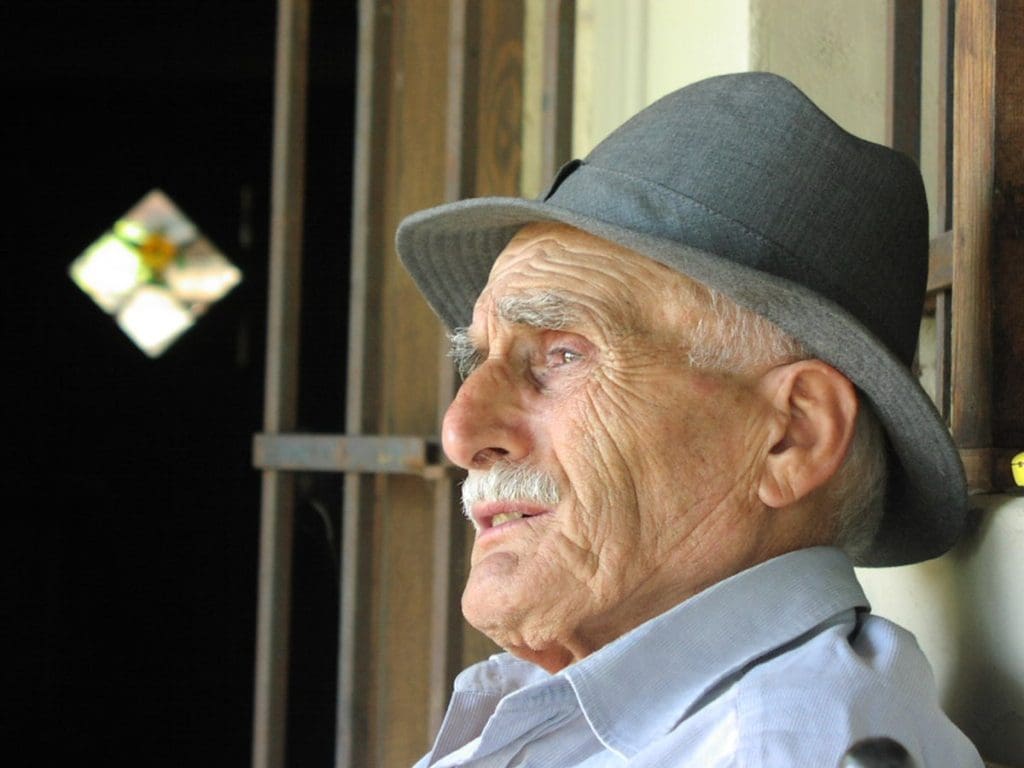
Imagine beating cancer not just once, but twice. And living to be 114 years old. Thelma Sutcliffe is a true marvel of strength and longevity. She is recognized as the longest cancer survivor, having overcome breast cancer twice and holding the record as the oldest living American.
Stories like Thelma’s inspire us at our healthcare institution. They show how far we’ve come in cancer treatment and care. We aim to provide top-notch healthcare and support for patients from around the world. We’re always looking to push the limits of medical care.
Key Takeaways
- Thelma Sutcliffe is recognized as the oldest living American at 114 years old.
- She has survived breast cancer twice, making her a notable example of cancer survivorship.
- Her story highlights the advancements in cancer treatment and care.
- We are committed to delivering world-class healthcare for international patients.
- Comprehensive support services are available for patients seeking advanced medical treatments.
The Remarkable Story of Thelma Sutcliffe: The World’s Oldest Cancer Survivor
Thelma Sutcliffe is a living legend, surviving breast cancer twice. Born in 1905, she shows us how to beat adversity. Her life proves early detection and good treatment are key in cancer care.

Surviving Breast Cancer Twice at an Advanced Age
Thelma Sutcliffe fought breast cancer twice, a feat at her age. Her story shows the power of advances in early detection and treatment. It proves you can live well after cancer with the right care.
Several factors helped her survive:
- Early detection through regular screenings
- Effective treatment plans tailored to her needs
- A strong support system providing emotional care
Life Beyond 100 with a Cancer History
Living over 100 with cancer is rare, but Thelma Sutcliffe did it. Her life is a beacon of hope for many. It highlights the need for ongoing research and better care for long-term survivors.
Thelma Sutcliffe’s journey teaches us about the importance of support for cancer survivors. This includes medical care, psychological support, and lifestyle advice to improve their lives.
Understanding Cancer Survival Milestones
Exploring cancer survival, we find key milestones in a survivor’s journey. Cancer survivorship covers the time from diagnosis to the rest of a person’s life. It includes different stages and challenges.
Defining Cancer Survivorship
Cancer survivorship is complex and starts at diagnosis. It’s not just about medical treatment but also about emotional, social, and psychological impacts. We see cancer survivorship as a journey from diagnosis, through treatment, and beyond. Survivors face ongoing challenges and need ongoing support.
The term “cancer survivor” applies to anyone diagnosed with cancer. It covers their life from diagnosis to the end. This shows how cancer deeply affects a person’s life, no matter the treatment outcome.
Factors Affecting Long-Term Survival
Many factors influence long-term survival in cancer patients. These include the cancer type and stage at diagnosis, treatment effectiveness, and the patient’s health and resilience. Understanding these factors is key for healthcare providers to offer the right care and support.
- The type and stage of cancer at diagnosis are critical for long-term survival.
- The success of the treatment plan and the patient’s response are also important.
- Individual health factors, like age, other health conditions, and lifestyle, greatly affect survival.

By grasping these elements, we can better support cancer survivors. This improves their quality of life and outcomes. The longest living lymphoma survivor’s story shows the need for ongoing cancer care advancements. It also highlights the complex factors that influence long-term survival.
Record-Breaking Cancer Survivors Throughout History
The stories of cancer survivors who lived long lives are truly inspiring. They show how far medical care has come. They also highlight the need for a team effort in treating cancer. At our institution, we focus on giving each patient the care they need.
Notable Breast Cancer Survivors
Breast cancer survivors are well-known for their long lives. Thelma Sutcliffe is one of the oldest living survivors. Her story and others show how important early detection and good treatment are.
We’ve seen many patients survive and even thrive after the right care.
Lymphoma Survivors Breaking Longevity Records
Lymphoma survivors, like Nathan Herber, show that even tough cancers can be beaten. New treatments have greatly improved lymphoma outcomes. Our team works hard to keep up with these advances for the best care.
Remarkable Survivors of Other Cancer Types
Victor Marston, cured of a bowel tumor at 99, is another inspiring story. These cases show the power of new treatments and patient strength. We customize our treatments to fit each patient’s needs for the best care.
These survivors give us hope and show the value of team care. By using the latest medical knowledge and focusing on the patient, we aim to get the best results for our patients.
The Longest Cancer Survivor Stories: Defying the Odds
Long-term survival in cancer patients shows how far medicine has come. It also shows our ability to keep going, even when things seem tough. Stories of people living long after doctors said they wouldn’t are full of hope and inspiration.
Kay Kays: 31+ Years Surviving Pancreatic Cancer
Kay Kays has beaten pancreatic cancer for over 31 years. This is amazing because pancreatic cancer is usually very hard to treat. His story shows how new and different treatments can help.
Kay’s journey is a strong reminder of the power of good medical care and staying strong. His story motivates patients and their families. It also helps doctors learn how to help people live longer with tough diagnoses.
Other Extraordinary Survival Stories
Kay Kays’s story is amazing, but he’s not alone. Many others have lived much longer than expected. These stories all share themes of hope, staying strong, and the need for full care.
These amazing stories highlight how complex cancer is. They show we need to keep researching and finding new treatments. By learning from these cases, we can find ways to help more cancer patients live longer.
Medical Advances Enabling Longer Cancer Survival
The world of cancer care is evolving fast. New ways to detect and treat cancer are leading to better results. This change means patients are living longer and enjoying a better quality of life.
Evolution of Cancer Detection Technologies
Today, finding cancer is easier thanks to new technologies. Liquid biopsies, advanced imaging, and genetic tests are key. These advances in cancer detection help catch cancer early, which is vital for treatment success.
Liquid biopsies check for cancer DNA in the blood, a non-invasive way to diagnose and track cancer. MRI and PET scans give detailed views of tumours, helping doctors understand them better.
Breakthrough Treatments Extending Survival
Breakthrough cancer treatments have greatly increased survival chances. Immunotherapy, targeted therapy, and precision medicine are leading the way. These new methods are showing great promise.
Immunotherapy uses the body’s immune system to fight cancer. Targeted therapy attacks specific cancer molecules. These treatments have greatly helped patients with different cancers.
Personalized Medicine Approaches
Personalized medicine makes treatment plans unique for each patient. Doctors use genetic profiles and other factors to create targeted treatments. This approach is more effective and has fewer side effects.
This method not only increases survival rates but also improves patients’ lives. As personalized medicine approaches continue to evolve, we expect even more progress in cancer care.
Cancer Survival Rates: Then and Now
The fight against cancer has seen big changes over the years. Better medical care, early detection, and new treatments have helped more people survive. We’re working hard to keep improving care and research.
Historical Survival Statistics
Long ago, getting cancer was often a death sentence. But survival rates have gone up a lot. In the 1970s, the five-year survival rate for all cancers was about 50%. Now, it’s much higher, thanks to medical progress.
Key historical milestones include:
- Improved understanding of cancer biology
- Development of more effective chemotherapy regimens
- Advances in surgical techniques and radiation therapy
Current Five-Year Survival Rates by Cancer Type
Today, the five-year survival rate for all cancers in developed countries is nearly 70%. Some cancers, like breast cancer, have a survival rate over 90%. This is thanks to better screening and treatments.
Current survival rates vary by cancer type:
- Breast cancer: 90% or higher five-year survival rate
- Lymphoma: Varies by subtype, but overall, five-year survival has improved
- Other cancers: Survival rates continue to improve with advances in treatment
We’re always looking to improve cancer care. By looking at past and present survival rates, we see how far we’ve come. We’re working to keep making progress for our patients.
Living with Terminal Cancer: Longest Documented Cases
Terminal cancer has a tough outlook, but some people beat the odds. These stories show how different treatments can make a big difference. They also highlight the importance of care that fits each person’s needs.
When someone is diagnosed with stage 4 breast cancer, it seems like the end. But some people live much longer than expected. Their stories are truly inspiring.
Stage 4 Breast Cancer Long-Term Survivors
Stage 4 breast cancer is usually seen as a terminal illness. Yet, some patients live for years. Their survival is often thanks to good treatments and their own unique factors.
- Advanced treatments, like targeted therapies and immunotherapies, help extend life.
- Customized medicine, based on the patient’s cancer, can lead to better results.
- Teams of doctors, including oncologists and surgeons, are key in managing the disease.
One patient lived for over a decade with stage 4 breast cancer. They used chemotherapy, hormone therapy, and made lifestyle changes to stay alive.
Metastatic Cancer Survival Records
Metastatic cancer, where cancer spreads, is tough to beat. But some people live long lives despite this. Their stories are a testament to the power of treatment and resilience.
- Survival rates depend on where the cancer started and how far it has spread.
- New treatments, like surgery and systemic therapies, have helped people live longer.
- Joining clinical trials can give patients access to new treatments and better chances.
These long-term survivors show us how complex cancer is. They inspire us to keep looking for better treatments. By learning from these cases, we can improve care for everyone with cancer.
Modern Cancer Care Institutions and Their Approach
Cancer care has changed a lot in recent years. This change comes from new medical tech and treatment methods. Modern cancer care centers lead this change, using new ways to help patients.
We know that treating cancer well needs a team effort. So, our centers have multidisciplinary treatment teams. These teams include experts from different fields to give full care.
Multidisciplinary Treatment Teams
A team of experts is key to top-notch cancer care. These teams have:
- Oncologists for different cancers
- Surgeons with new techniques
- Radiation therapists with the latest tech
- Nurses and staff for caring support
Together, these experts make personalized treatment plans. These plans meet each patient’s unique needs. This teamwork ensures patients get the best care for their cancer.
Academic Protocols and International Standards
Following academic protocols and international standards in cancer care is vital. Our centers stick to strict guidelines. These guidelines are updated often to keep up with new cancer research.
Our approach includes:
- Using proven treatment methods
- Joining clinical trials for new research
- Following global safety and quality rules
Places like livhospital.com are leading the way. They focus on the latest care methods and teamwork. They aim to give top-notch care to their patients.
We mix team care with the latest research and global standards. Our goal is to provide the best healthcare for our patients from around the world.
Psychological Aspects of Long-Term Cancer Survivorship
Surviving cancer for a long time is not just about staying physically strong. It’s also a big mental journey. As we keep improving cancer treatments, understanding the mental side of long-term survival is key.
The mental journey of long-term cancer survivors is just as amazing as their physical strength. Mental resilience and how well they live their lives are very important for their happiness.
Mental Resilience in Extended Survivors
Long-term cancer survivors show incredible mental resilience. They adapt and find ways to thrive despite their struggles. This resilience helps them deal with cancer care and keep a good quality of life.
- Developing coping strategies to manage stress and anxiety
- Building a support network of family, friends, and healthcare professionals
- Focusing on activities that promote mental well-being and joy
We are dedicated to meeting the mental needs of our patients. We make sure they get care that looks at their whole self.
Quality of Life Considerations
Quality of life means different things to different people. It includes physical health, mental state, and social connections. For long-term cancer survivors, keeping a good quality of life is key to their happiness.
- Managing the long-term effects of cancer treatment
- Addressing psychological concerns such as the fear of recurrence
- Promoting healthy lifestyle choices to enhance well-being
By focusing on these areas, we can help long-term cancer survivors live better lives. They can face their journey with more confidence and ease.
Future Outlook: Pushing the Boundaries of Cancer Survival
The future of cancer survival looks bright. New research and innovations are changing how we fight cancer. We’re committed to keeping our patients up-to-date with the latest treatments.
Emerging Therapies and Their Impact
New cancer treatments are on the rise. These include immunotherapies, targeted therapies, and precision medicine. They’re not just making people live longer, but also better.
One exciting area is CAR-T cell therapy. It’s a type of immunotherapy that’s been very effective against some blood cancers. Gene editing technologies like CRISPR are also promising for new treatments.
Predictions for Future Survival Milestones
We’re expecting big changes in cancer treatment soon. As new therapies become more common, survival rates will likely improve. This will be true for many types of cancer.
Our predictions are based on current trends and research. We see a future where cancer treatment is more effective and less harsh. The use of artificial intelligence and machine learning will help tailor treatments to each patient.
Conclusion: Lessons from the Oldest and Longest Cancer Survivors
The stories of Thelma Sutcliffe and Kay Kays teach us a lot about beating cancer. They show how early detection and new treatments help people live longer. They also highlight the need for full support.
Looking at their experiences, we see how far we’ve come in fighting cancer. We understand the value of a team effort in treating cancer. This includes using the latest medical tech and tailoring care to each patient.
We at our institution are committed to using these lessons to help our patients. By learning from the longest survivors, we aim to make cancer treatment even better. Our goal is to help patients all over the world live longer, healthier lives.
FAQ
What is the longest someone has lived with terminal cancer?
Some people with terminal cancer have lived for many years. This includes those with stage 4 breast cancer and metastatic cancer. While exact times vary, some have beaten their initial prognosis.
Who is the longest living lymphoma survivor?
Nathan Herber is a well-known lymphoma survivor. He has lived longer than many expected. His story shows the power of new care methods.
What is the story of Thelma Sutcliffe?
Thelma Sutcliffe is 114 and the oldest living American. She has beaten breast cancer twice. Her story shows how far cancer treatment has come.
How long can someone live with living breast cancer?
Thanks to better treatments, breast cancer survival rates have gone up. Thelma Sutcliffe, a two-time survivor, is a great example. She shows that with the right care, many can live long with breast cancer.
What is the longest someone has lived with stage 4 breast cancer?
People with stage 4 breast cancer can live a long time. While exact times vary, some have defied the odds. Their stories show the unpredictability of cancer.
Who is the longest survivor of metastatic breast cancer?
Some people with metastatic breast cancer have lived for years. Their cases highlight the complexity of cancer. Each person’s journey is unique.
What is the longest someone has lived with stage 4 breast cancer?
People with stage 4 breast cancer can live a long time. While exact times vary, some have defied the odds. Their stories show the unpredictability of cancer.
Who is the longest survivor of metastatic breast cancer?
Some people with metastatic breast cancer have lived for years. Their cases highlight the complexity of cancer. Each person’s journey is unique.
What factors affect long-term cancer survival?
Many things can influence how long someone lives with cancer. These include the cancer type, treatment, and the person’s health. Knowing these helps tailor care and support.
What factors affect long-term cancer survival?
Many things can influence how long someone lives with cancer. These include the cancer type, treatment, and the person’s health. Knowing these helps tailor care and support.
How have medical advances impacted cancer survival?
New cancer detection tools, treatments, and personalized medicine have helped. These advances have greatly improved survival rates. They also enhance the quality of care for patients.
Reference
- Al-Rawashdeh, N., et al. (2024). Mapping the supportive care needs and quality of life of adult survivors of childhood cancer. Scientific Reports.