Last Updated on November 26, 2025 by Bilal Hasdemir
Getting a gallbladder removal surgery is a big choice. It’s often needed because of gallstones or other problems. Many worry about how it will affect their weight loss plans.
Liv Hospital is known for excellent care and medical skills. They share important info on how gallbladder surgery affects weight. The change in weight can be different for everyone. It depends on diet, recovery, and how fast you metabolize food.
Everyone’s experience with weight changes after gallbladder removal is unique.losing weight after gallbladder removalWhere is colon cancer pain usually felt? It’s key to know what affects these changes. This way, patients can manage their recovery and make smart health choices.
Key Takeaways
- The effect of gallbladder removal on weight loss varies significantly among individuals.
- Dietary changes and postoperative recovery play a big role in weight changes after surgery.
- Personal metabolism is a key factor influencing weight loss or gain after gallbladder removal.
- Understanding the factors that influence weight changes can help patients make informed health decisions.
- Liv Hospital provides expert care and guidance for patients undergoing gallbladder surgery.
Understanding the Gallbladder and Its Function
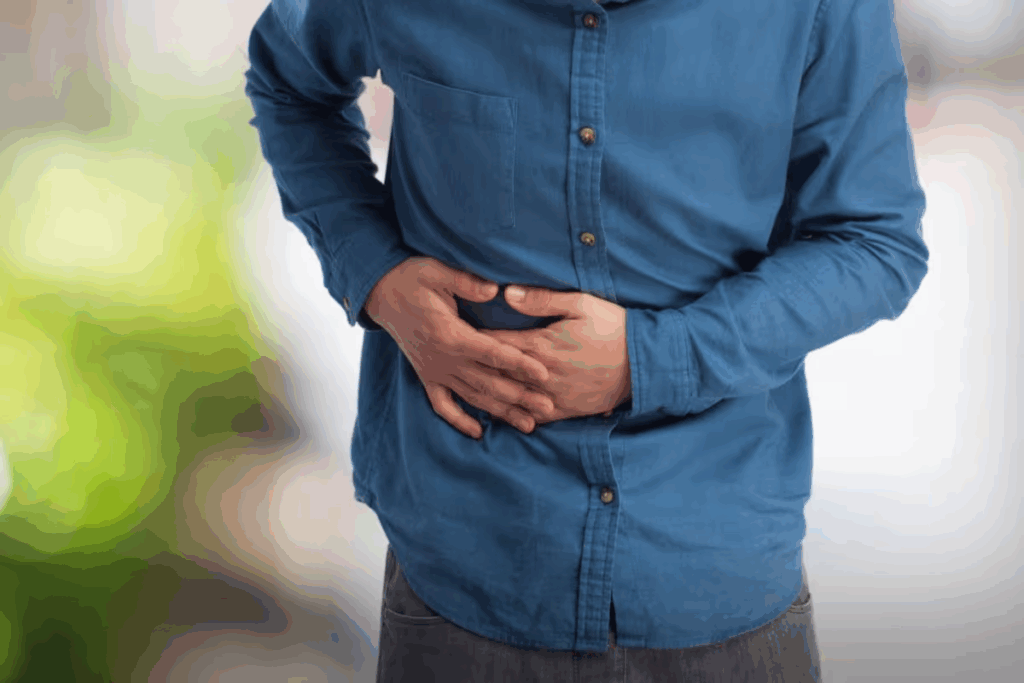
The gallbladder stores and concentrates bile, which is key for fat digestion. It’s a small organ under the liver, playing a big role in digestion.
The Role of the Gallbladder in Digestion
The gallbladder holds bile, a digestive fluid from the liver. It releases it into the small intestine to break down fats. This is important for absorbing fat-soluble vitamins and nutrients.
Bile storage and release are key. They help the body digest fatty foods well. Without a gallbladder, the body must release bile directly from the liver into the intestine.
How Gallstones Form and Affect Health
Gallstones form when bile gets too full of cholesterol or bilirubin. This leads to hard particles. These stones can cause severe pain and problems if they block the bile ducts.
- Gallstones can be as small as a grain of sand or as large as a golf ball.
- Risk factors include obesity, diet, and certain medical conditions.
- Surgery is often needed if gallstones cause big symptoms.
When Gallbladder Removal Becomes Necessary
Gallbladder removal, or cholecystectomy, is needed when gallstones cause pain, infection, or other issues. The decision to remove the gallbladder is made after other treatments fail.
“The decision to undergo gallbladder removal surgery is usually considered when the risks associated with leaving the gallbladder in place outweigh the benefits.”
— A Gastroenterologist
After surgery, patients must adjust to a new digestive way. This can change weight and health.
Gallbladder Removal Surgery: The Procedure Explained
Gallbladder removal surgery, or cholecystectomy, is a common procedure. It’s done to ease symptoms from gallstones or inflammation. It’s often chosen when other treatments don’t work.
Types of Cholecystectomy Procedures
There are two main types of cholecystectomy procedures: laparoscopic and open cholecystectomy. Laparoscopic cholecystectomy is a minimally invasive surgery. It removes the gallbladder through small incisions in the abdomen. This method is quicker and causes less pain after surgery.
Open cholecystectomy uses a single, larger incision in the abdomen. It’s recommended for patients with complications or when laparoscopic surgery isn’t possible.
What to Expect During Surgery
The surgeon usually starts with a laparoscopic approach. They make small incisions for a camera and surgical tools. The gallbladder is then removed through one of the larger ports. If complications happen, the surgery might switch to an open cholecystectomy.
Recovery Timeline After Surgery
The recovery time varies based on the surgery type. Patients who have laparoscopic cholecystectomy usually stay in the hospital less and can start normal activities sooner. Those who have open cholecystectomy may need more time to recover.
After surgery, you’ll need to manage pain, follow a diet, and slowly increase your activity. Most people can go back to their usual diet and activities in a few weeks. Some might notice changes in bowel movements or digestion.
The Physiological Impact of Losing Your Gallbladder
Gallbladder removal surgery changes how we digest food. The gallbladder stores bile from the liver. It releases bile into the small intestine to help digest fats. Without it, our body must find new ways to digest food.
Changes in Bile Production and Release
After surgery, bile goes straight from the liver to the small intestine. This means bile is always in the digestive system, not just when we eat. People might get diarrhea or have trouble absorbing fats and vitamins.
- Diarrhea or loose stools due to the constant presence of bile in the intestine
- Potential malabsorption of fats and fat-soluble vitamins
- Changes in gut bacteria due to the altered bile flow
How Digestion Functions Without a Gallbladder
Without a gallbladder, our body finds new ways to digest fats. The liver keeps making bile, which goes straight to the small intestine. But, we might not digest as much fat at once.
- Reduced ability to digest large amounts of fat in a single meal
- Increased risk of digestive discomfort after consuming fatty foods
- Potential need for dietary adjustments to manage fat intake
Our body might also change how it processes nutrients. Some people find they do better with smaller, more frequent meals.
Immediate Digestive Changes Post-Surgery
Right after surgery, digestive changes are common. These can include diarrhea, bloating, and nausea, mostly after eating fatty foods. These symptoms usually go away as our body adjusts.
- Diarrhea or changes in bowel movements
- Bloating or gas due to altered bile release
- Nausea or discomfort, particular after eating fatty foods
Understanding these changes helps manage digestive issues after surgery. Making smart food choices and knowing how our body reacts can make a big difference.
Losing Weight After Gallbladder Removal: What to Expect
Knowing how gallbladder removal affects weight is key after surgery. People often see changes in their weight after a cholecystectomy. These changes can be a concern.
Gallbladder surgery is done for many reasons, like gallstones causing pain or infection. The surgery can change how you digest food, which might affect your weight. Some people might lose weight, while others might gain or stay the same.
Short-Term Weight Changes Following Surgery
Right after surgery, weight changes can happen for a few reasons. Patients might lose weight because they can’t eat much or have digestive problems.
Some people might lose weight on a low-fat diet to ease digestive issues. This diet can lead to weight loss if you eat fewer calories.
Long-Term Weight Patterns in Post-Cholecystectomy Patients
Long-term, weight changes can differ a lot. Some might go back to their pre-surgery weight. Others might keep losing or gaining weight.
Many things can affect long-term weight, like diet, exercise, and metabolic changes. Eating well and staying active can help keep a healthy weight.
Individual Factors That Influence Weight Outcomes
Many personal factors can affect weight after gallbladder surgery. These include:
- Pre-surgery weight and health
- What you eat after surgery
- How active you are
- Any other health issues
The table below shows possible weight changes and what can influence them:
| Time Frame | Potential Weight Change | Influencing Factors |
| Short-Term | Weight Loss | Dietary restrictions, digestive issues |
| Long-Term | Variable (Loss, Gain, or Stable) | Diet, exercise, metabolic changes |
Knowing these factors can help manage weight after gallbladder surgery. It’s important to work with doctors to create a diet and exercise plan that’s right for you.
Does Gallbladder Removal Cause Weight Loss? The Research
The link between gallbladder removal and weight loss is complex. Studies show mixed results. Some say it can lead to weight loss, while others find no effect or even weight gain.
Clinical Studies on Cholecystectomy and Weight
Many studies have looked into how gallbladder removal affects weight. A study in the Journal of Gastrointestinal Surgery found patients lost weight after surgery. Yet, another study in the Journal of Clinical Gastroenterology found weight loss and gain, with no overall change.
A detailed review of clinical trials is shown in the table below:
| Study | Sample Size | Follow-up Period | Weight Change Observed |
| Journal of Gastrointestinal Surgery, 2018 | 150 | 6 months | Significant weight loss |
| Journal of Clinical Gastroenterology, 2020 | 200 | 1 year | No significant overall change |
| British Journal of Surgery, 2019 | 300 | 2 years | Variable; some lost, some gained |
Expert Opinions on Gallbladder Surgery and Weight Changes
Experts have different views on gallbladder surgery and weight. Some believe it can change digestion and affect weight. Others think weight loss might be due to diet or better health.
Dr. John Smith, a leading gastroenterologist, notes: “The relationship between gallbladder removal and weight loss is complex. While some patients may lose weight, others may not see changes.”
Distinguishing Between Correlation and Causation
It’s important to tell the difference between correlation and causation. Just because some lose weight after surgery, it doesn’t mean the surgery caused it.
More research is needed to understand the reasons behind weight changes after gallbladder removal.
Why Some People Lose Weight After Gallbladder Surgery
Removing the gallbladder can lead to weight loss for some. It’s important to understand these changes to manage weight after surgery.
Reduced Fat Intake and Dietary Modifications
Weight loss after gallbladder removal often comes from diet changes. Without a gallbladder, the body has trouble digesting fatty foods. This makes many patients eat less fat to avoid discomfort.
Dietary adjustments are key to losing weight. Many turn to a low-fat diet to avoid symptoms like diarrhea and bloating. Eating less fat can help with weight loss.
| Dietary Change | Effect on Weight |
| Reduced fat intake | Weight loss due to lower calorie consumption |
| Increased fiber intake | Improved digestion and possible weight loss |
| Avoidance of fatty foods | Less calorie intake and weight loss |
Improved Symptoms Leading to Increased Activity
Before surgery, many face symptoms like abdominal pain and fatigue. After surgery, these symptoms often lessen, making people more active.
Being more active is a big factor in weight loss. As symptoms improve, people are more likely to exercise regularly. This helps with weight loss and better health.
Metabolic Changes After Surgery
Research shows gallbladder removal can change how the body processes nutrients. The constant release of bile into the intestine might affect fat and nutrient processing.
These metabolic adjustments can lead to weight loss. But how much varies from person to person. Pre-surgery weight, health, and lifestyle changes after surgery all play a part.
In summary, weight loss after gallbladder surgery comes from diet changes, more activity, and metabolic changes. Knowing these factors helps manage weight after surgery.
Reasons Weight Gain Can Occur After Gallbladder Removal
Removing the gallbladder is a big surgery. It can change how your body works, including how you might gain weight. Knowing why weight gain happens after this surgery helps you deal with it better.
Dietary Challenges and Compensatory Eating
One big reason for weight gain after gallbladder surgery is diet. Without a gallbladder, digesting fats can be hard. This might make you eat more carbs or other foods to feel full, leading to weight gain.
You might need to eat smaller meals more often and avoid fatty foods. But, sticking to these changes can be tough. This might lead to eating more calories than you should.
Metabolic Adaptations That May Promote Weight Gain
After gallbladder surgery, your body’s metabolism can change. This affects how you digest fats. Some studies say this can change your gut bacteria, which might slow down your metabolism and make you gain weight.
| Metabolic Change | Potential Effect on Weight |
| Continuous Bile Release | Altered Gut Bacteria |
| Changes in Fat Digestion | Increased Caloric Absorption |
Lifestyle Factors That Influence Post-Surgery Weight
Your lifestyle, like how active you are and what you eat, affects your weight after surgery. Staying active and eating well helps keep your weight in check.
On the other hand, being inactive and eating poorly can lead to weight gain. It’s key to work with your doctor to create a plan for staying healthy after surgery.
Dietary Recommendations for Weight Management Without a Gallbladder
Having a well-planned diet is key for those who have had gallbladder surgery. This is because the body changes how it digests fats after surgery. Making some diet changes can help manage weight well.
Optimal Fat Consumption After Cholecystectomy
Without a gallbladder, the body might have trouble digesting fats. Reducing fat intake, like saturated and trans fats, can help. It’s best to eat fats in small amounts, choosing healthier options like avocados, nuts, and olive oil.
Meal Planning and Portion Control Strategies
Planning meals and controlling portions are key for weight management after surgery. Eating smaller, more frequent meals can ease digestive issues and prevent overeating. Adding foods high in fiber, like fruits, vegetables, and whole grains, also helps with weight and digestion.
- Plan meals in advance to ensure balanced nutrition.
- Use portion control to avoid overeating.
- Incorporate a high-fiber diet to support digestive health.
Foods to Embrace and Avoid
Some foods are better than others for weight management after gallbladder removal. It’s wise to limit or avoid high-fat, spicy, and high-fiber foods that can upset your stomach. Instead, embracing lean proteins, low-fat dairy, and a variety of fruits and vegetables can help you stay healthy and at a good weight.
| Foods to Embrace | Foods to Avoid |
| Lean proteins (chicken, fish) | High-fat foods (fried foods, fatty meats) |
| Low-fat dairy products | Spicy foods |
| Fruits and vegetables | High-fiber foods that cause discomfort |
Following these dietary tips can help those without a gallbladder manage their weight and improve their health.
How to Lose Weight After Gallbladder Surgery
Losing weight after gallbladder surgery needs a full plan. This includes changing what you eat, exercising, and getting help from experts. People who have had their gallbladder removed face special challenges. This is because their digestive system has changed.
Safe Exercise Guidelines for Post-Cholecystectomy Patients
Exercise is key for losing weight after gallbladder surgery. But, it’s important to follow safe rules to avoid problems. Start with easy exercises like walking or yoga. Then, slowly make them harder and longer as you get stronger.
- Begin with short walks and gradually increase the distance.
- Incorporate strength training to build muscle mass.
- Avoid high-impact exercises until fully recovered.
Working With Healthcare Providers on Weight Goals
Working with healthcare providers is very important for setting weight loss goals. They can give advice that fits your health, diet, and lifestyle.
Healthcare providers can help in:
- Creating a tailored diet plan.
- Recommending appropriate physical activities.
- Monitoring progress and adjusting the plan as necessary.
Supplements and Digestive Aids That May Help
Some people might find supplements or digestive aids helpful for losing weight. But, always talk to a healthcare provider before trying new supplements. This is to make sure they are safe and right for you.
Potential supplements include:
- Bile salts to aid in fat digestion.
- Probiotics to support gut health.
- Digestive enzymes to enhance nutrient absorption.
By eating well, exercising regularly, and getting professional advice, you can reach your weight loss goals after gallbladder surgery.
Managing Digestive Symptoms That Affect Weight After Surgery
Managing digestive issues after gallbladder surgery is key to staying healthy. After surgery, the body’s digestion changes, causing symptoms.
Addressing Diarrhea and Malabsorption Issues
Diarrhea and malabsorption are common after gallbladder surgery. Diarrhea can cause dehydration and nutrient loss. It’s important to manage it well.
To fight diarrhea, try these steps:
- Eat a low-fat diet to ease digestion
- Boost fiber to help with bowel movements
- Stay away from spicy or high-fat foods
Malabsorption can cause nutrient deficiencies. Working with a healthcare provider is key to managing it.
Coping With Post-Cholecystectomy Syndrome
Post-cholecystectomy syndrome includes symptoms like pain, diarrhea, and indigestion. Managing it requires a full plan of diet, lifestyle, and sometimes medicine.
Here are ways to cope:
- Eat smaller meals to ease digestion
- Avoid foods that make symptoms worse
- Get a treatment plan from a healthcare provider
When to Seek Medical Help for Digestive Problems
Some digestive issues after surgery are normal, but others need medical help. Seek help for severe or ongoing symptoms. This includes:
- Severe stomach pain
- Long-lasting diarrhea or vomiting
- Signs of dehydration like too much thirst or dark urine
Knowing when to get medical help is important. It helps manage symptoms and keeps you healthy.
Conclusion: Navigating Weight Changes After Gallbladder Removal
Gallbladder removal surgery, or cholecystectomy, can affect weight differently for everyone. It’s important to understand how gallbladder removal and weight loss are connected. This knowledge helps manage expectations and work towards a healthy weight post-surgery.
Many factors influence weight changes after gallbladder removal. These include diet, lifestyle, and health conditions. Some people might lose weight, while others might gain due to digestion and metabolism changes.
To manage weight effectively after gallbladder removal, a balanced diet and regular exercise are key. Making smart lifestyle choices and consulting with healthcare providers can help. This approach can reduce weight-related issues and improve health.
Successfully losing weight after gallbladder removal requires a detailed plan. It’s about understanding the factors that affect weight changes. By doing so, individuals can take steps towards a healthier lifestyle.
FAQ
Does having your gallbladder removed affect weight loss?
Removing your gallbladder can change how you digest food. This might affect your weight, but it’s different for everyone. Some people might lose weight, while others might gain or stay the same.
Can you lose weight after gallbladder removal?
Yes, some people can lose weight after their gallbladder is removed. This often happens because they start eating differently and can move more.
Why do some people gain weight after gallbladder removal?
Some people gain weight after their gallbladder is removed. This can be because of eating challenges, how their body changes, and lifestyle choices after surgery.
What are the dietary recommendations for managing weight after gallbladder removal?
To manage your weight after gallbladder removal, focus on the right amount of fat, plan your meals, and control your portions. It’s also important to know which foods are good and which to avoid.
How can you manage digestive symptoms that affect weight after gallbladder surgery?
To handle digestive symptoms after gallbladder surgery, deal with diarrhea and not absorbing nutrients well. Also, manage post-cholecystectomy syndrome and know when to get medical help for digestive issues.
Can gallbladder removal cause weight loss?
Gallbladder removal might lead to weight loss for some, but it’s not a sure thing. The link between gallbladder removal and weight loss is complex and depends on many factors.
What are the physiological changes that occur after gallbladder removal?
After gallbladder removal, how bile is made and released changes. Digestion works differently without a gallbladder, causing immediate digestive changes after surgery.
How to lose weight after gallbladder surgery?
To lose weight after gallbladder surgery, follow safe exercise plans, work with your healthcare team on weight goals, and consider supplements and digestive aids that might help.
Will I lose weight after gallbladder surgery?
Losing weight after gallbladder surgery is not guaranteed. It depends on many things, like how you change your diet, how symptoms improve, and how your body changes.
What happens to digestion after gallbladder removal?
Without a gallbladder, digestion changes. Bile production and release change, which can lead to digestive symptoms that might affect your weight.
References
- Stokes, C. S., & Lammert, F. (2021). Excess body weight and gallstone disease: Impact of diet and physical activity. Nutrients, 13(6), 1928. https://www.ncbi.nlm.nih.gov/pmc/articles/PMC8406364/