Last Updated on November 26, 2025 by Bilal Hasdemir
Gallbladder removal, or cholecystectomy, is a surgery that changes how you digest food.losing weight after gallbladder surgeryUnderstanding Metastasis: Where Lung Cancer Spreads First It can make you eat less and choose softer, less fatty foods. This might mean avoiding greasy or fried dishes.
These changes can help you lose weight at first. But, how much weight you lose depends on many things. At Liv Hospital, we help patients adjust to these changes and manage their health after surgery.
Key Takeaways
- Gallbladder removal can lead to short-term weight loss due to dietary changes.
- Patients may need to adopt a diet of smaller, blander meals.
- Avoiding fatty or fried foods can contribute to lower calorie intake.
- The impact of gallbladder removal on weight loss varies among individuals.
- Comprehensive care is essential for managing post-surgery changes.
Understanding the Gallbladder and Its Function
The gallbladder sits under the liver and is key for storing bile. Bile helps break down fats. Without it, digestion problems can occur.
The Role of the Gallbladder in Digestion
The gallbladder stores bile, made by the liver. When food hits the small intestine, the gallbladder releases bile. This bile helps digest fats and absorb vitamins.
The steps are:
- Bile production by the liver
- Bile storage and concentration in the gallbladder
- Release of bile into the small intestine during digestion
- Breakdown and absorption of fats and fat-soluble vitamins
This is key for digesting fats and getting nutrients.
How Gallstones Form and Affect Gallbladder Function
Gallstones are hard lumps in the gallbladder. They’re made of cholesterol or bilirubin. They can form due to:
- Imbalance in bile composition
- Poor gallbladder emptying
- High levels of cholesterol or bilirubin
Gallstones can block the bile duct. This causes pain and can lead to inflammation or infection.
Gallstones can mess up bile flow. This leads to digestive problems and chronic inflammation.
Symptoms of Gallbladder Disease
Gallbladder disease, often linked to gallstones, shows symptoms like:
- Severe abdominal pain, after eating fatty foods
- Nausea and vomiting
- Indigestion and bloating
- Jaundice, if the bile duct is blocked
Spotting these signs early is key for quick medical help and avoiding worse problems.
Knowing how the gallbladder works and the problems gallstones cause is vital. It helps us understand the effects of removing the gallbladder on weight loss and health.
Reasons for Gallbladder Removal Surgery
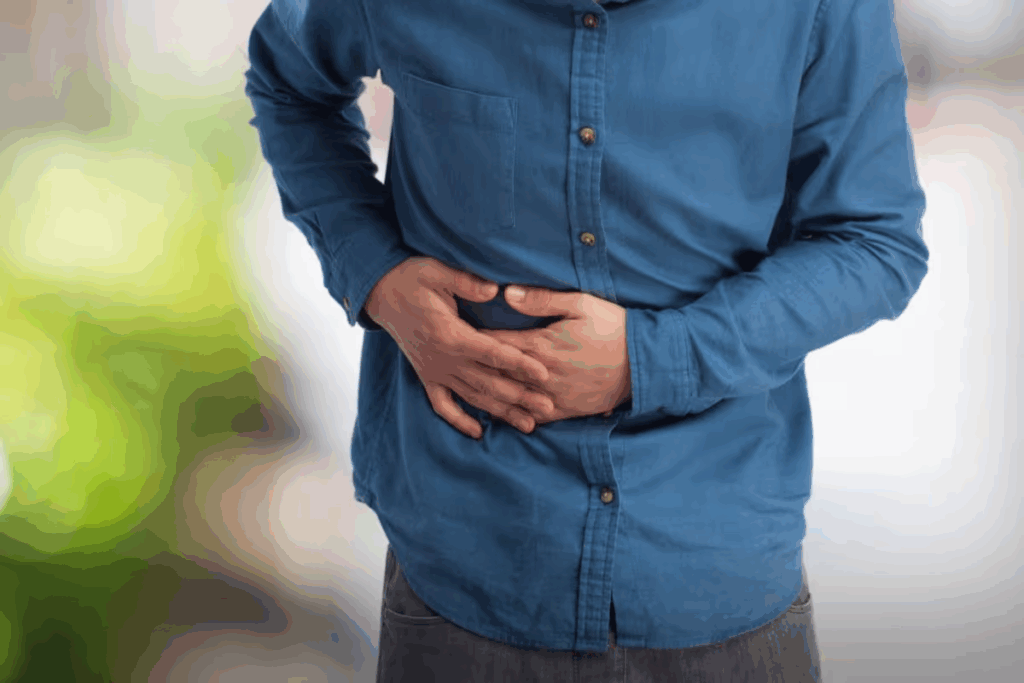
Having gallbladder removal surgery is often needed when gallstones cause big problems. This surgery, also called cholecystectomy, is a common fix for gallstones and other gallbladder issues.
Common Indications for Cholecystectomy
Doctors usually suggest surgery for patients with recurring or severe gallstones. They also recommend it for inflammation of the gallbladder or other problems. Symptoms like pain, nausea, or vomiting often mean surgery is needed.
- Recurring gallstones
- Severe gallbladder inflammation
- Gallbladder dysfunction
Laparoscopic vs. Open Gallbladder Surgery
There are two main ways to remove the gallbladder: laparoscopic surgery and open surgery. Laparoscopic surgery uses small cuts in the belly for tools and a camera. It’s chosen for its quick recovery and less pain.
Open surgery, with a bigger cut, is for harder cases or when laparoscopic isn’t possible.
| Surgical Approach | Characteristics | Recovery Time |
| Laparoscopic Surgery | Minimally invasive, small incisions | Shorter recovery time |
| Open Surgery | Larger incision, more invasive | Longer recovery time |
Preparing for Your Procedure
Before gallbladder removal surgery, you’ll get specific instructions. You might need to change your diet, stop certain meds, and more. These steps help make surgery and recovery smoother.
Talking to your doctor about any worries or questions is key. It helps you know what to expect during and after the surgery.
Do You Lose Weight After Gallbladder Surgery?
Removing the gallbladder through surgery can lead to weight changes. But how much and in what way depends on many things. These include diet, health, and how the body reacts to the surgery.
Short-Term Weight Changes Following Cholecystectomy
Right after surgery, some people might lose weight. This is often because they eat less and have less appetite. The body is adjusting to not having a gallbladder and how it makes bile.
Many patients start eating differently after surgery. They might eat fewer fatty foods. But, it’s important to remember that this weight loss might not last long.
Clinical Research on Post-Surgery Weight Patterns
Studies on weight after gallbladder surgery show mixed results. Some say people might lose weight at first, but it might not stay off. Things like starting weight, diet, and how active you are can affect your weight after surgery.
A study in a medical journal found that people who had laparoscopic cholecystectomy lost weight at first. But, this weight loss didn’t always last. The study said that eating right and staying active are key to keeping weight off.
Individual Factors That Influence Weight Changes
Many things can affect how much weight you lose after gallbladder surgery. These include:
- Dietary habits: Eating less fat can help with weight.
- Metabolic rate: How fast your body burns calories can change your weight.
- Physical activity: Being active can help with weight management.
- Pre-surgery weight: Being overweight or obese before surgery can lead to different weight changes.
Knowing these factors is important for understanding weight changes after gallbladder surgery. While some people might lose weight, others might not. And everyone’s experience can be different.
The Immediate Recovery Period and Weight Loss
Many people lose weight right after having their gallbladder removed. This happens for a few reasons. These reasons affect how much food they eat and how well their body digests it.
Reduced Appetite and Caloric Intake
One big reason for weight loss is feeling less hungry. After surgery, people might feel pain or discomfort. This can make them eat less.
They might also feel sick or uncomfortable after eating. This makes them eat even less. Eating less means they take in fewer calories, leading to weight loss.
Post-Surgical Dietary Restrictions
After surgery, doctors tell patients to eat certain foods. They might avoid fatty foods or eat smaller meals. They also suggest introducing new foods slowly.
These rules can make it hard to eat as much as before. The table below shows what food choices are recommended at different times after surgery.
| Post-Surgery Day | Dietary Recommendations |
| 1-2 | Liquid diet (clear broths, electrolyte-rich beverages) |
| 3-4 | Gradual introduction to soft, bland foods |
| 5 and beyond | Progressive introduction to solid foods, avoiding fatty or greasy foods |
Timeline for Digestive Adaptation
The body needs time to get used to not having a gallbladder. At first, the liver makes bile, but it goes straight to the small intestine. This is different from before.
This change can affect how the body digests fats. It takes time for the body to adjust. But in the first few days, this adjustment can cause weight loss.
Key factors influencing weight loss during the immediate recovery period include reduced appetite, post-surgical dietary restrictions, and the body’s adaptation to the absence of the gallbladder.
Digestive Changes That May Affect Weight
Without a gallbladder, the digestive system changes, which can affect weight. The gallbladder stores and releases bile, key for fat digestion. Without it, bile goes straight to the intestine, causing discomfort and changing fat digestion.
Bile Production and Flow Without a Gallbladder
Bile flowing directly into the intestine can change digestion. This can irritate the intestines, affecting eating and health.
Bile Flow Changes: This can lead to diarrhea or fatty stools. Bile salts can be too strong, overwhelming the intestines.
Fat Digestion and Absorption Alterations
Fat digestion changes without a gallbladder. Bile from the gallbladder breaks down fats well. Without it, fat digestion is less efficient.
The table below shows how fat digestion changes with and without a gallbladder:
| Process | With Gallbladder | Without Gallbladder |
| Bile Storage and Release | Bile is stored and released as needed | Bile flows directly into the intestine |
| Fat Digestion Efficiency | Fats are efficiently emulsified and digested | Fat digestion can be less efficient |
| Potential Symptoms | Occasional gallstone-related issues | Diarrhea, fatty stools, digestive discomfort |
Common Digestive Symptoms and Their Impact on Eating
People without a gallbladder may face digestive symptoms. These can include diarrhea, bloating, and indigestion.
Adapting to these changes is key for a healthy weight. Eating less fat or smaller meals can help manage symptoms.
It’s important to understand how these changes affect weight after gallbladder surgery. Making smart food choices and knowing about weight changes can help navigate post-surgery health.
Long-Term Weight Management Without a Gallbladder
Managing weight after gallbladder removal needs a full plan. This includes changing what you eat and how you live. After you get better, you might need to keep making changes to stay at a healthy weight.
Metabolic Adaptations After Gallbladder Removal
Without a gallbladder, how your body breaks down fats changes. This can affect how fast you burn calories and how you manage your weight. Knowing these changes helps you find ways to keep a healthy weight over time.
Key Metabolic Adaptations:
- Changes in bile production and flow
- Altered fat digestion and absorption
- Potential shifts in metabolic rate
Maintaining Healthy Weight Long-Term
To keep a healthy weight after gallbladder removal, eat well and stay active. A diet low in fat and high in fiber helps with digestion and health.
| Dietary Component | Recommended Adjustment | Benefit |
| Fat Intake | Reduce fat consumption, specially after meals | Minimizes digestive discomfort |
| Fiber Intake | Increase fiber-rich foods like fruits, vegetables, and whole grains | Supports healthy digestion and satiety |
| Meal Frequency | Eat smaller, more frequent meals | Helps manage digestive changes and maintains energy levels |
Potential for Weight Gain as Diet Normalizes
When you start eating like you used to after surgery, you might gain weight. This happens if you eat more calories than you burn. It’s important to watch your food portions and eat a balanced diet to avoid gaining too much weight.
Tips for Avoiding Weight Gain:
- Practice portion control
- Choose nutrient-dense foods
- Stay hydrated
- Engage in regular physical activity
By understanding how your body changes after gallbladder removal and making smart diet and lifestyle choices, you can manage your weight over time.
Optimal Nutrition Strategies After Cholecystectomy
After gallbladder removal, it’s key to follow the right nutrition strategies for digestive health and weight loss. The gallbladder helps break down fats. Without it, the body must adjust to new bile production and flow.
Foods That Support Digestive Health
Eating fruits, vegetables, and whole grains is good for your digestive health after gallbladder surgery. These foods are full of fiber. Fiber helps keep bowel movements regular and prevents constipation.
- Fruits such as bananas, apples, and berries are gentle on the digestive system.
- Vegetables like leafy greens, carrots, and zucchini are rich in fiber and essential nutrients.
- Whole grains, including brown rice, quinoa, and whole-wheat bread, provide sustained energy and fiber.
Meal Planning and Portion Control Techniques
Good meal planning and portion control are key after cholecystectomy. Eating smaller, more frequent meals can ease digestion.
Keeping a food diary is also helpful. It lets you see how different foods affect your digestion. This way, you can avoid or limit foods that are hard to digest.
Supplements That May Aid Digestion
Some people might need supplements to help with digestion after gallbladder removal. But, always talk to a healthcare provider before taking any supplements.
- Bile salts can help improve fat digestion.
- Probiotics support gut health and can alleviate symptoms like bloating and gas.
- Digestive enzymes may assist in the breakdown of proteins, carbohydrates, and fats.
By using these nutrition strategies, people who have had cholecystectomy can manage their digestive health better. This improves their overall well-being.
Physical Activity Following Gallbladder Removal
Starting to move again after gallbladder surgery is key to a good recovery. It’s important to listen to your body and adjust your activities as you heal.
Timeline for Resuming Exercise
When you can start exercising again depends on you and your surgery. Most people can do light activities a few days after surgery.
- Within 1-2 days post-surgery: Light stretching and short walks
- 2-4 weeks post-surgery: Gradually increase walking distance and introduce light aerobic exercises
- 4-6 weeks post-surgery: Resume more strenuous activities, including strength training
Recommended Activities for Different Recovery Stages
Choosing the right activities for your recovery stage is important. It helps avoid problems and makes sure you heal well.
| Recovery Stage | Recommended Activities |
| Immediate Post-Surgery (1-2 days) | Light stretching, short walks |
| Early Recovery (2-4 weeks) | Brisk walking, light aerobic exercises (e.g., cycling, swimming) |
| Late Recovery (4-6 weeks) | Strength training, more strenuous aerobic exercises |
Building an Exercise Routine for Weight Management
To manage your weight after gallbladder surgery, you need a regular exercise plan. This plan should include both physical activity and a healthy diet.
Tips for Building an Exercise Routine:
- Start with manageable goals and gradually increase intensity and duration
- Incorporate a mix of aerobic exercises and strength training
- Schedule exercise into your daily routine
- Monitor your progress and adjust your routine as needed
Understanding the role of physical activity is vital. Following a structured exercise plan can improve your recovery and help you maintain a healthy weight after surgery.
When Weight Changes After Surgery Require Medical Attention
Weight changes after gallbladder surgery are normal for many. But, some patterns might mean you need to see a doctor. It’s key to know when weight changes are just part of healing and when they’re a sign of trouble.
Normal vs. Concerning Weight Loss Patterns
After gallbladder surgery, losing some weight is okay. This is because of diet changes and how your body digests food. But, losing a lot of weight or losing it for a long time might mean there’s a problem.
If you notice any of these, talk to your doctor right away:
- Losing more than 10% of your body weight a few months after surgery
- Having diarrhea or fatty stools that won’t stop
- Feeling tired, weak, or losing hair
As “The American Journal of Surgery” says, losing a lot of weight after surgery can mean your body isn’t getting the nutrients it needs. Keeping an eye on your weight and health after surgery is very important.
Warning Signs That Shouldn’t Be Ignored
There are other signs that might mean something’s wrong after gallbladder surgery. These include:
- Severe pain in your belly
- Fever or feeling cold
- Jaundice or yellow skin and eyes
If you have any of these symptoms, get help right away. Getting help early can stop serious problems.
Follow-Up Care After Gallbladder Surgery
Seeing your doctor regularly after gallbladder surgery is very important. These visits help check how you’re doing, talk about any worries, and change your diet or treatment if needed.
Talk about any weight changes, digestive problems, or other symptoms at these visits. Your doctor can help manage these issues and make sure you recover well.
“Follow-up care is essential for identifying and managing possible complications early, ensuring the best possible outcomes after gallbladder surgery.”
By staying informed and talking openly with your healthcare team, you can get through the post-surgery period with confidence.
Conclusion: Adapting to Life Without a Gallbladder
Life without a gallbladder means understanding changes in your digestive system. You need to make adjustments to stay healthy and manage your weight.
Patients can live well after gallbladder removal by changing their diet and lifestyle. It’s important to pay attention to fat digestion and absorption. The gallbladder helps a lot with these processes.
Managing weight after gallbladder removal is about eating right and staying active. Knowing how gallbladder removal affects weight loss helps you adapt. This way, you can take care of your health.
With the right steps, you can handle life without a gallbladder. You can keep a healthy weight and improve your health. This makes the transition smoother and better for you.
FAQ
Does gallbladder removal cause weight loss?
Yes, gallbladder removal can cause weight loss in the short-term. This is because you might eat less and follow certain diets. But, long-term weight changes depend on many factors, like what you eat and how active you are.
Can you lose weight after gallbladder removal?
Losing weight after gallbladder removal is possible, mainly in the first few weeks. To keep a healthy weight, you need to eat well and exercise regularly.
How to lose weight after gallbladder surgery?
To lose weight after surgery, eat a balanced diet and start exercising slowly. Your doctor will tell you when it’s okay to start. Also, avoid foods that are too fatty or greasy.
Will I lose weight after gallbladder surgery?
Losing weight after surgery isn’t guaranteed. It varies from person to person. Weight loss depends on your appetite, diet, and how active you are.
What are the dietary recommendations after gallbladder removal?
After surgery, eat foods low in fat and high in fiber. Include lots of fruits, veggies, and whole grains. Avoid fatty or greasy foods to feel better.
Can gallbladder removal affect my metabolism?
Surgery might change how your body digests fats, affecting your metabolism. But, the overall effect is usually small. Most people adjust to these changes over time.
How long does it take to recover from gallbladder surgery?
Recovery time varies, but most people can get back to normal in a few weeks. Always follow your doctor’s advice and slowly increase your activity level.
Are there any supplements that can aid digestion after gallbladder removal?
Some supplements, like bile salts or digestive enzymes, might help with digestion. But, talk to your doctor before taking any to make sure they’re safe for you.
Can I resume my normal exercise routine after gallbladder surgery?
Always listen to your doctor about when to start exercising again. You can start with light activities like walking. Then, you can do more as your body gets stronger.
What are the signs of concerning weight loss patterns after gallbladder surgery?
Losing too much weight too fast after surgery is a red flag. It could mean you’re not getting enough nutrients or have another health issue. If you notice unusual weight loss, see your doctor right away.
References
- Stokes, C. S., & Lammert, F. (2021). Excess body weight and gallstone disease: Impact of diet and physical activity. Nutrients, 13(6), 1928. https://www.ncbi.nlm.nih.gov/pmc/articles/PMC8406364/