
Millions of women over 40 face sudden, stubborn weight gain during perimenopause and menopause. They watch their bodies change, even with diet and exercise. This is due to declining hormone levels, not personal failure.This is the ultimate guide to losing weight on HRT. Discover 7 powerful, simple strategies to succeed during menopause and beat belly fat.
Hormone replacement therapy offers hope. Research shows HRT users lose belly fat better than non-users. Their metabolic rates increase by over 200 calories daily.
At Liv Hospital, we get the challenges women face during this time. We see the benefits of HRT in managing weight. Our approach combines HRT with lifestyle changes to help women reach their health goals.
Key Takeaways
- HRT can aid in weight management during menopause.
- Declining estrogen and progesterone levels alter metabolism and body composition.
- Research supports the effectiveness of HRT in losing belly fat.
- Lifestyle modifications combined with HRT enhance weight loss efforts.
- A patient-centered approach is key for successful weight management.
The Menopause-Weight Connection
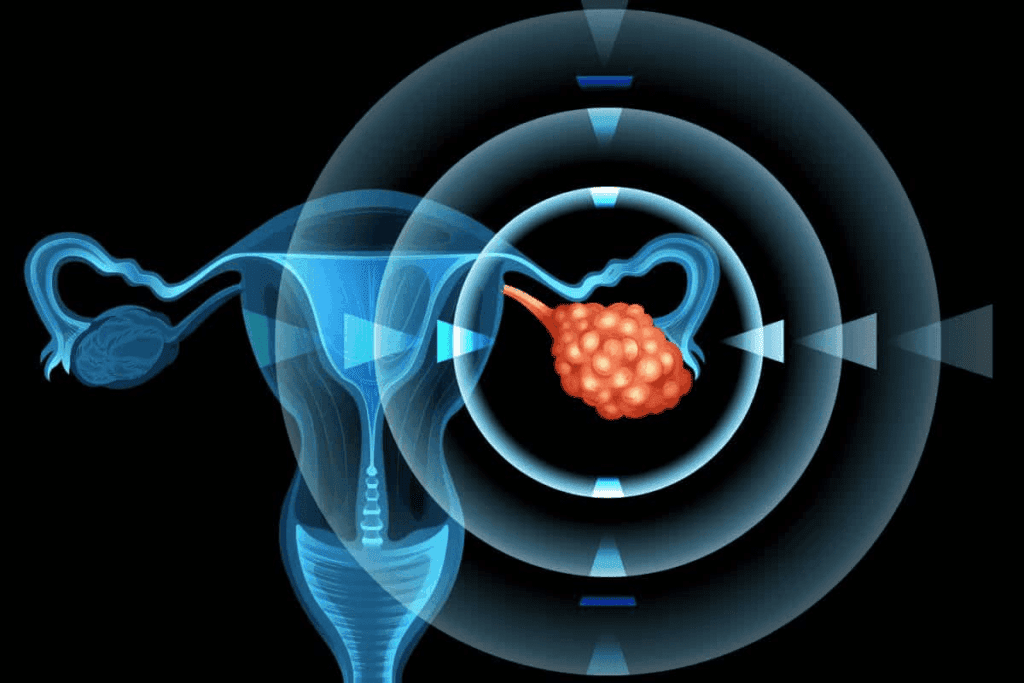
Menopause brings big changes in hormones that can affect weight. Women often notice they gain weight, mainly around the belly.
Studies show that lower estrogen and progesterone levels change how we metabolize and store fat. Estrogen helps control hunger and fat storage. Progesterone affects how much water we hold. “Hormonal changes during menopause can lead to increased fat mass, mainly around the belly,” says research.
Hormonal Changes During Menopause
Menopause brings big hormonal changes. The drop in estrogen is key, affecting how we metabolize. Estrogen helps control where fat goes; without it, fat goes to the belly.
Estrogen’s role in weight management is complex. It affects fat storage and hunger. As estrogen drops, many women feel hungrier and burn fewer calories, making weight control hard.
Why Women Over 40 Experience Sudden Weight_gain
Women over 40 often gain weight suddenly. Hormonal changes, aging, and lifestyle play a part. As women age, they lose muscle and their metabolism slows, making weight control harder.
Lifestyle choices, like diet and exercise, also matter. A diet full of processed foods and sugars, and not enough exercise, can lead to weight gain.
The Science Behind Menopausal Metabolism Shifts
The science behind metabolism changes in menopause is complex. Hormones, aging, and lifestyle all play a role. As women go through menopause, their metabolism slows down. This is due to losing muscle and being less active.
Understanding these changes is key to managing weight during menopause. By knowing what happens, women can tackle this tough time with the right help and advice.
Understanding Hormone Replacement Therapy (HRT)

Hormone Replacement Therapy (HRT) is a treatment for menopause symptoms. As women get older, their estrogen levels drop. This can cause hot flashes, mood swings, and weight gain. HRT aims to replace these hormones, easing these symptoms.
Types of Hormone Replacement Therapy
There are different types of HRT for various needs. Systemic HRT involves taking estrogen orally or through patches. This method spreads the hormone throughout the body to help with symptoms.
Local HRT is applied directly to the vagina. It uses creams, rings, or tablets to treat vaginal dryness.
How HRT Affects Your Body
HRT’s effects vary based on type and dosage. It can improve sleep, reduce osteoporosis risk, and ease menopause symptoms. But, it’s important to talk about risks and benefits with a doctor.
“HRT can be a game-changer for many women, improving quality of life.”
HRT can also help with weight management, though results differ for everyone.
Benefits Beyond Weight Management
HRT offers more than just weight benefits. It can manage hot flashes and night sweats, improve mood, and boost overall health. Improved sleep quality is a big plus, as it’s key for health.
The Science of Losing Weight on HRT
The link between Hormone Replacement Therapy (HRT) and weight loss is complex. It involves hormonal, metabolic, and distributional changes. As women go through menopause, knowing how HRT affects weight is key for managing it well.
Research on HRT and Weight Management
Research shows women on HRT gain less weight than those not on it. This is because estrogen helps improve body composition.
Key findings from research include:
- Reduced weight gain in HRT users
- Improved body composition
- Potential increase in resting metabolic rate
Study | Findings |
Study on HRT and Weight Gain | HRT users gained less weight than non-users |
Research on Estrogen and Metabolism | Estrogen replacement increased resting metabolic rate |
Estrogen’s Impact on Metabolic Rate
Estrogen is key in controlling metabolic rate. Studies show estrogen therapy boosts resting energy use. This helps the body burn calories better.
How HRT Influences Fat Distribution
HRT affects not just weight but also fat distribution. It keeps estrogen levels healthy, preventing belly fat buildup. This is a big concern during menopause.
The benefits of HRT on fat distribution include:
- Reduced visceral fat
- Improved body shape
- Lower risk of metabolic syndrome
Setting Realistic Weight Loss Goals During Menopause
Starting HRT during menopause can be a turning point for weight loss. But, it’s important to have realistic expectations. Menopause brings big hormonal changes that can affect weight. HRT is designed to help with these symptoms.
Understanding how HRT impacts weight loss is key to achieving your goals.
What to Expect When Starting HRT
When starting HRT, women often see better sleep, mood, and energy. These changes help keep a healthy lifestyle, which is key for weight management. Research shows HRT can balance the metabolic rate, helping with weight loss.
Key benefits of HRT for weight loss include:
- Improved sleep quality, which can regulate hunger hormones
- Enhanced energy levels, making it easier to engage in physical activity
- Better mood stability, reducing the likelihood of emotional eating
Timeline for Seeing Results
The time it takes to see weight loss results on HRT varies. Women may start to notice improvements in the first few months. But, it’s important to be patient and not expect immediate results.
A typical timeline might look like this:
- 1-3 months: Initial adjustments, possible water retention
- 3-6 months: Noticeable improvements in energy and mood
- 6-12 months: More significant weight loss results, if combined with a healthy lifestyle
Tracking Progress Beyond the Scale
While the scale is useful, it’s not the only way to measure progress. Women on HRT should also track body composition, overall health, and how they feel.
Alternative ways to track progress include:
- Measuring body fat percentage
- Monitoring changes in clothing size
- Assessing overall energy levels and well-being
By setting realistic goals and understanding HRT’s benefits and timeline, women can better navigate their weight loss journey during menopause. It’s about creating a sustainable, healthy lifestyle that incorporates HRT’s benefits.
Nutrition Strategies While on HRT
Women going through menopause face many challenges. The right nutrition while on Hormone Replacement Therapy (HRT) can help a lot. Eating well is key to managing weight during this time. Some foods can even help HRT work better.
Hormone-Balancing Foods
Foods that balance hormones are good to eat. Foods rich in omega-3 fatty acids, like salmon and sardines, are great for hormone health. Also, eating foods high in fiber, like whole grains and fruits, helps keep a healthy weight and supports estrogen balance.
“A diet rich in antioxidants can help mitigate some of the symptoms associated with menopause,” says a recent study. Foods like berries, leafy greens, and other fruits and vegetables are full of antioxidants. They should be a big part of a menopausal woman’s diet.
Meal Timing and Frequency
When and how much you eat can affect your weight during menopause. Eating smaller meals more often can help control blood sugar and keep your metabolism up. Starting your day with a balanced breakfast is also good for your metabolism.
- Eat a nutritious breakfast within an hour of waking up.
- Include a source of protein in every meal to help maintain muscle mass.
- Stay hydrated by drinking plenty of water throughout the day.
Foods to Avoid During Menopause
Some foods can make menopause symptoms worse and make it harder to lose weight. It’s smart to cut down on sugary foods and drinks, processed foods, and foods high in saturated fats. These can cause weight gain, often around the belly, which is common in menopause.
By choosing a balanced diet and making smart food choices, women on HRT can reach their weight loss goals. They can also improve their health during menopause.
Exercise Recommendations for Menopausal Women on HRT
Menopause brings challenges, but the right exercise can help. It’s key for health and managing weight on Hormone Replacement Therapy (HRT). Exercise boosts well-being and fights menopause’s muscle loss and bone density drop.
Strength Training to Combat Muscle Loss
Strength training is essential for menopausal women on HRT. It helps keep muscle mass, which decreases with age and during menopause. Adding resistance exercises to your routine boosts muscle strength and endurance. Aim for strength training twice a week, covering all major muscle groups.
Try squats, lunges, push-ups, and weight lifting. Start with light weights and increase them as you get stronger. This keeps your muscles growing and getting stronger.
Cardio Guidelines for Hormone Balance
Cardio exercises are vital for a balanced exercise plan for menopausal women on HRT. They improve heart health, boost metabolism, and support hormone balance. Aim for 150 minutes of moderate or 75 minutes of vigorous cardio weekly.
Brisk walking, cycling, swimming, and jogging are great cardio choices. Mix them up to avoid boredom and prevent injuries. For example, walk briskly during the week and swim on weekends.
Recovery and Rest Considerations
Exercise is important, but so is rest. Menopause and HRT can make you feel tired. Getting enough rest lets your body recover and adapt to exercise. Make sure to sleep well and include rest days in your routine.
Yoga or Pilates are also good for flexibility, balance, and stress relief. These low-impact exercises are great with strength training and cardio. They help manage stress and improve physical function.
Targeting Stubborn Belly Fat with HRT
Women often notice changes in their body shape during menopause, mainly around the belly. This isn’t just about looks; it’s linked to serious health issues like heart disease and diabetes. Hormone Replacement Therapy (HRT) might help manage this problem.
Why Estrogen Decline Leads to Abdominal Weight Gain
Menopause brings a drop in estrogen, affecting how fat is stored. Estrogen helps control fat distribution, and its decrease leads to more belly fat. Studies show this hormonal change is key to gaining visceral fat.
Understanding the role of estrogen in fat storage is key. Before menopause, estrogen stores fat in hips and thighs. But as estrogen levels fall, fat moves to the belly.
Specific Exercises for Menopause Belly Fat
Exercise is vital for losing belly fat during menopause. A mix of strength training and cardio is best. Strength training builds muscle, which increases metabolism and burns more calories. Focus on exercises like squats, lunges, and deadlifts that work many muscles.
- Do strength training exercises at least twice a week.
- Add high-intensity interval training (HIIT) for calorie burning.
- Include core exercises to improve muscle tone.
Dietary Approached to Reducing Visceral Fat
Diet is key in managing visceral fat. Eat a balanced diet with fruits, veggies, whole grains, and lean proteins. Avoid processed foods and sugars, as they can increase fat.
Increasing fiber intake is very helpful. Fiber makes you feel full, reducing calorie intake. Foods like fruits, veggies, and whole grains are high in fiber. Also, drinking plenty of water is important for metabolic health.
Managing HRT Side Effects That Impact Weight
Hormone Replacement Therapy (HRT) helps with menopause symptoms. But, some women might gain weight due to side effects. Changing the HRT type or dosage can help. We’ll look at common side effects and how to manage them.
Water Retention and Bloating Solutions
Water retention and bloating are common HRT side effects. They can make you feel uncomfortable and affect your self-esteem. Drinking plenty of water helps manage water retention. Also, eating less sodium and foods like asparagus and celery can help.
Tips to Reduce Bloating:
- Limit processed foods and sugars
- Increase potassium-rich foods like bananas and leafy greens
- Exercise regularly to improve digestion
Addressing Increased Appetite
Some women on HRT might feel hungrier. This can lead to weight gain if not controlled. Eating foods rich in fiber and protein, like fruits and lean meats, helps. Also, eating smaller meals more often can manage hunger.
Food Type | Examples | Benefits |
Fiber-rich foods | Oats, berries, broccoli | Helps in feeling full, supports digestive health |
Protein-rich foods | Lean meats, fish, eggs, tofu | Builds and repairing muscles, keeps you full |
Mood Changes and Emotional Eating
Mood swings and emotional changes are common in menopause. HRT can make these worse. Emotional eating can lead to weight gain. Stress-reducing activities like mindfulness and yoga help. Getting support from healthcare providers or therapists is also important.
Stress Reduction Techniques:
- Mindfulness and meditation
- Yoga and tai chi
- Journaling and expressive writing
Understanding and managing HRT side effects is key to weight control in menopause. Working with healthcare providers to adjust HRT and making lifestyle changes is essential.
Lifestyle Factors That Enhance Weight Loss on HRT
HRT is a powerful tool for managing menopausal symptoms. But, lifestyle factors are key to boosting its weight loss benefits. Focusing on sleep quality, stress management, and mindful use of alcohol and caffeine can help women lose weight during menopause.
Sleep Quality and Weight Management
Poor sleep quality can lead to weight gain by affecting hunger hormones. Menopause can already disrupt sleep patterns. Prioritizing good sleep hygiene is vital.
To improve sleep, establish a consistent schedule and create a relaxing bedtime routine. Make sure your sleep environment is dark, quiet, and cool. Avoiding caffeine and screens before bed can also help.
StressReduction Techniques
Chronic stress can hinder weight management by increasing cortisol, a fat-storing hormone. Engaging in stress-reducing activities like mindfulness, yoga, or deep breathing can help.
Regular physical activity, even small actions like short walks, can also reduce stress. Practicing gratitude can make a big difference in managing stress.
Alcohol and Caffeine Considerations
Alcohol and caffeine can hinder weight loss during menopause. While moderate caffeine can boost metabolism, too much can cause jitteriness and disrupt sleep. Alcohol can also lead to weight gain and slow down metabolism.
Substance | Impact on Weight Loss | Recommendation |
Caffeine | May boost метабolism but can disrupt sleep if consumed excessively. | Limit to 2-3 cups per day, avoid before bedtime. |
Alcohol | Can contribute to weight gain and slow down метаболism. | Consume in moderation, ideally not more than one drink per day. |
Being mindful of these lifestyle factors and making smart choices can help women on HRT lose weight and improve their quality of life during menopause.
Working With Healthecare Providers
To get the most out of HRT for weight loss, team up with your healthcare provider. This teamwork makes sure the treatment fits your needs perfectly, boosting its results.
Finding the Right HRT Dosage for Weight Management
Finding the right HRT dosage is key for weight management. Research shows tweaking the HRT type or dosage can reduce side effects and improve weight loss. It’s important to work with your healthcare provider to find the best HRT plan for your weight goals.
Estrogen, a main part of many HRT plans, helps control body weight. So, the estrogen dosage in HRT affects weight loss. Your healthcare provider will guide you through the options to find the best one for you.
When to Consider Adjusting Your Treatment
Patients often need to adjust their HRT over time. Changes in weight, health, or side effects might mean a treatment change. Regular check-ins with your healthcare provider are key to keep your HRT plan on track for weight management.
Signs That May Indicate a Need for HRT Adjustment | Potential Adjustments |
Insufficient weight loss | Dosage adjustment or change in HRT type |
Side effects such as bloating or mood changes | Alternative HRT formulations or additional treatments for side effects |
Changes in overall health or menopause symptoms | Reevaluation of HRT regimen and possible adjustments |
Complementary Treatments and Supplements
Some treatments and supplements can help with weight loss, but talk to your healthcare provider first. Some supplements might interact with HRT or cause problems, so expert advice is vital.
By teaming up with your healthcare provider and keeping up with new research, you can craft a detailed weight loss plan that goes well with your HRT.
Conclusion: Creating Your Personalized HRT Weight Loss Plan
Losing weight on HRT needs a full plan. This includes lifestyle changes, diet tweaks, and hormone therapy. Working with your doctor is key to making a plan that works for you.
Studies show that HRT, healthy eating, and exercise can help a lot. Knowing how HRT affects you and making smart choices about food and fitness can boost your weight loss.
To make your own HRT weight loss plan, start by talking to your doctor. They’ll help you figure out the best HRT for you. Then, eat well by choosing foods that boost estrogen and timing your meals right. Don’t forget to exercise regularly, combining strength training with cardio.
By focusing on a whole-body approach to weight loss and HRT, you can become healthier and more balanced. With the right help and support, losing weight on HRT can be a lasting success.
FAQ
Can hormone replacement therapy (HRT) help with weight loss during menopause?
HRT can help manage weight during menopause by regulating hormonal imbalances. This can help with weight gain. But, results vary, and it’s best used with a healthy diet and exercise.
Will estrogen replacement therapy help me lose belly fat?
Estrogen therapy can help reduce belly fat during menopause. But, for best results, a diet and exercise plan are also needed.
Does HRT cause weight gain?
HRT might not directly cause weight gain. But, some women may notice water retention or changes in body composition. Adjusting the HRT dosage can help minimize these effects.
How can I lose weight during perimenopause?
To lose weight during perimenopause, eat well, exercise regularly, and manage stress. HRT can also help with hormonal changes that lead to weight gain.
Can HRT make it easier to lose weight?
Yes, HRT can help with metabolic changes and fat distribution during menopause. This makes losing weight easier when you also live a healthy lifestyle.
What are the best nutrition strategies for weight loss on HRT?
Focus on hormone-balancing foods, meal timing, and avoid certain foods for weight loss on HRT. A diet rich in whole foods, fruits, and vegetables is best.
How does HRT affect metabolic rate?
HRT, like estrogen replacement, can help keep or improve metabolic rate. This can aid in weight loss efforts.
Are there specific exercises that can help reduce menopausal belly fat?
Yes, strength training and cardio exercises can help reduce belly fat. Exercises that strengthen core muscles are also beneficial.
How can I manage HRT side effects that impact weight?
To manage side effects like water retention, increased appetite, and mood changes, try dietary adjustments, stress reduction, and adjusting HRT dosage if needed.
Why is sleep quality important for weight loss on HRT?
Poor sleep quality can disrupt hormonal balance and metabolism, making weight loss harder. Good sleep hygiene is key for successful weight loss on HRT.
Can lifestyle factors enhance weight loss on HRT?
Yes, reducing stress, limiting alcohol and caffeine, and improving sleep quality can help with weight loss on HRT.
How do I find the right HRT dosage for weight management?
Work closely with a healthcare provider to monitor progress and adjust HRT dosage as needed for effective weight management.
Can complementary treatments and supplements support weight loss on HRT?
Some supplements and treatments may support weight loss, but always consult with a healthcare provider before adding new therapies to your regimen.
References
National Center for Biotechnology Information. Evidence-Based Medical Guidance. Retrieved from https://pubmed.ncbi.nlm.nih.gov/18037959/